
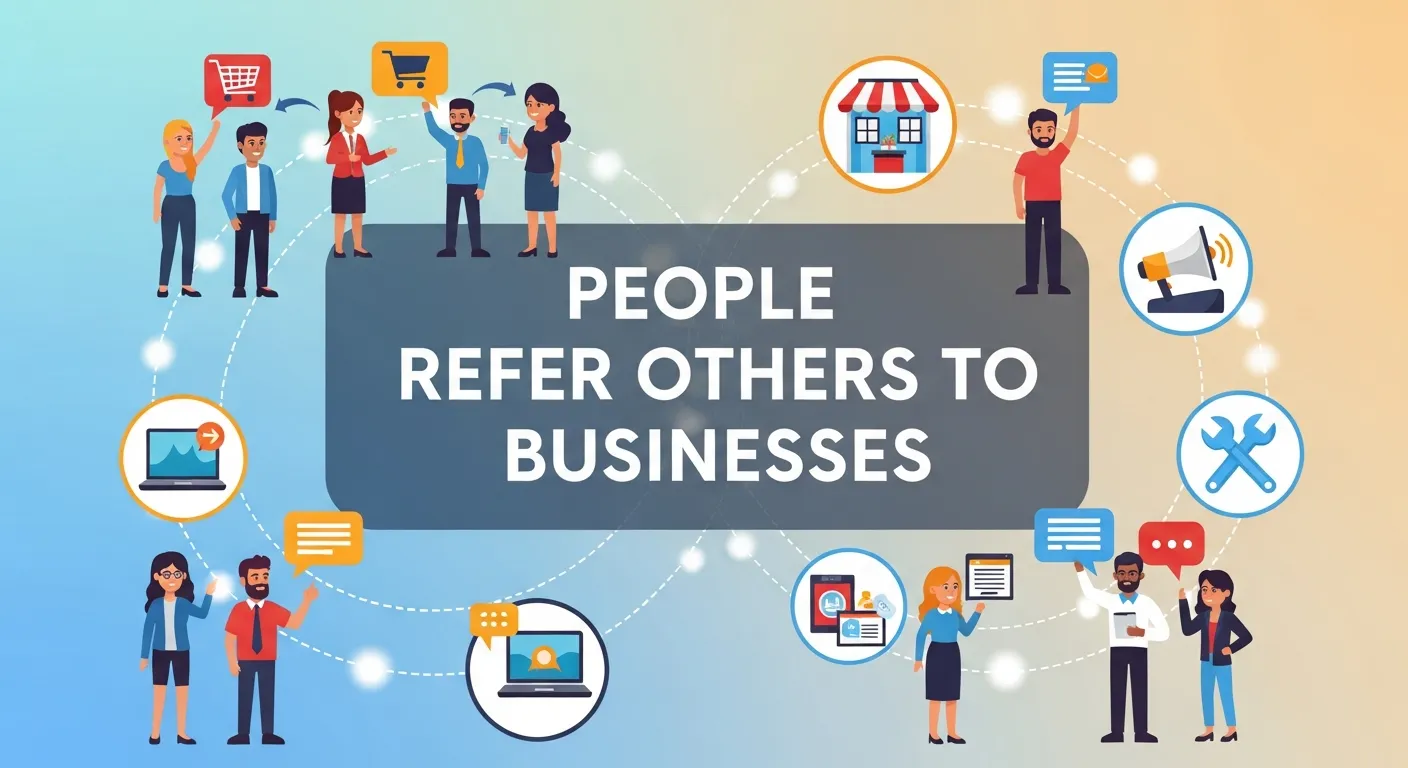
Referrals happen because of trust, satisfaction, identity, and rewards. When customers refer others to businesses, brands gain high-quality leads, higher conversions, loyalty, and advocacy. A structured referral strategy turns word-of-mouth into sustainable, scalable growth today.
Referral behavior refers to the act of recommending a product, service, or brand to friends, family, or colleagues based on personal experience. When people refer others to businesses, they share trusted opinions that influence buying decisions and build credibility for the brand. Unlike paid advertisements, referrals feel authentic and come from real experiences, making them far more persuasive and impactful. Referrals are more powerful than traditional advertising because they rely on trust and social proof rather than promotional messaging. Consumers often ignore ads but listen carefully to recommendations from people they know and trust. This makes referrals a high-converting and cost-effective marketing channel.
In modern marketing, word-of-mouth plays a crucial role in building brand awareness, customer loyalty, and long-term growth. Businesses that encourage referrals can create a continuous stream of new customers while strengthening relationships with existing ones.
The Psychology Behind Why People Refer Others to Businesses
Understanding the psychology behind referrals helps businesses design strategies that naturally encourage customers to share recommendations. When people refer others to businesses, their behavior is driven by trust, emotions, social identity, and rewards.
Trust and Social Proof
People trust recommendations from friends and family because they come from real experiences rather than marketing messages. Unlike advertisements, personal referrals are perceived as honest, unbiased, and reliable. When someone recommends a brand, it reduces uncertainty and perceived risk for the potential customer.
Credibility plays a major role in referral behavior. A recommendation from a trusted source carries more weight than any promotional content. This social proof reassures people that a business is legitimate and worth trying, making referrals one of the most effective persuasion tools in marketing.
Emotional Connection and Satisfaction
Positive customer experiences strongly motivate people to refer others. When customers feel delighted, impressed, or emotionally connected to a brand, they naturally want to share that experience with others. Referring a business becomes a way to express satisfaction and help others benefit from the same value.
Emotional triggers such as happiness, gratitude, excitement, and surprise often encourage sharing. For example, exceptional customer service or unexpected rewards can create memorable moments that inspire people to recommend the business to their network.
Social Status and Identity
People also refer others to businesses to enhance their social image. Recommending good products or services makes individuals appear knowledgeable, helpful, and well-informed. It allows them to build a positive personal reputation among peers.
Referrals can also reflect personal identity. People often recommend brands that align with their values, lifestyle, or beliefs. By referring others, they reinforce their identity and strengthen their social connections.
Reciprocity and Rewards
The psychological principle of reciprocity suggests that people like to give back when they receive value. If a business provides excellent service, discounts, or rewards, customers feel motivated to return the favor by referring others.
Incentives such as referral bonuses, discounts, or loyalty points can significantly increase referral behavior. While rewards are powerful motivators, the most sustainable referrals come from genuine satisfaction combined with strategic incentives.
Key Benefits When Customers Refer Others to Businesses

When customers refer others to businesses, it creates a powerful growth engine that benefits both brands and consumers. Referral-driven growth is often more sustainable, cost-effective, and trust-based than traditional marketing channels. Below are the key benefits businesses gain from customer referrals.
Increased Customer Acquisition
Referrals bring high-quality leads because they come from trusted sources. When someone recommends a business, the referred person already has a positive perception before interacting with the brand. This pre-built trust increases the likelihood of engagement and purchase. Compared to paid marketing channels like ads or influencers, referrals are significantly cheaper. Businesses do not need to spend large budgets on advertising campaigns because customers act as voluntary promoters. This lowers customer acquisition costs while maintaining strong lead quality, making referral marketing one of the most cost-efficient growth strategies.
Higher Conversion Rates
Referred customers tend to convert faster than leads generated through other channels. This happens because recommendations reduce uncertainty and hesitation in the buying process. People feel more confident purchasing when someone they trust has already tested and approved the product or service.
Trust-driven decision-making plays a major role in referral conversions. A recommendation acts as social proof, reassuring potential customers that they are making a smart and safe choice. As a result, referral leads often require less nurturing and have shorter sales cycles.
Stronger Customer Loyalty and Retention
Referrals do not just bring new customers; they also strengthen relationships with existing ones. When customers refer others, they become emotionally invested in the brand’s success. This sense of involvement increases loyalty and long-term engagement.
Referral marketing also creates a loyalty loop. Customers who refer others often receive rewards, recognition, or exclusive benefits, which encourages them to continue using and promoting the brand. This cycle builds a community of advocates who repeatedly purchase and recommend the business.
Brand Advocacy and Reputation Growth
When people consistently refer others to businesses, they act as brand ambassadors. These advocates share positive experiences, defend the brand, and promote it organically across social media, reviews, and personal networks.
Referrals also influence online reputation. Positive word-of-mouth leads to more reviews, higher ratings, and stronger brand credibility. A strong reputation attracts more customers, partners, and opportunities, creating a compounding effect on growth and visibility.
Types of Referrals in Business Marketing
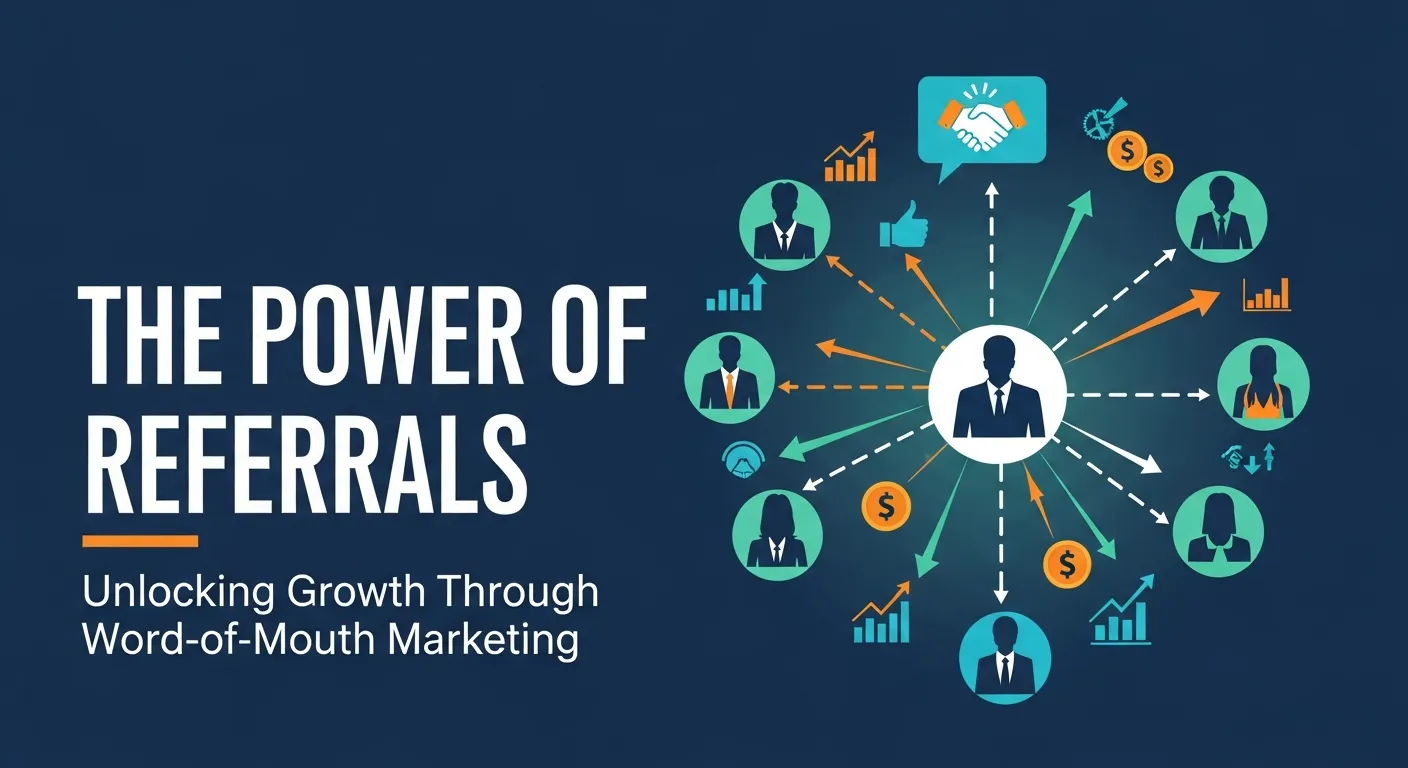
Referrals can happen in many forms, both offline and online. When customers refer others to businesses, they may do it casually through conversations or through structured programs designed by companies. Understanding different referral types helps businesses create targeted strategies to increase recommendations and growth.
Word-of-Mouth Referrals
Word-of-mouth referrals occur through offline recommendations and personal conversations. These are informal suggestions shared with friends, family members, colleagues, or community members. For example, someone might recommend a restaurant, service provider, or online store during a casual conversation.
This type of referral is powerful because it is natural and trust-based. People rely heavily on personal experiences and honest opinions when making decisions. Since there is no commercial motive behind most word-of-mouth referrals, they are perceived as authentic and highly credible.
Online Referrals and Social Media Sharing
Online referrals happen through social media platforms, blogs, forums, and messaging apps. Customers may share referral links, post reviews, tag brands, or recommend products in comments and stories. Influencers also play a key role in encouraging people to try and share businesses with their followers.
User-generated content (UGC) is another important driver of online referrals. When customers post photos, videos, testimonials, or reviews, they indirectly refer others to businesses. This content acts as social proof and influences potential customers during their research and purchase journey.
Referral Programs and Incentivized Referrals
Referral programs are structured systems where businesses reward customers for referring others. These programs may offer discounts, cashback, loyalty points, free products, or exclusive perks. Incentives motivate customers to actively share referral links or codes with their networks.
Many successful brands have used referral programs to scale rapidly. For example, Dropbox offered extra storage space for each referral, while Airbnb provided travel credits to both the referrer and the new user. These programs turned customers into marketers and helped companies achieve exponential growth.
Professional and B2B Referrals
Professional and B2B referrals occur through business partnerships, affiliate programs, and industry networks. Companies often refer clients to trusted partners, consultants, or service providers in exchange for commissions or reciprocal referrals.
Referral networks are common in professional services such as real estate, finance, legal services, and consulting. These networks build trust among professionals and create a consistent flow of high-quality leads. In B2B marketing, referrals are especially valuable because decisions involve high trust, long-term contracts, and significant investments.
Factors That Encourage People to Refer Others to Businesses
Several key factors influence why people refer others to businesses. When customers feel valued, trust a brand, and find it easy to share recommendations, they are more likely to promote it within their network.
Exceptional Customer Experience
Service quality, customer support, and personalization play a major role in referral behavior. When businesses deliver fast responses, friendly service, and personalized experiences, customers feel satisfied and motivated to share their positive experiences. A seamless buying journey, hassle-free returns, and proactive support can turn ordinary customers into enthusiastic advocates.
Strong Brand Trust and Transparency
Trust is the foundation of referrals. Customers are more likely to recommend brands that are transparent, ethical, and consistent in their messaging and actions. Clear pricing, honest communication, and reliable service build credibility. When people trust a brand, they feel confident referring it to others without worrying about damaging their reputation.
Value-Driven Products and Services
Customers refer businesses that provide real value and solve problems effectively. A strong, unique value proposition, innovative features, and competitive pricing encourage people to share recommendations. When a product or service exceeds expectations, customers naturally want others to benefit from it too.
Easy Referral Process
A simple referral process significantly increases sharing. Shareable links, referral codes, and automation tools make it effortless for customers to refer others to businesses. Mobile-friendly referral dashboards and one-click sharing options on social media or messaging apps further reduce friction and boost participation.
How Businesses Can Encourage Customers to Refer Others
Businesses can actively stimulate referrals by implementing structured strategies, programs, and marketing campaigns that make sharing rewarding and convenient.
Creating a Structured Referral Marketing Strategy
A structured referral marketing strategy starts with setting clear goals, such as increasing customer acquisition or boosting retention. Businesses should define their target audience, identify referral champions, and select appropriate channels. Clear metrics and timelines help track performance and optimize referral initiatives.
Designing High-Converting Referral Programs
High-converting referral programs use attractive reward systems, gamification, and tiered incentives. Rewards may include discounts, cashback, free products, or exclusive perks. Gamification elements such as leaderboards, milestones, and badges motivate customers to refer more people and stay engaged with the brand.
Leveraging Social Media and Email Marketing
Social media platforms are powerful channels for referral campaigns. Businesses can encourage customers to share referral links through posts, stories, and direct messages. Email marketing also plays a key role in referral promotion through personalized referral emails, automated workflows, and reminder campaigns that nudge customers to share.
Using Customer Testimonials and Reviews
Customer testimonials and reviews act as social proof and inspire others to refer businesses. Featuring real success stories, ratings, and user-generated content on websites and social platforms builds trust and encourages sharing. Social proof marketing strengthens credibility and amplifies referral behavior.
Case Studies: Brands That Grew Because People Refer Others to Businesses
Many global brands achieved massive growth by leveraging referral strategies. These case studies highlight how referral programs and word-of-mouth marketing can scale businesses rapidly.
Dropbox Referral Program Success Story
Dropbox created one of the most famous referral programs by offering free storage space for each successful referral. This incentive encouraged users to invite friends and colleagues, leading to exponential user growth. The referral-driven strategy helped Dropbox scale from thousands to millions of users in a short period.
Airbnb and Word-of-Mouth Marketing
Airbnb built a viral referral system by rewarding users with travel credits for inviting new hosts and guests. Combined with strong community building and trust mechanisms, Airbnb’s referral strategy fueled global expansion and brand recognition. Word-of-mouth recommendations played a crucial role in establishing trust in a peer-to-peer marketplace.
SaaS and E-commerce Referral Examples
Many SaaS and e-commerce brands use referral loops to drive continuous growth. Companies like PayPal, Uber, and Shopify leveraged referral incentives and seamless sharing tools to attract new users. Modern brands integrate referral systems into apps, loyalty programs, and customer journeys to maintain consistent acquisition and retention.
Challenges and Risks of Referral Marketing
While referrals are powerful, businesses must manage several challenges to ensure sustainable growth when people refer others to businesses.
Fake or Low-Quality Referrals
Fake or low-quality referrals can occur when users create multiple accounts or use spam tactics to gain rewards. These fraudulent referrals increase costs and distort campaign data. Businesses should implement verification systems, fraud detection tools, and referral limits to maintain quality and protect program integrity.
Over-Reliance on Incentives
Incentives can boost referrals, but relying only on rewards is not sustainable. Customers may refer others just for discounts without a genuine interest in the brand. This can attract low-quality users and reduce long-term loyalty. A strong product, customer experience, and emotional connection should be the primary drivers of referrals, with incentives acting as a secondary motivator.
Tracking and Measuring Referral Performance
Attribution is a major challenge in referral marketing. Businesses may struggle to identify which referrals lead to conversions, especially across multiple channels. Advanced analytics tools, referral tracking software, and CRM integrations help measure referral journeys and optimize performance.
Metrics to Measure When People Refer Others to Businesses

Measuring referral performance helps businesses understand the impact of customer recommendations and optimize strategies.
Referral Rate and Conversion Rate
Referral rate measures how many customers refer others, while conversion rate tracks how many referred leads become paying customers. These are key performance indicators (KPIs) that show the effectiveness of referral campaigns.
Customer Lifetime Value (CLV) of Referred Users
Referred customers often have higher lifetime value because they trust the brand and are more likely to remain loyal. Tracking CLV helps businesses understand the long-term impact of referral-driven customers compared to other acquisition channels.
Cost Per Referral Acquisition (CPRA)
Cost per referral acquisition compares the cost of gaining a customer through referrals versus paid marketing. Referrals typically have lower acquisition costs, making them one of the most profitable growth channels.
Net Promoter Score (NPS)
Net Promoter Score measures how likely customers are to recommend a brand. A high NPS indicates strong customer advocacy and a high probability that people will refer others to businesses.
Future Trends in Referral Behavior and Marketing
Referral marketing continues to evolve with technology, personalization, and digital communities.
AI-Powered Referral Programs
AI-powered referral programs use automation and predictive analytics to identify potential referrers and personalize incentives. AI can recommend the best timing, channel, and reward to maximize referrals.
Social Commerce and Influencer Referrals
Social commerce platforms integrate referrals directly into shopping experiences. Influencers and creators will continue to play a major role in driving referral-based purchases through live shopping, affiliate links, and social recommendations.
Community-Driven Referral Ecosystems
Brand communities and loyalty ecosystems encourage members to refer others through forums, memberships, and exclusive groups. Community-driven referrals build long-term engagement and trust.
Personalized Referral Experiences
Hyper-personalized referral incentives based on customer behavior, preferences, and purchase history will increase participation. Personalized rewards and messaging make customers feel valued and more likely to share.
Step-by-Step Guide to Build a Referral System
A structured referral system helps businesses consistently generate high-quality referrals.
Step 1: Identify Referral Champions
Identify loyal customers, repeat buyers, and brand advocates who are most likely to refer others. These champions are the foundation of a successful referral program.
Step 2: Create a Simple Referral Mechanism
Use referral links, codes, and dashboards to make sharing easy. A simple and user-friendly system increases participation and reduces friction.
Step 3: Promote the Referral Program
Promote the referral program through websites, email campaigns, social media, in-app notifications, and customer onboarding. Clear communication ensures customers know how and why to refer others.
Step 4: Track, Optimize, and Scale
Use analytics tools to monitor performance, identify top referrers, and optimize incentives. Scaling successful strategies helps businesses maximize referral-driven growth.
Common Mistakes Businesses Make with Referrals
Avoiding common mistakes can significantly improve referral program performance.
Not Asking Customers to Refer Others
Many businesses fail to ask customers to share referrals. Without clear prompts, customers may not think about recommending the brand. Simple calls-to-action can dramatically increase referrals.
Poor Incentive Structure
Misaligned rewards can reduce participation. Incentives should match customer expectations and provide real value to both referrers and referred customers.
Complicated Referral Process
A complex referral process reduces engagement. If customers struggle to share links or understand rewards, they are less likely to participate. A seamless user experience is essential.
Ignoring Referral Analytics
Ignoring data leads to missed growth opportunities. Businesses should continuously analyze referral metrics, test strategies, and optimize campaigns for better results.
Conclusion
People refer others to businesses because trust, emotions, social identity, and rewards influence their decisions. Referrals are powerful because they come from real experiences and create strong social proof that drives faster conversions and long-term loyalty. When businesses deliver exceptional value, build trust, and make referrals easy, customers naturally become brand advocates. By implementing structured referral programs, tracking key metrics, and avoiding common mistakes, companies can turn referrals into a scalable growth engine. Encouraging customers to refer others to businesses is one of the most cost-effective and sustainable marketing strategies today.
FAQ: People refer others to businesses
1. Why do people refer others to businesses?
People refer others to businesses because they trust the brand, had a positive experience, and want to help friends or family make better purchasing decisions.
2. How does trust influence when people refer others to businesses?
Trust plays a major role because recommendations from friends and family feel more authentic than ads, making people more confident in their buying decisions.
3. What motivates customers to refer others to businesses?
Customers are motivated by satisfaction, emotional connection, social recognition, and incentives like discounts or rewards offered through referral programs.
4. Are referred customers more valuable than regular customers?
Yes, referred customers often have higher loyalty, better retention rates, and greater lifetime value because they already trust the brand before purchasing.
5. How can businesses encourage people to refer others to businesses?
Businesses can encourage referrals by offering rewards, providing excellent customer service, simplifying the referral process, and using social proof like reviews and testimonials.
6. What are the benefits when people refer others to businesses?
Benefits include lower marketing costs, higher conversion rates, stronger brand loyalty, and increased brand awareness through word-of-mouth marketing.
7. Do referral programs really help people refer others to businesses?
Yes, referral programs provide incentives that motivate customers to actively share referral links or codes, increasing the number of recommendations.
8. What industries benefit most when people refer others to businesses?
Industries like e-commerce, SaaS, real estate, finance, healthcare, and local services benefit the most because trust is critical in purchase decisions.
9. How can businesses track when people refer others to businesses?
Businesses can use referral tracking tools, unique referral codes, CRM systems, and analytics dashboards to measure referral performance and conversions.
10. Is word-of-mouth better than paid advertising when people refer others to businesses?
Yes, word-of-mouth is often more effective because it is based on trust and personal experience, making it more persuasive and cost-effective than paid ads.