
Word-of-mouth is more trusted than ads because it comes from real people, builds social proof, reduces risk, and feels authentic. Personal recommendations influence decisions more strongly than brand-created messages, driving higher trust and conversions.
Word-of-mouth (WOM) marketing refers to the organic sharing of opinions, experiences, and recommendations about a product or brand among consumers. It can happen through conversations, online reviews, social media posts, or referral programs. Unlike traditional advertising, which is created and controlled by brands, word-of-mouth is driven by real people and their genuine experiences.
Traditional advertising focuses on paid promotion, brand messaging, and mass outreach, while word-of-mouth relies on personal trust and peer influence. In today’s digital age, consumers are exposed to countless ads every day, leading to skepticism and ad fatigue. As a result, trust has become the most critical factor in influencing purchase decisions.
This blog explores why word-of-mouth is more trusted than ads, the psychology behind consumer trust, and how businesses can leverage word-of-mouth strategies to drive higher conversions and long-term brand growth.
What Is Word-of-Mouth Marketing?
Word-of-mouth (WOM) marketing is the process by which customers share their opinions, experiences, and recommendations about a brand, product, or service with others. It can occur naturally through conversations or be encouraged through structured marketing strategies. WOM is powerful because it is based on real experiences, making it one of the most trusted forms of marketing communication.
Organic vs. Incentivized Word-of-Mouth
Organic word-of-mouth happens naturally when customers are genuinely satisfied and voluntarily talk about a brand. This includes casual conversations, social media mentions, and unsolicited reviews. Organic WOM is highly credible because it is driven by authentic experiences and emotions.
Incentivized word-of-mouth, on the other hand, is encouraged through rewards or referral programs. Brands offer discounts, cashback, loyalty points, or free products to motivate customers to share recommendations. While incentivized WOM is strategic, it can still be effective when transparency and authenticity are maintained.
Online and Offline Word-of-Mouth
Online word-of-mouth occurs on digital platforms such as social media, review websites, blogs, forums, and referral links. Customer reviews on platforms like Google, Amazon, and Trustpilot significantly influence buying decisions.
Offline word-of-mouth happens through face-to-face conversations, phone calls, and personal recommendations among friends, family, and colleagues. Despite digital growth, offline WOM remains influential, especially in local communities and high-involvement purchases.
Difference Between Word-of-Mouth and Influencer Marketing
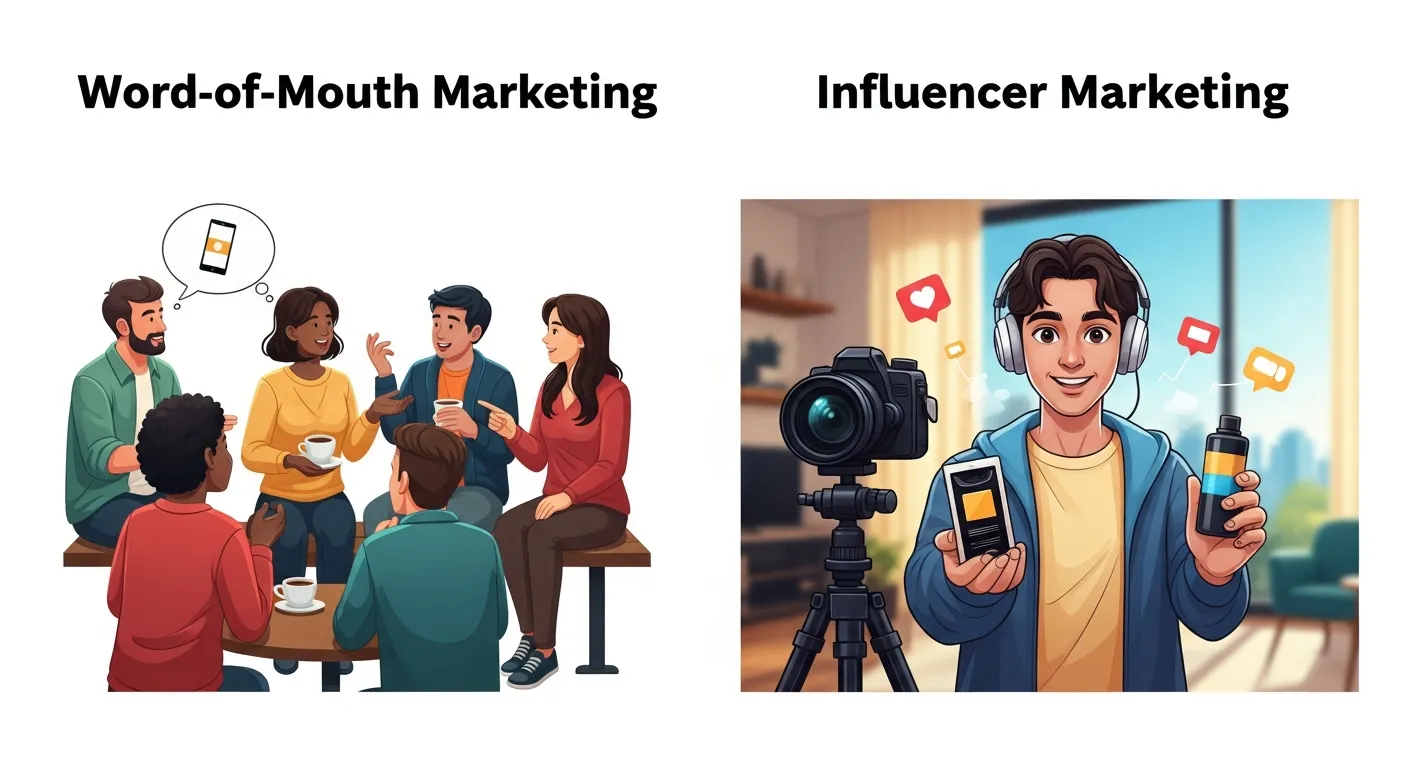
While both strategies rely on recommendations, they differ in key ways. Word-of-mouth marketing is driven by everyday customers sharing genuine experiences without being professional promoters. Influencer marketing involves paid or sponsored partnerships with individuals who have a large audience and commercial intent. WOM is often perceived as more authentic and trustworthy, whereas influencer marketing combines authenticity with brand-controlled messaging and reach.
The Psychology Behind Trust in Recommendations
Understanding why people trust recommendations more than ads requires looking at consumer psychology. Human decisions are strongly influenced by social behavior, emotions, and perceived risk. Word-of-mouth works because it aligns perfectly with how people think, feel, and make buying choices.
Social Proof and Herd Behavior
Social proof is a psychological principle where people follow the actions and opinions of others, especially when they are uncertain. When many people recommend a product, it signals popularity and reliability. This leads to herd behavior, where individuals assume that if others trust a brand, it must be good. Reviews, ratings, testimonials, and referral counts all act as social proof, pushing potential buyers toward a purchase.
Credibility of Personal Networks
Recommendations from friends, family, and colleagues carry high credibility because these relationships are built on trust and shared experiences. People believe their personal networks have no hidden agenda, unlike brands that aim to sell. This makes peer recommendations more persuasive and influential than traditional advertising messages.
Emotional Connection and Relatability
Word-of-mouth recommendations are often shared through personal stories and real-life experiences. These stories create an emotional connection and make the message more relatable. When consumers hear how a product solved a real problem, they can imagine themselves in the same situation, which increases trust and motivation to buy.
Risk Reduction in Purchase Decisions
Buying a product involves uncertainty and risk, especially for expensive or unfamiliar items. Recommendations reduce this perceived risk by providing reassurance from someone who has already tried the product. This lowers fear of making a wrong decision, shortens the decision-making process, and increases the likelihood of conversion.
Why Consumers Distrust Traditional Advertising
In today’s digital landscape, consumers are exposed to thousands of ads every day across social media, search engines, websites, and mobile apps. This constant exposure has led to growing skepticism and reduced trust in traditional advertising. While ads still play an important role in brand awareness, many consumers question their authenticity and credibility.
Ad Saturation and Banner Blindness
Modern consumers experience ad overload, which leads to a phenomenon called banner blindness—people subconsciously ignore advertisements because they see them everywhere. As a result, ads often fail to capture attention or influence decisions, making them less effective compared to personal recommendations.
Biased and Promotional Brand Messaging
Traditional ads are designed to persuade and sell, which makes consumers perceive them as biased. Brands highlight only positive aspects and rarely mention drawbacks, causing people to question the honesty of advertising claims. This perceived bias reduces credibility and trust in marketing messages.
Rise of Ad Blockers and Consumer Skepticism
With the rise of ad blockers and privacy concerns, consumers actively avoid ads. Many people feel that ads interrupt their online experience, track their behavior, or manipulate their choices. This has increased skepticism and pushed consumers to rely more on peer reviews and recommendations.
Decline of Trust in Corporate Marketing Claims
Over time, exaggerated claims, misleading ads, and fake endorsements have damaged trust in corporate marketing. Consumers now prefer real user experiences over polished brand campaigns. Reviews, testimonials, and word-of-mouth are seen as more transparent and reliable sources of information.
Key Reasons Word-of-Mouth Is More Trusted Than Ads
Word-of-mouth marketing consistently outperforms traditional advertising because it is rooted in authenticity, human connection, and trust. Unlike ads, which are created to persuade, word-of-mouth is driven by real experiences and honest opinions. Below are the key reasons why consumers trust word-of-mouth more than paid promotions.
Authenticity and Transparency
Word-of-mouth recommendations come from real users who have experienced the product or service firsthand. These recommendations often include both pros and cons, making them feel honest and transparent. In contrast, advertisements usually highlight only positive features, which can make them seem exaggerated or unrealistic. Authentic customer stories build credibility and foster trust.
Peer Influence and Social Proof
People are heavily influenced by the opinions of peers. When friends, family members, or colleagues recommend a brand, it acts as powerful social proof. Seeing others use and endorse a product reassures potential buyers that it is popular and reliable, increasing their likelihood of making a purchase.
Higher Credibility and Perceived Honesty
Consumers believe that other consumers have no direct financial motive to promote a product, which makes their opinions seem more honest. Even incentivized referrals are often perceived as more genuine than ads because they come from trusted individuals rather than corporations. This perceived honesty significantly boosts trust and persuasion.
Emotional and Personal Connection
Word-of-mouth often involves personal stories, emotions, and shared experiences. These narratives make the recommendation relatable and memorable. Emotional connections help consumers feel confident and understood, which strengthens trust and increases the chances of conversion.
Reduced Perceived Risk
Purchasing a product involves uncertainty, especially for high-value or unfamiliar items. Word-of-mouth reduces perceived risk by providing reassurance from someone who has already tried the product. This reassurance lowers hesitation, shortens the buying process, and increases conversion rates.
Impact of Word-of-Mouth on Buying Decisions
Word-of-mouth marketing has a direct and measurable impact on how consumers discover brands, evaluate products, and make purchasing decisions. Because it is rooted in trust and authenticity, WOM influences every stage of the customer journey—from awareness to conversion and loyalty.
Higher Conversion Rates from Referrals
Customers referred by friends or family are significantly more likely to convert than those reached through ads. Referrals come with built-in trust, which reduces hesitation and increases confidence in the purchase. As a result, referral-driven leads often have higher conversion rates and better purchase intent.
Faster Decision-Making Process
When consumers receive recommendations from trusted sources, they spend less time researching alternatives. Word-of-mouth acts as a shortcut to decision-making, helping buyers quickly choose a brand without extensive comparison. This speeds up the sales funnel and improves marketing efficiency.
Increased Customer Loyalty and Lifetime Value
Referred customers tend to be more loyal and have higher customer lifetime value (CLV). Since they join through a trusted recommendation, they are more likely to trust the brand long-term, make repeat purchases, and become advocates themselves. This creates a cycle of trust and referrals that drives sustainable growth.
Brand Advocacy and Community Building
Word-of-mouth turns satisfied customers into brand advocates who actively promote products within their networks. Over time, this builds a strong brand community where customers share experiences, provide feedback, and influence others. A loyal community amplifies organic growth and strengthens brand reputation.
Word-of-Mouth vs. Paid Advertising: Key Differences
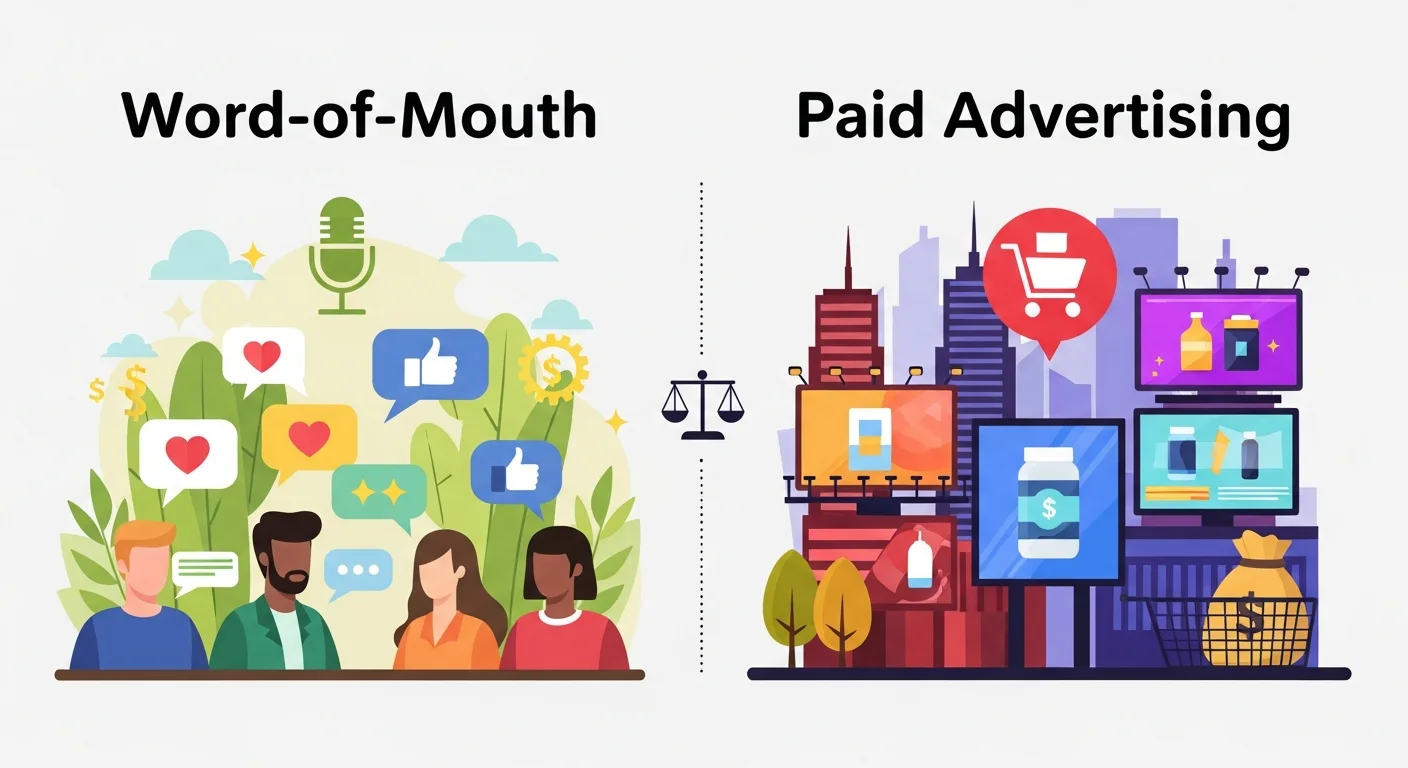
Word-of-mouth marketing and paid advertising are both essential growth channels, but they differ significantly in how they influence consumers, build trust, and drive results. Understanding these differences helps businesses create a balanced and effective marketing strategy.
Cost-Effectiveness
Word-of-mouth marketing is highly cost-effective because it relies on organic sharing and customer advocacy. While referral programs may include incentives, the overall cost per acquisition is often lower than paid ads.
Paid advertising, on the other hand, requires continuous spending to maintain visibility and traffic. Once ad budgets stop, exposure and conversions often drop immediately.
Trust and Credibility Levels
Word-of-mouth is driven by real people, making it one of the most trusted marketing channels. Consumers believe recommendations from peers far more than brand-created messages.
Paid ads are controlled by brands, which makes them appear promotional and biased. As a result, they typically have lower trust levels compared to WOM.
Long-Term vs. Short-Term Impact
Word-of-mouth creates long-term brand equity and loyalty. Positive experiences continue to generate referrals and repeat purchases over time.
Paid advertising delivers short-term results, such as immediate traffic and sales, but its impact often stops when campaigns end.
Scalability and Reach
Paid advertising is easily scalable and can reach large audiences quickly through platforms like Google, Facebook, and LinkedIn.
Word-of-mouth grows more organically and may scale more slowly, but it produces highly qualified leads with stronger intent and higher lifetime value.
Control and Messaging
Brands have full control over paid advertising messages, visuals, and targeting.
In contrast, word-of-mouth is less controllable because customers share their own opinions and experiences. However, this lack of control is also what makes WOM more authentic and trustworthy.
How Brands Can Leverage Word-of-Mouth
Word-of-mouth marketing does not happen by chance. While organic recommendations are powerful, brands can actively encourage, amplify, and manage word-of-mouth to drive consistent growth. By creating memorable experiences and providing easy sharing mechanisms, businesses can turn customers into brand advocates.
Create Referral Programs and Incentives
One of the most effective ways to encourage word-of-mouth is through referral programs. Brands can offer discounts, cash rewards, free products, or loyalty points to motivate customers to invite friends. Dual-sided incentives, where both the referrer and the referee receive rewards, significantly increase participation and conversion rates.
Encourage User-Generated Content (UGC)
User-generated content such as reviews, testimonials, social media posts, and unboxing videos acts as powerful social proof. Brands can encourage UGC by running contests, hashtags, and review campaigns. Authentic customer content builds trust and influences potential buyers more than brand-created content.
Leverage Online Reviews and Testimonials
Online reviews on platforms like Google, Amazon, Trustpilot, and Yelp play a major role in purchase decisions. Brands should actively request reviews after purchases and showcase testimonials on websites and landing pages. Positive reviews amplify word-of-mouth and improve conversion rates.
Build Communities and Social Engagement
Creating brand communities on social media, forums, or membership platforms helps customers share experiences and recommendations. Engaged communities foster trust, loyalty, and ongoing conversations, which naturally drive word-of-mouth marketing and repeat referrals.
Deliver Exceptional Customer Experiences
The foundation of word-of-mouth is a great product and outstanding customer service. When customers have memorable experiences, they are more likely to talk about the brand. Fast support, personalization, and surprise rewards can turn satisfied customers into passionate promoters.
Make Sharing Easy and Seamless
Brands should provide one-click sharing options such as referral links, social share buttons, QR codes, and pre-written messages. The easier it is to share, the more likely customers are to recommend the brand to others.
The Core of Trust: Human Connection
At its heart, word-of-mouth is personal. It comes from someone we already know, someone who has no reason to lie. There’s no motive to sell or promote—just a genuine experience shared in conversation. That alone makes the message more believable.
No Sales Agenda
People know that advertisements are made to sell. Whether it’s on TV, online, or a billboard, ads are designed to persuade. This sales intent immediately makes consumers skeptical. On the other hand, when a friend tells you a product worked well for them, you’re more likely to believe it. That’s because there’s no reason for them to exaggerate or lie. They’re just sharing what they found useful.
Built-In Credibility
Trust is often built over time. We listen to our close circle because we already know their tastes, habits, and values. If your cousin recommends a restaurant, you trust her because you know she loves good food and isn’t easily impressed. That’s credibility no ad can match.
Real Stories Beat Brand Messages
Advertisements often use actors, scripts, and marketing language. Even when ads look relatable, consumers know they’re still carefully crafted messages. But word-of-mouth is real. It’s unfiltered. It’s based on actual experiences.
Authenticity Wins
Let’s say two people talk about a product:
- One is reading a company’s ad copy.
- The other is telling a friend how that product solved their problem.
Which one seems more honest? The second one, of course. That’s because authenticity comes through naturally when someone shares their own experience.
Social Proof Has Power
People like to follow what others are doing. This psychological behavior is known as social proof. If everyone around you is talking positively about a product or service, it creates a strong sense of trust. You feel safer making the same choice.
Familiarity Builds Comfort
If you hear the same recommendation from multiple people, it reinforces the idea that it’s a good choice. It’s not about just believing one person. It’s about seeing a consistent pattern. That pattern makes it feel less like a gamble and more like a smart decision.
Online Reviews Are a Digital Extension of Word-of-Mouth
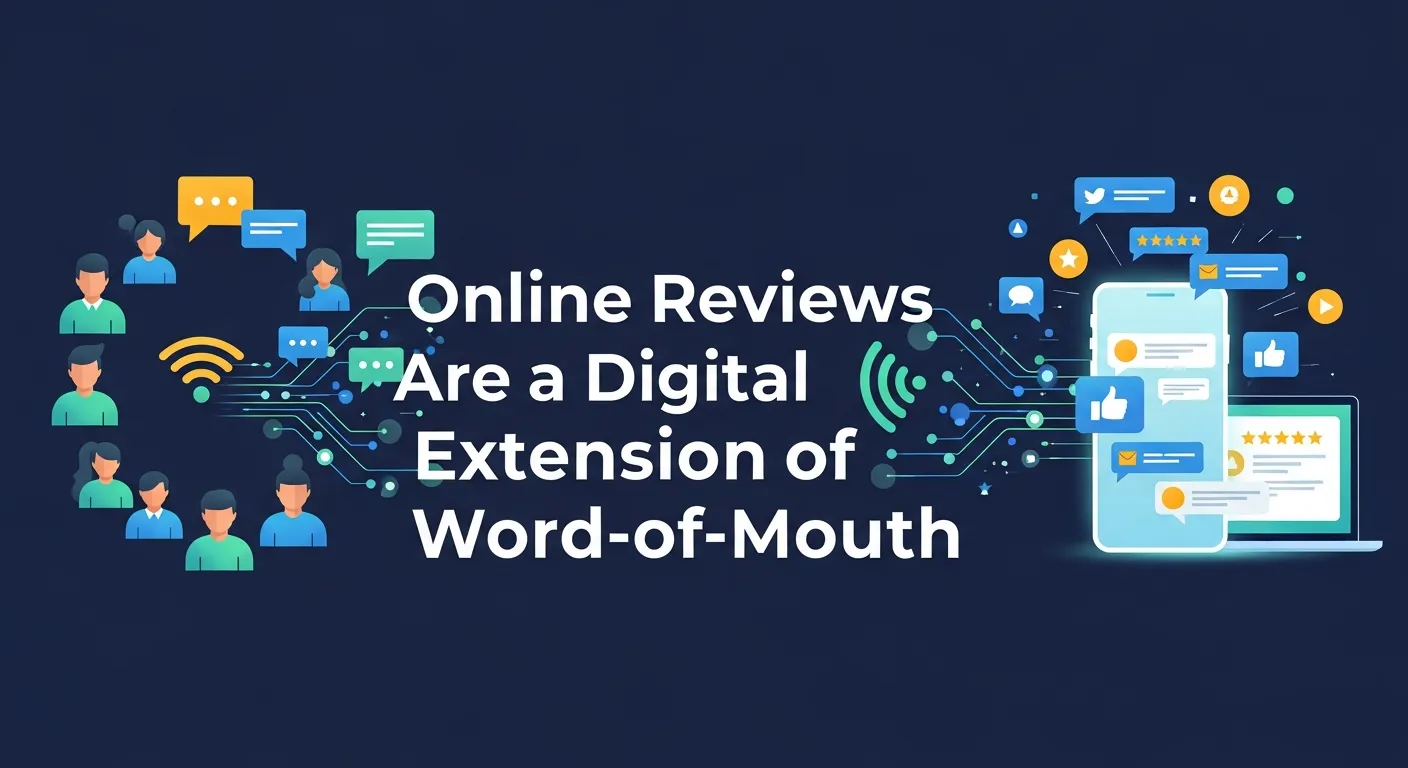
With the rise of the internet, word-of-mouth hasn’t disappeared—it has evolved. People now leave reviews on platforms like Google, Amazon, and Yelp. These reviews are just public versions of personal recommendations.
Peer Reviews Influence Decisions
Research shows that people read online reviews before making purchases. In fact, many trust these reviews as much as recommendations from friends. What’s interesting is that even when reviews are written by strangers, they still feel more genuine than advertisements.
Balanced Opinions Matter
Unlike ads that only show the good side, real reviews include both positives and negatives. That balance helps people make better-informed decisions. When users see a mix of opinions, they trust the source more.
Ads Try Hard, and That’s the Problem
Most ads are flashy, filled with promises, and designed to grab attention. But this high-effort approach can backfire. The more a brand tries to convince you, the more you start to question their motives.
Trust Can’t Be Bought
Big companies often spend millions on campaigns, but if people don’t believe the message, the money is wasted. Authentic trust can’t be purchased—it has to be earned. That’s why even small businesses with strong customer referrals often perform better than larger ones with expensive ads.
Emotional Resonance: Word-of-Mouth Feels Personal
When someone shares a product that helped them or made their life easier, that message comes with emotion. Maybe it solved a real problem or brought joy. That emotional connection stays with the listener.
Ads Rarely Hit That Mark
Even the most emotional ad still comes from a business goal. Word-of-mouth, however, carries human emotion in its rawest form. That’s why it tends to leave a lasting impact.
The Rise of Influencer Culture
While traditional ads struggle, influencer marketing is growing rapidly. Why? Because it’s a modern form of word-of-mouth. Followers see influencers as relatable individuals, not big brands.
Why Trust Matters Most
In a noisy world full of messages, people crave honesty. That’s why word-of-mouth is more trusted than ads. It’s not about how loud your message is; it’s about how true it feels. Whether it’s a simple conversation or a quick review online, real voices speak louder than any marketing campaign.
If you’re building a brand or trying to gain loyal customers, focus less on ads and more on experiences. Deliver value. Let your customers become your voice. When they speak for you, others will listen—and more importantly, they’ll believe.
Conclusion
Word-of-mouth marketing stands out as the most trusted form of promotion because it is rooted in authenticity, relationships, and shared experiences. Unlike advertisements, which are designed to persuade, word-of-mouth comes from real customers with no direct agenda, making it highly credible. It reduces uncertainty, builds confidence, and influences purchasing decisions more effectively than paid campaigns. Brands that focus on customer satisfaction, encourage referrals, and leverage reviews can harness the power of word-of-mouth to drive sustainable growth, strengthen brand loyalty, and achieve higher conversion rates in today’s trust-driven digital marketplace.
FAQ: Word-of-mouth Marketing
1. What is word-of-mouth marketing?
Answer: Word-of-mouth marketing is when customers share their experiences and recommendations about a product or brand with others, either online or offline.
2. Why do people trust word-of-mouth more than ads?
Answer: People trust word-of-mouth because it comes from real individuals with firsthand experience, not from brands trying to sell something.
3. How does word-of-mouth influence buying decisions?
Answer: Word-of-mouth reduces uncertainty, builds confidence, and encourages faster purchasing decisions through trusted recommendations.
4. What is social proof in word-of-mouth marketing?
Answer: Social proof is the psychological effect where people follow others’ actions or opinions, especially when many people recommend a product.
5. How is word-of-mouth different from traditional advertising?
Answer: Word-of-mouth is organic and customer-driven, while traditional advertising is paid, brand-controlled, and often perceived as biased.
6. What role do online reviews play in word-of-mouth?
Answer: Online reviews act as digital word-of-mouth, helping potential buyers evaluate products and build trust before purchasing.
7. Can brands control word-of-mouth marketing?
Answer: Brands cannot fully control it, but they can influence it through great customer experiences, referral programs, and community engagement.
8. Why is emotional connection important in word-of-mouth?
Answer: Emotional stories and personal experiences make recommendations relatable and memorable, increasing trust and persuasion.
9. What are the benefits of word-of-mouth for businesses?
Answer: Benefits include higher conversion rates, lower acquisition costs, increased loyalty, stronger brand reputation, and sustainable growth.
10. How can businesses encourage word-of-mouth?
Answer: Businesses can encourage word-of-mouth through referral programs, loyalty rewards, exceptional service, user-generated content campaigns, and easy sharing tools.
Given how much people trust word-of-mouth, it makes sense to learn how to promote referrals using WhatsApp or SMS.