
Warm market referrals are trusted leads from existing relationships that convert faster and cost less. By building relationships, asking for referrals, and using incentives and social proof, businesses can drive sustainable growth with high-quality prospects.
Warm market referrals are one of the most powerful yet underutilized growth channels for any business. They come from people who already know, like, and trust you or your brand, making them easier to convert than cold prospects. By leveraging personal networks, past clients, and engaged audiences, businesses can generate high-quality leads with lower costs, shorter sales cycles, and stronger long-term relationships when approached with clear strategies and consistent relationship-building efforts.
What Are Warm Market Referrals?
Warm market referrals are potential customers who come to your business through personal connections, existing relationships, or trusted recommendations. These leads are considered “warm” because they already have some level of familiarity or trust in you or your brand, making them more likely to engage, convert, and buy.
In simple terms, warm market referrals come from people who know you, know someone who knows you, or trust the source referring them to you. This could include friends, family members, colleagues, past clients, business partners, or followers who have interacted with your brand before.
Warm Market Referrals vs Cold Leads vs Hot Leads
Understanding the difference between lead types helps you prioritize your sales and marketing efforts:
- Warm Market Referrals
These are leads introduced through trusted relationships or recommendations. They already have some awareness and confidence in your business, so they require less persuasion and have higher conversion rates. - Cold Leads
Cold leads are people who have never interacted with your brand and have no prior relationship with you. Examples include people reached through cold calls, cold emails, or paid ads targeting new audiences. They require more nurturing and trust-building. - Hot Leads
Hot leads are prospects who are actively interested in your product or service and are ready to make a purchase decision. They may have requested a demo, asked for a quote, or added items to their cart—showing strong buying intent.
Why Warm Market Referrals Matter for Business Growth

Warm market referrals play a crucial role in accelerating business growth because they come with built-in trust, familiarity, and social proof. Compared to other lead sources, they often deliver faster results and higher returns with less effort.
Higher Trust and Credibility
One of the biggest advantages of warm market referrals is trust. When someone is referred by a friend, colleague, or existing customer, they already believe in your credibility before they even interact with your business. This pre-established trust removes skepticism and shortens the sales cycle, making it easier to build strong relationships and close deals.
Better Conversion Rates
Warm market referrals typically convert better than cold leads because they are already primed to be interested in your products or services. Referred prospects are more likely to respond to messages, schedule calls, and make purchases since the recommendation acts as social proof. As a result, businesses often see significantly higher conversion rates from warm referral leads.
Lower Marketing Costs
Generating warm market referrals is more cost-effective than running paid ads or large-scale campaigns. Since these leads come through existing relationships and word-of-mouth marketing, you spend less on advertising, outreach, and lead nurturing. This makes warm referrals one of the highest ROI strategies for sustainable business growth.
Referrals save you time and money on traditional advertising and prospecting. A warm lead doesn’t require the same level of nurturing as a cold prospect.
Warm Market vs Cold Market: Key Differences
Understanding the difference between warm and cold markets helps you choose the right sales and marketing strategy. While both can generate leads, warm market referrals often deliver faster and more reliable results than cold outreach methods.
Warm Market Referrals
Warm market referrals come from people who already know you or trust someone who knows you. These leads are introduced through relationships, recommendations, or previous interactions with your brand. Because trust already exists, they are more receptive to your message and more likely to convert into customers.
Examples of warm market sources:
- Referrals from existing customers
- Recommendations from friends, family, or colleagues
- Past clients returning for repeat business
- Social media followers who have engaged with your content
Cold Market Leads
Cold market leads are people who have no prior relationship with your business. They are reached through outreach and marketing efforts designed to attract new audiences. Cold leads require more education, nurturing, and trust-building before they are ready to buy.
Examples of cold market sources:
- Cold calls and cold emails
- Paid ads (Google, Facebook, LinkedIn, etc.)
- Purchased lead lists
- SEO traffic from first-time website visitors
Key Differences Between Warm and Cold Markets
| Factor | Warm Market Referrals | Cold Market Leads |
|---|---|---|
| Trust Level | High (built-in trust) | Low (no prior relationship) |
| Conversion Rate | Higher | Lower |
| Sales Cycle | Shorter | Longer |
| Marketing Cost | Lower | Higher |
| Effort Required | Less persuasion needed | More nurturing required |
Which Is Better for Business Growth?
Both warm and cold markets are important, but warm market referrals are often more profitable and easier to convert. Cold lead generation helps scale your audience, while warm referrals help you close deals faster and build long-term customer relationships.
Examples of Warm Market Referrals
Warm market referrals can come from many sources within your personal and professional network. These are people who already know, like, or trust you, which makes them highly valuable for business growth.
Friends and Family Referrals
Friends and family are often the first source of warm market referrals, especially for new businesses and entrepreneurs. They know you personally and are more likely to recommend your products or services to their networks. While they may not always be your ideal customers, they can introduce you to people who are.
Example:
A friend recommends your digital marketing services to a small business owner they know.
Past Clients and Customers
Past clients and existing customers are one of the most powerful sources of warm market referrals. Since they’ve already experienced your service or product, their recommendations carry strong credibility and social proof.
Example:
A satisfied client refers your agency to another company in their industry after seeing positive results.
Business Partners and Colleagues
Business partners, colleagues, and professional contacts can also generate high-quality warm market referrals. These referrals often come from people who understand your expertise and target audience, making them highly relevant and more likely to convert.
Example:
A web developer refers clients to your SEO services, and you refer your clients to their web design services.
How to Identify Your Warm Market
Before you can generate warm market referrals, you need to identify who is already in your warm market. Your warm market includes people who know you, trust you, or have interacted with your brand in some way. These connections are easier to convert compared to cold leads.
Personal Network
Your personal network is often the easiest place to find warm market referrals. This includes friends, family members, neighbors, and acquaintances who know you personally. Even if they are not your ideal customers, they can introduce you to people who might be.
Examples:
- Friends recommending your services to their contacts
- Family members sharing your business with their networks
- Acquaintances referring you within their workplace or community
Professional Connections
Professional connections are a high-value source of warm market referrals because they are more likely to understand your expertise and target audience. These include colleagues, former coworkers, mentors, business partners, vendors, and industry peers.
Examples:
- LinkedIn connections referring clients
- Past employers recommending your services
- Industry peers collaborating and sharing leads
Online Communities and Social Media
Online platforms are a powerful way to expand your warm market referrals beyond your immediate circle. People who follow, comment, or engage with your content already have some familiarity with your brand, making them “warm” leads.
Examples:
- Social media followers who engage with your posts
- Members of Facebook groups, forums, or Slack communities
- Email subscribers who regularly open and read your content
Proven Strategies to Generate Warm Market Referrals
Generating warm market referrals doesn’t happen by chance—you need a deliberate strategy to encourage people to recommend your business. Below are proven methods to help you consistently attract high-quality referral leads.
Ask for Referrals the Right Way
Many businesses miss out on warm market referrals simply because they don’t ask. The key is to ask at the right time—when a client is satisfied with your service or has achieved a positive result.
Tips to ask effectively:
- Ask after delivering value or completing a successful project
- Be specific about who you want to be referred to
- Make it easy with a simple message or referral link
Build Strong Relationships
Strong relationships naturally lead to warm market referrals. When people trust you and feel valued, they are more likely to recommend your business without being prompted.
How to build relationships:
- Provide excellent customer service
- Follow up regularly with clients and contacts
- Share helpful content and insights to stay top of mind
Offer Referral Incentives
Incentives can motivate people to actively share warm market referrals. Rewards make referrals feel appreciated and encourage repeat recommendations.
Common referral incentives:
- Discounts or cashback
- Free services or upgrades
- Gift cards or commissions
Use Social Proof and Testimonials
Social proof builds credibility and encourages warm market referrals by showing others that your business delivers results. Testimonials, case studies, and reviews make people more confident in recommending you.
Ways to use social proof:
- Display testimonials on your website and landing pages
- Share client success stories on social media
- Highlight ratings and reviews in marketing materials
Who Makes Up Your Warm Market?

Identifying your warm market is the first step to tapping into this powerful resource. Your warm market often consists of:
- Family and Close Friends
These are the people who know you best and are most likely to support your endeavors. However, tread carefully when approaching them for referrals to avoid coming across as too pushy.
- Current and Past Clients
Happy customers are one of the best sources of referrals. They’ve experienced your product or service and are more likely to recommend you from a place of genuine belief in your value.
- Professional Contacts
Colleagues, former teammates, and people you’ve worked with in the past are part of your professional warm market. They can connect you with others who might benefit from your offerings.
- Social Connections
Acquaintances from social circles like community groups, gym buddies, or parents from your children’s school are also part of your warm network.
By identifying these groups, you’ll gain a clearer picture of who to approach when asking for referrals.
Strategies for Asking for Warm Market Referrals
Effectively requesting referrals from your warm market requires finesse. Here’s how to do it:
1. Be Specific in Your Ask
Instead of a generic “Do you know anyone who might need my services?”, be specific. For example, “Do you know any small business owners looking for reliable social media management?”
2. Offer Value First
Before asking for a favor, provide value to the person you’re reaching out to. For instance, share an industry tip or offer a free resource that aligns with their interests.
3. Leverage Timing
Reach out for referrals at the right time. For instance, if a client has just complimented your work, it’s a good moment to kindly ask if they’d be willing to refer you to others.
4. Use Social Proof
Share examples of how your service has benefited existing customers. This builds trust and makes them feel more confident recommending you.
5. Make It Easy
Provide pre-written referral messages or templates so it’s effortless for your warm market contacts to spread the word.
Tips for Nurturing Relationships for Ongoing Referrals
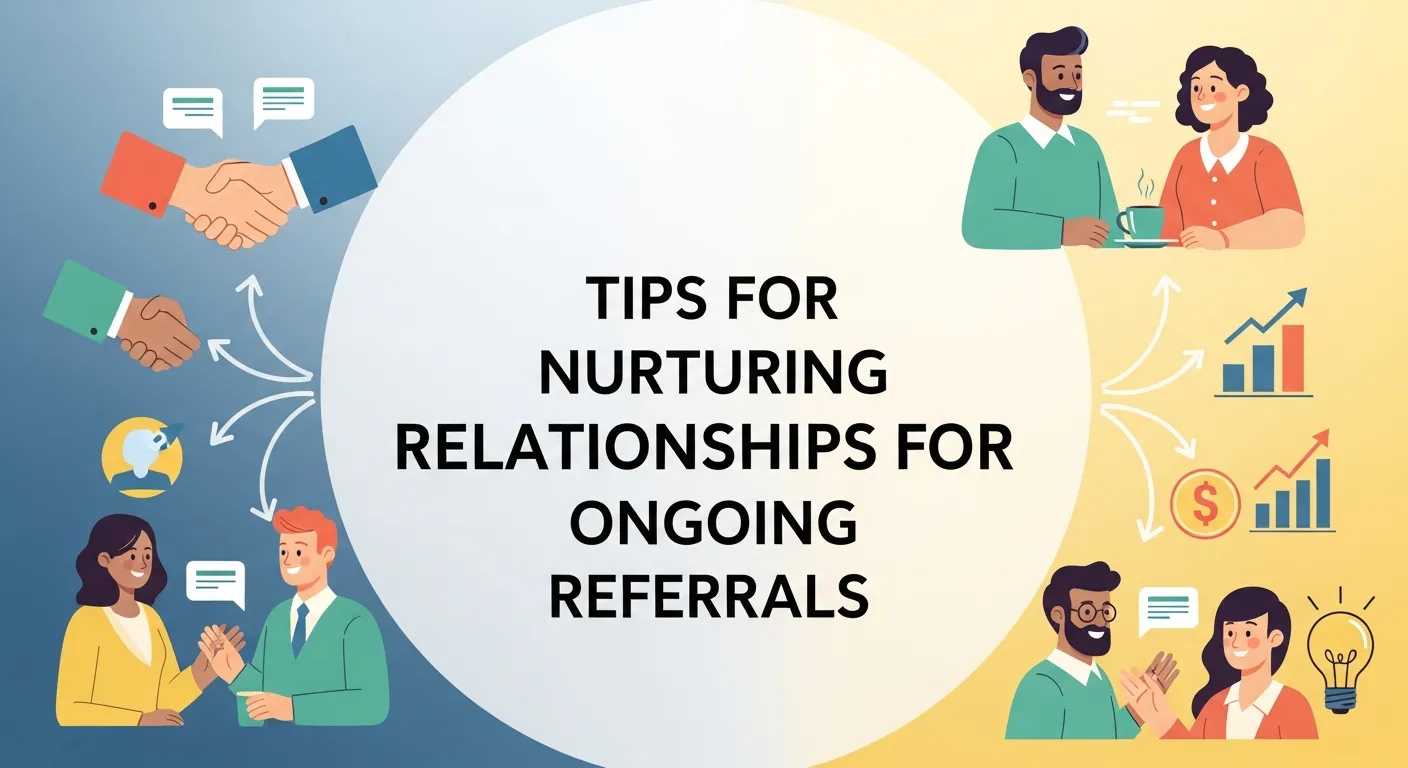
Building a strong referral network isn’t just about making one-time asks; it requires nurturing long-term relationships. Here’s how:
Stay Connected
Regularly check in with your warm market, even when you’re not asking for referrals. A simple email or holiday card can go a long way.
Show Gratitude
Always thank contacts who provide referrals. Consider giving them a handwritten note, a small gift, or even a discount on your services.
Offer Referral Incentives
Create a formal referral program with tangible rewards like cash bonuses, gift cards, or service discounts for each successful referral.
Create Value-Driven Content
Keep your name top of mind by sharing valuable content like newsletters, blog posts, or industry updates that your contacts will find helpful.
Host Networking Events
Organize in-person or virtual events where your warm market can network and share their experiences with your offerings.
Success Stories of Warm Market Referrals
Case Study 1: Doubling Revenue with Customer Referrals
A small online clothing boutique offered a $20 gift card to customers who referred their friends. Within six months, the boutique doubled its revenue thanks to the loyalty and enthusiasm of its warm market.
Case Study 2: Expanding a Fitness Coaching Client Base
An independent fitness coach asked three loyal clients for referrals while offering a free trial coaching session to anyone they referred. Within a year, she gained 15 high-paying clients, with no upfront marketing spend.
Case Study 3: Tech Startup’s Rapid Growth
A SaaS platform specializing in project management leveraged its professional network from industry events to gain warm referrals. By asking for introductions and demonstrating their solution’s value, the company saw a 40% increase in signups within three months.
Conclusion
Warm market referrals are not just a sales tactic—they are a long-term growth asset. By nurturing relationships, delivering exceptional value, and asking for referrals strategically, businesses can create a steady stream of high-trust leads. Combining warm referrals with cold outreach builds a balanced pipeline, but prioritizing warm connections often leads to faster conversions, higher retention, and stronger brand advocacy that fuels sustainable business success over time and strengthens customer loyalty across every stage of the buyer journey.
FAQ: Warm Market Referrals
1. What are warm market referrals?
Warm market referrals are leads that come through people who already know or trust you, such as friends, clients, colleagues, or followers, making them more likely to convert.
2. How are warm market referrals different from cold leads?
Warm referrals have built-in trust and familiarity, while cold leads have no prior relationship with your brand and require more nurturing to convert.
3. Why are warm market referrals important for business growth?
They increase conversion rates, reduce marketing costs, and shorten the sales cycle because trust is already established.
4. Who can be part of your warm market?
Your warm market includes friends, family, past clients, professional contacts, social media followers, and engaged community members.
5. How do you ask for warm market referrals?
Ask after delivering value, be specific about who you want referred, and make it easy with a simple message or referral link.
6. What are the best ways to generate warm referrals?
Build strong relationships, offer referral incentives, use testimonials, and stay top of mind through consistent communication.
7. Do referral incentives really work?
Yes, incentives like discounts, commissions, or gift cards can motivate people to actively recommend your business.
8. Can social media followers be warm market referrals?
Yes, engaged followers who comment, like, or share your content are considered warm leads because they are already familiar with your brand.
9. How can you nurture warm market relationships?
Stay connected, provide value, express gratitude, and maintain regular communication through emails, content, or events.
10. Are warm market referrals better than cold leads?
Both are valuable, but warm referrals typically convert faster and cost less, while cold leads help expand your audience and scale your business.
Learn more about: How to Use AI in Marketing Without Losing the Human Touch