
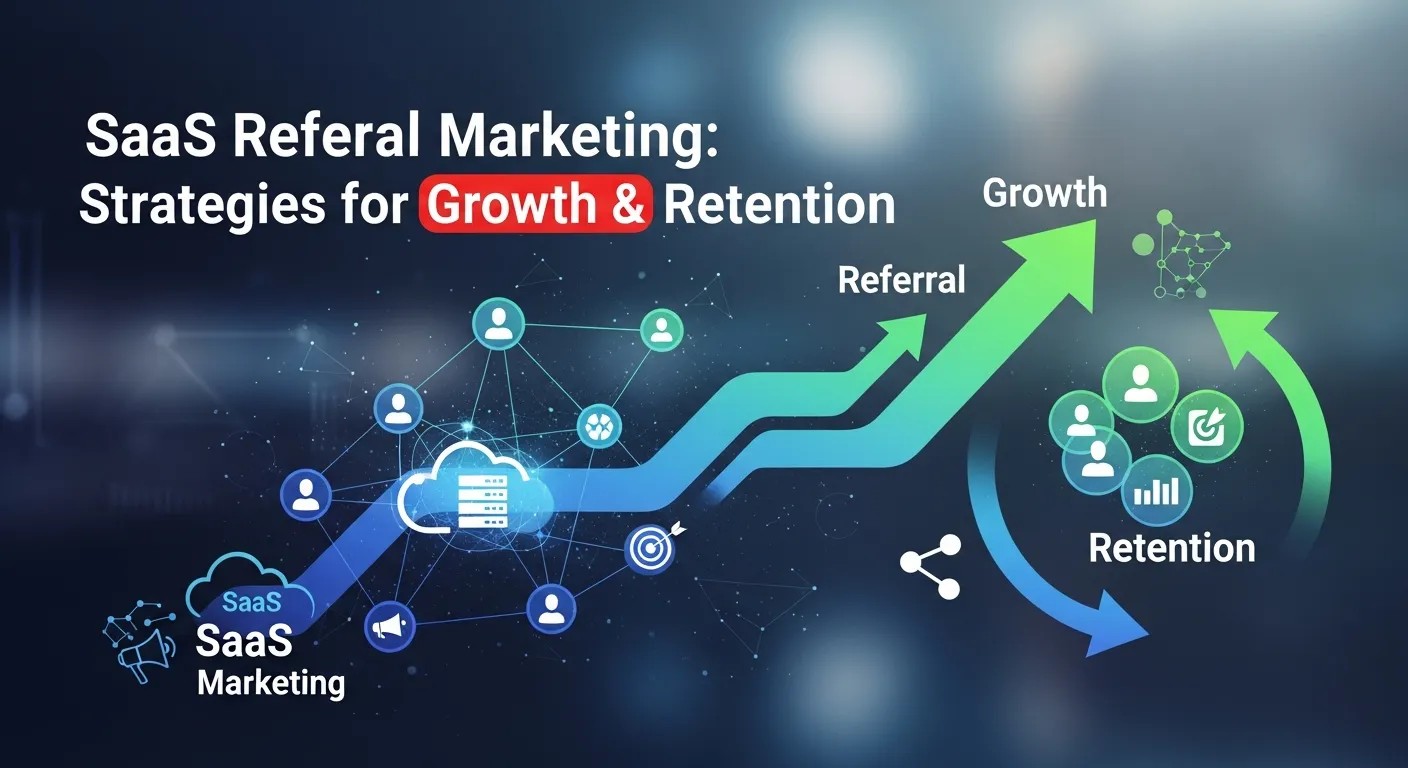
In today’s digital landscape, SaaS referral marketing has emerged as one of the most powerful strategies for customer acquisition and retention. With acquisition costs rising across paid channels, software providers are turning to their existing user base to drive growth through authentic word-of-mouth recommendations. When customers who love your product become active promoters, they bring in high-quality leads at a fraction of the cost of traditional advertising. Businesses that prioritize and refine their referral programs will see improved customer lifetime value, stronger brand advocacy, and lower churn rates.
Referral marketing for SaaS thrives on social proof: a prospect is far more likely to convert when a trusted peer shares their experience. Today, companies of every size are designing turnkey referral experiences that seamlessly integrate into onboarding flows, dashboards, and mobile apps. By offering meaningful incentives to both referrers and referees, SaaS providers can create a self-reinforcing loop of engagement and growth. This comprehensive guide will walk you through the benefits of a robust referral program, outline proven tactics, and provide step-by-step advice to launch, measure, and optimize your own initiative.
Why Referral Marketing Resonates with SaaS Audiences
Trust remains the cornerstone of effective marketing, and referral marketing leverages trust at its very core. According to a Harvard Business Review analysis, consumers are three times more likely to trust peer recommendations than paid advertisements. In the context of SaaS, where prospects evaluate subscription plans and technical features, seeing endorsements from actual users can dramatically shorten sales cycles and boost conversion rates.
Furthermore, referral marketing introduces built-in virality. Each satisfied customer has the potential to invite colleagues and industry peers, creating exponential reach without proportional increases in budget. Companies that harness this organic spread will reduce their customer acquisition cost (CAC) significantly. With every successful referral, you not only gain a new user but also strengthen the bond with the referring customer, who feels rewarded and recognized.
Alignment of incentives is another key reason why SaaS referral marketing excels. When both referrer and referee receive tangible benefits such as account credits, subscription extensions, or premium feature unlocks engagement tends to soar. This double-sided reward structure transforms passive users into active ambassadors. Finally, referred customers often exhibit higher lifetime value and lower churn rates because they start their journey with positive expectations, clear use cases, and a personal endorsement from someone they trust.
Key Advantages of a Well-Designed SaaS Referral Program
Implementing a structured referral initiative yields a variety of strategic benefits for SaaS businesses. First and foremost, you’ll see a marked reduction in CAC. Research from the U.S. Small Business Administration indicates that word-of-mouth referrals can cost up to 50% less than paid marketing channels, while delivering conversion rates that outperform typical display or search campaigns.
Second, referral programs accelerate growth. Incentivized users actively spread the word, creating a steady pipeline of qualified leads. Over time, this predictable referral flow allows you to scale marketing efforts efficiently. Third, users who participate in referral programs tend to become more engaged with your product. They explore features more deeply, collaborate with peers, and contribute feedback, further enhancing your platform’s value proposition.
Finally, referral contenders become powerful brand advocates. Their testimonials and success stories resonate within their professional networks, elevating your company’s credibility and positioning you as a trusted solution provider. In today’s crowded SaaS marketplace, strong brand advocacy can be the differentiator that drives market share and long-term loyalty.
How Trust Signals Accelerate User Referrals
Modern growth systems rely heavily on credibility, and one of the strongest drivers of conversions is social validation. When potential users see real reviews, testimonials, and peer endorsements, their hesitation decreases significantly. This effect becomes even more powerful when integrated into onboarding emails, landing pages, and in-app messaging. Businesses that strategically highlight customer success stories often experience higher engagement and faster decision-making from prospects.
A key reason this works is because people trust other users more than branded messaging. When a satisfied customer shares their experience publicly, it creates a ripple effect of confidence across their network. This is especially effective in SaaS products where decision-makers look for risk-free validation before subscribing. Embedding structured proof points like ratings, case studies, and user-generated content further strengthens credibility.
In fact, Social Proof Strategies to Supercharge Referral Marketing often focus on positioning user success at every stage of the journey. When prospects consistently see real-world results, they become more open to trying the product and eventually sharing it with others. This creates a continuous loop of trust and advocacy that fuels long-term growth without heavy ad spending.
Blueprint to Launch Your SaaS Referral Campaign
Define Clear Objectives
Begin by identifying precise goals for your referral program. Are you targeting new user acquisition, upselling freemium subscribers, or reducing churn among existing accounts? Quantify success metrics, such as achieving 25% of monthly signups through referrals within the next quarter. Establishing these benchmarks ensures alignment across marketing, sales, and customer success teams.
Choose Incentives That Resonate
Incentives are the engine of a referral campaign. For SaaS, popular options include subscription credits, extended free trials, or exclusive access to advanced features. Consider a double-sided reward system so both parties benefit. You might offer a one-month credit to both the referrer and the referee upon successful activation. For high-growth campaigns, a tiered rewards model where additional perks unlock after multiple referrals can inject a gamified element that drives ongoing advocacy.
Seamlessly Integrate into User Workflows
User experience plays a critical role in referral adoption. Embed referral prompts within the product dashboard, onboarding emails, and help center articles. Provide pre-populated messages for email, SMS, and social media that users can customize. The fewer steps required to send an invite, the higher your participation rate will be.
Promote Strategically
Visibility is vital for program uptake. Announce your referral initiative through targeted email campaigns, in-app notifications, blog posts, and social channels. Highlight success stories with real metrics to demonstrate impact. Regular reminders—especially after users achieve milestones or express positive feedback—will keep the program top of mind without feeling intrusive.
Leverage Automation and Analytics Tools
Automation platforms like ReferralCandy, Viral Loops, and FriendBuy streamline tracking, messaging, and reward distribution. For deeper integration, CRM systems such as HubSpot and Intercom can orchestrate personalized outreach based on user behavior. Set up dashboards to monitor key metrics in real time, enabling swift adjustments and data-driven decision-making.
Measuring Success and Refining Your SaaS Referral Strategy
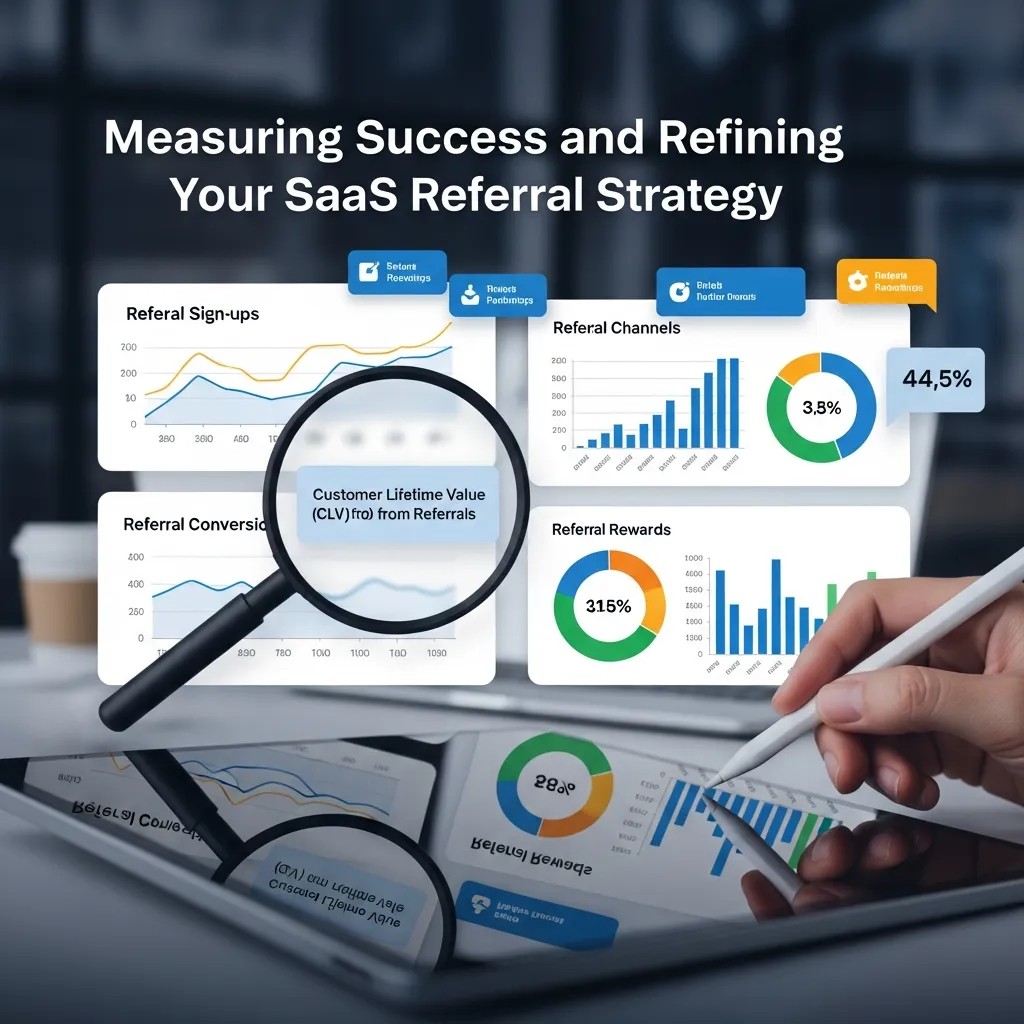
Continuous measurement is the backbone of sustainable growth for any referral program. Start by tracking the referral conversion rate the percentage of sent invites that turn into active signups. This metric reveals the effectiveness of your messaging and incentive alignment. Equally important is the cost per referral, calculated by dividing total reward expenses by the number of successful referrals. Monitoring this figure ensures your program remains cost-effective compared to other acquisition channels.
Another crucial indicator is the referral revenue share, which represents the percentage of overall revenue attributable to referred users. A rising share signifies that your referral engine is fueling meaningful business impact. You should also measure time to first referral, which shows how quickly new users invite others after onboarding. Shorter intervals indicate a strong product experience and clear referral prompts.
Employ A/B testing to optimize incentive types, messaging templates, and placement of referral prompts. For example, test different subject lines in referral emails or experiment with social share buttons versus direct link copying. Regular feedback surveys with both referrers and referees will surface friction points and improvement opportunities. By iterating on these insights, you can fine-tune your approach for maximum efficiency.
Avoiding Pitfalls and Ensuring Program Integrity
While referral marketing can be highly rewarding, there are common traps to watch out for. Overcomplicating the process with too many steps or criteria will discourage participation. Aim for a frictionless experience: a single-click share or pre-filled template can dramatically boost usage. Additionally, misaligned incentives—such as rewards perceived as low value—will lead to sluggish adoption. Research your target audience’s preferences and tailor rewards accordingly.
Fraud prevention is another critical consideration. Monitor for suspicious patterns like multiple accounts from the same IP address or rapid-fire referrals. Implement email verification and usage thresholds such as requiring referees to complete a certain action before the referrer earns a reward. This approach maintains program integrity and protects your budget.
Finally, don’t neglect ongoing communication. Automated reminders and status updates keep participants engaged and informed about pending rewards. Recognize top referrers publicly through newsletters or social channels to reinforce their contributions and inspire others to participate.

Conclusion
In summary, SaaS referral marketing represents an efficient, scalable, and authentic way to grow your user base today. By establishing clear objectives, selecting resonant incentives, and integrating the referral process into everyday workflows, you can harness the power of social proof to lower acquisition costs and boost retention. Consistent measurement and optimization backed by automation tools ensure your program evolves with user behavior and market dynamics. Avoid common pitfalls by simplifying the referral flow, safeguarding against fraud, and maintaining active communication with participants.
This year, companies that invest in well-designed referral campaigns will stand out in the crowded SaaS landscape, turning satisfied customers into passionate brand ambassadors. Get started with a pilot program, iterate based on data, and watch as your most loyal users help you unlock sustainable growth and long-term success.
Frequently Asked Questions (FAQ)
What is a good referral conversion rate for SaaS?
A solid referral conversion rate for SaaS programs typically falls between 5% and 15%. However, this can vary by industry, incentive structure, and user engagement. Continuous A/B testing and optimization help push this metric higher over time.
How do I choose the right incentives for my referral program?
Start by surveying your users or analyzing customer data to understand which perks they value most. Common SaaS incentives include account credits, service upgrades, exclusive feature access, or extended free trials. A double-sided reward ensures both referrer and referee stay motivated.
Which metrics should I prioritize when measuring referral success?
Key metrics include referral conversion rate, cost per referral, referral revenue share, and time to first referral. Tracking these indicators reveals program efficiency, ROI, and user engagement patterns.
How can I prevent fraud in my referral program?
Implement safeguards such as email verification, usage thresholds, and IP monitoring to detect suspicious activity. Require referees to complete meaningful actions—like product activation—before releasing rewards to referrers.
When is the best time to prompt users for referrals?
Timing is crucial. Trigger referral prompts when users achieve value milestones—such as completing onboarding, reaching usage thresholds, or expressing positive feedback. This ensures they’re enthusiastic and more likely to share.