
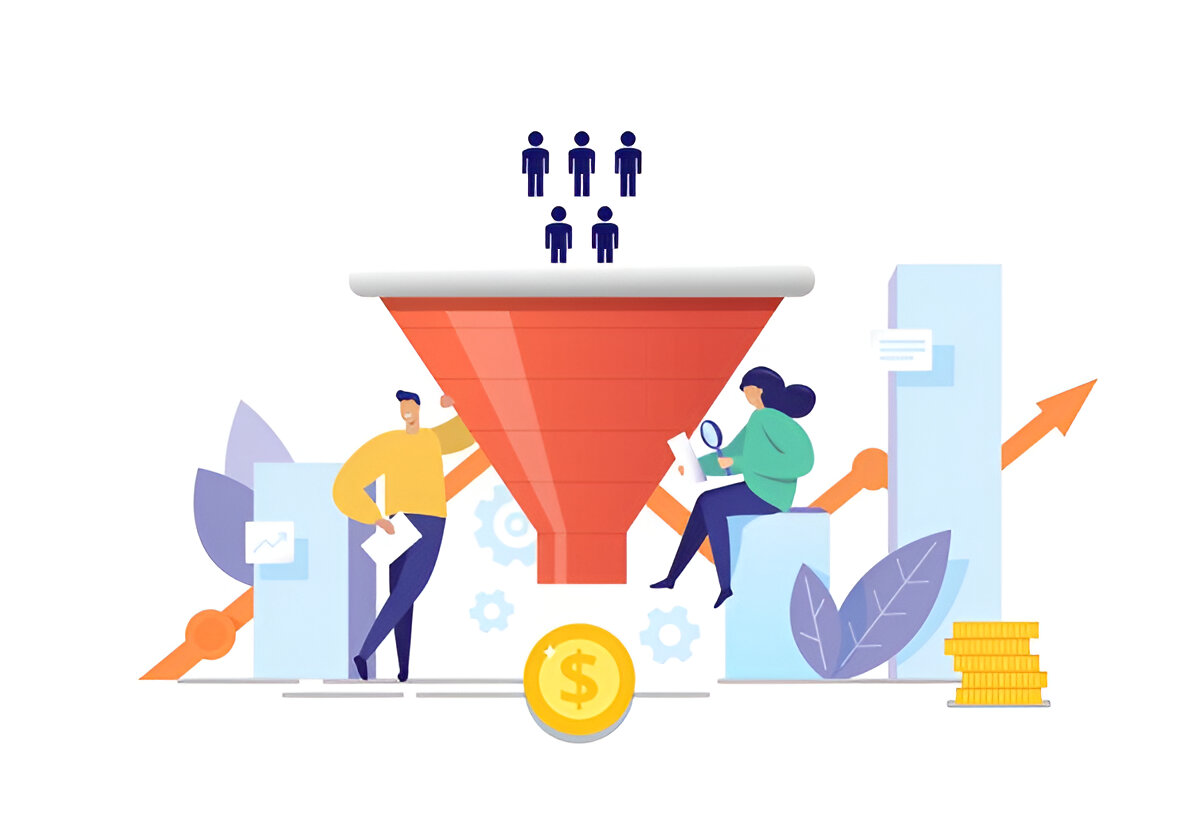
This guide explains how to build an effective referral marketing funnel, from identifying advocates and offering incentives to optimizing, promoting, leveraging social proof, and rewarding loyalty, helping businesses increase referrals, engagement, and sustainable growth.
Marketing funnel strategies like referral-based marketing are some of the savviest things a company can do for scale. Why? Here’s why — it enables word of mouth, which is generally more powerful and persuasive than basic advertising. Referral marketing is one of the oldest forms of marketing, and studies have found that 92 percent of people trust referrals from people they know, making it one of the best ways to get leads and new customers.
But you can grab referrals by the horns; it’s not enough to let happy customers play telephone for you. What you do need is a good referral marketing funnel in place. This guide is going to cover the fundamental steps for creating a referral marketing funnel that is not only going to bring you new customers but also help you keep those you currently have engaged and loyal.
Step 1: Setting Clear Goals
Before diving in too deep into the mechanics of a refer-a-friend marketing funnel, take a moment to step back and back what you want. Defining the objectives of your referral program will be your roadmap throughout the entire process.
So, what should your goals look like?
You want goals that are specific, measurable, achievable, relevant, and time-bound (SMART). Rather than defining a goal that is vague, such as “increase my referrals,” define it as something measurable: “30% increase in my customer referrals over the next 3 months.”
Referral marketing goals are typically:
- Getting an exact number of new customers.
- Raising the lifetime value of a customer (CLV).
- Enhance brand identity and visibility.
- Lowering the cost to acquire new customers (CAC).
Clear goals will not only allow you to measure progress, but also keep you honest and focused on a program that works.
Step 2: Who Are Your Advocates?
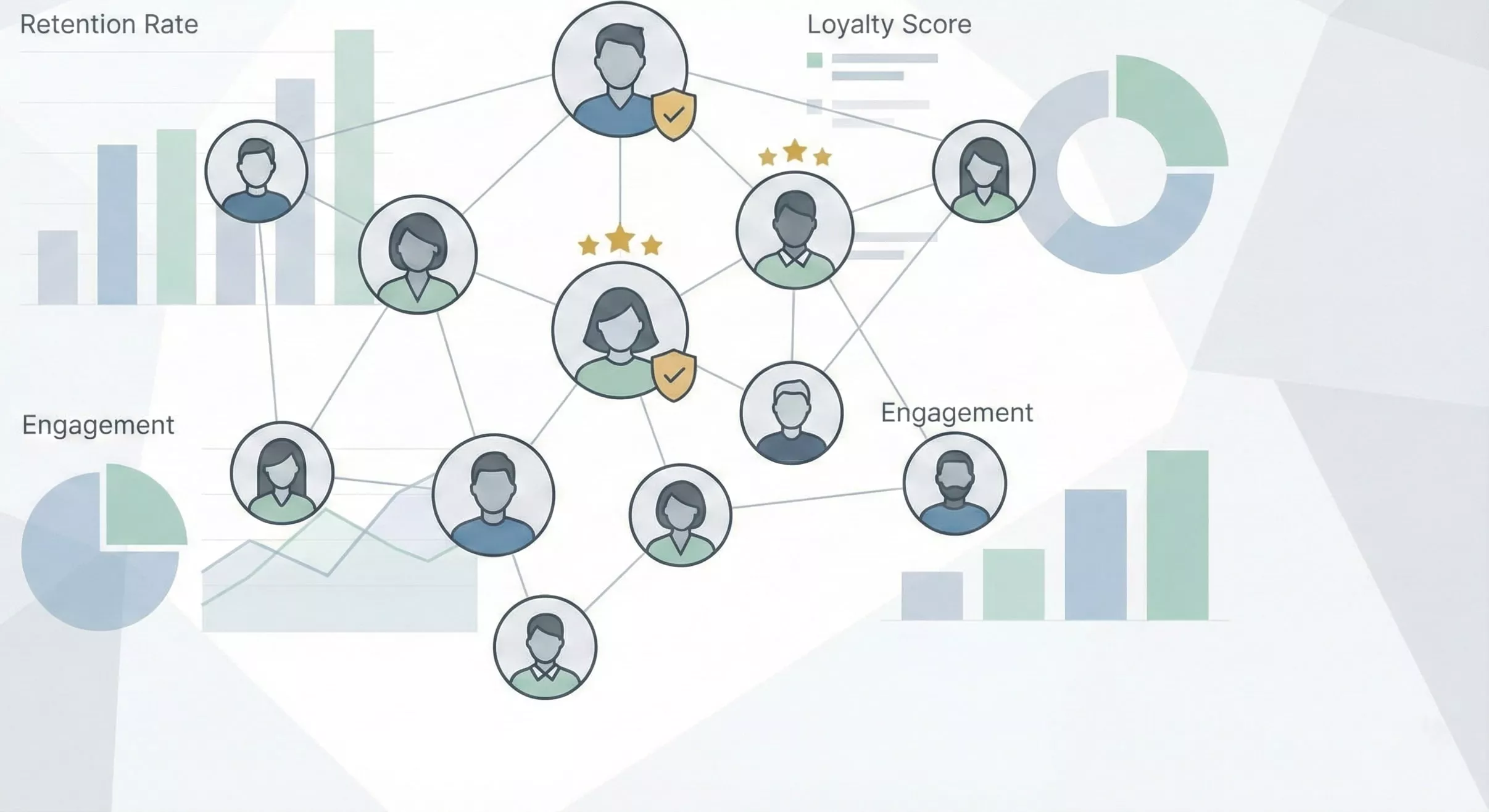
There is one primary growth engine for referral programs: your existing customers. That is, your true fans who are so enamored with your product or service that they want to let others know about it. But how do you tell those advocates?
Spot your biggest fans using data
Take a deep dive into your customer base for loyalty signs. Indicators such as repeat purchases, a high Net Promoter Score (NPS), or regular engagement with your brand can identify someone who is likely to refer someone else to you.
Ask yourself:
- Who are my happiest customers?
- Who refers the good patients or has good testi-m o ni a l s – e a r i n g clients?
- Who follows our brand on social or in email campaigns?
You all are one of the first people who should be advocates for your business, because you are the most passionate about it: the fact that customers want to refer your service elsewhere is a sign that you’ve done a great job for them.
Step 3: Make The Bait Alluring
People love to win, and they love to be rewarded, so any good referral marketing funnel will have easy-to-understand incentives that make people excited to work with you. The concept is to provide a win-win situation for both the referrer (the person telling people about you) and the referee (your friend or colleague).
What kind of referral incentives to offer:
- Cash rewards: Money off a purchase, cash bonuses or store credit. For instance, provide $10 off to the referrer and referee.
- Exclusive benefits: VIP memberships, free upgrades, or exclusive products or services.
- Experiences: Such as complimentary passes to an event, a personal consultation or some bespoke gifts that represent your brand values.
Reward simply, and be consistent with it.
The best refer-a-friend programs articulate what exactly the rewards are in clear and simple terms. People should know precisely what they will receive and when. For example: “Refer a friend, and you’re each rewarded with $20 credit when they make their first purchase” is concrete and actionable, and easy to understand.
Step 4: Implementing Tracking
Step 4: Monitor the Performance of Your Referral Program. After you have established your referral program, you need to monitor its performance. By following the funnel closely, you can figure out what tactics are working and adjust strategies accordingly.
Leverage digital tools
3-Implement referral tracking software. It’s best to automate the process via software specifically built for tracking referrals. Applications like ReferralCandy, Post Affiliate Pro, and Referral Factory can allocate a unique code or link to each advocate, making it simple to track and attribute referrals.
What should you monitor?
- Referral Source: Where did the referral come from?
- CONVERSION RATIO: How many of the referrals actually took action and became paying customers?
- ROI: Higher rewards for the investment.
From monitoring and reporting on these metrics, you will be able to determine how your program is performing and where to make adjustments.
Step 5: Optimize the Referral Funnel Continuously
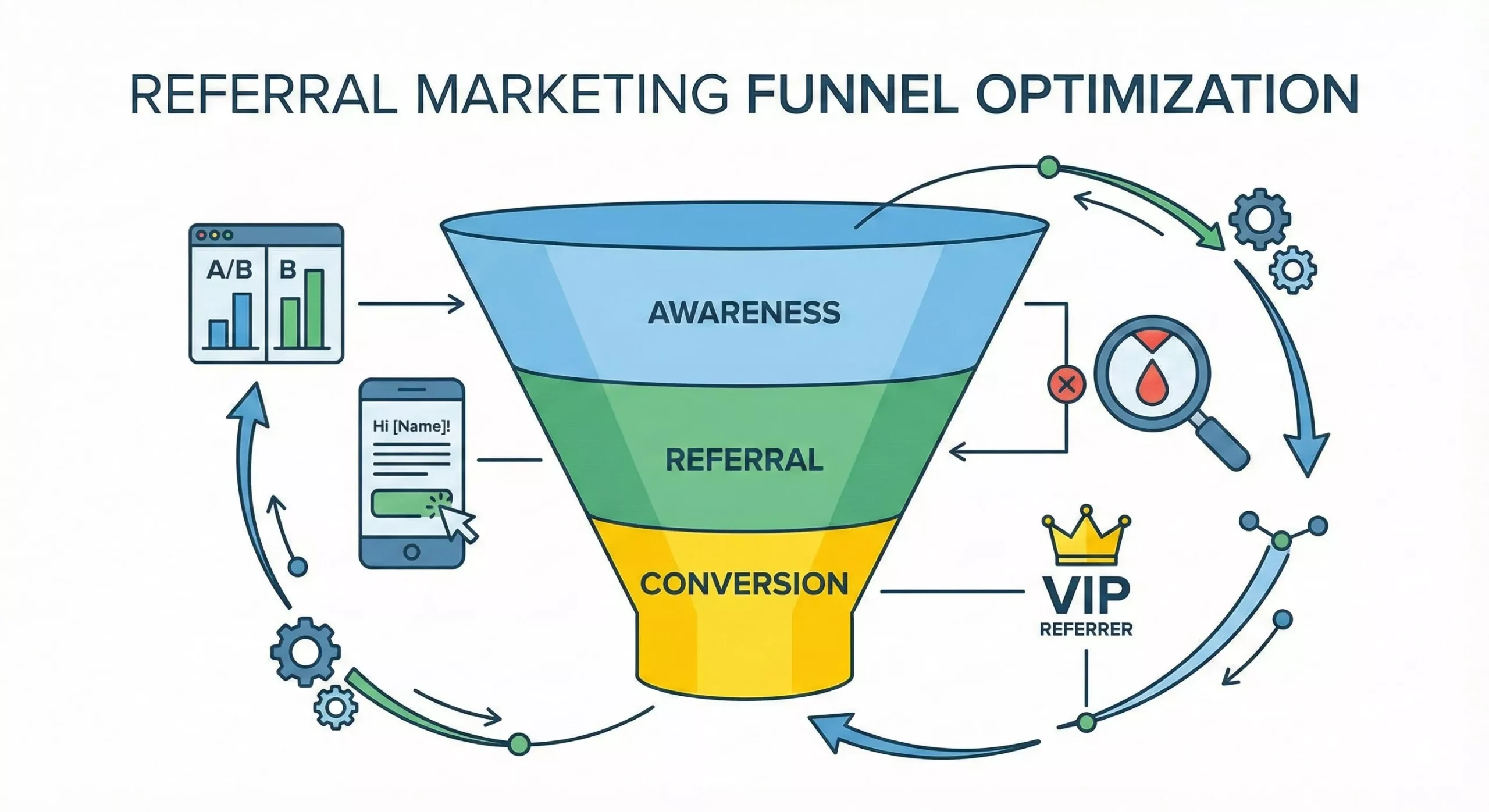
Building a referral marketing funnel isn’t a one-and-done task. For maximum impact, you need to continuously optimize each stage of the funnel. Small improvements in communication, reward structure, or user experience can have a significant effect on participation and conversions.
Key Optimization Strategies
- A/B Test Incentives: Try different reward types or amounts to see which generates more referrals.
- Refine Messaging: Personalize emails, notifications, and social posts to make them more engaging.
- Simplify the Process: Reduce steps in sharing referrals—one-click sharing and auto-filled forms increase participation.
- Segment Your Advocates: Identify top referrers and provide them with VIP perks or exclusive incentives.
- Track Drop-Off Points: Monitor where potential referrers abandon the process and remove friction.
Example: If you notice most customers drop off at the reward redemption stage, simplifying the claim process or sending reminder emails can increase completed referrals by 20% or more.
By consistently analyzing and optimizing your funnel, you turn a good program into a high-performing referral machine.
Step 6: Promotion
You’ve got yourself a killer referral program, but no one’s going to join it if they don’t know it exists. The next challenge is getting the word out to your customers.
Announce your program widely
- Email: Email campaigns, Target market your already existing customers with the benefits of easy referral.
- Social media updates: Let everyone know via beautiful images and a kick-ass caption on Instagram, Twitter, LinkedIn and Facebook.
- Website banners: Embed attention-grabbing banners on your website that will take visitors to your referral sign-up page.
Strengthen the call-to-action
Use power-packed language in your promotions. For example:
- “Refer a Friend and Get Rewarded!”
- “Love our service? Share it and get special benefits!”
Take advantage of onboarding
If you are bringing on new customers, make sure to bring in your referral program as early as possible in the onboarding process. And pair it with welcome emails so that customers have the opportunity to engage from day one.
Step 7: Leverage Social Proof to Boost Participation
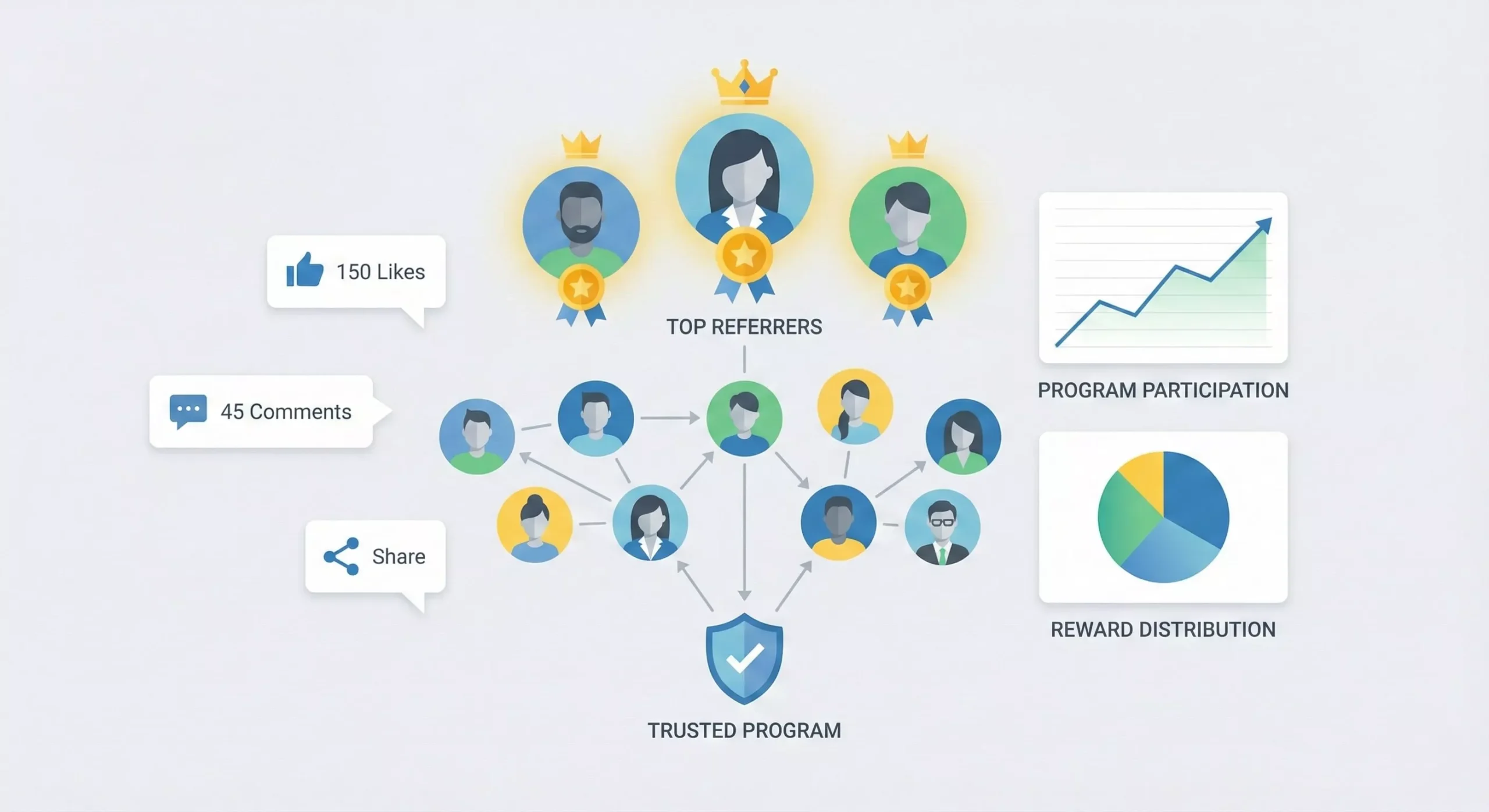
Social proof is one of the most powerful psychological triggers in referral marketing. When potential referrers see that others are already participating and getting rewards, they’re much more likely to join in themselves.
Ways to Use Social Proof in Your Funnel
- Showcase Top Referrers: Highlight your most active advocates with recognition on your website or emails.
- Share Testimonials: Include short quotes from customers who benefited from your referral program.
- Display Participation Metrics: Show how many customers have joined or how many rewards have been claimed.
- User-Generated Content: Encourage participants to post their referral experiences on social media, tagging your brand.
Example Table: Social Proof Ideas
| Social Proof Type | How to Use It | Benefit |
|---|---|---|
| Top Referrers | Feature monthly leaderboard | Motivates competition and engagement |
| Testimonials | Include in emails or landing pages | Builds trust and encourages sign-ups |
| Participation Numbers | Show total referrals or rewards claimed | Creates FOMO (Fear of Missing Out) |
| Social Shares | Highlight user-generated content | Expands program reach organically |
By integrating social proof into your referral funnel, you not only increase engagement but also reinforce trust, making your referral program more persuasive and effective.
Step 8: Reward Loyalty to Encourage Repeat Referrals
A strong referral program doesn’t just incentivize a single referral—it encourages repeat referrals. Recognizing loyal referrers ensures they stay motivated and continue to bring in new customers.
Strategies to Reward Loyalty
- Tiered Rewards: Offer increasing incentives for multiple referrals (e.g., refer 1 friend = $10, refer 5 friends = $60).
- Exclusive Perks: VIP access, early product releases, or special recognition for top referrers.
- Gamification: Introduce badges, leaderboards, or progress bars to track referral milestones.
- Surprise Bonuses: Random rewards for consistent referrers can keep engagement high.
Example: A software company might give a free month of service for the first referral, and unlock additional features for every 5 referrals afterward.
Rewarding loyalty creates a cycle of ongoing advocacy, which keeps your referral funnel productive and sustainable.
Step 9: Analyze and Refine Your Funnel Regularly
Even the best referral funnels need periodic review and refinement. Regular analysis ensures your program stays effective as your business and audience evolve.
What to Analyze
- Referral Conversion Rate: How many referred customers actually become paying customers?
- Cost vs. Reward: Is the incentive structure still financially sustainable?
- Participation Trends: Are certain referral channels performing better than others?
- Customer Feedback: Are referrers and referred customers satisfied with the process?
How to Refine
- Adjust rewards to align with current customer motivations.
- Update marketing messaging to reflect trends and seasonal opportunities.
- Test new channels or social platforms to expand reach.
- Simplify steps or improve UX if you notice drop-offs in the funnel.
Tip: Schedule a quarterly review to keep the funnel optimized and ensure long-term ROI.
Regular analysis and refinement make your referral program agile, relevant, and profitable over time.
Create Your Funnel, Create Your Growth
A referral marketing funnel leverages the magic of satisfied customers to spur sustainable growth. With specific goals in place, heroes to rally around, and offers too good to pass up, you can build a cycle that constantly brings more customers in the front door while retaining the ones you already have.
Be sure to measure and promote your program to keep participation high. A properly constructed funnel doesn’t just attract new business; it transforms your clients into ambassadors for your brand.
Are you ready to turbocharge your referral program? Start trying out these tactics today, and see your business boom with happy customers who bring in more happy customers. It’s simple, sustainable growth that’s also cost-effective.
FAQ: Referral Marketing Funnel
Q1: What is a referral marketing funnel?
A: A referral marketing funnel is a structured process that guides existing customers to refer new customers, tracks those referrals, and converts them into paying customers. It combines incentives, promotion, tracking, and optimization for maximum results.
Q2: Why should small businesses use a referral funnel?
A: Referral funnels leverage existing customers’ trust to generate high-quality leads, lower customer acquisition costs, and increase brand loyalty. They are cost-effective and can scale as your business grows.
Q3: What types of incentives work best in referral programs?
A: Common incentives include:
- Cash rewards or discounts
- Store credit or gift cards
- Exclusive access, VIP perks, or free upgrades
- Experiences, like event passes or consultations
The key is to create a win-win situation for both the referrer and the referred customer.
Q4: How do I identify potential advocates?
A: Look for customers who show strong loyalty, frequent engagement, high Net Promoter Scores (NPS), repeat purchases, or positive reviews/testimonials. These are your most likely referrers.
Q5: What tools can I use to track my referral funnel?
A: Popular referral tracking software includes:
- ReferralCandy
- Post Affiliate Pro
- Referral Factory
These tools assign unique codes or links to advocates, making tracking and reward distribution simple.
Q6: How do I promote my referral program effectively?
A: Promotion strategies include:
- Email campaigns targeting existing customers
- Social media posts with engaging visuals and clear CTAs
- Website banners or pop-ups directing visitors to sign up
- Including the program in onboarding emails for new customers
Q7: How can I optimize my referral funnel over time?
A: Optimization involves:
- A/B testing different incentives and messaging
- Segmenting your advocates for personalized rewards
- Reducing friction in the referral process
- Monitoring conversion rates, ROI, and participation trends
Q8: How does social proof help increase referrals?
A: Highlighting top referrers, testimonials, participation metrics, and user-generated content builds trust and encourages others to join, leveraging the psychological effect of social proof.
Q9: How often should I review my referral program?
A: Ideally, schedule a quarterly review to analyze performance metrics, assess incentives, identify bottlenecks, and refine your funnel for maximum ROI.
Q10: Can referral programs be combined with other marketing strategies?
A: Absolutely. Referral programs complement email marketing, social media campaigns, loyalty programs, and even paid advertising by boosting engagement, acquisition, and retention simultaneously.
The Secret Weapon for Growth: Why Referral Marketing is a Must-Have Strategy