
Luxury Brand Referral Marketing turns client trust into elegant growth by rewarding advocacy, protecting exclusivity, and using refined referral experiences that feel worthy of premium attention.
Luxury buyers rarely respond to loud promotions. They respond to trust, taste, service, and social proof. Luxury Brand Referral Marketing works because it turns those values into a growth system that feels natural to premium audiences.
In a luxury category, the referral is not just a sales tactic. It is an extension of identity. When a client recommends a brand, they are associating their own taste and judgment with that brand. That makes every recommendation more powerful than a standard advertisement, but also more fragile. Luxury Brand Referral Marketing has to protect the feeling of prestige at every step.
A great referral strategy for a luxury brand should feel private, curated, and rewarding without becoming cheap or transactional. The point is not to create mass sharing. The point is to inspire the right people to introduce the brand to the right other people in a way that preserves exclusivity.
Why referrals work so well in luxury
Luxury customers often rely on peer signals because the purchase is partly emotional and partly social. Luxury Brand Referral Marketing works because it activates trust between people who already share a similar standard of taste.
Prestige brands also benefit from referral behavior because people like to share discoveries that make them look informed. A well-designed referral experience gives the client a way to share value without feeling like they are pushing a sale. That subtle difference matters enormously in high-end markets.
Luxury Brand Referral Marketing also works because it reduces risk. High-value purchases often require reassurance. People want confidence that they are choosing something worthy of the price, the occasion, and the identity they want to project. A referral lowers hesitation by adding a layer of personal endorsement.
The psychology behind premium referral behavior
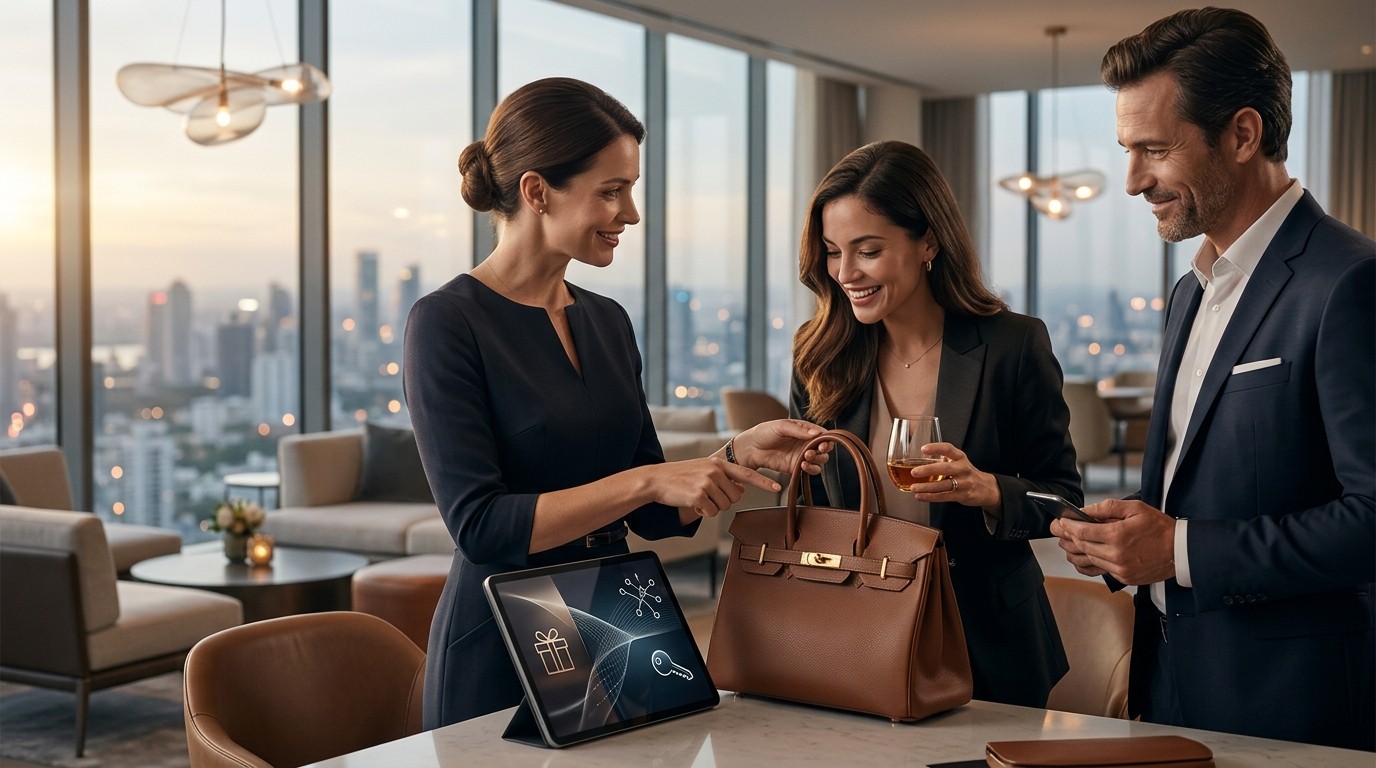
Referral behavior in luxury is driven by status, belonging, discretion, and affirmation. Luxury Brand Referral Marketing succeeds when it respects all four. A client wants to feel special, not marketed to. They want recognition, not pressure. They want to share selectively, not publicly broadcast a promotion.
Luxury referrals often happen because the referrer enjoys being a curator. They like introducing someone to a beautiful product, a rare service, or an exceptional experience. The referral gives them a way to express taste. Luxury Brand Referral Marketing should support that instinct with elegant language and meaningful rewards.
There is also a subtle psychological effect called signaling. When someone refers a luxury brand, they signal their access, sophistication, and confidence. The best programs understand that the referrer is part of the brand story. Luxury Brand Referral Marketing should therefore make the referral feel like a compliment, not a coupon code.
What makes luxury referral programs different
A mass-market referral system can use broad incentives, aggressive reminders, and public sharing mechanics. Luxury Brand Referral Marketing requires a different approach. The experience must feel more selective, more refined, and more aligned with the brand’s values.
Instead of pushing a generic discount, premium brands often use upgrades, private access, limited experiences, or tailored privileges. Those rewards feel more appropriate because they preserve brand perception. They say, “You belong here,” rather than, “Please sell this for us.”
Luxury Brand Referral Marketing also differs in tone. The copy, visuals, and follow-up should sound calm and assured. The brand should not sound desperate for leads. High-end audiences can sense when a company is overreaching, and that can weaken trust very quickly.
Strategic foundations
Before launching a referral initiative, a luxury brand should define what kind of growth it wants. Luxury Brand Referral Marketing should support acquisition quality, not just volume. The best referrals are from clients who are aligned with the brand’s taste, budget, and expectations.
That means the first step is audience clarity. Which clients are most likely to refer? Which prospects are most valuable? Which experiences are most shareable? A strong strategy answers those questions before creating the offer.
Luxury Brand Referral Marketing should also connect to customer lifetime value. If referrals bring in the wrong audience, the program may generate weak leads that cost more to serve than they are worth. Luxury growth is not about any referral. It is about the right referral.
Building a premium referral journey
The referral journey should feel effortless. A client should understand the invitation, know what to say, and feel that the process enhances their relationship with the brand. Luxury Brand Referral Marketing performs best when the steps are elegant and simple.
First, make the invitation clear and dignified. Then make the sharing process easy and discreet. Then make the reward feel worthy. Finally, follow through with personal acknowledgment. Each step should reinforce the feeling that the client is part of an exclusive circle.
The journey matters because luxury is emotional. If the process feels clumsy, noisy, or overexposed, the value perception drops. Luxury Brand Referral Marketing succeeds when the mechanics disappear into the experience.
Designing rewards that protect prestige
In luxury, the reward must be carefully chosen. Luxury Brand Referral Marketing should avoid incentives that cheapen the brand, such as excessive discounts or overly aggressive urgency. The reward should feel like access, appreciation, or enhancement.
Examples of prestige-friendly rewards include private consultations, early access to new collections, elevated packaging, VIP invitations, personalized service, or limited-edition benefits. These rewards fit the expectation of luxury because they add value without sounding like a clearance tactic.
Luxury Brand Referral Marketing should also respect the emotional reward. Sometimes recognition matters more than material benefit. A handwritten note, exclusive acknowledgment, or concierge-style thank-you can carry more weight than a generic cash incentive.
Where trust is built
Trust in luxury grows through consistency, service, and social proof. Luxury Brand Referral Marketing should amplify those strengths rather than invent new ones. When the brand already delivers exceptional experience, referrals feel like a natural extension of reality.
Every touchpoint should reinforce confidence. The landing page should look polished. The email should sound refined. The thank-you message should feel sincere. The reward should arrive as promised. The more reliable the experience, the more likely a client is to refer again.
Luxury Brand Referral Marketing is strongest when the brand’s promise and the referral experience match perfectly. People refer brands that make them feel smart, valued, and understood. If the experience breaks that feeling, referral momentum fades.
A useful comparison table
| Element | Mass-market referral style | Luxury referral style |
|---|---|---|
| Tone | Loud, promotional, urgent | Calm, refined, selective |
| Reward | Cash discounts, coupons | Access, upgrades, exclusivity |
| Audience | Broad and public | Curated and private |
| Messaging | Performance-driven | Relationship-driven |
| Experience | Transactional | Concierge-like |
| Goal | Volume | Quality and alignment |
The role of exclusivity
Exclusivity is not just a marketing trick in luxury. It is part of the product experience. Luxury Brand Referral Marketing should preserve the feeling that access is meaningful. That means the referral offer should not look like something everyone can casually claim.
Exclusivity can be created through time-limited access, membership-based invitations, private events, or rewards reserved for specific client tiers. The key is to make the client feel that they are sharing something special, not public.
Luxury Brand Referral Marketing becomes stronger when the referrer feels like an insider. The emotional value of being able to bring someone into the brand world often matters more than the literal reward itself.
Tone and language matter
Luxury audiences are sensitive to tone. Luxury Brand Referral Marketing should use language that feels polished but human. The copy should avoid hype, slang, and exaggerated claims. It should sound calm, clear, and confident.
A luxury referral message should read like an invitation, not a demand. It should feel personalized, not automated. It should imply quality without boasting. The more understated the message, the more premium it often feels.
Language also affects perceived value. When words are too promotional, the offer can feel less refined. Luxury Brand Referral Marketing should therefore favor elegance, restraint, and clarity.
Referral emails and subject lines
The email is often the first concrete invitation. Writing B2B Email Subject Lines can teach a useful lesson here: the subject should be clear, relevant, and credible. Luxury Brand Referral Marketing works better when the subject line promises value without sounding pushy.
For a luxury audience, subject lines should be understated. Avoid loud promotional language. Instead, use phrasing that suggests access, appreciation, or a private opportunity. The goal is to invite the open, not force it.
The body copy should then reinforce the same tone. If the subject line feels exclusive but the email body feels generic, the experience loses coherence. Luxury Brand Referral Marketing depends on consistency from the first line to the final call to action.
Referral systems and email journeys
Luxury referral campaigns often benefit from a sequence rather than a single message. Email Follow-Up Sequences are useful when they remain respectful and well-paced. A thoughtful sequence keeps the opportunity visible without making the client feel pressured.
The first email may introduce the idea. The second may emphasize the reward or the kind of person the brand wants to meet. The third may provide a reminder or a story of a successful referral. Each touch should feel useful.
Luxury Brand Referral Marketing should never feel like a generic drip campaign. It should feel curated. That means timing, spacing, and message progression all matter. The sequence should support the client’s decision rather than chase it.
Referral strategy across premium sectors
Luxury referral behavior can look different depending on the category. Jewelry, hospitality, fashion, beauty, travel, interiors, real estate, and professional services each have unique client motivations. Luxury Brand Referral Marketing should adapt to the category instead of applying one template everywhere.
For example, a hotel brand may reward private access or room upgrades. A fashion house may emphasize early collection previews. A design studio may offer a white-glove consultation. The referral reward should feel like it belongs to the world of the brand.
Luxury Brand Referral Marketing gets better when the reward is not only valuable but contextually beautiful. The closer the reward matches the product experience, the more natural the program feels.
Lessons from related industries
There are useful parallels in other relationship-driven categories. Accounting Referral Marketing succeeds when trust, expertise, and discretion are central. That is relevant to luxury because premium audiences also value confidence and professionalism.
Real Estate Referral Marketing offers another parallel. In high-value property, referrals work because buyers and sellers trust recommendations from people who understand the stakes. Luxury brands can borrow that logic by making referrals feel personal, informed, and high-stakes in the best way.
Luxury Brand Referral Marketing can learn from both of these fields. The common lesson is that high-trust, high-value referrals need more than incentives. They need credibility, simplicity, and a reason to believe.
Audience segmentation
Not every client should receive the same referral invitation. Luxury Brand Referral Marketing performs better when the brand segments by purchase history, engagement level, category preference, and relationship depth.
A first-time customer may need a different invitation than a long-term VIP. Someone who has purchased once may need more education about the brand before they feel comfortable sharing it. A repeat client may already be emotionally invested and ready to refer with little encouragement.
Segmentation protects brand experience. It prevents over-messaging and helps the referral feel relevant. Luxury Brand Referral Marketing becomes more elegant when the right people receive the right message at the right time.
Measuring what matters
The most important metric is not just the number of referrals. Luxury Brand Referral Marketing should be evaluated by referral quality, conversion rate, average order value, retention, and the long-term value of referred customers.
A small number of high-quality referrals may outperform a large number of unqualified ones. That is especially true in luxury, where service capacity and brand fit are crucial. The right customer is worth far more than many average ones.
Luxury Brand Referral Marketing should also be measured by brand perception. If the program increases trust, satisfaction, and loyalty, that is a meaningful win even before revenue is counted.
Avoiding common mistakes
One major mistake is making the offer too generic. the luxury referral system loses power when it sounds identical to a mass-market campaign. Another mistake is over-discounting. Too much price emphasis can undermine prestige.
A third mistake is failing to follow through on the promise. Luxury clients notice when a white-glove experience suddenly becomes clumsy after referral submission. That gap can hurt the brand more than a weak offer would.
the luxury referral system should also avoid being too public. High-end clients often prefer discretion. A referral program that feels noisy or overly social may not fit the audience.
Creating the right emotional reward
The emotional reward is often more powerful than the tangible one. Luxury Brand Referral Marketing works because it gives clients a chance to feel generous, recognized, and connected to something special.
That connection can be reinforced through private acknowledgments, early access to a launch, exclusive events, or personalized notes from the brand. These small gestures can have an outsized impact because they affirm the client’s identity and relationship with the brand.
the luxury referral system should make the referrer feel like they have opened a door, not just clicked a link. That feeling turns a one-time referral into ongoing advocacy.
Brand consistency from start to finish
Every element of the referral experience should look and sound like the brand. Luxury Brand Referral Marketing is successful when the landing page, email, reward, and thank-you process all feel part of one premium system.
Consistency matters because luxury buyers notice small details. Typography, imagery, pacing, tone, and service quality all influence the impression. If one part feels off, the whole program feels less credible.
the luxury referral system should therefore be reviewed with the same care as a flagship campaign or product launch. The referral program is part of the brand experience, not a side project.
Building for long-term advocacy
The best referral programs do more than generate leads. the luxury referral system should make it easy for a happy client to stay connected, keep sharing, and feel increasingly close to the brand over time.
That can mean ongoing recognition, tiered appreciation, or special access for repeat referrers. The point is to deepen the relationship. Advocacy becomes stronger when the client feels seen and valued across multiple interactions.
the luxury referral system is ultimately a relationship strategy. Revenue follows when the relationship is strong enough to support enthusiastic and credible recommendations.
A strategic framework for launching
A useful launch framework starts with audience selection, then offer design, then messaging, then tracking. the luxury referral system should not begin with the reward. It should begin with the client experience and the brand promise.
First, define the ideal referrer. Second, define the ideal referred customer. Third, decide what reward fits the brand. Fourth, create the invite and follow-up sequence. Fifth, test and refine. That order keeps the program disciplined.
the luxury referral system works best when every step is intentional. Luxury clients can sense when something has been designed carelessly. Careful planning creates confidence, and confidence drives sharing.
How to keep the program elegant
Elegance comes from restraint. the luxury referral system should not crowd the client with too many steps, too much language, or too many rules. The program should feel simple to understand and pleasant to use.
The design should avoid clutter. The messaging should avoid hype. The reward should avoid cheapness. The support experience should avoid friction. Every decision should ask one question: does this preserve the feeling of luxury?
the luxury referral system becomes more effective when the answer is yes. The more the program feels like a natural extension of the brand, the more likely clients are to participate.
Integration with content, service, and community
the luxury referral system works even better when it is supported by editorial content, exceptional service, and community touchpoints that make the client feel included.
A client who reads a beautifully written story, experiences white-glove service, and joins a meaningful brand event is more likely to refer than someone who only receives a transactional reminder.
the luxury referral system should therefore be woven into the broader customer journey, not isolated as a standalone campaign.
How to scale without losing the premium feel
Scaling is possible only if the system remains disciplined. the luxury referral system should use templates, workflows, and rules that make the experience repeatable without making it generic.
Automation can support reminders, tracking, and reward delivery, but the visible experience should still feel personal. That balance is where premium programs succeed.
the luxury referral system should scale in a way that increases consistency, not noise.
Using data without reducing the brand
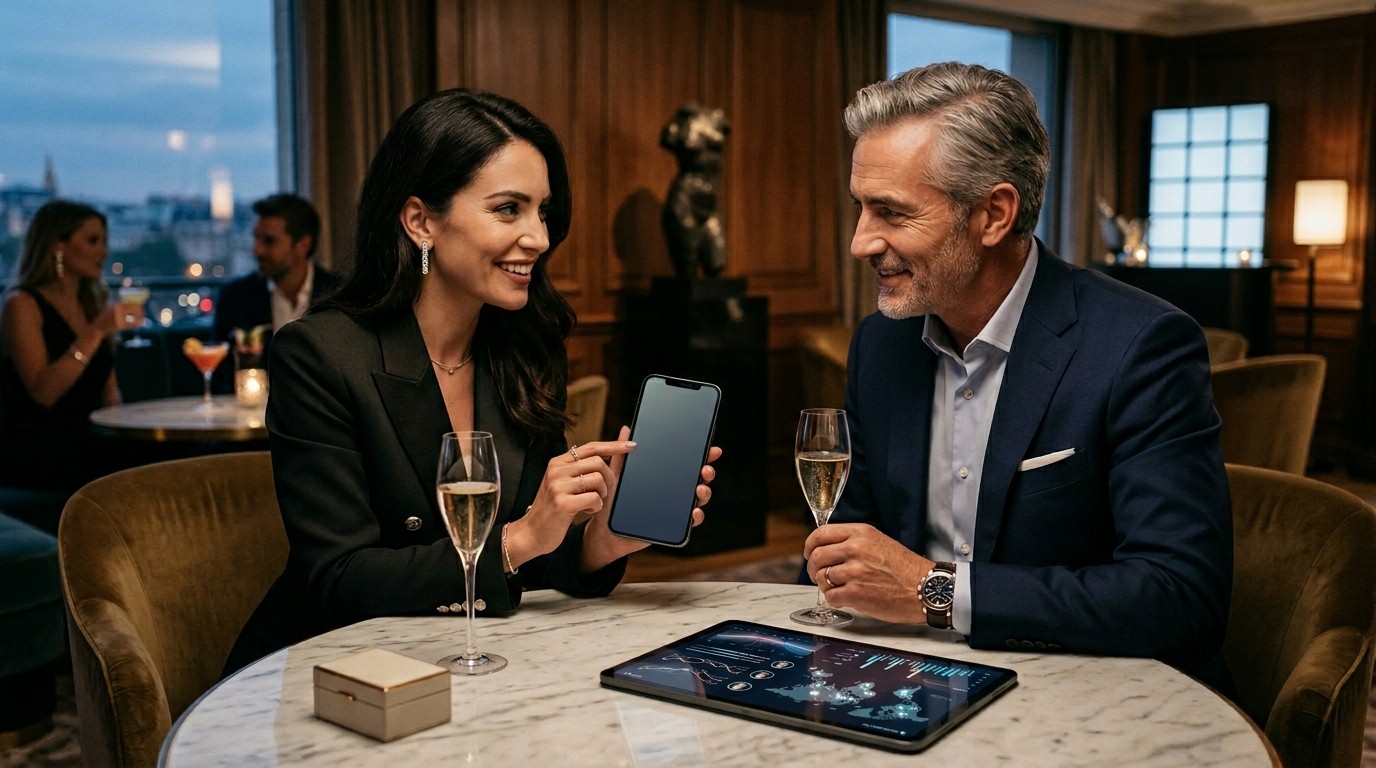
Data matters, but it should not dominate the narrative. the luxury referral system should use data to understand which clients refer, which offers convert, and which messages feel most elegant.
The numbers can reveal patterns, but the brand must decide how to act on them. A luxury audience can tolerate sophistication, but not coldness.
the luxury referral system should keep the human story at the center even when analytics guide optimization.
Final strategic perspective
the luxury referral system is not just about referrals. It is about protecting a premium identity while creating a thoughtful path for advocacy.
When a client recommends a luxury brand, they are making a statement about taste and trust. The brand should honor that statement with a refined, discreet, and rewarding experience.
the luxury referral system succeeds when the mechanics are invisible and the feeling remains unmistakably premium.
Conclusion
Luxury Brand Referral Marketing works best when it treats referrals as an extension of prestige, trust, and client identity rather than a simple acquisition channel. Premium customers respond to exclusivity, discretion, and meaningful recognition, so the program must feel elegant at every step. The best strategies use carefully chosen rewards, refined messaging, strong segmentation, and consistent follow-through to create advocacy without cheapening the brand. When the experience feels private, premium, and effortless, clients are more likely to share the brand with people who fit its world. That is what makes Luxury Brand Referral Marketing powerful: it grows revenue while protecting the very qualities that make the brand desirable in the first place.
Frequently Asked Questions (FAQ)
1. What is Luxury Brand Referral Marketing?
It is a referral strategy designed for premium brands, where the goal is to attract high-quality customers through trusted client recommendations while protecting exclusivity and prestige.
2. Why does referral marketing work well for luxury brands?
Because luxury buyers trust personal recommendations, value social proof, and prefer experiences that feel curated rather than mass-promotional.
3. What kind of rewards work best?
Rewards that fit the brand world, such as private access, upgrades, special invitations, concierge support, or exclusive early access, usually work best.
4. Should luxury brands offer cash incentives?
Usually not as the primary reward. Cash can feel too transactional and may weaken the premium perception of the brand.
5. How can luxury brands keep referral programs discreet?
By using private invitations, personal acknowledgment, refined design, and language that feels selective rather than public or aggressive.
6. What should be measured in a referral program?
Focus on referral quality, conversion rate, average order value, retention, and the long-term value of referred clients.
7. How often should referral messages be sent?
Only as often as needed to stay present without feeling pushy. Timing should respect the relationship and the client’s attention.
8. Can luxury referral marketing be automated?
Yes, but automation should feel invisible. The experience should still look and sound personal, polished, and human.
9. How is this different from mass-market referral marketing?
Luxury referral programs are more selective, more relationship-driven, and more focused on prestige, while mass-market programs often chase volume through broad incentives.
10. What is the biggest mistake to avoid?
The biggest mistake is making the referral program feel cheap, noisy, or generic, because that can damage the brand experience instead of strengthening it.