In today’s digital world, personal recommendations hold immense power, making word-of-mouth marketing more influential than ever. Referral link marketing takes this traditional concept online, turning trusted customer referrals into measurable, trackable growth. By offering unique referral links and rewards, businesses can encourage loyal customers to spread the word while tracking the results in real time. This approach is particularly effective for e-commerce, SaaS, and B2B companies looking to scale efficiently. In this blog, we’ll explore what referral link marketing is, its benefits, how to create and promote links, and strategies to maximize conversions.
What is Referral Link Marketing?
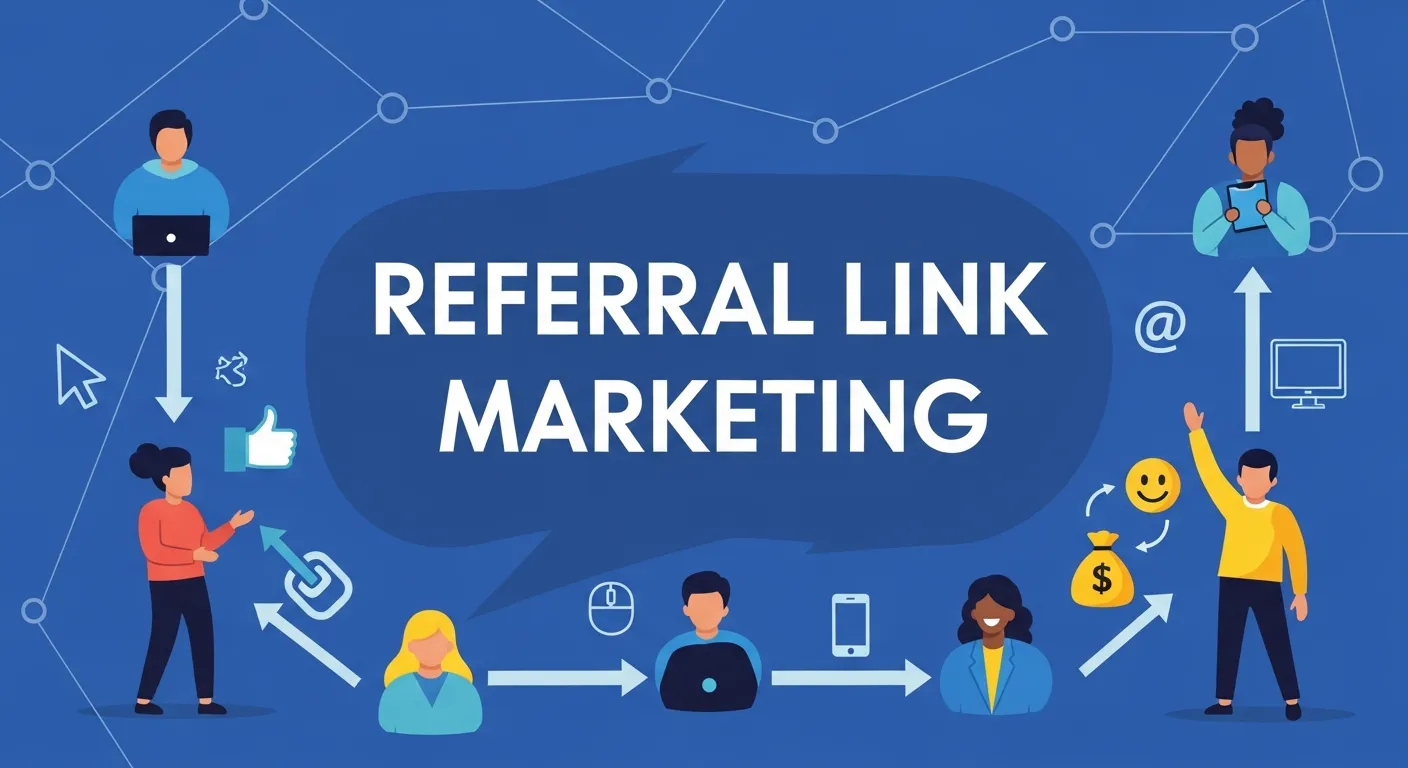
Referral link marketing is a modern, digital evolution of traditional word-of-mouth promotion. At its core, it’s a strategy where businesses incentivize existing customers to share a product or service with friends, family, or colleagues using unique referral links. These links are trackable, allowing companies to measure exactly how many new users or customers were driven by each referral, and reward the referrer accordingly.
How Referral Link Marketing Works
The process is straightforward yet highly effective. Businesses generate unique referral links for each customer. When a referred person clicks on the link, the system tracks their actions—whether that’s making a purchase, signing up for a service, or subscribing to a newsletter. Once the desired action is completed, the referrer receives a reward, which can range from discounts and cashback to free products or premium features.
For example:
- An e-commerce store may reward customers with a $10 credit when a friend completes a purchase through their referral link.
- A SaaS platform might offer an extra month of service to users who successfully invite others to sign up.
- A subscription service could provide a free month or bonus content when a referral results in a new subscription.
Traditional vs. Digital Referral Programs
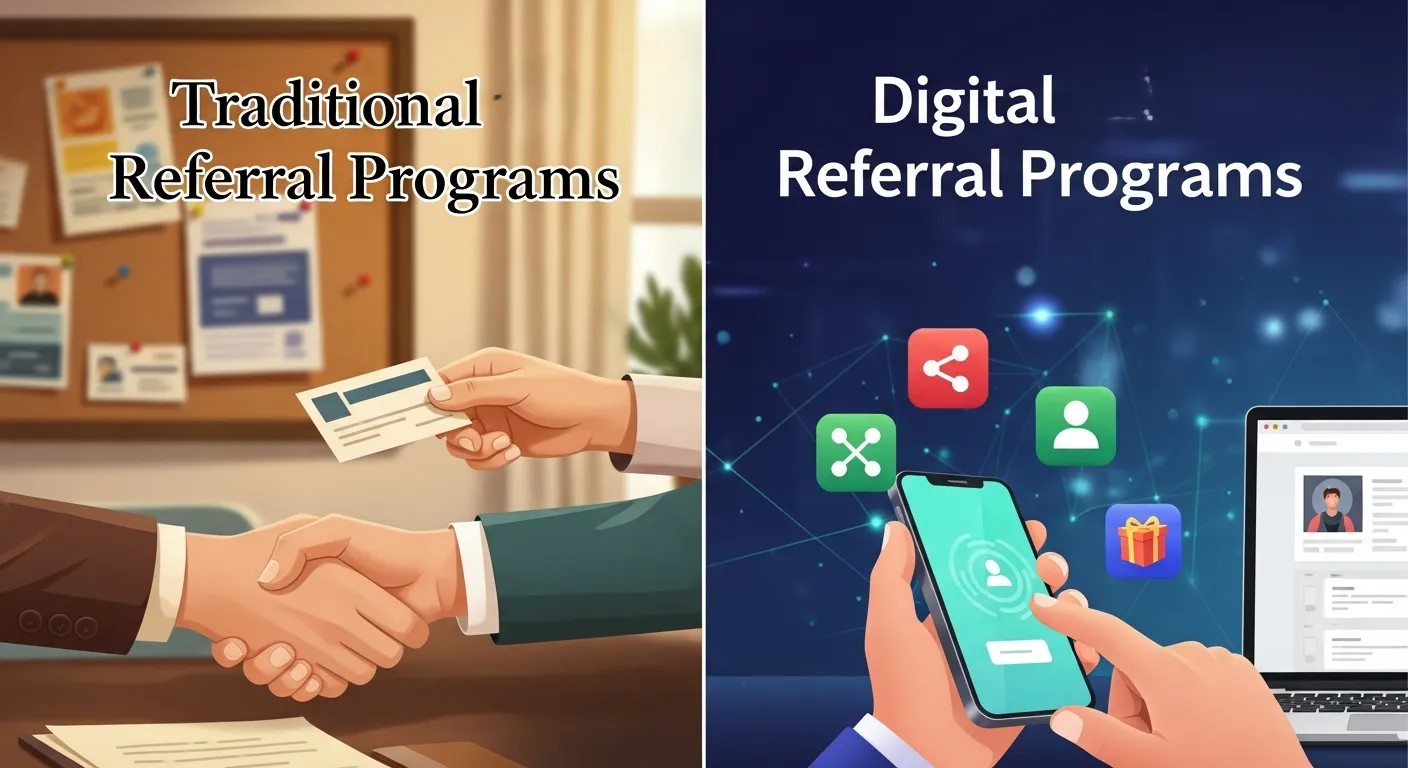
While traditional referral programs relied heavily on word-of-mouth or offline methods like printed coupons or manual tracking, digital referral link marketing provides precision and scalability. With referral links, every click, sign-up, and purchase is automatically recorded, giving businesses clear insights into which campaigns and referrers are driving the most growth. This data-driven approach allows for better optimization, targeted incentives, and seamless integration into existing marketing funnels.
In short, referral link marketing combines the trust and personal influence of traditional referrals with the measurability and efficiency of digital tools. For e-commerce, SaaS, and B2B companies, this means not only acquiring more customers but doing so in a way that’s trackable, scalable, and cost-effective.
Benefits of Referral Link Marketing
Referral link marketing is not just a trendy growth tactic—it’s a powerful strategy that delivers measurable results across industries. From e-commerce to SaaS and B2B companies, businesses are increasingly turning to referral programs to drive growth efficiently. Here are the key benefits that make referral link marketing a must-have in modern marketing strategies.
1. Low-Cost Customer Acquisition
One of the most significant advantages of referral link marketing is cost efficiency. Instead of spending heavily on paid ads, businesses can leverage their existing customer base to bring in new users. By incentivizing referrals through discounts, credits, or rewards, companies can acquire high-quality leads at a fraction of the cost of traditional marketing channels.
For example, Dropbox’s referral program famously offered extra storage to users who invited friends, which contributed to a 60% increase in sign-ups within just a few months. This demonstrates how referral link marketing can turn loyal users into active brand ambassadors without large ad budgets.
2. Higher Trust Factor
Referrals carry inherent trust. People are far more likely to try a product or service recommended by a friend, family member, or influencer than through a standard advertisement. This personal endorsement increases credibility, leading to higher engagement and purchase intent.
In fact, Nielsen reports that 92% of consumers trust recommendations from people they know over any other form of advertising. By implementing referral link marketing, businesses tap into this trust, making each referral far more effective than a generic marketing campaign.
3. Better Conversion Rates
Because referrals come with built-in credibility, the conversion rates are significantly higher. Customers acquired through referral links are already pre-qualified—they have a personal connection or recommendation, which reduces friction in the buying journey.
For instance, e-commerce platforms often see conversion rates from referral traffic 2–5 times higher than standard paid channels. SaaS companies also notice that referred users are more likely to upgrade to premium plans, demonstrating the long-term value of referral link marketing.
4. Easier ROI Tracking
Unlike traditional word-of-mouth, digital referral marketing provides full transparency. Each unique referral link allows businesses to track clicks, sign-ups, purchases, and reward distribution. This data-driven approach makes it easy to calculate ROI, optimize campaigns, and identify top-performing referrers.
5. Improves Brand Loyalty and Engagement
Referral link marketing doesn’t just bring new customers—it strengthens relationships with existing ones. By rewarding loyal users for sharing your brand, you increase engagement and reinforce positive sentiment. Over time, this leads to a community of brand advocates who actively promote your products, creating a self-sustaining growth loop.
Real-world examples abound: Uber’s referral program offered ride credits for successful invites, fostering both acquisition and retention simultaneously. Similarly, Airbnb’s referral program doubled as a loyalty mechanism, keeping users engaged while expanding its customer base globally.
How to Create Effective Referral Links
Creating referral links may seem simple, but crafting them effectively can significantly boost the success of your referral link marketing campaigns. A well-designed referral link strategy ensures high engagement, easy tracking, and increased conversions. Here’s how to do it step by step.
Step 1: Choose the Right Referral Platform
The first step is selecting a reliable referral platform that suits your business needs. Popular options include Referral Candy, Ambassador, and Refersion. These platforms provide automated link generation, tracking, and reward management, reducing manual effort.
- Referral Candy – ideal for e-commerce stores wanting automated reward distribution.
- Ambassador – great for SaaS companies seeking a scalable referral program.
- Refersion – excellent for tracking affiliate-style referrals with detailed analytics.
Choosing the right platform ensures your referral program runs smoothly, tracking every click and conversion accurately.
Step 2: Personalize Your URLs
Generic links can feel impersonal and are easy to overlook. Personalizing referral URLs with custom or branded links enhances trust and encourages clicks.
- Good Example:
www.brand.com/refer/johnsmith - Bad Example:
www.brand.com/ref?id=12345
Branded, readable URLs are easier to share via social media, emails, or messaging apps, and they reinforce your brand identity.
Step 3: Clarify Rewards
Clearly defining what the referrer and referee will receive is essential. People are more likely to share a referral if the benefits are tangible and easy to understand. Common reward types include:
- Discounts on the next purchase
- Cashback or account credits
- Free products or premium features
For example, Dropbox offered extra storage for every friend invited, while Uber provided ride credits—both simple, appealing incentives that drove high participation.
Step 4: Ensure Mobile-Friendly Landing Pages
Most referral traffic comes from mobile devices, so the landing page your referral link leads to must be mobile-friendly. A clunky or slow-loading page can reduce conversions significantly. Make sure the page is responsive, fast, and clearly communicates the next steps.
Strategies to Promote Your Referral Links
Creating referral links is just the first step—getting them seen and shared is what drives growth. Effective promotion ensures your referral link marketing efforts reach the right audience and convert into real customers. Here are proven strategies to maximize your program’s impact.
1. Leverage Current Customers
Your existing customers are your most valuable promoters. Engaging them through multiple channels increases the likelihood they’ll share your referral links.
- Emails: Send targeted emails announcing your referral program with clear instructions and a direct link. For instance, e-commerce brands often include referral links in post-purchase emails to encourage immediate sharing.
- In-product messages: Display referral prompts within your app or website. SaaS platforms like Dropbox use in-app notifications to nudge users about inviting friends.
- Physical inserts: For retail or subscription products, include referral cards or QR codes in packaging. This tactile approach can be surprisingly effective for offline-to-online referrals.
2. Social Media Promotion
Social platforms amplify reach and encourage organic sharing. Key tactics include:
- Influencer partnerships: Collaborate with micro-influencers who align with your brand. They can share referral links with authentic endorsements.
- User-generated content (UGC): Encourage customers to post about your product with your referral link. For example, a fitness brand might ask users to share workout results with a link to sign up.
- Stories and reels: Short, engaging content on Instagram, TikTok, or Facebook can make referral links more visible and shareable. Add swipe-up links or pinned links for easy access.
Tip: Make your posts visually appealing and emphasize the reward to increase click-throughs.
3. Paid Advertising with Referral Incentives
Paid campaigns can accelerate referral growth when paired with incentives. Options include:
- PPC campaigns: Target audiences likely to convert with referral-focused messaging. Highlight the benefits of signing up via a referral link.
- Social media ads: Run campaigns encouraging people to join your referral program or inviting them to share their unique links. Platforms like Facebook and LinkedIn allow precise targeting, increasing ROI.
4. Integrate Referral Links into Content Marketing
Embedding referral links within your content can turn casual readers into active participants:
Blog posts and guides: Include referral links naturally within tutorials or product roundups. For example, a SaaS guide can link to a free trial via a referral.
Newsletters: Highlight referral programs in monthly updates with eye-catching CTA buttons.
Video content: Tutorials, unboxing videos, or webinars can include referral links in descriptions or on-screen prompts.
Incentivizing Your Referral Program
Effective incentives are the backbone of any successful referral link marketing campaign. By offering rewards, businesses motivate users to actively share links and bring in new customers.
Types of Rewards
Rewards can take many forms, depending on your business model:
- Cash or account credits: Direct monetary rewards are simple and appealing for both e-commerce and SaaS users.
- Discounts: Offering a percentage off a future purchase encourages repeat business while rewarding referrals.
- Free products or premium features: Tangible rewards or exclusive features can drive excitement and engagement.
- Loyalty points: Integrating referrals into an existing loyalty program can reinforce long-term brand engagement.
Dual Incentives
Programs that reward both the referrer and referee tend to perform better. For example, Uber’s referral system gives ride credits to the person sharing the link and the friend signing up. This creates mutual benefit, encouraging sharing and sign-ups simultaneously.
Psychological Principles Behind Incentives
Understanding human behavior can amplify referral participation:
- FOMO (Fear of Missing Out): Limited-time rewards or exclusive bonuses encourage immediate action.
- Reciprocity: Offering a reward to the referee increases the likelihood they’ll take action and, in turn, share with others.
By thoughtfully designing incentives, businesses can maximize the reach and effectiveness of their referral link marketing, turning casual users into active promoters.
Monitoring and Measuring Referral Link Marketing Performance
Tracking performance is essential to ensure your referral link marketing program delivers real results. Without measurement, it’s impossible to know what works or optimize for better ROI.
Key Metrics to Track
- Click-through rate (CTR): Measures how often your referral links are clicked, helping assess engagement.
- Conversion rate: Tracks how many clicks result in desired actions, such as purchases or sign-ups.
- Referral source performance: Identifies which users, channels, or campaigns drive the most valuable traffic.
Tools for Tracking
Several tools simplify performance monitoring:
- Google Analytics: Track referral traffic, user behavior, and conversions from unique links.
- Referral platforms: Platforms like ReferralCandy or Ambassador provide dashboards showing clicks, sign-ups, and rewards earned.
- CRM dashboards: Centralize data to analyze customer acquisition costs and lifetime value from referrals.
Analyzing Data and Optimizing Campaigns
Regularly reviewing metrics allows businesses to:
- Identify high-performing referrers and incentivize them further.
- Adjust rewards or messaging to improve engagement.
- Test placement of referral links in emails, apps, or social content for maximum visibility.
Monitoring and analyzing data ensures your referral link marketing program evolves over time, delivering sustained growth and measurable results.
Common Mistakes to Avoid in Referral Link Marketing
Even well-planned referral link marketing campaigns can fail if certain pitfalls aren’t addressed. Here are common mistakes to watch out for:
Broken Links or Poor User Experience
Referral links must lead to a seamless experience. Slow-loading or broken pages frustrate users and reduce conversions. Always test links across devices before launching.
Overcomplicated Systems
Complex sign-up processes, unclear instructions, or multiple steps can discourage participation. Keep your referral program simple, intuitive, and easy to share.
Undervaluing Rewards
Offering minimal incentives can demotivate users. Rewards should be attractive enough to encourage sharing and meaningful engagement.
Failing to Follow Up
Neglecting to remind participants or recognize top referrers wastes potential growth. Automated notifications, emails, or dashboards can keep users engaged and motivated.
By avoiding these mistakes, businesses can maximize the effectiveness of referral link marketing and maintain a positive user experience that encourages sharing, loyalty, and growth.
Advanced Tips to 10x Your Referral Link Marketing
Once your referral program is up and running, implementing advanced strategies can dramatically increase engagement and conversions. Here are proven techniques to take your referral link marketing to the next level.
Personalized Messaging
Generic emails or notifications often get ignored. Tailoring messages based on user behavior, past purchases, or engagement history increases click-throughs and sharing. For example, addressing a loyal customer by name and highlighting rewards relevant to their interests encourages action.
Leverage Gamification
Gamifying your referral program adds fun and competitiveness. Consider:
- Leaderboards: Highlight top referrers publicly or via in-app dashboards.
- Tiered rewards: Offer increasing benefits for multiple referrals to motivate ongoing participation.
Gamification taps into users’ natural desire for recognition and achievement, boosting referral activity.
Collaborate with Niche Influencers
Partnering with influencers in your niche extends reach and credibility. Their audiences trust recommendations, making referral links more likely to convert. Micro-influencers, in particular, provide highly engaged audiences at a reasonable cost.
Optimize Landing Pages
Ensure that every referral link directs users to fast, mobile-friendly landing pages. Page speed, responsive design, and clear calls-to-action are crucial for retaining referred users and improving conversions.
A/B Testing
Test different elements of your referral program: link placement, CTA wording, rewards, and messaging. Small adjustments can significantly impact CTR and conversion rates. Regular testing allows you to continuously refine your referral link marketing strategy for maximum results.
Case Studies of Successful Referral Link Marketing
Real-world examples show how referral link marketing drives measurable growth.
Example 1: E-commerce Store Using Referral Candy
An online fashion retailer integrated Referral Candy to incentivize customers with discounts for successful referrals. Within six months, the program contributed to a 40% increase in new customer sign-ups, demonstrating the platform’s effectiveness for e-commerce growth.
Example 2: SaaS Company Using Ambassador
A B2B SaaS company leveraged Ambassador to track referrals from existing clients. By rewarding both referrer and referee, the company acquired high-quality leads that were more likely to convert to paid subscriptions. This approach increased customer acquisition efficiency while lowering marketing spend.
Example 3: Influencer-Driven Campaigns
A wellness brand partnered with micro-influencers to share referral links for exclusive discounts. The influencer-driven program boosted conversions by 35%, showing that targeted partnerships amplify the reach and trust of referral programs.
These case studies highlight the versatility and power of referral link marketing across industries, proving it works for e-commerce, SaaS, and influencer-led campaigns alike.
How to Get Started with Referral Link Marketing Today
Starting a referral program doesn’t have to be complicated. Follow this beginner-friendly checklist to launch quickly and effectively:
- Choose a referral platform: Select tools like Referral Candy, Ambassador, or Refersion to automate tracking and rewards.
- Create custom, branded links: Make them memorable and easy to share across channels.
- Define clear rewards: Decide on discounts, cashback, freebies, or loyalty points for both referrers and referees.
- Promote across channels: Use emails, in-product messages, social media, and content marketing to reach your audience.
- Track performance: Monitor CTR, conversions, and top referrers to optimize the program over time.
By following these steps, even beginners can implement referral link marketing effectively. The key is to start now, iterate based on data, and engage your customers consistently.
Conclusion
Referral link marketing is a proven strategy for businesses seeking cost-effective growth and stronger customer engagement. By incentivizing referrals, tracking performance, and optimizing campaigns, companies can acquire new users, increase trust, and boost conversions. From personalized links to influencer-driven campaigns, the opportunities to expand reach are vast. Whether you’re in e-commerce, SaaS, or B2B, implementing a referral program can turn existing customers into loyal brand advocates. Start today by creating custom links, offering meaningful rewards, and promoting your program across channels—referral link marketing can become a cornerstone of your business growth strategy.
FAQ: Referral link Marketing
1. What is referral link marketing?
Answer: Referral link marketing is a digital strategy where businesses provide unique, trackable links to customers, encouraging them to refer friends or colleagues in exchange for rewards.
2. How does referral link marketing work?
Answer: Customers share a unique link. When someone clicks and completes a desired action (purchase, sign-up, subscription), the referrer earns a reward, and the business tracks conversions.
3. What types of rewards can be offered?
Answer: Rewards include cash, discounts, free products, premium features, or loyalty points. Dual incentives for both referrer and referee often increase engagement.
4. Why is referral link marketing effective?
Answer: It leverages trust, has higher conversion rates than traditional channels, lowers customer acquisition costs, and strengthens brand loyalty.
5. Which businesses benefit most from referral link marketing?
Answer: E-commerce stores, SaaS companies, B2B services, and any business with a loyal customer base can benefit significantly.
6. What are common mistakes to avoid?
Answer: Avoid broken links, overcomplicated systems, undervaluing rewards, and failing to follow up with participants.
7. How can referral links be promoted?
Answer: Through emails, in-product messages, social media, content marketing, influencer partnerships, and paid advertising with clear incentives.
8. What metrics should be tracked?
Answer: Track CTR, conversion rate, referral source performance, and ROI using tools like Google Analytics, CRM dashboards, or referral platforms.
9. How can gamification improve referral programs?
Answer: Leaderboards, tiered rewards, and challenges create competition and engagement, motivating participants to share links more actively.
10. How do I get started with referral link marketing?
Answer: Choose a referral platform, create branded links, define clear rewards, promote links across channels, and monitor performance to optimize results.