
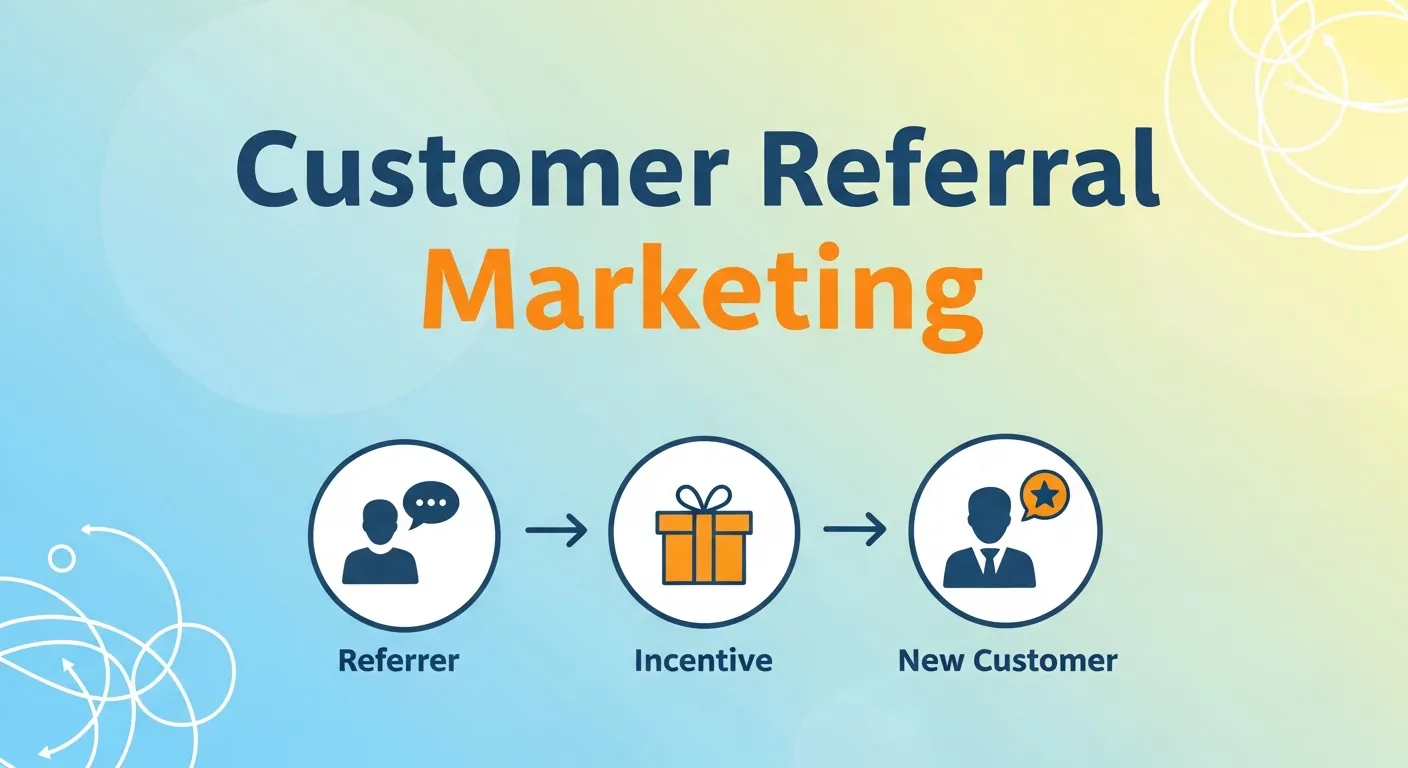
Customer Referral Marketing harnesses loyal customers to generate new leads, reduce acquisition costs, and boost conversions. A well-designed referral program with clear incentives, simple processes, and effective promotion ensures measurable growth.
Customer Referral Marketing is one of the most effective and trusted strategies in modern digital marketing. It encourages existing customers to recommend a brand, product, or service to their friends, family, and colleagues. Unlike traditional advertising, referrals come from real people, making them more credible and influential in the decision-making process. In today’s crowded online marketplace, consumers rely heavily on recommendations from people they trust, which makes Customer Referral Marketing a powerful growth tool for businesses of all sizes. Referrals work because they build instant trust, reduce skepticism, and create a strong emotional connection between the brand and potential customers. Studies show that referred customers are more likely to convert, spend more, and stay loyal for a longer period compared to customers acquired through paid ads. Additionally, referral programs often cost less than traditional marketing channels, making them a cost-effective way to acquire high-quality leads.
In this complete guide, you will learn how Customer Referral Marketing works, why it matters, and how to create a successful referral strategy that drives sustainable business growth.
What Is Customer Referral Marketing?
Customer Referral Marketing is a growth strategy where businesses encourage existing customers to refer new customers in exchange for rewards or incentives. It leverages the trust between people to generate high-quality leads and increase conversions. Instead of relying solely on ads or cold outreach, brands use satisfied customers as advocates to promote their products or services.
Customer Referral Marketing is a structured marketing approach that motivates customers to recommend a business to others through formal referral programs, links, or codes. When a referred person makes a purchase or signs up, both the referrer and the new customer often receive a reward.
Difference Between Word-of-Mouth and Structured Referral Programs
- Word-of-mouth marketing happens naturally when customers talk about a brand without any incentive or tracking system.
- Structured referral programs are intentional campaigns that use referral links, software, and rewards to track referrals and encourage participation.
While word-of-mouth is organic and unpredictable, referral programs are controllable, scalable, and data-driven.
How Customer Referral Marketing Works
Customer Referral Marketing follows a simple but powerful process that turns loyal customers into brand promoters.
Step-by-Step Referral Process
- A customer signs up for a referral program.
- The customer receives a unique referral link or code.
- The customer shares the link with friends, family, or colleagues.
- A new customer clicks the link and makes a purchase or signs up.
- The system tracks the referral and attributes it to the original customer.
- Rewards are given to the referrer, the new customer, or both.
Role of Incentives and Tracking
Incentives motivate customers to participate in referral programs. Common rewards include discounts, cashback, free products, loyalty points, or gift cards. Tracking tools and referral software help businesses monitor referrals, measure conversions, prevent fraud, and optimize campaign performance.
By combining incentives with accurate tracking, Customer Referral Marketing becomes a scalable and cost-effective customer acquisition strategy.
Why Customer Referral Marketing Is Important
Referral-based marketing has become one of the most powerful growth strategies for businesses because it relies on trust, credibility, and personal recommendations. In an era where consumers are bombarded with ads, referrals stand out as authentic and persuasive, driving higher engagement and better-quality customers.
Trust and Social Proof
Referrals are deeply rooted in human psychology. People naturally trust recommendations from friends, family members, and peers more than any advertisement or branded message. This trust is known as social proof, where individuals follow the actions and opinions of others when making decisions.
When someone recommends a product or service, it reduces uncertainty and perceived risk. Consumers feel more confident because the recommendation comes from a real experience rather than a marketing campaign. This is why referral-based customers often have stronger emotional connections with brands and are more likely to become loyal customers.
Cost-Effective Customer Acquisition
Acquiring customers through referrals is significantly cheaper than traditional marketing channels. Paid ads require continuous spending on platforms like Google, Facebook, or Instagram, and costs increase as competition grows. In contrast, referral programs leverage existing customers to bring in new ones with minimal marketing expenses.
For example, the average cost per acquisition (CPA) for paid ads can range from $20 to $200 or more, depending on the industry, while referral-driven acquisitions often cost a fraction of that. Rewards given to referrers are usually lower than advertising costs, making referrals a highly cost-efficient growth channel.
Higher Conversion Rates
Referral-driven leads typically convert at much higher rates than cold traffic. Studies show that referred customers are 4 times more likely to convert compared to non-referred leads. Additionally, they tend to have higher lifetime value and retention rates, as they already trust the brand before making a purchase.
Real-world examples include companies like Dropbox, Uber, and Airbnb, which experienced massive growth through referral programs. Dropbox, for instance, increased sign-ups by over 60% after introducing its referral system, proving how powerful referrals can be for scalable growth.
Types of Customer Referral Marketing Programs
Referral programs come in different formats depending on business goals, customer behavior, and industry type. Choosing the right referral structure can significantly impact participation rates and overall campaign success.
Direct Referral Programs
Direct referral programs offer simple and instant rewards when a customer successfully refers someone. These programs are easy to understand and highly effective.
Common reward types include:
- Cash rewards (e.g., $10 per referral)
- Discounts on future purchases
- Store credits or account balance credits
- Free products or services
This model works well for e-commerce, SaaS, and subscription-based businesses because customers clearly understand what they gain by referring others.
Tiered Referral Programs
Tiered referral programs reward customers based on the number of referrals they generate. The more people they refer, the higher the rewards they receive.
Example tier structure:
- 1–5 referrals: 10% discount
- 6–10 referrals: $50 cash reward
- 11+ referrals: Free premium subscription or exclusive perks
This approach encourages ongoing participation and motivates customers to refer multiple people rather than just one.
Loyalty-Based Referral Programs
Loyalty-based referral programs combine referrals with customer loyalty systems. Instead of direct cash rewards, customers earn loyalty points for each successful referral.
These points can be redeemed for:
- Discounts
- Free products
- Exclusive offers
- VIP memberships
This type of program is ideal for retail brands, airlines, and subscription services that already use loyalty programs to retain customers.
Influencer and Advocate Referrals
Influencer and advocate referral programs involve brand ambassadors, micro-influencers, or highly engaged customers who actively promote a brand.
Key characteristics:
- Unique referral links or promo codes for influencers
- Commission-based rewards or affiliate payouts
- Social media promotion through blogs, YouTube, TikTok, and Instagram
Micro-influencers and loyal advocates often generate higher engagement and trust compared to traditional celebrity endorsements, making this referral model highly effective for modern digital brands.
How to Create a Successful Customer Referral Marketing Strategy

Creating an effective referral strategy requires understanding your customers, offering the right incentives, and making the referral process simple and visible. A well-planned strategy can turn your existing customers into powerful brand advocates and drive consistent growth.
Identify Your Ideal Referrers
Not all customers are equally likely to refer others. The most effective referrers are:
- Loyal customers who repeatedly purchase and trust your brand
- Power users who actively use your product or service
- Subscribers who engage regularly with your platform or content
These customers already have positive experiences, making them more confident in recommending your brand. Use customer data, engagement metrics, and purchase history to identify and target these high-potential advocates.
Choose the Right Incentives
Incentives are the key driver behind referral participation. You can offer monetary or non-monetary rewards depending on your audience and business model.
Monetary rewards include:
- Cash bonuses
- Discounts and coupons
- Store credits or cashback
Non-monetary rewards include:
- Free products or services
- Exclusive access or VIP perks
- Loyalty points, badges, or recognition
Different audiences are motivated by different rewards. Budget-conscious customers may prefer discounts, while premium users may value exclusive experiences or early access.
Make Referrals Easy
A referral program should be simple, fast, and frictionless. If the process is complicated, customers will not participate.
Best practices include:
- Unique referral links for easy sharing
- Referral codes for offline or manual sharing
- One-click sharing buttons for social media, email, and messaging apps
- Mobile-friendly referral pages
The easier it is to share, the more referrals you will receive.
Promote Your Referral Program
Even the best referral program will fail if customers don’t know about it. Promotion is essential to drive awareness and participation.
Effective promotion channels include:
- Email campaigns and newsletters
- Social media posts and stories
- Website banners and pop-ups
- In-app notifications and dashboards
Highlight the benefits clearly and remind customers regularly to participate. Consistent promotion keeps the referral program top-of-mind and increases engagement.
Customer Referral Marketing Tools and Software
Using the right tools and software can simplify referral program management, automate tracking, and provide valuable insights into performance. These tools help businesses scale referral campaigns without manual effort and ensure accurate reward distribution.
Referral Software Platforms
Referral software platforms are designed specifically to create, manage, and optimize referral programs. They provide features like referral links, reward automation, fraud prevention, and analytics dashboards.
Popular referral software platforms include:
- ReferralCandy – Ideal for eCommerce businesses with automated referral tracking and reward payouts
- Friendbuy – Advanced referral and loyalty program software for enterprise brands
- Yotpo – Combines referrals, reviews, and loyalty programs in one platform
- GrowSurf – Popular for Software as a service (SaaS) and startup referral programs
- Post Affiliate Pro – Useful for affiliate-style referral campaigns
These platforms reduce technical complexity and allow businesses to launch referral programs quickly.
CRM and Marketing Automation Integration
Integrating referral programs with CRM and marketing automation tools helps businesses track customer behavior and personalize referral campaigns.
How CRM helps track referrals:
- Stores customer referral history and activity
- Tracks who referred whom and when
- Segments referrers based on engagement and value
- Automates referral-related emails and follow-ups
CRM platforms like Salesforce, HubSpot, and Zoho can sync referral data to provide a complete customer journey view and improve targeting.
Analytics and Tracking Tools
Analytics and tracking tools are essential to measure the success of referral programs and optimize performance.
Key metrics to track include:
- Number of referrals generated
- Referral conversion rate
- Cost per referral acquisition
- Customer lifetime value of referred users
- Reward redemption rate
Tools like Google Analytics, Mixpanel, and built-in referral dashboards help businesses analyze performance, identify top referrers, and refine their strategies. Data-driven optimization ensures referral programs remain profitable and scalable.
Best Practices for Customer Referral Marketing
Implementing a referral program is not enough—success depends on how you execute and optimize it. Following proven best practices can significantly increase participation, conversions, and long-term growth.
Timing Your Referral Ask
Timing plays a crucial role in whether customers will refer others. Asking at the wrong moment can reduce engagement, while asking at the right time can maximize referrals.
Best moments to ask for referrals:
- After a successful purchase or positive customer experience
- After a customer leaves a positive review or testimonial
- After onboarding completion in SaaS or subscription services
- When customers reach milestones (e.g., 10th purchase, 1-year subscription)
Customers are most likely to refer others when they are satisfied and emotionally connected to your brand.
Personalization in Referral Campaigns
Personalization makes referral campaigns more effective and engaging. Generic referral messages often get ignored, while personalized messages feel more authentic and relevant.
Ways to personalize referral campaigns:
- Use customer names in referral emails and messages
- Offer personalized rewards based on customer behavior
- Recommend specific products or services to share
- Segment customers by loyalty level, purchase history, or demographics
Personalized referral experiences increase participation rates and customer trust.
Gamification Techniques
Gamification encourages customers to participate actively and repeatedly in referral programs. By adding game-like elements, businesses can boost engagement and motivation.
Popular gamification techniques include:
- Leaderboards showing top referrers
- Badges and achievement levels
- Referral challenges and competitions
- Progress bars and milestones
Gamification creates excitement and encourages customers to compete, leading to more referrals and higher engagement.
Transparency and Compliance
Transparency is essential for building trust and avoiding legal issues. Customers should clearly understand how referral programs work and how rewards are earned.
Key legal and ethical considerations:
- Clearly disclose referral terms and conditions
- Follow data privacy regulations (GDPR, CCPA, etc.)
- Avoid misleading claims or fake incentives
- Ensure fair reward distribution and fraud prevention
Being transparent and compliant helps maintain brand credibility and customer trust.
Customer Referral Marketing Case Studies
Real-world examples demonstrate how referral programs can drive massive growth for both large brands and small businesses.
Dropbox Referral Program
Dropbox is one of the most famous examples of a successful referral program. The company offered double-sided incentives, where both the referrer and the new user received free storage space.
Key results:
- Over 60% increase in sign-ups
- Millions of new users acquired through referrals
- Viral growth without heavy advertising spend
This strategy worked because it rewarded both parties, making sharing beneficial for everyone.
Uber and Airbnb Referral Strategies
Uber and Airbnb used referral programs to scale rapidly across global markets.
Uber’s referral strategy:
- Offered free ride credits to both referrers and new users
- Integrated referral links directly into the app
- Encouraged sharing via social media and messaging apps
Airbnb’s referral strategy:
- Provided travel credits for both hosts and guests
- Used personalized referral links and emails
- Promoted referrals through user dashboards
Both companies achieved exponential growth by turning users into brand promoters.
Small Business Referral Success Stories
Referral programs are not just for big companies—small businesses can also benefit.
Examples for SMBs:
- A local eCommerce store offering 10% discounts for each referral increased repeat customers by 30%
- A SaaS startup offering free premium features for referrals reduced customer acquisition costs by 50%
- A fitness studio rewarding members with free classes for referrals doubled membership sign-ups in six months
These examples show that even simple referral programs can deliver significant results for small and medium-sized businesses.
Common Mistakes in Customer Referral Marketing
Even though Customer Referral Marketing is highly effective, many businesses fail to achieve results due to avoidable mistakes. Understanding these common pitfalls can help you design a successful and scalable referral strategy.
Poor Incentive Structure
One of the biggest reasons referral programs fail is offering the wrong incentives. If rewards are unattractive, irrelevant, or too small, customers will not feel motivated to refer others.
Why rewards fail:
- Rewards are too low compared to the effort required
- Incentives are not relevant to the target audience
- Complicated reward redemption processes
- Delayed or unclear reward distribution
For example, offering a small discount to premium customers may not be appealing, while offering exclusive perks or premium features may be more effective. The success of Customer Referral Marketing depends heavily on understanding what truly motivates your customers.
Complicated Referral Process
A complex referral process can drastically reduce participation. If customers struggle to find referral links, understand the process, or share referrals easily, they will simply give up.
Common UX mistakes include:
- Long referral forms and multiple steps
- No mobile-friendly referral interface
- Lack of one-click sharing options
- Confusing referral terms and conditions
Customer Referral Marketing should be frictionless. The easier it is to share, the more referrals you will receive.
Lack of Promotion
Many businesses launch referral programs but fail to promote them properly. If customers are unaware of the program, they cannot participate.
Referral visibility issues include:
- No promotion on website or app dashboards
- Missing referral mentions in email campaigns
- Limited social media promotion
- No reminders or follow-up campaigns
Consistent promotion is critical to keep Customer Referral Marketing top-of-mind for customers.
Ignoring Data and Optimization
Another common mistake is launching a referral program and never optimizing it. Without tracking performance, businesses miss opportunities to improve results.
Problems caused by ignoring data:
- Low conversion rates remain unnoticed
- Inefficient incentives waste budget
- High-performing customer segments are not identified
- Fraud and abuse go undetected
Customer Referral Marketing should be data-driven, with continuous testing and optimization to maximize ROI.
How to Measure Customer Referral Marketing Success
Measuring performance is essential to understanding whether your referral program is profitable and scalable. Tracking the right metrics helps you optimize strategy and improve outcomes.
Key Metrics and KPIs
Several key performance indicators (KPIs) determine the success of Customer Referral Marketing.
Important metrics include:
- Referral Rate: Percentage of customers who participate in the referral program
- Referral Conversion Rate: Percentage of referred leads who become paying customers
- Customer Lifetime Value (CLV): Total revenue generated by referred customers over time
- Cost Per Acquisition (CPA): Cost to acquire a new customer through referrals
- Retention Rate: How long referred customers stay with your brand
Referred customers often have higher lifetime value and retention rates compared to other acquisition channels.
ROI Calculation for Referral Programs
Calculating ROI helps determine whether your Customer Referral Marketing program is profitable.
Basic ROI Formula:
ROI = (Revenue from Referred Customers – Referral Program Costs) ÷ Referral Program Costs × 100
Example:
- Revenue from referred customers = $50,000
- Total referral rewards and software cost = $10,000
- ROI = (50,000 – 10,000) ÷ 10,000 × 100 = 400% ROI
This shows that referral programs can deliver significantly higher returns than paid advertising.
A/B Testing Referral Campaigns
A/B testing helps optimize referral programs by testing different incentives, messages, and designs.
What you can test:
- Cash rewards vs discounts
- Double-sided vs single-sided incentives
- Referral messaging and call-to-action text
- Landing page design and UX
- Email vs in-app referral prompts
Continuous testing ensures your Customer Referral Marketing strategy remains effective and competitive.
Customer Referral Marketing vs Affiliate Marketing
Customer Referral Marketing and affiliate marketing are often confused, but they serve different purposes and audiences.
Key Differences
| Aspect | Customer Referral Marketing | Affiliate Marketing |
|---|---|---|
| Audience | Existing customers | Bloggers, influencers, publishers |
| Incentives | Rewards, discounts, loyalty points | Commission-based payouts |
| Structure | Peer-to-peer recommendations | Professional promotion channels |
| Trust Level | Very high (personal relationships) | Moderate (content-based trust) |
| Goal | Organic growth through customers | Sales through external partners |
Customer Referral Marketing relies on personal trust, while affiliate marketing focuses on professional marketing partnerships.
Conclusion
Customer Referral Marketing is one of the most cost-effective and trustworthy strategies to grow your business. By leveraging loyal customers as brand advocates, you can increase conversions, lower acquisition costs, and boost customer lifetime value. A successful referral program requires the right incentives, simple processes, effective promotion, and continuous optimization. Learning from top brands and tracking key metrics ensures your campaigns deliver measurable results. Whether you run a small business or a large enterprise, implementing a structured Customer Referral Marketing strategy can turn satisfied customers into powerful advocates, driving sustainable growth.
FAQ: Customer Referral Marketing
1. What is Customer Referral Marketing?
Answer: Customer Referral Marketing is a strategy where businesses encourage their existing customers to refer new customers, often using incentives. It’s a cost-effective way to boost trust, sales, and brand awareness.
2. How does a Customer Referral Marketing program work?
Answer: A Customer Referral Marketing program works by giving existing customers a unique referral link or code. When friends or family sign up through it, both the referrer and referee often receive rewards, such as discounts, points, or cashback.
3. Why is Customer Referral Marketing important for businesses?
Answer: Customer Referral Marketing is important because referrals generate high-quality leads, increase conversion rates, and reduce customer acquisition costs compared to traditional advertising methods.
4. What types of Customer Referral Marketing programs exist?
Answer: Popular types include direct referral programs, tiered rewards, loyalty-based referrals, and influencer-driven referrals. Each type targets different customer segments and motivates sharing through rewards.
5. What incentives work best in Customer Referral Marketing?
Answer: Incentives like cash rewards, discounts, exclusive offers, or loyalty points are most effective. Choosing the right reward depends on your audience and what motivates them to refer friends.
6. How can I promote a Customer Referral Marketing program?
Answer: Promote your Customer Referral Marketing program through email campaigns, social media posts, website banners, in-app notifications, and by leveraging brand ambassadors or influencers.
7. How do you measure the success of Customer Referral Marketing?
Answer: Success can be measured using metrics such as referral rate, conversion rate, customer lifetime value, and cost per acquisition. Tracking these KPIs ensures continuous optimization of your referral campaigns.
8. What are common mistakes in Customer Referral Marketing?
Answer: Common mistakes include offering poor incentives, making the referral process complicated, not promoting the program, and ignoring data for optimization. Avoiding these ensures better participation and results.
9. How is Customer Referral Marketing different from affiliate marketing?
Answer: Customer Referral Marketing leverages existing customers to share your brand, while affiliate marketing uses external partners or influencers. Referrals focus on trust, whereas affiliates focus on reach and commissions.
10. Can small businesses benefit from Customer Referral Marketing?
Answer: Absolutely! Small businesses can grow faster with Customer Referral Marketing by turning loyal customers into advocates, reducing advertising costs, and increasing word-of-mouth visibility locally or online.
learn about: How Storytelling Powers Great Product Marketing