Marketing and Advertising Strategies combine content, SEO, social media, PPC, email, and data-driven automation to attract, convert, and retain customers, build strong brands, maximize ROI, and achieve scalable, sustainable business growth across channels globally today.
Marketing and Advertising Strategies are structured plans businesses use to promote their products, services, and brand to attract and retain customers. Marketing focuses on understanding customer needs and building relationships, while advertising emphasizes paid promotion to reach targeted audiences quickly. These strategies are essential for business growth because they increase brand awareness, generate leads, and drive consistent sales. When businesses combine marketing and advertising strategies, they create a powerful growth system that attracts new customers while nurturing existing ones, improving customer loyalty and lifetime value.
Integrated strategies—such as content marketing, social media, SEO, PPC, email campaigns, and referral programs—work together to guide customers through the buyer journey. This guide covers 10 proven Marketing and Advertising Strategies that help businesses scale, increase conversions, and achieve sustainable long-term growth.
Strategy 1 – Content Marketing Strategy
What Is Content Marketing?
Content marketing is a strategic approach focused on creating and sharing valuable, relevant, and consistent content to attract and engage a target audience. It includes blogs, videos, infographics, case studies, ebooks, and guides that educate customers and solve their problems. Instead of directly selling, content marketing builds trust and positions your brand as an authority in your industry. By delivering useful information at each stage of the buyer journey, businesses can influence purchasing decisions and nurture long-term relationships with customers.
Benefits of Content Marketing for Business Growth
Content marketing plays a major role in improving SEO rankings, driving organic traffic, and generating high-quality leads. Well-optimized content helps businesses rank for competitive keywords, increasing visibility in search engines. It also builds credibility, improves customer engagement, and boosts conversion rates by addressing customer pain points. Over time, content marketing reduces dependence on paid advertising and creates a sustainable inbound lead generation system.
Content Distribution Channels
To maximize impact, content must be distributed across multiple channels such as social media platforms, email newsletters, and search engines. Social media helps amplify reach and engagement, email marketing nurtures leads and drives repeat visits, and SEO ensures long-term visibility through organic search results. Combining these channels ensures content reaches the right audience and drives consistent business growth.
Strategy 2 – Social Media Marketing Strategy
The Right Social Media Platforms
Choosing the right social media platforms is crucial for effective Marketing and Advertising Strategies. Facebook and Instagram are ideal for B2C brands and visual content, LinkedIn works best for B2B marketing and professional audiences, TikTok is powerful for viral short-form content, and YouTube is excellent for long-form educational and promotional videos. Businesses should focus on platforms where their target audience is most active to maximize engagement and ROI.
Organic vs Paid Social Media Advertising
Organic social media marketing focuses on creating engaging posts, stories, and community interactions without paid promotion. Paid social media advertising uses sponsored posts, retargeting ads, and audience targeting to reach specific users quickly. Combining organic and paid strategies helps brands build trust while accelerating reach and conversions.
Social Media Content and Engagement Tactics
Effective engagement tactics include storytelling, interactive posts, polls, user-generated content, live sessions, and influencer collaborations. Consistent posting and audience interaction help build brand loyalty and increase visibility.
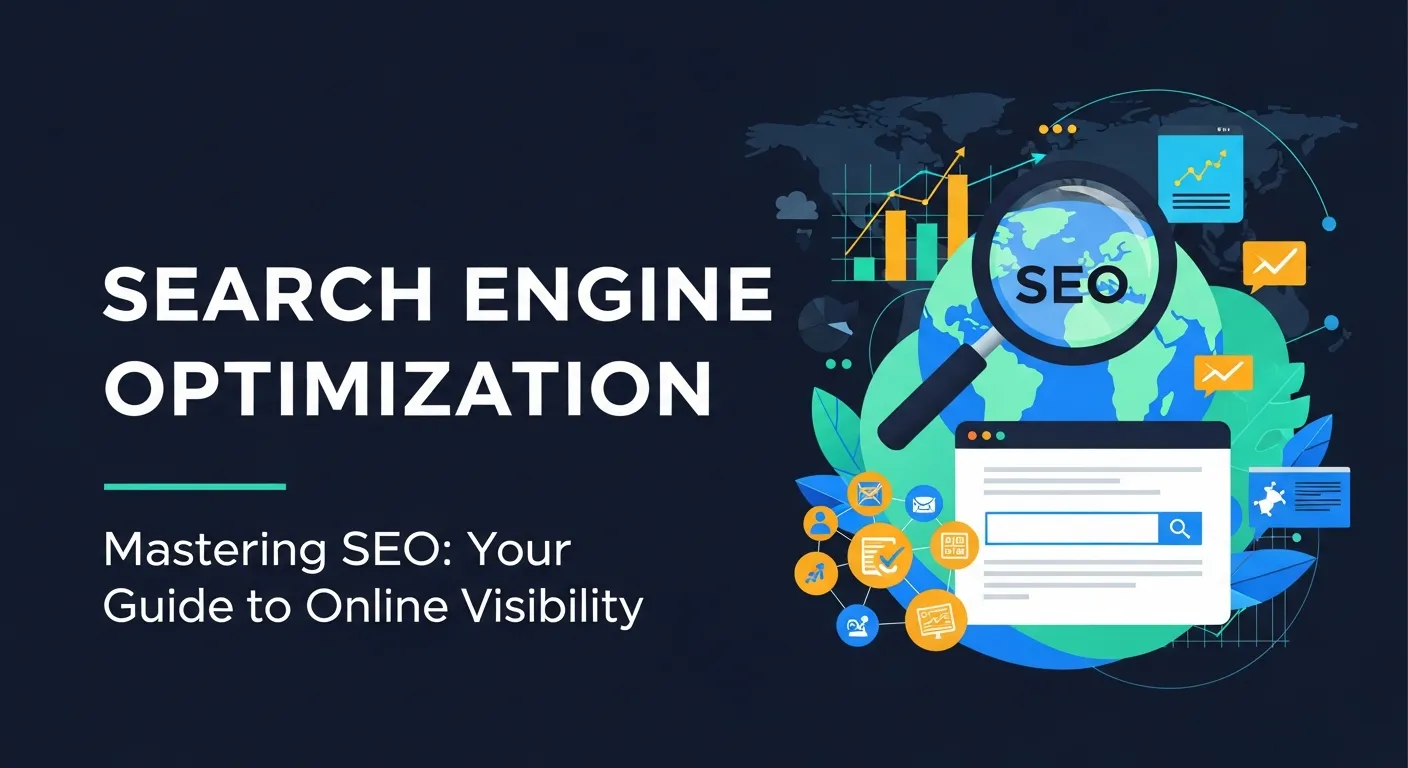
Strategy 3 – Search Engine Optimization (SEO)
On-Page SEO Techniques
On-page SEO services involve optimizing keywords, meta titles, meta descriptions, headings, internal links, and content quality. Proper keyword placement and high-value content improve rankings and organic traffic.
Technical SEO and Site Performance
Technical SEO focuses on site speed, mobile optimization, crawlability, indexing, and structured data. A fast and technically optimized website improves user experience and search engine rankings.
Off-Page SEO and Backlink Building
Off-page SEO includes building high-quality backlinks, brand mentions, and authority signals. Guest blogging, PR campaigns, and partnerships help improve domain authority and search visibility.
Strategy 4 – Pay-Per-Click (PPC) Advertising
Google Ads and Search Advertising
Google search ads target users actively searching for products or services. Keyword bidding and ad copy optimization drive high-intent traffic and immediate conversions.
Display and Retargeting Ads
Display ads increase brand awareness, while retargeting ads re-engage visitors who previously interacted with your website. Retargeting significantly improves conversion rates.
PPC Budgeting and ROI Optimization
Effective PPC budgeting involves setting clear goals, monitoring CPC, and optimizing campaigns using A/B testing and conversion tracking to maximize return on investment.
Strategy 5 – Email Marketing Strategy
Building an Email List
Email list building involves lead magnets, signup forms, gated content, and newsletters. A high-quality email list is a valuable asset for direct customer communication.
Email Automation and Campaign Types
Email automation includes welcome emails, drip campaigns, abandoned cart emails, and promotional newsletters. Automation saves time and increases conversions.
Personalization and Segmentation Techniques
Personalized emails and segmented campaigns improve open rates, engagement, and sales by delivering relevant content to specific audience groups.
Strategy 6 – Influencer and Affiliate Marketing
Influencer Marketing for Brand Awareness
Influencer marketing uses trusted creators to promote brands and build credibility. Micro-influencers often deliver higher engagement and authenticity.
Affiliate Marketing for Sales Growth
Affiliate marketing rewards partners for driving sales. It is performance-based, making it a cost-effective advertising strategy.
Partner Program Strategy and Commission Models
Businesses can offer percentage commissions, fixed payouts, or tiered rewards to motivate affiliates and partners to promote products effectively.
Strategy 7 – Referral Marketing Strategy
How Referral Marketing Works
Referral marketing encourages existing customers to recommend products to others, leveraging trust-based marketing to generate high-quality leads.
Referral Program Incentives and Rewards
Rewards such as discounts, cash incentives, and loyalty points motivate customers to refer others and increase program participation.
Building a Referral Marketing System
A structured referral system includes tracking, automated rewards, referral landing pages, and analytics for word-of-mouth scalable growth.
Strategy 8 – Video Marketing and Advertising
YouTube and Short-Form Video Platforms
YouTube, TikTok, Instagram Reels, and Shorts are powerful channels for reaching large audiences and increasing brand awareness.
Video Ads vs Organic Video Content
Video ads provide immediate reach, while organic video content builds long-term audience trust and engagement. Combining both maximizes impact.
Video Marketing Funnel Strategy
Video marketing should align with the buyer funnel, using awareness videos, consideration content, and conversion-focused testimonials or demos.
Strategy 9 – Branding and Positioning Strategy
Brand Identity and Messaging
Brand identity includes logo, tone, colors, and messaging. Consistent branding builds recognition and trust among customers.
Unique Value Proposition (UVP)
A strong Unique Value Proposition (UVP) clearly explains why customers should choose your brand over competitors, highlighting unique benefits and differentiation.
Trust-Building and Social Proof
Reviews, testimonials, case studies, and certifications build credibility and influence purchasing decisions.
Strategy 10 – Data-Driven Marketing and Automation
Marketing Analytics and KPIs
Key metrics such as conversion rate, CAC, ROI, CTR, and LTV help businesses measure performance and optimize marketing campaigns.
Marketing Automation Tools and CRM
Automation tools and CRM systems streamline lead nurturing, email campaigns, and customer management, improving efficiency and scalability.
AI and Personalization in Marketing
AI-driven marketing enables predictive analytics, personalized content, chatbots, and automated recommendations, enhancing customer experience and increasing conversions.
How to Combine Marketing and Advertising Strategies for Maximum Growth
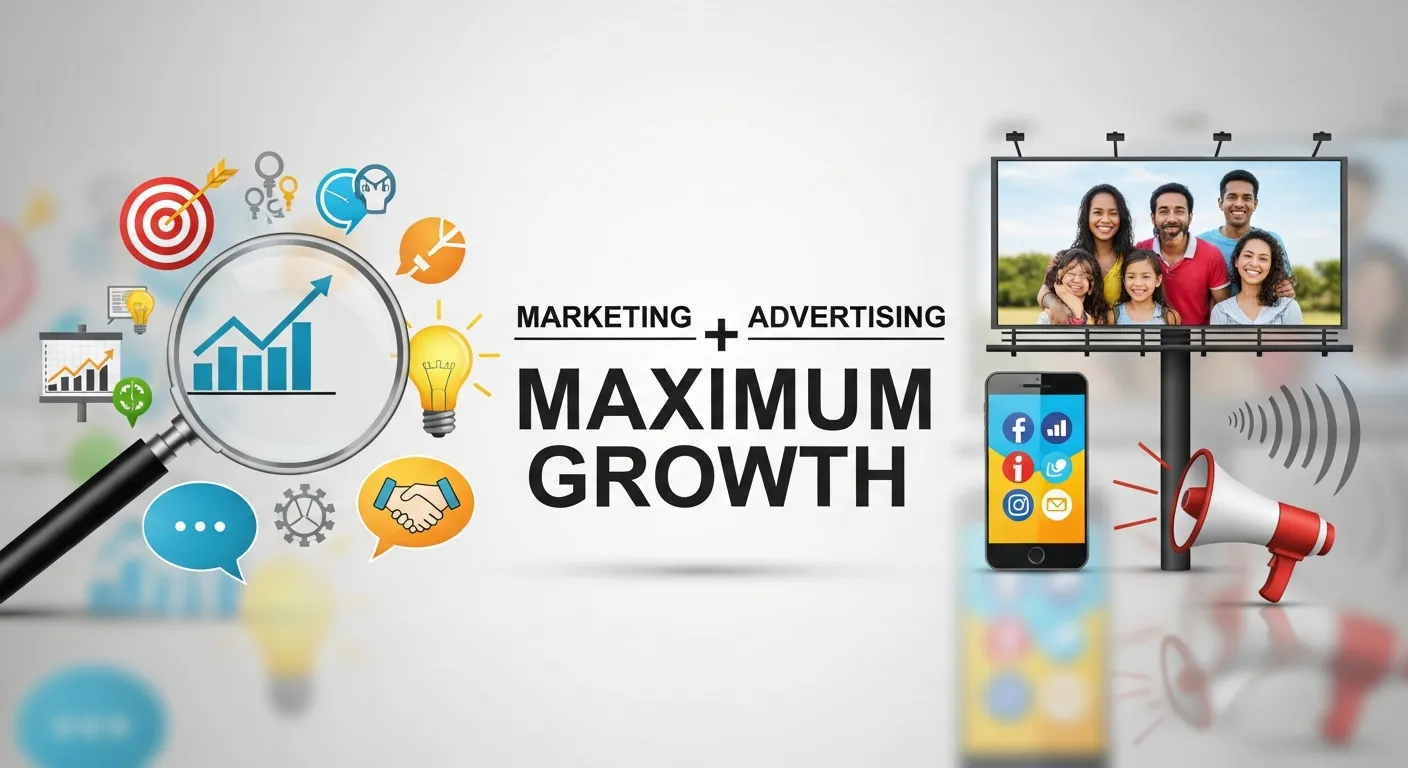
Combining Marketing and Advertising Strategies creates a unified growth system that attracts, nurtures, and converts customers across multiple touchpoints. When businesses align organic marketing efforts with paid advertising campaigns, they maximize visibility, improve conversions, and build long-term customer relationships. A strategic integration ensures consistent messaging, efficient budget allocation, and a seamless customer journey from awareness to retention.
Integrated Marketing Funnel Approach
An integrated marketing funnel connects marketing and advertising strategies across four key stages: awareness, consideration, conversion, and retention.
At the awareness stage, businesses use content marketing, social media, and display ads to attract attention. During the consideration stage, SEO, email marketing, and retargeting ads educate and nurture potential customers. In the conversion stage, PPC ads, landing pages, and referral marketing drive purchases or sign-ups. Finally, the retention stage focuses on loyalty programs, email campaigns, and personalized offers to keep customers engaged and increase lifetime value.
This funnel-based approach ensures marketing and advertising strategies work together to guide customers through the buyer journey effectively.
Cross-Channel Marketing Strategy
A cross-channel marketing strategy ensures consistent messaging across multiple platforms such as social media, search engines, email, websites, and paid ads. By integrating channels, businesses can reinforce brand messages and reach customers wherever they are active. For example, a user may discover a brand through social media, research it via Google search, and finally convert through a retargeting ad or email campaign. Cross-channel consistency improves brand recall, trust, and conversion rates.
Omnichannel Customer Experience
An omnichannel approach focuses on delivering a seamless and personalized customer experience across all touchpoints, both online and offline. Whether customers interact through a website, mobile app, social media, email, or physical store, the experience remains consistent and connected. Omnichannel marketing uses data and automation to personalize interactions, improve customer satisfaction, and increase retention. By combining marketing and advertising strategies in an omnichannel framework, businesses can create a unified brand journey that drives sustainable growth.
Common Mistakes in Marketing and Advertising Strategies
No Clear Marketing Strategy or Plan
One of the biggest mistakes businesses make is launching marketing and advertising campaigns without a clear strategy. Without defined goals, target metrics, and a roadmap, campaigns become scattered and ineffective. A well-documented marketing plan helps align channels, budgets, messaging, and timelines, ensuring every campaign supports business objectives such as lead generation, sales growth, or brand awareness.
Ignoring Target Audience and Personas
Ignoring the target audience leads to wasted ad spend and low engagement. Businesses must define buyer personas based on demographics, behavior, interests, and pain points. Personalized messaging and targeted campaigns resonate better with customers, improving click-through rates, conversions, and customer satisfaction.
Not Tracking ROI and Performance Metrics
Failing to track key metrics such as ROI, conversion rate, customer acquisition cost, and lifetime value prevents data-driven optimization. Without analytics, businesses cannot identify what works or scale successful campaigns. Regular performance tracking and A/B testing are essential for continuous improvement.
Over-Reliance on Paid Advertising
Relying only on paid advertising can be risky and expensive. While PPC and social ads drive quick traffic, organic strategies like SEO, content marketing, and email nurture provide long-term, sustainable growth. A balanced approach reduces costs and improves brand authority.
Future Trends in Marketing and Advertising Strategies
AI-Powered Marketing Automation
Artificial intelligence is transforming marketing through predictive analytics, automated content creation, chatbots, and personalized campaigns. AI-driven tools optimize ad targeting, customer segmentation, and marketing workflows, increasing efficiency and ROI.
Voice Search and Conversational Marketing
With the rise of smart assistants and voice-enabled devices, voice search optimization and conversational marketing are becoming critical. Businesses are adopting voice SEO, chatbots, and messaging platforms to provide instant and personalized customer interactions.
AR/VR and Interactive Advertising
Augmented reality (AR) and virtual reality (VR) are creating immersive advertising experiences. Brands use interactive ads, virtual product demos, and AR filters to engage customers and increase purchase confidence, especially in e-commerce and retail.
Personalization and Hyper-Targeting
Personalization is moving toward hyper-targeting, where campaigns are tailored based on real-time user behavior, preferences, and data insights. Dynamic ads, personalized email content, and AI-driven recommendations improve engagement, conversions, and customer loyalty.
Case Studies of Successful Marketing and Advertising Strategies
Real-world case studies demonstrate how effective Marketing and Advertising Strategies can drive rapid business growth, increase brand awareness, and maximize revenue. Below are three examples showing how businesses at different stages used integrated strategies to achieve success.
Small Business Growth Case Study
A local e-commerce fashion brand struggled to compete with larger competitors due to limited advertising budgets. The business implemented a combined content marketing and social media strategy, focusing on SEO-optimized blog content, Instagram reels, and email campaigns. By targeting long-tail keywords and showcasing user-generated content, the brand built organic traffic and customer trust.
They also launched retargeting ads on Facebook to re-engage website visitors who abandoned carts. Within six months, organic traffic increased by 120%, conversion rates improved by 35%, and marketing costs dropped significantly. This case highlights how small businesses can scale using low-cost marketing and advertising strategies.
Startup Digital Marketing Success Story
A SaaS startup aimed to acquire users quickly while maintaining a low customer acquisition cost. They used a data-driven marketing funnel combining SEO, PPC, and referral marketing. Google Ads campaigns targeted high-intent keywords, while educational blogs and webinars nurtured leads during the consideration stage.
The startup also introduced a referral program that rewarded users with free subscription credits for inviting others. This created a viral loop, generating exponential user growth. In one year, the company grew its user base by 300%, reduced acquisition costs by 40%, and increased lifetime value through automated email nurturing. This demonstrates how integrated digital marketing and advertising strategies can accelerate startup growth.
Enterprise Brand Advertising Strategy Example
A global consumer electronics brand wanted to increase brand awareness and product sales across multiple regions. The company launched a multi-channel advertising campaign combining TV commercials, YouTube ads, influencer partnerships, and search advertising. They used AI-powered audience segmentation to personalize ad messaging across platforms.
Retargeting ads were used to convert website visitors, while loyalty programs encouraged repeat purchases. The omnichannel strategy ensured consistent messaging across online and offline touchpoints. As a result, the brand saw a 25% increase in online sales, higher brand recall, and improved customer retention rates. This enterprise case proves the power of omnichannel marketing and advertising strategies at scale.
Metrics and KPIs to Measure Marketing and Advertising Success
Key Performance Indicators (KPIs)
Tracking KPIs helps businesses understand whether their Marketing and Advertising Strategies are working. Important KPIs include website traffic, conversion rate, click-through rate (CTR), cost per lead (CPL), and customer acquisition cost (CAC). These metrics help measure campaign effectiveness and optimize performance.
Return on Investment (ROI) and Customer Lifetime Value (LTV)
ROI measures how much revenue is generated from marketing spend, while LTV shows the total value a customer brings over time. Combining these metrics helps businesses allocate budgets effectively and scale profitable campaigns.
Marketing Analytics Tools
Tools like Google Analytics, Google Search Console, HubSpot, and CRM platforms provide insights into customer behavior, campaign performance, and revenue attribution, enabling data-driven decision-making.
Budget Planning for Marketing and Advertising Strategies
Setting a Marketing Budget
Businesses should allocate budgets based on goals, industry benchmarks, and revenue targets. Startups may invest more in paid ads for rapid growth, while established brands may focus on branding and retention.
Paid vs Organic Marketing Budget Allocation
A balanced strategy includes paid channels for quick results and organic channels like SEO and content marketing for long-term growth. Diversifying the budget reduces risk and increases sustainability.
Scaling Marketing Spend
Scaling involves increasing budget on high-performing channels while reducing spend on low-performing campaigns. Continuous testing and optimization ensure maximum ROI.
Marketing and Advertising Strategies for Different Business Models
B2B Marketing and Advertising Strategies
B2B companies focus on LinkedIn marketing, account-based marketing (ABM), email nurturing, webinars, and content marketing to generate high-quality leads.
B2C Marketing and Advertising Strategies
B2C brands use social media ads, influencer marketing, referral programs, and e-commerce optimization to drive impulse purchases and brand loyalty.
Local Business Marketing Strategies
Local businesses benefit from Google My Business optimization, local SEO, paid local search ads, and community marketing to attract nearby customers.
Marketing and Advertising Strategies for Different Industries
E-commerce Marketing Strategies
E-commerce brands use product ads, retargeting campaigns, email automation, and influencer marketing to increase conversions and repeat purchases.
SaaS and Tech Marketing Strategies
SaaS companies rely on content marketing, free trials, PPC, and referral programs to acquire users and increase subscriptions.
Service-Based Business Marketing Strategies
Service businesses use lead generation ads, SEO, testimonials, and reputation management to build trust and drive inquiries.
You can learn more about: How to Promote a Referral Program on Social Media?