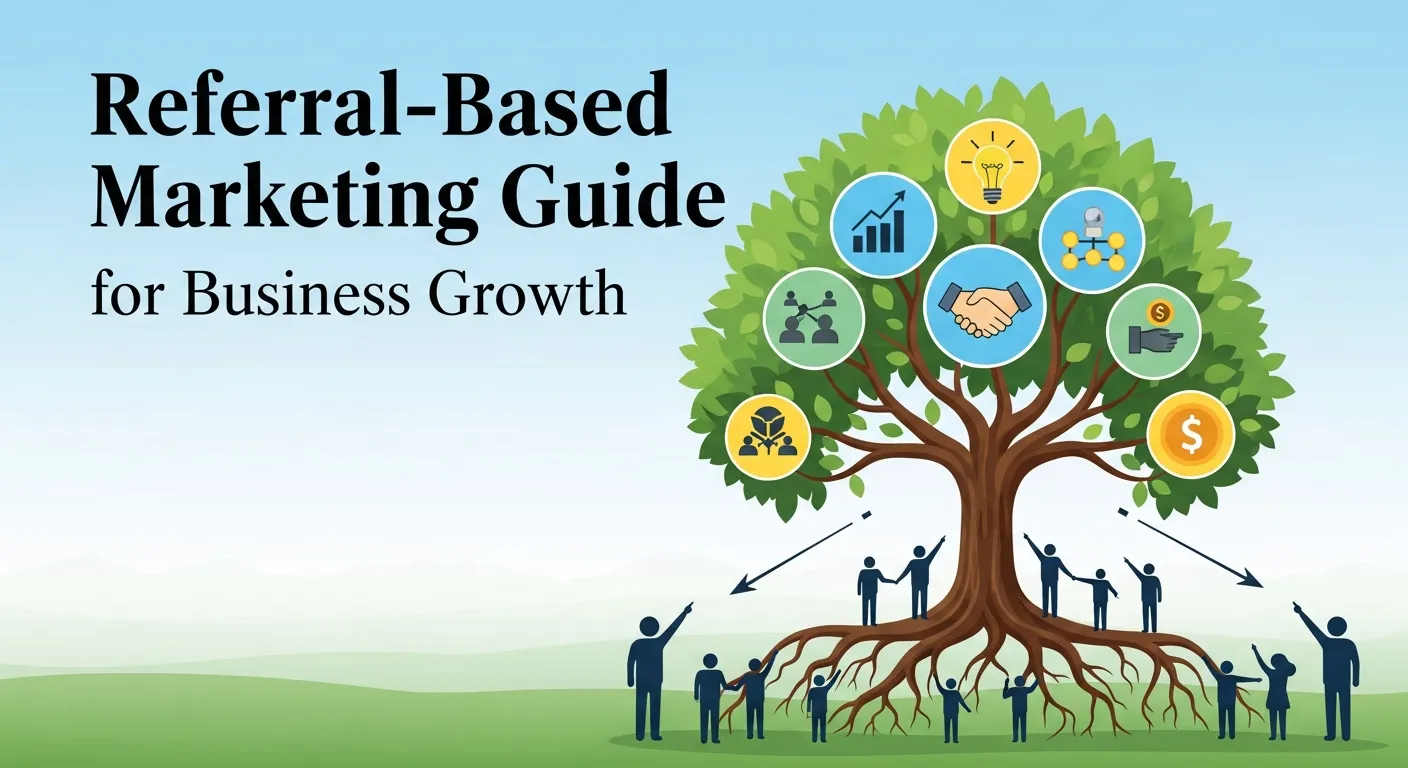
Referral-based marketing uses customer recommendations to drive growth, build trust, and reduce acquisition costs. With incentives, automation, and analytics, referral marketing creates scalable, high-converting customer acquisition and strengthens long-term brand loyalty.
Referral-based marketing is a powerful growth strategy that turns satisfied customers into brand advocates. By encouraging people to recommend products or services, businesses can acquire new customers through trusted personal connections. Unlike traditional advertising, referral marketing builds credibility, reduces acquisition costs, and drives high-quality leads. With the right incentives, technology, and tracking, referral marketing can create scalable and sustainable business growth.
What Is Referral-Based Marketing?
Referral-based marketing is a growth strategy where businesses motivate existing customers to recommend their products or services to others—usually friends, family, or colleagues. It builds on traditional word-of-mouth marketing but adds a structured incentive system to encourage more consistent and measurable referrals.
In a typical referral marketing program, both the referrer and the referred customer receive rewards. These incentives can include discounts, cash rewards, free products, account credits, or exclusive perks. This dual-reward system makes people more likely to share the brand because they benefit while helping others.
At its core, referral marketing is powered by trust-based marketing. People are naturally skeptical of ads, but they trust recommendations from people they know. In fact, studies show that 92% of consumers trust recommendations from friends and family more than any other form of marketing. That makes referral-based marketing one of the most credible and cost-effective customer acquisition strategies.
Why Referral-Based Marketing Is Important
Referral-based marketing is important because it leverages trust, reduces marketing costs, and drives high-quality customers.
1. Builds Trust and Credibility
People trust recommendations from friends, family, or peers more than advertisements. When someone refers to a product or service, it comes with built-in credibility, making potential customers more likely to convert.
2. Lowers Customer Acquisition Costs
Traditional marketing channels like ads, SEO, and influencers can be expensive. Referral marketing relies on existing customers, which significantly reduces the cost of acquiring new customers.
3. Drives High-Quality Leads
Referred customers are usually more relevant and interested because they come through trusted sources. They tend to convert faster and have higher lifetime value.
4. Increases Customer Loyalty and Retention
When customers refer others, they feel more connected to the brand. Referral programs often reward both the referrer and the new customer, increasing engagement and retention.
5. Creates Viral Growth
A well-designed referral program can create a network effect—each customer brings more customers, leading to exponential growth without heavy marketing spend.
Key Benefits of Referral-Based Marketing
- Trust-driven Marketing: Recommendations from real people carry more credibility than paid advertisements.
- Low-Cost Customer Acquisition: Referral marketing often costs less than paid digital marketing channels like Pay-Per-Click (PPC) or social ads.
- Higher Conversion Rates: Referred customers are more likely to convert because they already trust the brand through the referrer.
- Stronger Customer Loyalty: Rewarding customers for referrals strengthens brand loyalty and long-term engagement.
- Scalable Growth Marketing: A well-designed referral program can create a viral loop where customers continuously bring in new users.
- Data-Driven Marketing Strategy: Referral programs allow businesses to track performance metrics such as referral rates, customer lifetime value, and ROI.
Advantages of Referral-Based Marketing
One of the biggest advantages is its impact on customer retention, since referred customers often remain loyal and continue engaging with the brand longer than traditionally acquired customers.
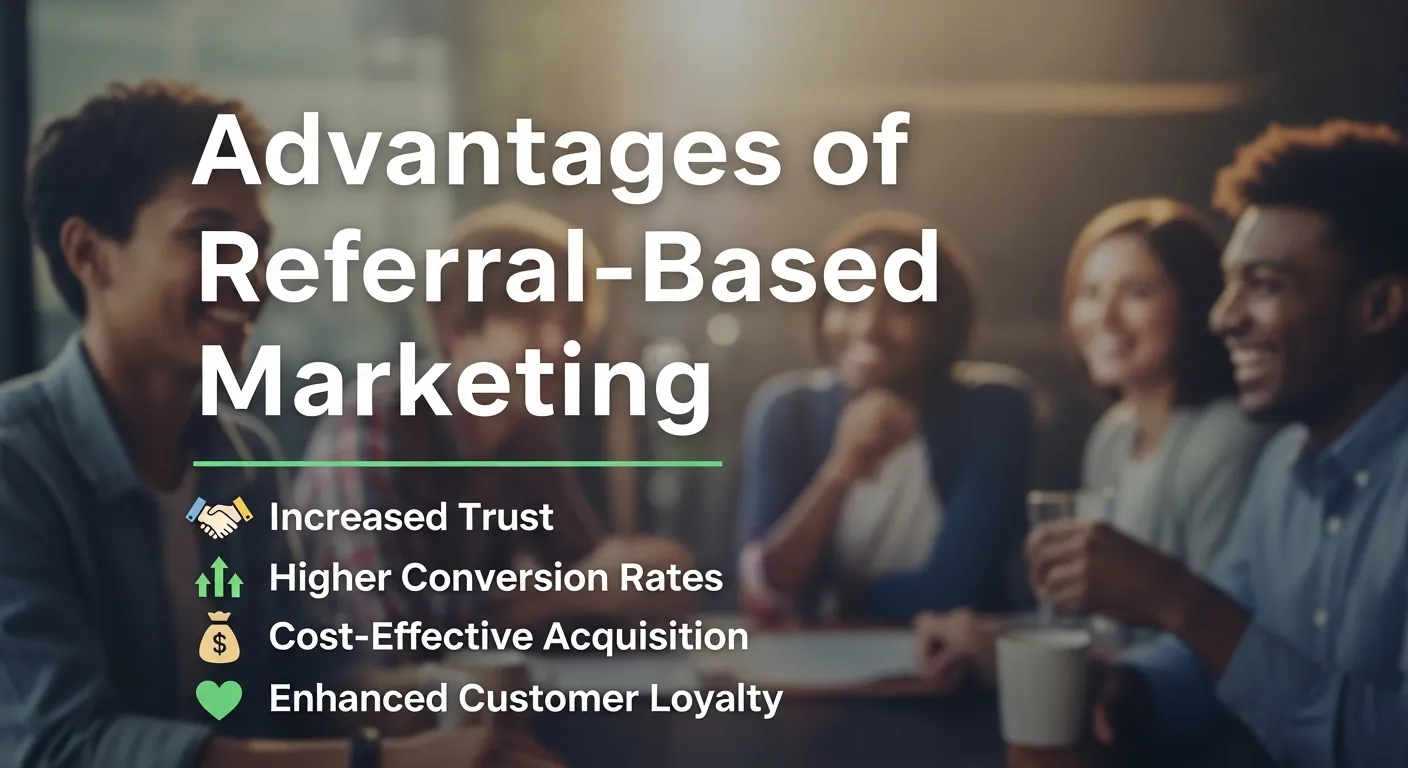
Cost-Effectiveness
Consider traditional marketing channels such as paid advertising or large campaigns. They can also be expensive, and results are not guaranteed. In contrast, referral marketing uses a pay-for-performance model. You only compensate customers for successful referrals, which is far more cost-effective than general advertising efforts.
Builds Trust
People are naturally suspicious of ads, but if it is a recommendation from someone they know, like, and trust, all that skepticism disappears. There is a level of credibility that comes with a recommendation from a friend that no commercial message, no matter how great, can mimic.
Raise the Lifetime Value of Your Customer
Referred customers are more likely to stick around. Why? They’re already pre-qualified as those consumers who derive value from the use of your product or service. And when they have a good experience, they’re more likely to refer others, generating a snowball effect for your coffers.
Creating a High-Converting Referral Program
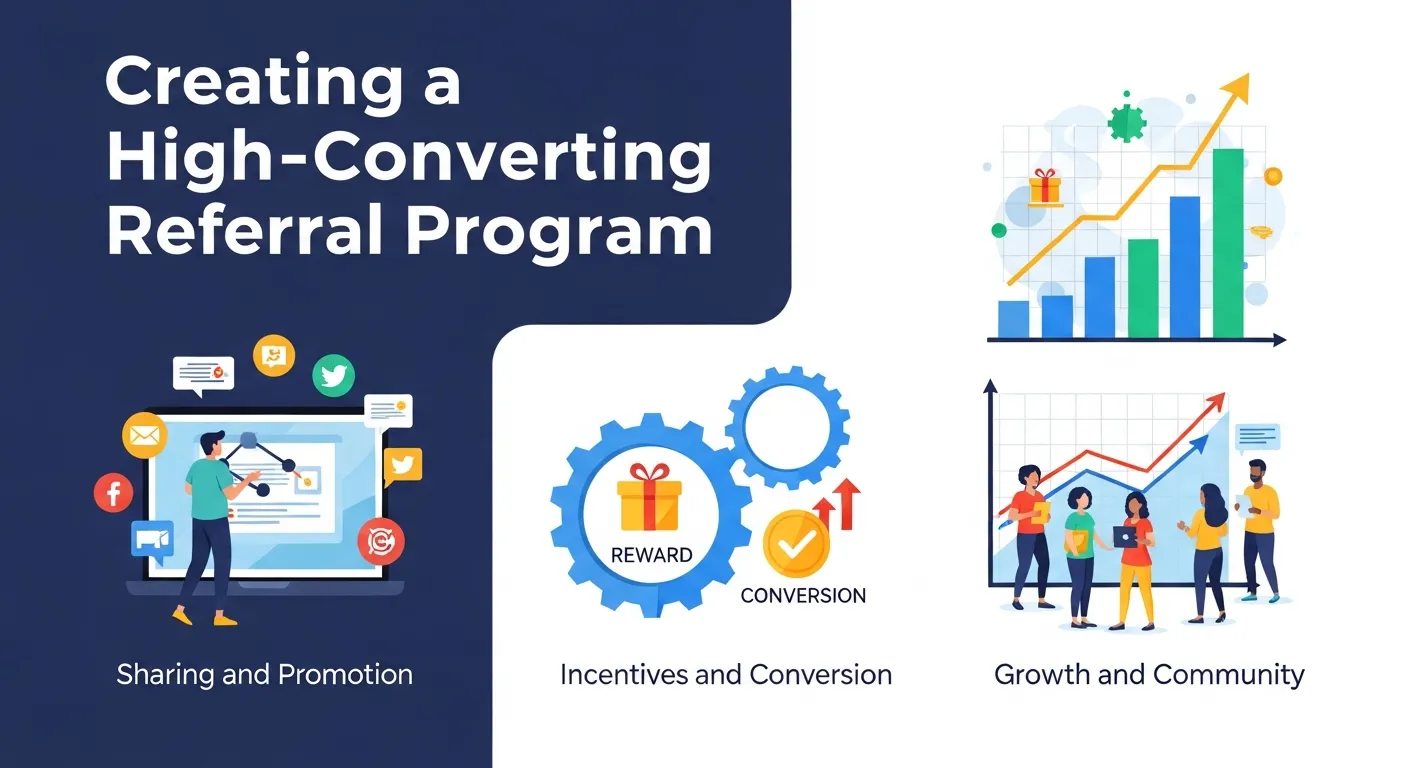
Before you start, it is important to have a plan for what you plan to achieve and something that your target audience can resonate with.
Define Clear Goals
Begin by asking, “What does success look like?” Is it a 20 percent increase in new customers? Boosting sales by 10%? New product line awareness? Setting measurable goals will enable you to develop a targeted program and then assess the results.
Identify Your Target Audience
Knowing your customer base is vital. Not every single one will get on board to refer customers, so concentrate your effort on those who are evangelists for your brand. What are the types of customers you can’t wait to leave a review or engage with on your social media? These are the people you want to raise.
Choose a Reward Structure
Your program is only as good as your rewards. Select incentives that touch on both the referrer and the referred. For instance:
- Discounts: Give them a percentage off the next time they purchase.
- Money: Benefit from some cash rewards.
- Free Items: Offer your product or a branded item for free.
- Points for Referral and Loyalty: Reward users when they refer your site to their friends.
Try using tests to find out which incentives lead to the most participation.
Common Mistakes to Avoid in Referral Marketing
Even the best referral programs can fail if certain pitfalls are overlooked. Knowing what to avoid will save time and maximize your program’s effectiveness.
Key Mistakes:
- Unclear Incentives: Offering vague or unattractive rewards may demotivate customers. Be specific and valuable.
- Complicated Process: If referring friends requires too many steps, customers will drop off. Make sharing simple.
- Ignoring Low-Performing Channels: Not all channels work for your audience. Track which platforms bring results and focus there.
- Neglecting Communication: Failing to remind participants or acknowledge referrals reduces engagement. Send follow-ups and thank-you messages.
- Over-Rewarding the Wrong Behavior: Rewarding any action without ensuring quality referrals can waste resources. Focus on actions that lead to real conversions.
Tip: Regularly audit your program to fix friction points and ensure it continues to drive growth efficiently.
Market Your Referral Program
A refer-a-friend program is only as good as the marketing behind it. Let your customers know by using some or all of these methods:
Leverage Social Media
Your social channels are great for getting the message out. Get creative with your referrals: Instagram posts, Instagram Stories, or reels with how your gamified referral program works. Motivate your current followers to promote your content to their followers.
Send Personalized Emails
Create focused email campaigns to encourage current customers to participate in the program. Promote the benefits of referring friends, and make it effortless with shareable referral links.
Showcase It on Your Website
Feature the referral program on a visible part of your website. Whether it’s a banner on your homepage or a dedicated page with all the details, visitors should not have to search for it. Have a transparent call-to-action, such as “Earn Rewards by Referring Friends Today.”
Partner With Influencers
Recruit influencers in your niche to spread the word. Their current fans are already believing in them, so when they put their stamp on your referral program, it’s an even stronger one.
Leveraging Technology to Supercharge Your Referral Program
Technology can make or break your referral marketing efforts. While manual tracking and spreadsheets are possible, modern tools can automate the process, improve accuracy, and create a seamless experience for both you and your customers.
Benefits of Using Technology in Referral Marketing:
- Automation: Automatically send referral invites, reminders, and rewards without manual intervention.
- Personalization: Tailor referral emails or in-app notifications based on customer behavior, purchase history, or engagement level.
- Tracking and Analytics: Monitor referral performance in real time, including referral sources, conversion rates, and lifetime value of referred customers.
- Scalability: Easily manage thousands of participants as your program grows.
Popular Tools to Consider:
| Tool | Best For | Key Features |
|---|---|---|
| ReferralCandy | E-commerce | Automated reward delivery, customizable referral emails, integration with Shopify/Shopify Plus |
| Friendbuy | B2C & B2B | Real-time analytics, segmentation, multi-channel sharing |
| Referral Rock | B2B & Service | CRM integration, advanced tracking, white-labeled portals |
| Yotpo | E-commerce | Reviews + referral integration, loyalty program linkage, social sharing |
Tips for Maximizing Technology:
- Integrate your referral tool with your CRM and email system for a seamless workflow.
- Set up automated reminders for customers who haven’t yet been referred.
- Use analytics dashboards to identify high-performing advocates and reward them appropriately.
- Experiment with gamified elements such as leaderboards or point systems for extra engagement.
Leveraging technology not only simplifies program management but also enhances customer experience, increases participation, and ensures your referral program drives real growth.
Results Tracking and Analysis
By tracking the performance of your referral program, you can know exactly what decision to take in order to optimize and grow your referral channel.
Key Metrics to Monitor
- Referral Conversion Rate %: The ratio of referred customers acquired by the number of people invited to buy.
- Referral Rate: The percentage of customers who are participating in your program.
- Customer Retention Rate – Understand how long your referred customer sticks with your business.
- Revenue Growth: Assess the broader economic effect of the program.
Tools for Tracking
There are multiple software programs on the market that you can use to automate the tracking and reporting of your referral marketing. Popular ones include:
- ReferralCandy: Perfect for e-commerce stores to set up rewards and track performance.
- Friendbuy: Includes built-in analytics and seamless integration with current systems.
- Referral Rock: Built with B2B and service businesses in mind to streamline their programs.
By taking a close look at these metrics on a consistent basis, you’ll know what’s working and what isn’t, and you can make necessary adjustments to ensure you get the most out of your program.
Referral Program Ideas to Boost Engagement
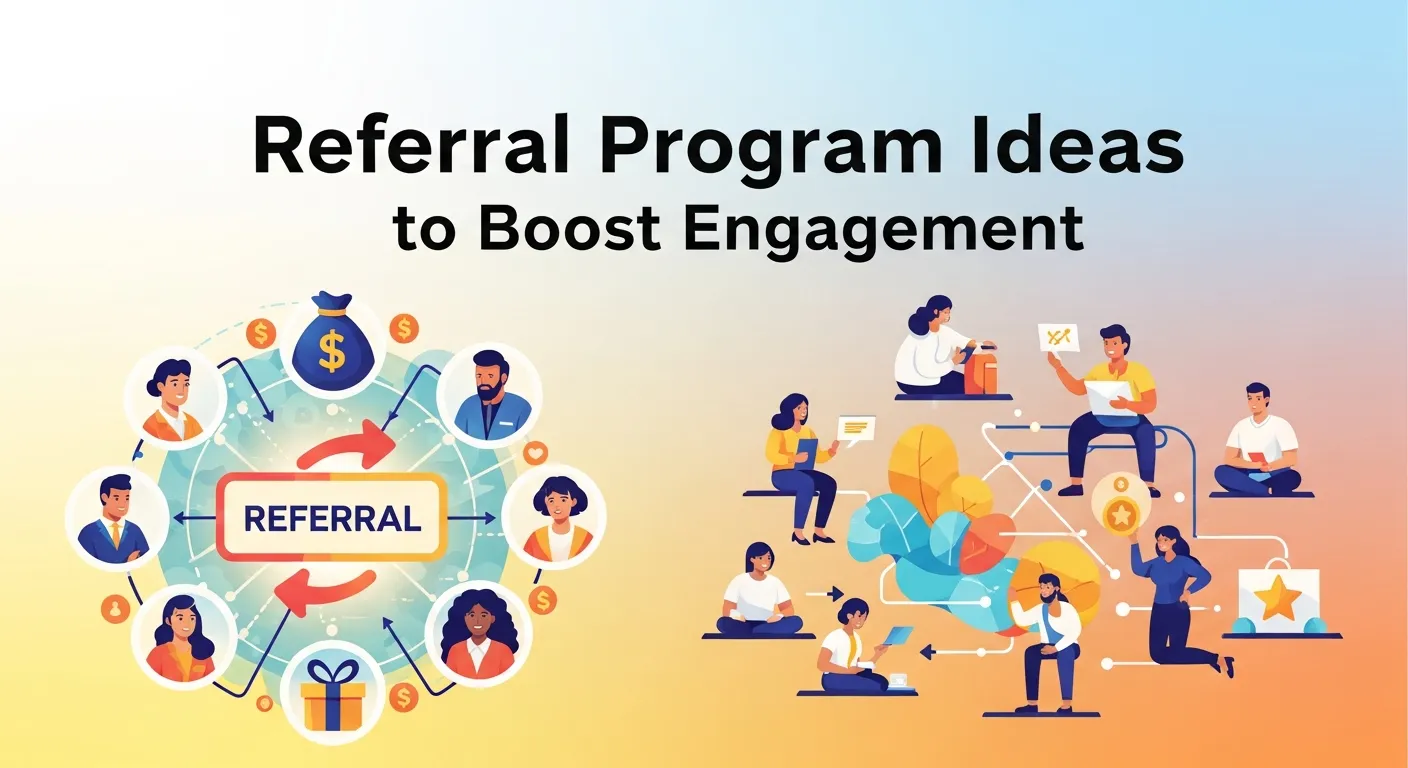
Keeping your program fresh and exciting is key to sustained participation. Consider incorporating these strategies:
Creative Referral Program Ideas:
| Idea | How It Works | Benefit |
|---|---|---|
| Tiered Rewards | Participants unlock higher rewards after multiple referrals | Encourages repeat engagement |
| Seasonal Campaigns | Special bonuses during holidays or events | Creates urgency and excitement |
| VIP or Exclusive Access | Top referrers get early access to new products | Builds status and loyalty |
| Gamification | Points, badges, or leaderboards for referrals | Makes referral fun and competitive |
| Social Sharing Challenges | Encourage sharing via Instagram, TikTok, or Facebook | Expands reach organically |
These ideas can be mixed and matched depending on your audience type, business model, and product offering.
Leveraging Technology to Streamline Referral Programs
Automation and data tracking are crucial for scaling your referral marketing efficiently. Modern tools reduce manual work and improve accuracy.
How Technology Helps:
- Automated Tracking: Referral software automatically tracks who referred whom, conversion rates, and rewards.
- Personalized Messaging: Tools can send tailored emails or notifications based on referral milestones.
- Integration with CRM: Sync referral data with your CRM to analyze customer value and program effectiveness.
- Analytics Dashboards: Visualize program performance and optimize strategies with real-time insights.
Recommended Tools:
- ReferralCandy: Great for e-commerce, automates rewards and email campaigns.
- Friendbuy: Offers seamless integrations and referral analytics for multiple channels.
- Referral Rock: Designed for B2B and service businesses with customizable workflows.
Tip: Use these tools not just to track, but also to analyze patterns in your most successful referrers—then replicate those strategies for future growth.
Generate Growth With the Power of Referrals
Word-of-mouth advertising isn’t just a marketing tactic; it’s a powerful way to help your business grow while building a satisfied customer base. By exploiting trust, rewarding advocacy, and monitoring performance, you unlock a cycle whereby happy customers in turn bring in more happy customers.
Now it’s time to take action. Get started with your referral marketing program right away and realize the power of word-of-mouth advertising, only with a modern twist! Done correctly, the effects on your business will be indisputable.
Measuring the ROI of Your Referral Program
Once your referral program is running, it’s essential to evaluate whether it’s delivering real business value. Measuring ROI helps you optimize campaigns, allocate budget wisely, and demonstrate the impact of referrals on growth.
Key Metrics to Track:
| Metric | What It Tells You | How to Track |
|---|---|---|
| Referral Conversion Rate | Percentage of referred leads that become paying customers | Track via CRM or referral software |
| Cost per Referral | Amount spent (rewards, incentives) divided by the number of successful referrals | Include reward costs, marketing campaigns, and software fees |
| Customer Lifetime Value (CLV) of Referred Customers | Shows the long-term value of referred clients vs. non-referred | Compare average revenue and retention rates |
| Participation Rate | The percentage of existing customers who actively refer | Track via referral program dashboards |
| Viral Coefficient | Average number of additional customers each new referral brings | Use analytics from the referral platform |
Tips for Measuring ROI Effectively:
- Segment Your Data: Compare referred vs. non-referred customers to see the true impact.
- Track Over Time: Monitor trends rather than just short-term results.
- Adjust Incentives: If participation is low, consider testing new reward structures.
- Integrate Analytics Tools: Use Google Analytics, referral software dashboards, and CRM reports for a comprehensive view.
By regularly measuring ROI, you’ll understand which referral strategies are most profitable, make data-driven improvements, and ensure your referral program scales efficiently.
Conclusion
Referral-based marketing is one of the most effective and cost-efficient ways to grow a business. By leveraging trust, rewarding advocacy, and tracking performance, companies can create a continuous cycle of customer acquisition and retention. When supported by technology and data-driven optimization, referral marketing can deliver long-term growth, higher customer lifetime value, and strong brand loyalty. Implementing a structured referral program can significantly enhance your overall marketing strategy.
FAQ: Referral-Based Marketing
1. What is referral-based marketing?
Answer: Referral-based marketing is a strategy where businesses encourage existing customers to recommend their products or services to others, usually in exchange for rewards or incentives.
2. How does referral marketing differ from word-of-mouth marketing?
Answer: Word-of-mouth is organic and informal, while referral marketing is structured, incentivized, and tracked using systems and tools.
3. Why is referral marketing important for businesses?
Answer: It builds trust, reduces customer acquisition costs, increases conversion rates, and helps generate high-quality leads through trusted recommendations.
4. What types of incentives are used in referral programs?
Answer: Common incentives include discounts, cash rewards, free products, loyalty points, account credits, and exclusive perks for both referrers and referred customers.
5. How does referral marketing help reduce marketing costs?
Answer: Businesses only pay rewards when a successful referral converts, making it a pay-for-performance model that is more cost-effective than traditional advertising.
6. What are the key benefits of referral-based marketing?
Answer: Benefits include higher conversion rates, stronger customer loyalty, scalable growth, improved retention, and data-driven insights into customer behavior.
7. What metrics should you track in a referral program?
Answer: Important metrics include referral conversion rate, participation rate, customer lifetime value (CLV), cost per referral, retention rate, and viral coefficient.
8. What are common mistakes in referral marketing?
Answer: Common mistakes include unclear rewards, complicated referral processes, poor communication, rewarding low-quality referrals, and not tracking performance properly.
9. What tools can businesses use to manage referral programs?
Answer: Popular tools include ReferralCandy, Friendbuy, Referral Rock, and Yotpo, which help automate rewards, track referrals, and analyze performance.
10. How can businesses increase engagement in referral programs?
Answer: Businesses can use tiered rewards, gamification, seasonal campaigns, exclusive VIP perks, and social media challenges to encourage participation and repeat referrals.
Learn more about: Gamification in Referral Marketing: 7 Strategies to Drive Growth