Referral email marketing drives business growth by encouraging existing customers to refer new ones. It involves personalized emails, incentives, tracking, and optimization to increase customer acquisition and engagement effectively.
Referral email marketing is a strategy that encourages your existing customers to refer friends, family, or colleagues to your business through email campaigns. It leverages the trust and influence of your current customer base to expand your reach and acquire new customers at a lower cost than traditional marketing methods. By offering incentives such as discounts, rewards, or exclusive offers for successful referrals, businesses can create a win-win situation, benefiting both the referrer and the new customer.
Referral email marketing is crucial for driving business growth as it taps into the power of word-of-mouth while maintaining a measurable, scalable approach. It increases customer loyalty, boosts brand awareness, and generates high-quality leads.
In this blog, we will explore effective strategies for referral email marketing, share best practices for optimizing campaigns, and highlight tools that can help automate and track referral emails for better results.
What Is Referral Email Marketing?
Defining Referral Email Marketing
Referral email marketing is a strategy where businesses use email campaigns to encourage their existing customers to refer new customers to their products or services. These emails typically contain a referral link or an invitation to share the business with friends, family, or colleagues, often incentivizing referrals with rewards such as discounts, free products, or exclusive offers.
What sets referral email marketing apart from regular email marketing is its focus on generating referrals. While regular email marketing involves promoting a business or product directly to an email list, referral email marketing turns your customers into ambassadors. It taps into the trust and relationships your customers already have with their networks, making it a more organic and effective form of customer acquisition.
By utilizing referral email marketing, businesses can grow their customer base in a more cost-effective and targeted way, as referred customers tend to convert better and have a higher lifetime value.
Why Referral Email Marketing Is Important for Business Growth
Referral email marketing is an essential tool for business growth, primarily because of its impact on customer acquisition. It allows businesses to reach potential customers who are likely to trust the referral source, leading to higher-quality leads and increased conversions. When a customer refers someone to your business, they are essentially vouching for your brand, making the referred customer more likely to engage and buy.
In addition to customer acquisition, referral email marketing helps build trust with potential customers. People are more inclined to trust recommendations from friends or family than from traditional ads. This trust extends to the brand, fostering engagement and ultimately leading to higher customer loyalty. The more customers share their positive experiences through referrals, the stronger the brand’s reputation becomes, contributing to long-term business success.
How Referral Email Marketing Works
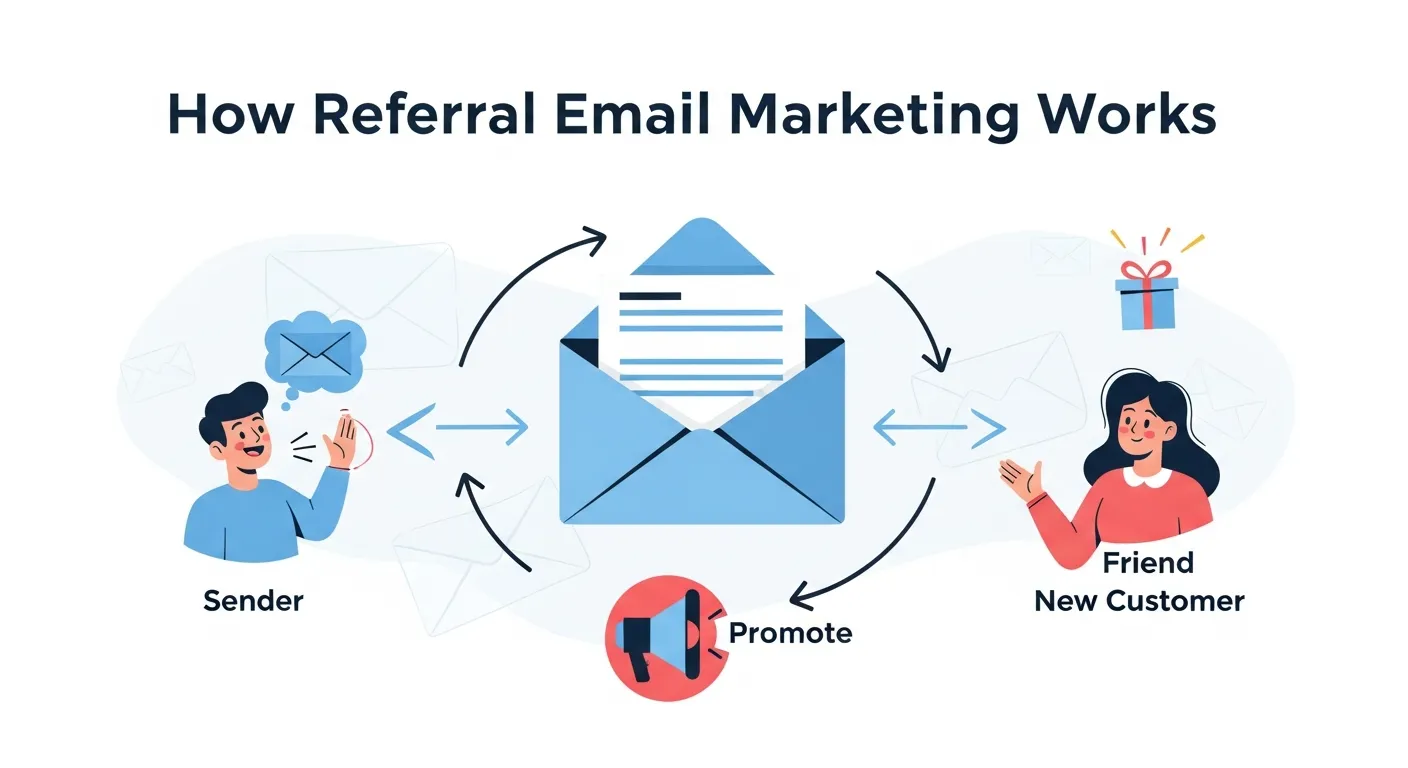
The Referral Process in Email Marketing
Referral email campaigns generally follow a straightforward process. Here’s a step-by-step explanation of how they operate:
- Target Audience: The business first identifies existing customers who are likely to be satisfied with the product or service and may be willing to refer others.
- Referral Invitation: Businesses send an email invitation to these customers, asking them to refer friends, family, or colleagues. This email often contains a unique referral link or a call to action encouraging them to share the brand.
- Referral Incentive: To encourage customers to take action, businesses offer incentives for successful referrals, such as discounts, free products, or even cash rewards.
- Referral Tracking: Referral links are tracked to ensure that the referrals are properly attributed to the referrer, allowing businesses to monitor the effectiveness of the campaign.
- Conversion: Referred customers who click on the link are typically offered their own incentive for signing up or making a purchase. This converts them into customers, completing the referral cycle.
Common referral triggers in email marketing campaigns include the use of referral links, discount codes, or exclusive incentives that encourage both the referrer and the referred to take action.
Creating Referral Email Campaigns That Drive Action
To ensure the success of a referral email campaign, businesses need to create emails that drive engagement and action. Here are some strategies for optimizing your referral email campaigns:
- Compelling Subject Lines: The subject line is the first thing your recipients see, so it needs to capture their attention. Use urgency, personalization, or clear value propositions, such as “Get $10 for Referring a Friend!” or “Your Friends Deserve This Exclusive Offer.”
- Engaging Email Copy: Keep your email copy concise, clear, and action-oriented. Explain the value of the referral program and how easy it is to refer others. Highlight the benefits both for the referrer and the referred customer to increase motivation.
- Clear Calls to Action (CTAs): Your referral email should have clear CTAs that guide the recipient to take action. Whether it’s clicking on a referral link, sharing a unique code, or signing up, make sure the steps are easy to follow and visually obvious within the email.
- Designing for Impact: Use simple and effective designs that focus on the referral offer. Include a prominent button or link that stands out and makes it easy for customers to refer others. Incorporating social proof, such as testimonials or customer success stories, can further encourage engagement.
By implementing these strategies, you can create referral email campaigns that not only get opened but also inspire recipients to take action, generating valuable referrals for your business.
Best Practices for Successful Referral Email Marketing
Personalizing Your Referral Emails
Personalization is a key factor in increasing the effectiveness of referral email campaigns. When emails are tailored to the recipient’s preferences or behaviors, they are more likely to engage with the content and take action. Personalized referral emails stand out in a crowded inbox, offering a more relevant and compelling message than generic ones.
Using customer data, such as past purchases, browsing history, or engagement with previous emails, you can craft messages that resonate with the recipient. For example, addressing the recipient by name or referencing a recent purchase or interaction makes the email feel more personal. You can also personalize referral incentives based on the recipient’s past behavior—offering discounts on products they’ve shown interest in or referring friends who share similar interests. Personalization can significantly boost open rates, click-through rates, and conversion rates, ultimately improving the success of your referral email marketing campaigns.
Offering Irresistible Incentives in Referral Emails
Incentives are a driving force behind the success of referral email campaigns. By offering attractive rewards, you create an extra layer of motivation for customers to refer others. Incentives can range from discounts and free products to exclusive offers or cash rewards. The goal is to make the act of referring so valuable that customers are compelled to share your brand with their network.
The best types of incentives vary depending on your business model and customer base. For e-commerce businesses, offering discounts or free products for both the referrer and the referred customer can be highly effective. For subscription services, offering extended trial periods, additional features, or discounts on subscription fees works well. In B2B contexts, incentives such as free consultations, access to premium content, or service upgrades may appeal to business customers. The key is to ensure the incentives are appealing, relevant, and aligned with your business objectives, helping drive both referrals and conversions.
Timing Your Referral Emails for Maximum Impact
The timing of your referral emails can significantly affect their success. Sending an email at the wrong time can lead to low engagement or even prompt unsubscribes, while sending it at the right time can significantly increase the chances of success.
Timing plays a crucial role in determining when your audience is most likely to take action. For instance, sending referral emails shortly after a customer makes a purchase (within 24-48 hours) can capitalize on their positive experience with your brand, making them more likely to refer friends and family. Additionally, sending follow-up emails at strategic intervals—such as after a few weeks or months—can encourage ongoing engagement and remind customers to refer others.
Optimal times for sending referral emails often align with general email marketing best practices, such as mid-morning or early afternoon during weekdays. However, testing different send times and analyzing results through A/B testing is important to determine what works best for your audience. The frequency of referral emails should also be balanced. Sending too many can overwhelm or annoy your customers, while too few can cause them to forget about the referral program. A good approach is to send referral emails periodically, such as once a month or after major events like product launches or promotions.
Tools and Platforms for Referral Email Marketing
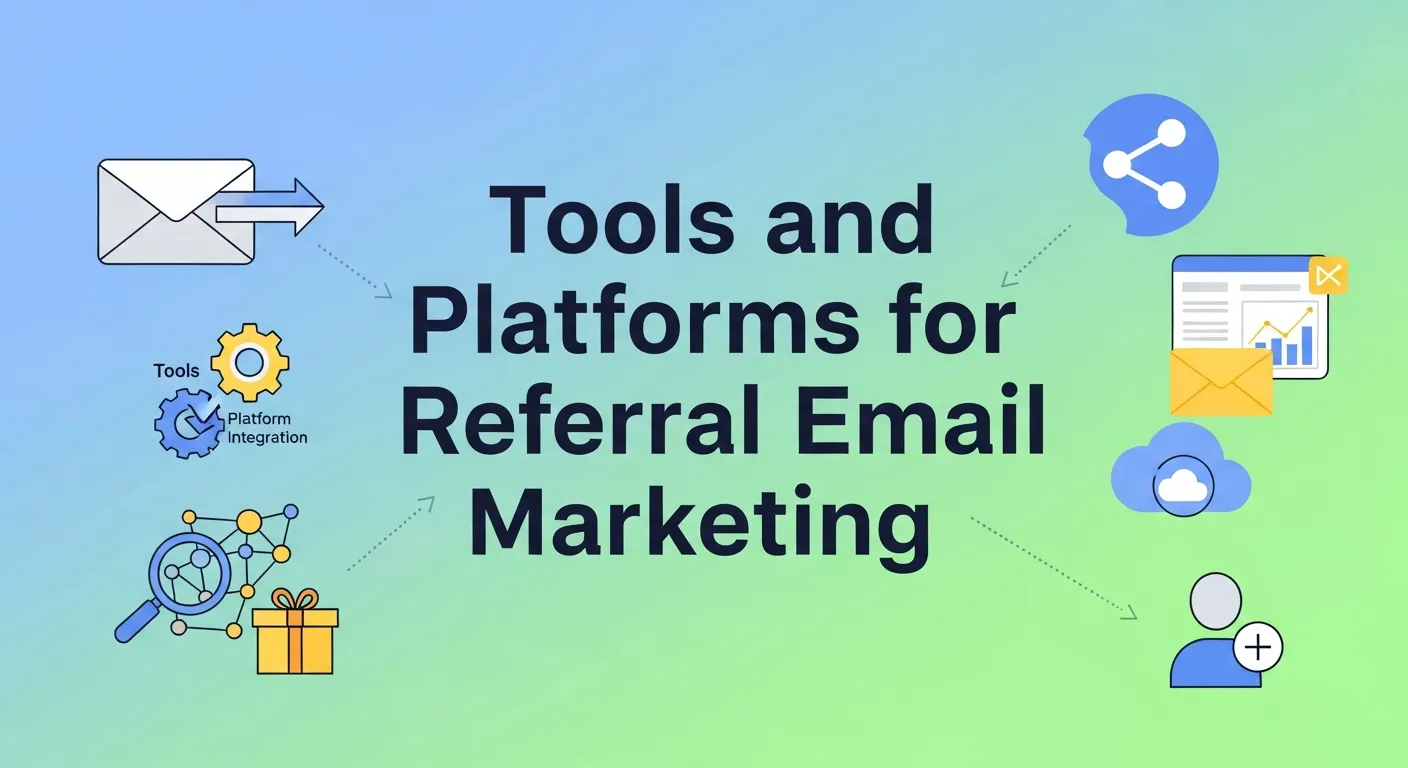
Email Marketing Platforms for Referral Campaigns
When it comes to running referral email campaigns, choosing the right email marketing platform is crucial to effectively manage and automate your efforts. Several platforms are specifically designed to optimize referral marketing by providing tools for email creation, segmentation, and automation.
Some of the popular email marketing tools for referral campaigns include:
- Mailchimp: One of the most widely used platforms, Mailchimp offers intuitive drag-and-drop email design, advanced segmentation, and automation features that can be particularly useful for managing referral campaigns. You can set up automated workflows to trigger referral emails, manage incentives, and track performance.
- ActiveCampaign: Known for its advanced automation capabilities, ActiveCampaign allows you to create personalized referral campaigns based on customer behavior and interactions. You can easily send referral emails, track the success of campaigns, and use its built-in CRM tools to nurture leads generated through referrals.
- ConvertKit: A great platform for creators and small businesses, ConvertKit allows you to create highly personalized email sequences. Referral program integration, it helps automate and track referral-driven signups and rewards.
- Klaviyo: This tool is ideal for e-commerce businesses and integrates seamlessly with platforms like Shopify. It enables you to send targeted referral emails based on customer behavior, segment users based on their purchasing history, and use its analytics to measure campaign performance.
When selecting a referral email marketing platform, key features to look for include:
- Automation: The ability to automate referral emails based on customer actions (e.g., after purchase, on sign-up).
- Segmentation: Advanced segmentation tools to target specific customer groups and personalize referral offers.
- A/B Testing: Built-in tools for A/B testing subject lines, email content, and incentives.
- Analytics and Reporting: The ability to track open rates, click-through rates, and conversions to measure the success of your referral campaigns.
Referral Tracking Tools for Measuring Success
To ensure your referral email marketing campaign is successful, it’s essential to track and measure key performance metrics. Referral tracking tools help you analyze the effectiveness of your campaigns, identify high-performing referral sources, and optimize future strategies.
Some useful referral tracking tools include:
- ReferralCandy: This platform integrates with your e-commerce store to automate the referral process. It allows you to track referrals, measure success, and issue rewards automatically. ReferralCandy also provides detailed reports on which customers are driving the most referrals.
- Post Affiliate Pro: A robust affiliate and referral tracking tool that tracks referrals across multiple channels. It provides deep insights into customer behaviors and campaign performance, making it ideal for businesses that need detailed data.
- Ambassador: This software focuses on automating the referral process and measuring performance through advanced analytics. It’s perfect for companies looking to manage multiple referral programs at once, tracking individual user performance and incentive payouts.
Key metrics to monitor when tracking referral campaigns include:
- Open Rates: The percentage of recipients who open your referral emails. This gives you an idea of how compelling your subject lines and email content are.
- Click-Through Rates (CTR): The percentage of people who click on links within the referral emails. This helps assess how engaging and effective your call-to-action is.
- Conversion Rates: The percentage of referrals who take the desired action (e.g., sign-up, purchase). This is the most important metric, as it tells you how well your referral system is driving business results.
By combining email marketing platforms with referral tracking tools, you can effectively measure the success of your campaigns, optimize for better results, and ensure that your referral program is contributing to business growth.
Case Studies: Successful Referral Email Marketing Campaigns
Case Study 1: How Company A Boosted Sales with Referral Emails
Company A, a consumer goods company, wanted to increase its customer base without spending a lot on paid advertising. They launched a referral email marketing campaign that rewarded both the referrer and the referred with discounts on future purchases. The company personalized their referral emails by addressing customers by name, mentioning their recent purchases, and offering discounts on products similar to what they had bought.
The key strategies Company A used to drive business growth included:
- Clear and compelling incentives: Offering both referrers and referred friends a discount on their next purchase created a win-win situation, motivating customers to act.
- Personalization: By tailoring the referral message to each customer’s preferences, Company A ensured that the emails felt more relevant and engaging.
- Social proof: Including customer testimonials and ratings within the email helped build trust, encouraging new customers to try the product.
As a result, the campaign drove a significant increase in referrals, resulting in a 30% growth in sales within three months, proving that referral email marketing can be a highly effective tool for increasing customer acquisition and sales.
Case Study 2: Referral Email Marketing in the SaaS Industry
In the SaaS company, companies are leveraging referral emails to expand their user bases. Company B, a SaaS provider, implemented a referral email campaign offering existing users an additional month of service for each successful referral. The emails were personalized to reflect the user’s usage patterns, offering them incentives that matched their service needs.
The key lessons learned from their campaign include:
- Targeting engaged users: By focusing on customers who had already shown significant engagement with the platform, they ensured the referral email was well-received and resulted in higher-quality leads.
- Incentives aligned with the product: Offering an additional month of service made sense for the SaaS model, as it provided real value to users.
- Easy sharing process: The email included a simple “refer a friend” link that allowed users to quickly share the offer with their networks.
This strategy led to a 50% increase in user sign-ups and reduced churn, proving that personalized referral email campaigns can be a powerful tool for SaaS businesses looking to expand their user base.
Common Challenges in Referral Email Marketing
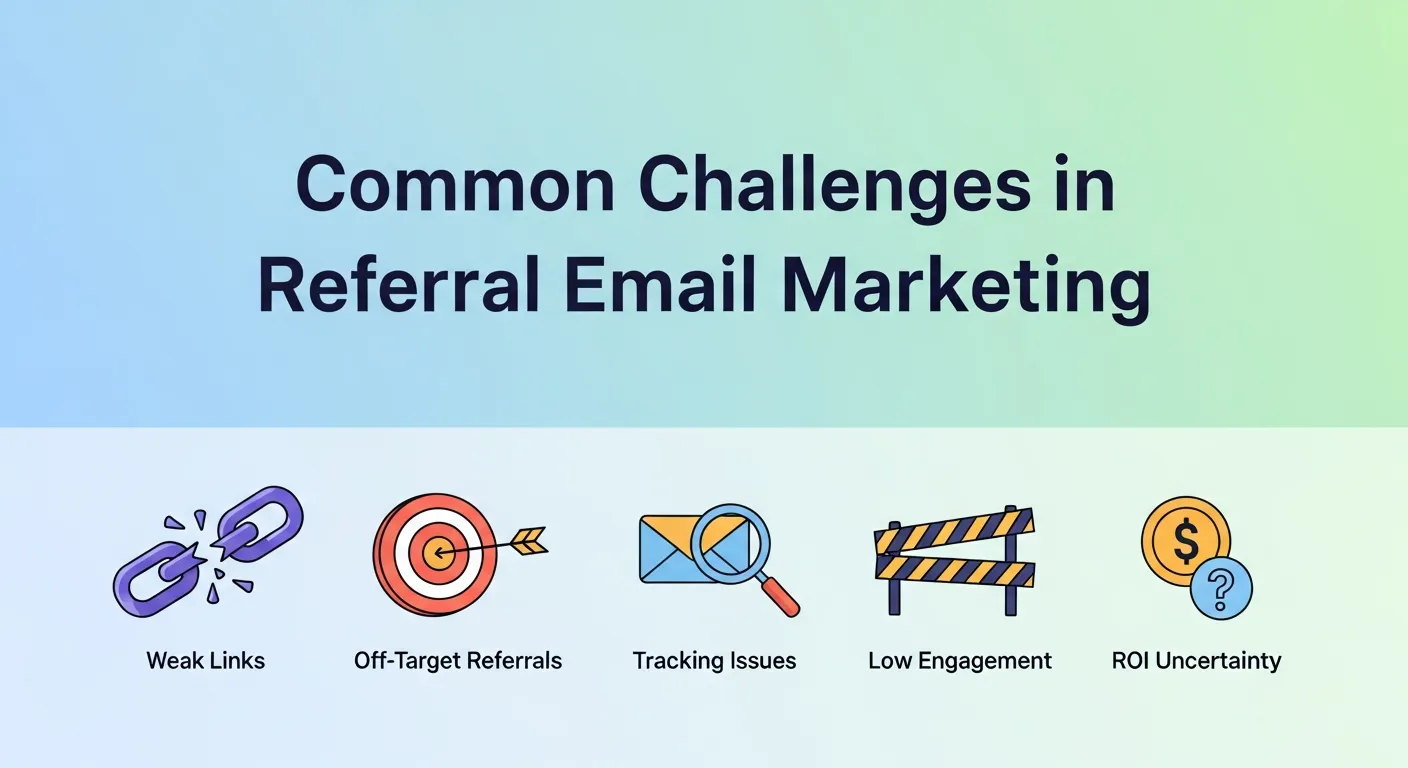
Low Engagement and Open Rates
Referral emails often face challenges like low engagement and low open rates. There can be several reasons why these emails might not perform as expected:
- Lack of personalization: If the email feels generic, recipients may overlook it.
- Unclear or unappealing incentives: If the rewards or offers are not attractive enough, customers won’t be motivated to refer others.
- Ineffective subject lines: The subject line is the first thing recipients see, and if it’s not compelling, they may not open the email.
To improve engagement and open rates, consider the following strategies:
- Personalize emails based on customer behavior or recent purchases to make them more relevant.
- Test different subject lines using A/B testing to determine which ones drive the most opens.
- Highlight attractive incentives clearly and prominently in the email body and subject line.
- Send follow-up emails as reminders for customers who didn’t open the first one.
Avoiding Spam Filters and Ensuring Deliverability
A common issue with referral emails is the risk of being marked as spam, especially if the email contains certain keywords or poor formatting. To ensure your referral emails land in the inbox and not the spam folder:
- Avoid spammy words like “free”, “money”, or “guarantee” in subject lines and email copy.
- Use a reputable email marketing platform with good deliverability practices.
- Include a clear unsubscribe option in every email, as required by anti-spam laws.
- Maintain a consistent sending frequency to avoid being flagged as a spammer by email providers.
- Test your emails using tools that check for spam filters to ensure they are deliverable before sending.
Best practices for ensuring your emails land in the inbox include using a clean email list and regularly removing invalid or unengaged email addresses to maintain a good sender reputation.
Optimizing Referral Email Campaigns for Long-Term Success
A/B Testing Your Referral Emails
A/B testing is crucial for optimizing referral email campaigns. By testing different elements of the email, you can identify what resonates best with your audience and improve campaign performance. Key areas to test include:
- Subject lines: Test different messaging, such as urgency vs. curiosity.
- Email copy: Try variations in tone (e.g., casual vs. formal) or different calls to action.
- Incentives: Test different rewards (discounts, free products, etc.) to see which ones drive more referrals.
To set up and evaluate A/B tests, divide your email list into two groups. Send different versions of your email to each group, then analyze the performance based on metrics such as open rates, click-through rates, and conversion rates. This data will help you refine your emails for better long-term results.
Automating Your Referral Email Campaigns
Automation is one of the most valuable tools in referral email marketing. By automating workflows, businesses can ensure that referral emails are sent at the right time, without requiring manual effort. Some benefits of automation include:
- Efficiency: Automated workflows save time by sending emails at key moments, such as after a purchase or when a user completes a milestone.
- Consistency: Automation ensures that every referral email is sent promptly, maintaining consistency in customer experience.
- Personalization at scale: Automated systems can use customer data to send personalized emails, making the process more scalable without losing relevance.
Tools like Mailchimp, ActiveCampaign, and Klaviyo offer automation features that trigger referral emails based on customer actions, such as making a purchase or referring someone else. By automating your referral email campaigns, you can scale your efforts and ensure continuous growth with minimal effort.
Conclusion
Mastering referral email marketing is crucial for businesses aiming to drive growth and increase customer acquisition. By creating personalized, engaging referral emails with irresistible incentives and strategic timing, businesses can leverage the power of word-of-mouth marketing. Utilizing the right tools for tracking and automation can optimize your efforts and ensure long-term success. While challenges like low engagement or spam filters may arise, applying best practices and testing your campaigns can lead to improved performance. By focusing on these strategies, businesses can unlock the full potential of referral email marketing and foster sustainable growth.
FAQ: Referral Email Marketing
1. What is Referral Email Marketing?
Answer: Referral email marketing is a strategy where businesses encourage existing customers to refer new customers through email campaigns. Typically, these emails contain referral links, special offers, or incentives to motivate customers to share the brand with their network.
2. How Does Referral Email Marketing Work?
Answer: Referral email marketing works by sending personalized emails to existing customers, prompting them to refer friends or colleagues. When a referred individual completes an action, such as signing up or making a purchase, the referrer receives rewards or incentives.
3. Why is Referral Email Marketing Important for Business Growth?
Answer: Referral email marketing is important because it drives customer acquisition through trusted recommendations. This type of marketing is highly effective, cost-efficient, and leverages the existing customer base to expand reach and increase conversions.
4. What Are the Key Benefits of Referral Email Marketing?
Answer: The benefits of referral email marketing include increased customer acquisition, cost-effective growth, enhanced trust and engagement, and higher conversion rates. It also strengthens customer loyalty by rewarding both the referrer and the new customer.
5. What Types of Incentives Work Best in Referral Email Campaigns?
Answer: Incentives like discounts, cash rewards, free products, loyalty points, or exclusive access to services are highly effective. The best incentives appeal to both the referrer and the new customer, encouraging participation and driving conversions.
6. How Do You Track and Measure the Success of Referral Email Campaigns?
Answer: You can track the success of referral email campaigns using metrics like open rates, click-through rates, conversion rates, and the number of successful referrals. Tools like Google Analytics and email marketing platforms help monitor and analyze these metrics to measure effectiveness.
7. What Are the Common Challenges in Referral Email Marketing?
Answer: Common challenges include low open rates, emails being flagged as spam, low referral participation, and ineffective incentives. Addressing these challenges involves improving email personalization, segmenting the audience, and offering compelling rewards to boost engagement.
8. How Can You Improve the Open Rates of Referral Emails?
Answer: Improving open rates requires crafting compelling subject lines, segmenting your email list for targeted campaigns, and optimizing the send time. A/B testing different elements of the email, like subject lines and calls to action, can also improve engagement.
9. Can Referral Email Marketing Be Effective Without Incentives?
Answer: While incentives generally boost the effectiveness of referral email campaigns, it can still work without them. Offering value through useful content or exclusive information can encourage referrals even in the absence of rewards, especially when trust is established.
10. What Are the Best Tools for Referral Email Marketing?
Answer: Popular tools for referral email marketing include Mailchimp, ActiveCampaign, ReferralCandy, and Referral Rock. These platforms offer automation, analytics, and segmentation features that allow businesses to optimize their referral email campaigns and track performance efficiently.