
Designing a referral program that feels natural focuses on authentic sharing, strategic timing, personalized rewards, and seamless automation. By aligning with customer motivations, it boosts participation, loyalty, and meaningful word-of-mouth growth over the long term.
Your customers love your product. They rave about it to friends and family. But when you launch a referral program, suddenly those same enthusiastic customers go silent. Sound familiar?
The problem isn’t your customers—it’s how you’re asking them to refer others. Most referral programs feel forced, transactional, and disconnected from the natural way people actually recommend products they love.
This guide will show you how to design a referral program that works with human psychology, not against it. You’ll learn practical strategies to make referrals feel organic, timing techniques that increase participation, and reward structures that motivate without seeming desperate.
How to Design a Referral Program
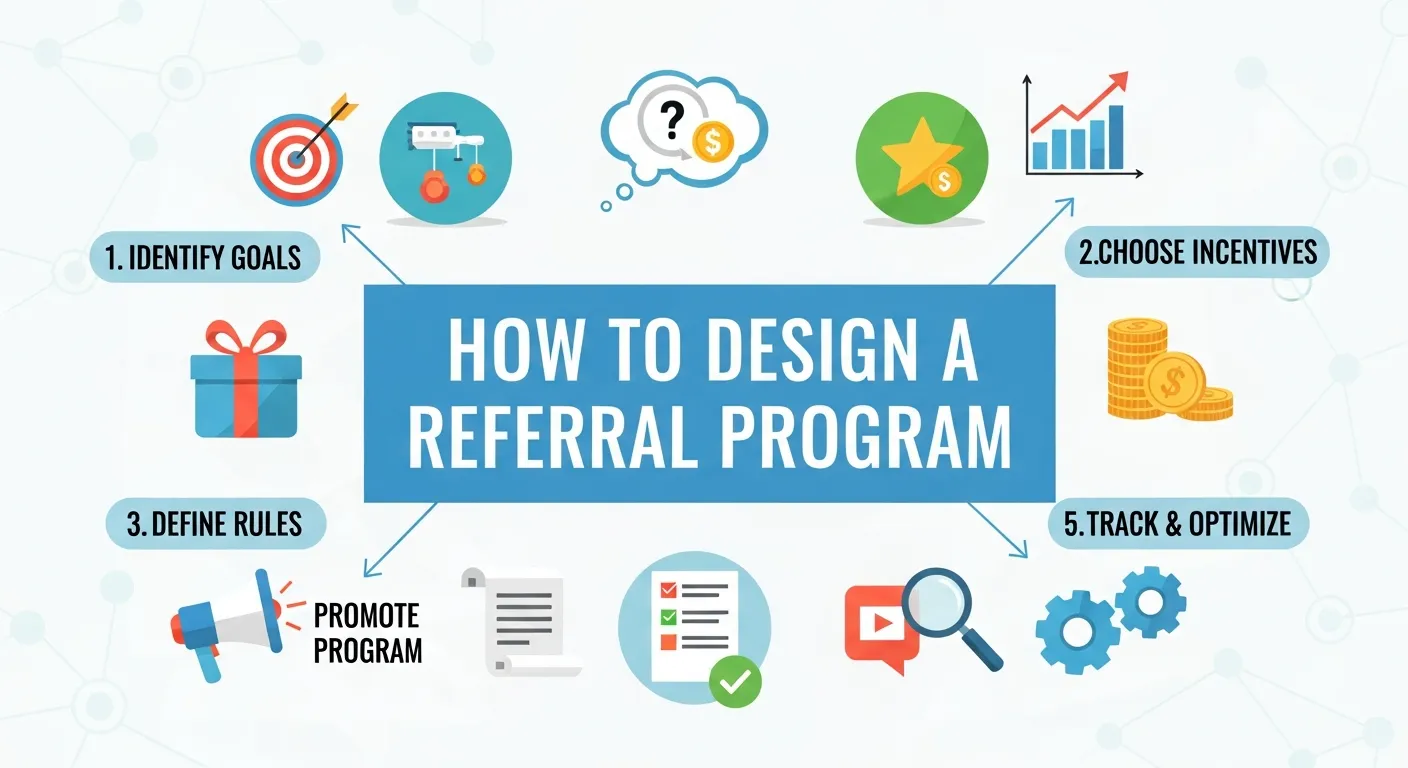
- Define Your Goals
Decide what you want to achieve—more sales, sign-ups, app installs, or brand awareness. - Understand Your Customers
Identify who your loyal customers are and why they love your product. This helps you design relevant rewards and messaging. - Create a Simple Referral Process
Make it easy to share using referral links, codes, or one-click sharing options via email, social media, or messaging apps. - Offer Attractive Rewards
Provide incentives like discounts, cashback, free products, or exclusive perks for both the referrer and the referred user. - Use a Win-Win Reward Structure
Reward both parties to make referrals feel fair and motivating. - Choose the Right Timing
Ask for referrals after customers experience value, such as after a purchase, positive feedback, or a product success moment. - Promote Your Referral Program
Highlight it on your website, emails, in-app notifications, and social media channels to increase visibility. - Automate Tracking and Rewards
Use referral software or tools to track referrals, prevent fraud, and deliver rewards automatically. - Personalize Referral Messages
Allow customers to customize messages so referrals feel natural and authentic. - Measure and Optimize Performance
Track metrics like referral conversions, customer lifetime value, and participation rate, and continuously improve the program.
Why Most Referral Programs Feel Forced
Traditional referral programs often fail because they ignore how people naturally share recommendations. When someone discovers a great restaurant, they don’t immediately think, “I should tell five friends so I can get a discount.” They share organically when the topic comes up in conversation.
Yet most businesses approach referrals like a sales transaction. They bombard customers with “Refer a friend and get $20!” messages right after purchase, before the customer has even experienced the product’s value.
This disconnect creates several problems:
Timing misalignment: Asking for referrals before customers have experienced enough value feels premature and self-serving.
Reward-focused messaging: Leading with rewards suggests you’re paying people to say good things about your product, which undermines authenticity.
One-size-fits-all approach: Treating all customers the same ignores that different people have different comfort levels with sharing and different social networks.
The Psychology of Natural Referrals
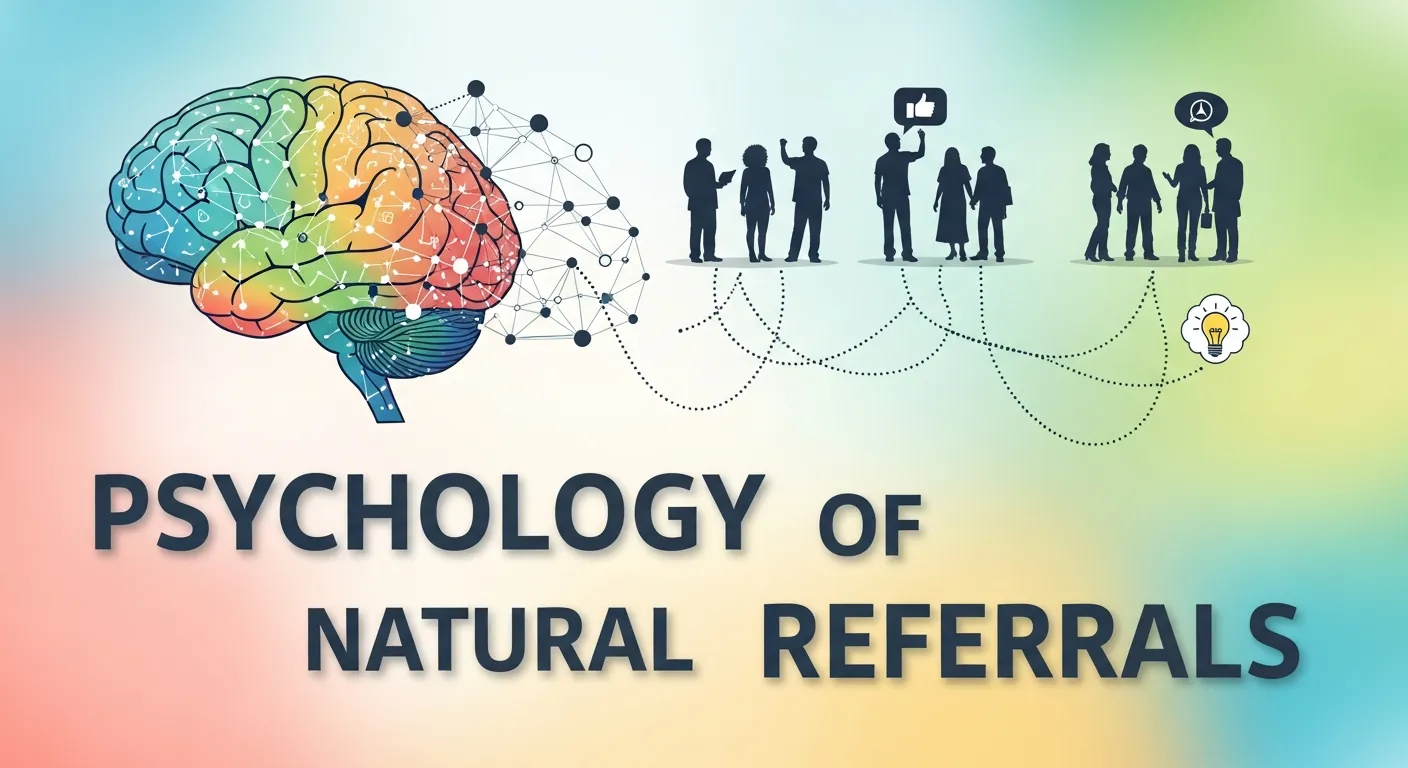
Before designing your program, understand what drives people to recommend products naturally. Research shows that people refer others for three main reasons:
Social currency: Recommending something great makes them look knowledgeable and helpful to their network.
Genuine care: They want people they care about to benefit from something that helped them.
Reciprocity: They feel grateful to the company and want to give back.
Notice what’s missing from this list? Financial incentives. While rewards can motivate action, they’re not the primary driver of authentic recommendations.
The most effective referral programs tap into these intrinsic motivations first, then use rewards as a bonus rather than the main attraction.
Designing for Natural Sharing Behavior
Start with Value, Not Rewards
Instead of leading with “Get $20 for each friend you refer,” try “Know someone who could benefit from the specific value your product provides? Here’s an easy way to help them out.”
This approach focuses on helping others rather than earning rewards. The incentive becomes a pleasant surprise rather than the main motivation.
Make It Conversational
Your referral program should mirror how people actually talk about products they love. Create sharing tools that feel like natural conversation starters:
- Instead of generic “Check out this product” messages, provide specific conversation starters related to common use cases
- Offer multiple message templates that match different relationships (close friend, colleague, family member)
- Allow customization so people can add personal context
Provide Social Proof
People are more likely to participate when they see others doing the same thing. Build social proof into your program by:
- Showing (anonymized) examples of successful referrals
- Highlighting customer stories about positive experiences
- Displaying participation metrics that demonstrate the program’s popularity
Timing That Respects the Customer Journey
The Sweet Spot for Referral Requests
The best time to introduce your referral program is after customers have experienced meaningful value but before they’ve moved on to other priorities. This timing varies by product type:
For immediate-value products (like food delivery or entertainment): 1-2 weeks after the first positive experience
For gradual-value products (like fitness apps or productivity tools): 1-3 months after consistent usage
For high-involvement products (like software or services): 3-6 months after successful implementation
Progressive Disclosure
Rather than overwhelming customers with full program details upfront, introduce referrals gradually:
- Value reinforcement: First, remind customers of the value they’ve received
- Soft introduction: Mention that many customers like to share this value with others
- Program details: Only then, explain how the referral program works
- Easy action: Provide simple, immediate next steps
Multiple Touchpoints
Don’t rely on a single referral request. Create multiple natural opportunities:
- In-product moments when customers achieve success
- Follow-up emails after positive support interactions
- During renewal or upgrade conversations
- After customers leave positive reviews or feedback
Reward Structures That Motivate Without Seeming Desperate
Reciprocal Value
The most natural referral programs benefit both the referrer and the person being referred. This creates a win-win dynamic that feels less transactional:
- Both parties receive credits, discounts, or bonuses
- The referred person gets a special “welcome” offer
- Rewards scale with the value provided (higher rewards for premium referrals)
Non-Monetary Rewards
Consider rewards that enhance the customer experience rather than just providing financial incentives:
- Early access to new features or products
- Exclusive content or resources
- Recognition in community forums or newsletters
- Charitable donations made in the customer’s name
Tiered Recognition
Create levels of participation that acknowledge different contribution levels:
- First referral: Basic reward
- Multiple referrals: Enhanced benefits
- Top referrers: VIP status or special recognition
This approach makes the program feel more like a community achievement system than a simple transaction. Learn more about building an effective referral marketing funnel.
Making Referrals Effortless
Remove Friction Points
Every additional step in your referral process reduces participation. Streamline by:
- Providing pre-written messages that people can customize
- Offering multiple sharing channels (email, social media, direct link)
- Automating reward delivery and tracking
- Creating mobile-friendly sharing tools
Transparency in Tracking
People want to know their referrals are being tracked properly. Provide clear visibility into:
- Referral status (pending, completed, rewarded)
- Reward earning and redemption
- Impact metrics (how many people they’ve helped)
Follow-Up Communication
Keep participants engaged with regular updates:
- Confirmation when referrals are sent
- Notifications when referred friends take action
- Periodic summaries of referral activity and rewards earned
Personalizing the Experience
Segment Your Approach
Different customer segments respond to different referral approaches:
Power users: May prefer advanced sharing tools and higher reward tiers
Occasional users: Need simpler options and clearer value propositions
New customers: Should focus on value reinforcement before referral requests
Long-term customers: Can be approached with loyalty-based messaging
Customize Communication
Tailor your referral program communication based on:
- Customer behavior patterns
- Purchase history
- Engagement levels
- Demographic factors
- Previous referral activity
Leveraging Referral Marketing Automation for Maximum Reach
In today’s fast-paced digital world, customers expect seamless experiences. One of the biggest challenges of running a referral program manually is keeping track of referrals, sending timely follow-ups, and delivering rewards efficiently. Referral marketing automation solves these problems while maintaining a personal touch.
Automation allows your program to operate smoothly, ensuring customers are reminded at the right moment without feeling spammed or pressured. By integrating automation into your referral program, you can scale your efforts and track results with precision.
Key Automation Strategies:
- Trigger-based referrals: Automatically prompt customers to refer friends after positive interactions, such as completing a purchase or leaving a review.
- Reward automation: Instantly credit referrers and referees without manual intervention, increasing trust and satisfaction.
- Multi-channel messaging: Automatically send referral prompts via email, SMS, or in-app notifications based on customer preferences.
- Progress tracking: Keep customers informed about the status of their referrals to encourage continued participation.
Measuring Success Beyond Numbers
Quality Over Quantity
Track metrics that indicate program health, not just volume:
- Referral conversion rates (how many referred people become customers)
- Customer lifetime value of referred customers
- Satisfaction scores from both referrers and referred customers
- Retention rates for referred customers
Long-Term Impact
Monitor the program’s effect on:
- Overall brand perception
- Customer satisfaction scores
- Organic word-of-mouth activity
- Customer loyalty and retention
Optimizing Your Referral Program for Long-Term Success
A successful referral program isn’t a one-time campaign; it’s an ongoing system that evolves with your customers’ needs and behaviors. Long-term optimization requires constant testing, monitoring, and refinement.
Steps to Optimize Your Referral Program:
- Regular A/B Testing: Test different messages, reward structures, and referral prompts to identify which resonate most with your audience.
- Monitor KPIs Beyond Referrals: Track not only the number of referrals but also the quality of referred customers, retention rates, and customer lifetime value.
- Segment and Personalize: Different customer groups may respond to different incentives or messaging. Tailor your program based on usage patterns, engagement, and demographics.
- Collect Feedback: Ask your customers what they enjoy about your referral program and what barriers they face. Iterate based on insights.
- Re-engagement Campaigns: Periodically remind inactive participants about the program with gentle, value-driven messaging.
Table: Referral Program Optimization Checklist
| Optimization Area | Action Items | Frequency |
|---|---|---|
| Messaging | Test email & in-app referral prompts | Monthly |
| Reward Structure | Evaluate effectiveness and adjust tiers | Quarterly |
| Customer Segmentation | Identify high-value referrers and tailor the approach | Quarterly |
| Feedback Collection | Surveys and in-app feedback | Bi-annual |
| Program Metrics | Track conversion, retention, and LTV of referred users | Monthly |
Optimizing your referral program ensures it stays relevant, effective, and aligned with customer behavior. By continuously improving, you can create a self-sustaining referral ecosystem that fuels long-term growth.
Building Long-Term Referral Relationships
Community Building
Transform your referral program into a community of advocates:
- Create exclusive groups for active referrers
- Provide platforms for sharing success stories
- Facilitate connections between customers with similar interests
- Offer educational content that helps customers get more value
Continuous Improvement
Regularly collect feedback and iterate:
- Survey participants about their experience
- A/B test different approaches and messaging
- Monitor industry best practices
- Adapt to changing customer preferences
Recognition and Celebration
Acknowledge your advocates publicly (with permission):
- Feature customer stories in marketing materials
- Recognize top referrers in newsletters or events
- Create case studies showcasing referral success
- Provide exclusive access to company leadership
Creating Authentic Referral Experiences
The most successful referral programs don’t feel like programs at all. They feel like natural extensions of the customer experience—easy ways for satisfied customers to share value with people they care about.
Start by examining your current customer journey. Where do customers naturally experience moments of satisfaction or achievement? How can you create gentle opportunities for sharing in those moments? What would make the referral process feel helpful rather than pushy?
Remember, the goal isn’t to maximize the number of referral requests you send. It’s to create meaningful opportunities for your happiest customers to share their positive experiences in ways that feel authentic and valuable.
Focus on building genuine relationships with your advocates, and the referrals will follow naturally. Your customers will appreciate the thoughtful approach, and the people they refer will be more likely to become loyal customers themselves.
Conclusion
Referral Programs are most successful when they feel like a natural extension of the customer experience rather than a forced marketing tactic. By focusing on authentic sharing, strategic timing, personalized rewards, and seamless automation, businesses can encourage genuine word-of-mouth growth and long-term loyalty. Well-designed Referral Programs align with customer motivations, remove friction from sharing, and create meaningful value for both referrers and referred users. When optimized continuously through testing, personalization, and feedback, Referral Programs can become a powerful, sustainable engine for customer acquisition, retention, and brand advocacy.
FAQ: How to Design a Referral Program
1. What is a referral program, and why is it important?
A referral program is a structured system where existing customers are encouraged to share your product or service with friends, family, or colleagues. It’s important because referrals are one of the most trusted forms of marketing. Customers gained through referrals often have higher engagement and loyalty compared to those acquired through traditional advertising.
2. How do I design a referral program that feels natural?
To design a referral program that feels natural, focus on creating opportunities for customers to share value rather than emphasizing rewards. The program should provide easy, conversational sharing options, and referral requests should come after customers have experienced meaningful benefits from your product. Leveraging social motivations like wanting to help others or feeling knowledgeable ensures your program feels authentic.
3. What types of rewards work best in a referral program?
While monetary incentives can drive action, non-monetary or value-based rewards often feel more meaningful. Rewards such as early access to new features, exclusive content, recognition in newsletters, or charitable contributions create a sense of genuine value. Programs that benefit both the referrer and the referred make the process feel like a win-win rather than a transaction.
4. When should I ask customers to refer others?
Timing is critical. Referral requests should be made after customers have experienced the product’s value but before their attention shifts elsewhere. The exact timing varies depending on the type of product, but generally, early enough to capitalize on positive experiences and late enough for customers to have seen real benefits leads to the highest participation.
5. How can I automate my referral program?
Referral marketing automation simplifies program management and ensures timely, relevant interactions. Automation can handle sending referral requests after positive customer interactions, delivering rewards instantly, sending reminders, and tracking referral progress. This allows the program to scale without losing the personal touch that makes referrals feel genuine.
6. How can I make my referral program more engaging?
A referral program becomes more engaging when it is fun, meaningful, and aligned with customer motivations. Story-driven sharing, surprise rewards, and gamified experiences encourage participation. Creating a sense of exclusivity or urgency can also increase engagement, but it should be subtle so that sharing feels natural rather than forced.
7. How do I measure the success of my referral program?
Success should be measured beyond the sheer number of referrals. Key indicators include how many referred users become paying customers, the long-term value of those customers, retention rates, and the overall impact on customer satisfaction and brand perception. These metrics provide insight into whether the program is truly creating loyal advocates.
8. How can I personalize my referral program?
Personalization improves participation. Tailoring your approach based on customer behavior, engagement, purchase history, and previous referral activity ensures that messages and rewards resonate with each individual. A program that feels thoughtful and customized naturally encourages more sharing.
9. Can a referral program improve customer loyalty?
Yes, a well-designed referral program can strengthen relationships with your most satisfied customers. By recognizing their contributions, celebrating milestones, and providing exclusive perks, customers feel appreciated. This encourages ongoing loyalty while fostering a community of advocates who actively support your brand.
10. How do I prevent my referral program from feeling pushy?
To avoid being pushy, focus on helping rather than selling. Timing requests carefully, keeping messages soft and conversational, and offering multiple sharing options without pressure ensures that referrals feel like a natural extension of the customer experience. A thoughtful approach builds trust and makes customers more willing to participate.
Learn more: Referral Marketing Metrics That Matter in the Craze Era