Referral marketing thrives through personalization, social media, gamification, mobile optimization, and data analytics. Leveraging AI and automation, businesses can enhance engagement, increase conversions, and turn loyal customers into advocates for scalable, results-driven growth.
Referral marketing is evolving faster than ever. Companies big and small are recognizing its importance in building brand loyalty, increasing customer acquisition, and growing revenue. But success in referral marketing requires staying on top of the latest innovations.
This blog highlights the latest referral marketing trends reshaping the way businesses engage with customers. Whether you’re a startup or an established brand, these insights will help you fine-tune your strategy.
Why Referral Marketing Matters More Than Ever
Referral marketing has always been one of the most effective ways to capture new customers. Why? People trust the recommendations of their friends, colleagues, and family far more than traditional advertisements. According to Nielsen, 92% of consumers trust referrals from people they know.
Today, the digital age has amplified the power of referrals. With more people connected through social platforms and mobile devices, sharing a https://referralcraze.com/is-referral-marketing-outbound-or-inbound product or service with just a few clicks has never been easier.
Successful referral campaigns are no longer optional; they are critical for businesses looking to thrive in a crowded marketplace. But what are the emerging trends driving this success? Let’s explore.
Personalization and Customization in Referrals
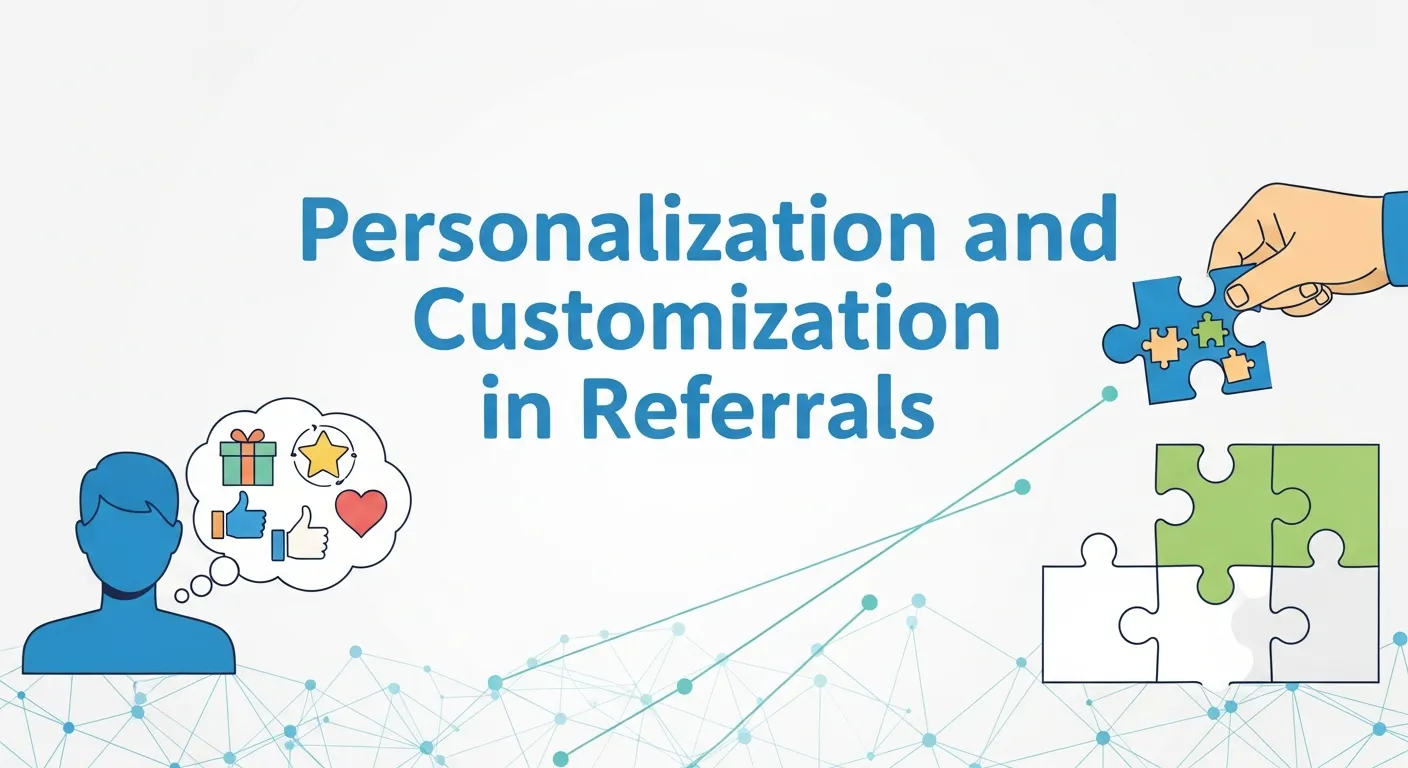
Consumers now expect marketing to feel personal, and referral campaigns are no exception. Businesses are prioritizing personalization and customization to make their referral programs resonate at a deeper level with their audience.
Before diving into the latest trends, it’s helpful to clarify how referral marketing fits into the broader marketing landscape. Learn more in our guide: Is Referral Marketing Outbound or Inbound?
Why Personalization Works
A personalized experience creates a stronger emotional connection with customers. For example, instead of sending out generic referral emails, businesses are now tailoring messages based on factors like:
- Previous purchases
- Browsing habits
- Demographics
Even referral incentives can be customized. For instance, you can offer exclusive discounts or rewards that align with customers’ preferences, such as special deals on products they’ve interacted with in the past.
Example in Action
Amazon’s referral program allows users to customize how they share referrals. Customers can recommend specific products, tailoring the referral to the recipient’s preferences. This personalized touch makes the referral far more impactful.
Leveraging Social Media for Referral Programs
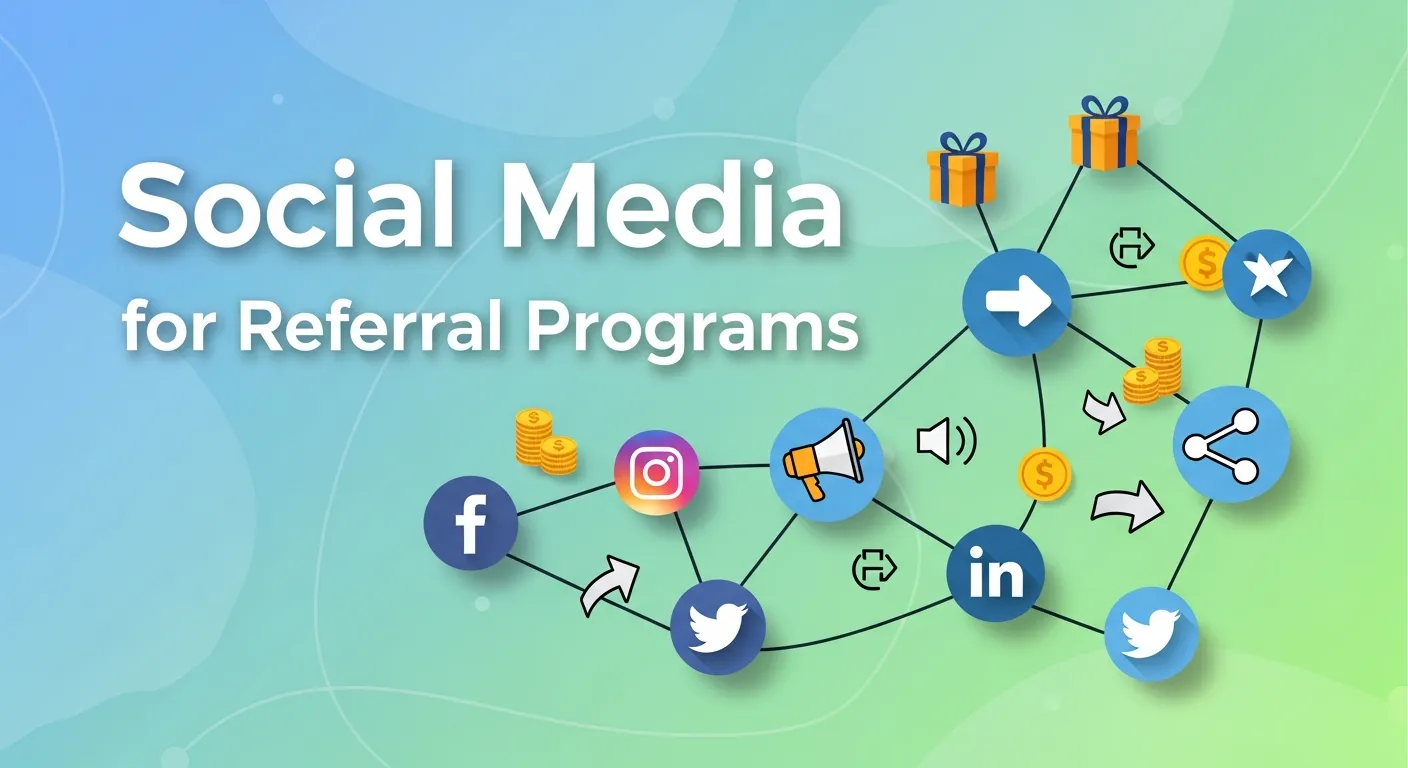
Social media has evolved into one of the most powerful tools for driving customer engagement and boosting referral traffic. Platforms like Instagram, TikTok, and Facebook are where customers spend a significant portion of their time, making these spaces crucial for brands looking to enhance their referral marketing efforts.
Why Social Media Matters for Referral Marketing
Social media simplifies the process of sharing referrals. With built-in share buttons, users can effortlessly promote your products or services to their own followers with just a click. This ease of sharing creates a natural flow of word-of-mouth, but with a much broader reach than traditional face-to-face recommendations.
Moreover, social media amplifies the potential reach of each referral. A single post, video, or shared link can quickly gain traction, attracting likes, comments, shares, and retweets that expand your referral campaign’s visibility exponentially. What started as one person recommending your product could turn into thousands of people learning about your brand within hours, dramatically increasing your chances of reaching new customers.
Tactics That Work
To fully leverage social media for referral marketing, businesses need to integrate social sharing into their referral programs seamlessly. Allow customers to easily share their referral links or codes directly from the referral platform to social media channels. This makes it simple for them to spread the word without hassle.
Partnering with influencers, whether they’re macro-influencers with large followings or micro-influencers with highly engaged niche audiences, can take your referral program to the next level. These influencers have the trust and attention of their followers, making their endorsements incredibly valuable.
Incorporating visually striking content such as videos, GIFs, or infographics into your referral campaigns can make it easier for users to share and engage with your content. People are far more likely to share eye-catching visuals than text-heavy posts, increasing the chances of your referral program going viral.
A Real-World Example
Airbnb is a prime example of a company that has leveraged social media for its referral program successfully. By incorporating shareable content, such as customized referral links and simple instructions on how to refer friends through social media, Airbnb made it easy for users to spread the word. This approach led to significantly higher user adoption and growth, demonstrating the power of social sharing.
Gamification and Rewards to Boost Engagement
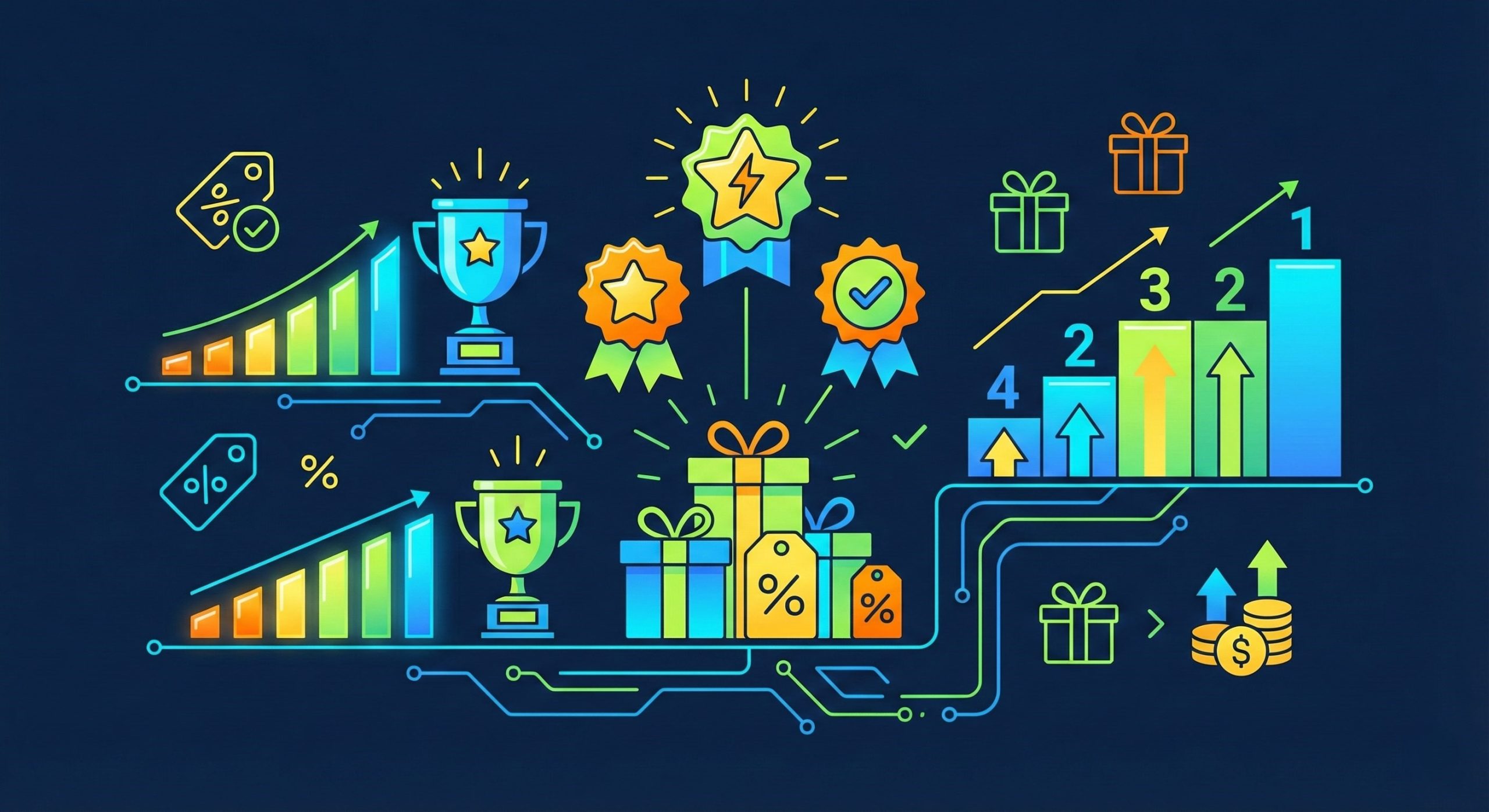
Gamification has become one of the most exciting and effective trends in referral marketing, as it makes the referral process more interactive, enjoyable, and rewarding for customers. By introducing elements of game mechanics, companies can significantly increase engagement and encourage users to participate more actively in their referral programs.
What Gamification Looks Like
Adding milestones to the referral process turns a simple task into a challenge that users can look forward to. With tiered rewards, referrers can unlock progressively better incentives as they refer more people. For example, after a customer refers five people, they might unlock a special discount, and after 10 referrals, they could earn a free product or service.
Creating leaderboards and rankings that highlight top referrers adds an element of healthy competition, motivating participants to keep referring to reach the top of the leaderboard. Recognizing high-performing referrers publicly or rewarding them with special perks can also reinforce positive behavior and keep the engagement levels high.
Offering bonus points or extra rewards for certain actions, like sharing on social media or getting a friend to sign up for your service, further gamifies the referral process. The more actions users complete, the more rewards they accumulate, making them feel like they are progressing in a fun, game-like environment.
The Appeal of Rewards
While monetary rewards are a common incentive in referral programs, they are not the only option. In fact, non-monetary rewards often create a deeper emotional connection with customers. For example, offering exclusive experiences, such as early access to new products or VIP events, can entice users to participate more actively. Product upgrades, free services, or personalized perks can also increase the perceived value of the reward, making users more likely to refer.
Case Study
Dropbox revolutionized referral marketing by gamifying its system, offering additional storage space to both new users and the referrer. This not only incentivized new users to sign up but also kept current users engaged by giving them a clear, attainable reward. The simplicity and value of the reward helped Dropbox experience explosive growth, with its referral program playing a key role in expanding its user base.
Mobile Optimization for On-the-Go Referrals

With mobile devices accounting for more than half of all online activity, optimizing your referral program for mobile users is no longer optional—it’s a necessity. Customers are always on the go, and if your referral program isn’t mobile-friendly, you risk losing valuable opportunities for engagement and conversions.
Why Mobile Optimization is Key
The mobile-first nature of today’s internet usage means that users expect a seamless, fast, and intuitive experience on their smartphones. When it comes to referral programs, this means ensuring that customers can easily browse your referral program, sign up, and share referral links—all from their mobile devices.
Mobile-optimized referral programs also allow businesses to push referral notifications directly to users through apps or SMS, encouraging them to take action. Whether it’s sending a reminder to share a referral or notifying them when they’ve unlocked a new reward, these timely notifications can increase engagement and participation rates.
Industry Tip
Make sure that your referral program loads quickly on mobile devices, as slow-loading pages can cause users to abandon the process. The interface should be simple and user-friendly, with clear calls to action and easy navigation. Integrating with mobile messaging and social apps like WhatsApp, Facebook Messenger, or Instagram allows users to share their referral links directly with their contacts, creating a frictionless referral process.
Example: Starbucks has successfully implemented a mobile-optimized referral program within its app. Customers can effortlessly refer friends through text or social media, and in return, they earn loyalty points or free drinks as rewards. The seamless integration of this program into the Starbucks app ensures a smooth, convenient experience for users, contributing to its popularity and success.
Data Analytics to Track and Improve Performance
Finally, data analytics is emerging as the backbone of successful referral marketing campaigns. By leveraging analytics, businesses can continuously refine their programs to maximize ROI.
What to Track
- Referral performance metrics like click-through rates, conversion rates, and average reward value.
- Customer behavior patterns to identify what motivates them to refer others.
- Insights gained through A/B testing different reward types and messaging.
Example of Analytics in Action
Slack, known for its hyper-growth, uses robust analytics to track how users onboard and refer others. This data-driven approach has allowed them to fine-tune their incentives and remove any friction from the referral process.
With modern tools like Google Analytics and Mixpanel, tracking referral performance has never been easier, even for smaller businesses.
AI and Automation Are Transforming the Referral Marketing Funnel
One of the most impactful trends in referral marketing today is the rise of AI in marketing and referral marketing automation. These technologies are reshaping the entire referral marketing funnel, from identifying potential advocates to nurturing referrals and optimizing conversions at scale.
Instead of relying on manual processes or one-size-fits-all campaigns, businesses are now using AI-driven tools to understand buyer psychology in product marketing and deliver smarter, more timely referral experiences.
How AI Enhances the Referral Marketing Funnel
AI allows brands to analyze massive amounts of customer data and predict who is most likely to refer—and who is most likely to convert. This intelligence improves every stage of the funnel:
- Awareness: AI identifies brand advocates based on engagement, purchase history, and sentiment analysis.
- Consideration: Personalized referral messages are triggered automatically, matching the referrer’s tone and the recipient’s preferences.
- Conversion: Smart incentives are dynamically adjusted based on what motivates specific users.
- Retention: AI tracks post-referral behavior and suggests follow-up campaigns to turn referred customers into long-term loyalists.
By aligning referral efforts with real buyer motivations, brands can create smoother, more persuasive referral journeys.
Benefits of Referral Marketing Automation
Automating your referral program doesn’t just save time—it significantly improves performance and consistency. Key advantages include:
- Real-time personalization: Referral messages and rewards adapt automatically based on user behavior.
- Scalability: Programs can grow without increasing manual effort or operational costs.
- Reduced friction: Automated reminders, reward tracking, and notifications keep users engaged without extra steps.
- Data-driven optimization: Continuous performance tracking allows instant adjustments to messaging and incentives.
Automation ensures that no referral opportunity slips through the cracks while maintaining a personalized customer experience.
AI Use Cases in Referral Marketing
| AI Application | How It Works | Impact on Referral Marketing Funnel |
|---|---|---|
| Predictive Analytics | Identifies users most likely to refer or convert | Improves targeting and referral quality |
| Behavioral Segmentation | Group users based on actions and preferences | Enables hyper-personalized referral offers |
| Automated Reward Optimization | Adjusts incentives based on performance data | Increases referral conversion rates |
| Chatbots & AI Assistants | Guides users through the referral process | Reduces drop-off and improves engagement |
| A/B Testing at Scale | Tests referral messages and rewards automatically | Maximizes ROI through continuous learning |
Why This Trend Matters Now
As competition increases, simply asking customers to “refer a friend” is no longer enough. Modern consumers expect relevance, ease, and value. AI-powered referral marketing meets these expectations by aligning referral campaigns with real-world buyer psychology, delivering the right message to the right person, at the right time.
Businesses that adopt AI and automation early gain a strong competitive edge—building referral programs that are not only efficient, but deeply persuasive and scalable.
Maximizing Referral Marketing for Business Success
The referral marketing landscape is changing, driven by personalization, social media, gamification, mobile trends, and data analytics. Businesses that adapt these trends to their referral strategies can expect to see greater customer acquisition, stronger loyalty, and improved ROI.
Are you ready to take your referral marketing strategy to the next level? These advancements might seem overwhelming, but you don’t have to do it alone. Take the first step by integrating the trends that resonate most with your business model.
Conclusion
Referral marketing is evolving rapidly, driven by personalization, social media, gamification, mobile optimization, and data analytics. Modern programs leverage AI and automation to deliver timely, relevant, and engaging referral experiences that maximize conversions and customer loyalty. Businesses that adapt to these trends create referral programs that are not only efficient but also scalable and persuasive, turning satisfied customers into powerful brand advocates. By integrating these innovations, companies—whether startups or established brands—can boost acquisition, retention, and ROI, ensuring their referral strategy stays competitive in a digital-first marketplace. The future of referral marketing is smart, personalized, and data-driven.
FAQ: Top Trends in Referral Marketing You Need to Know
1. Why is referral marketing important?
Referral marketing is crucial because people trust recommendations from friends, family, and colleagues more than traditional advertising. With 92% of consumers trusting referrals, it’s one of the most effective ways to acquire new customers and build brand loyalty.
2. How is referral marketing evolving?
Referral marketing is evolving through increased personalization, social media integration, gamification, mobile optimization, and data analytics. These trends help businesses create more engaging and impactful referral programs that drive customer acquisition and loyalty.
3. What is the role of personalization in referral marketing?
Personalization in referral marketing allows businesses to tailor referral messages and incentives based on customers’ past purchases, browsing habits, or demographics. This personal touch makes the referral experience more relevant, increasing the likelihood of successful referrals.
4. How can social media boost my referral program?
Social media simplifies sharing by offering built-in sharing buttons and amplifies your reach. Customers can easily promote your business to their followers, and posts can gain traction through likes, comments, and shares. Partnering with influencers and using eye-catching visuals can further enhance your referral efforts.
5. What is gamification in referral marketing?
Gamification involves turning the referral process into a game with features like reward milestones, leaderboards, and bonus points for actions like social sharing or repeat referrals. This adds fun and competition to the referral process, increasing customer engagement and participation.
6. Why is mobile optimization important for referral programs?
As more than half of online activity happens on mobile devices, ensuring your referral program is mobile-optimized is essential. A seamless, mobile-friendly experience allows users to share referral links and engage with your program easily, increasing participation.
7. How does data analytics improve referral marketing?
Data analytics helps businesses track referral performance, such as click-through rates and conversion rates. It also provides insights into customer behavior, enabling businesses to optimize rewards, messaging, and program structure for better results and higher ROI.
8. Can small businesses benefit from referral marketing trends?
Yes! Small businesses can leverage trends like personalization, social media, and data analytics to create effective referral programs. Tools like Google Analytics and Mixpanel make it easier for small businesses to track performance and improve their campaigns.
9. What are some real-world examples of successful referral programs?
Examples include Dropbox, which gamified its referral program to drive rapid user growth, and Starbucks, which optimized its mobile app for easy referral sharing. Airbnb also uses social media to enhance its referral program, driving more user adoption and growth.
10. How can I start implementing these trends in my referral marketing strategy?
Begin by identifying which trends align with your business goals. Focus on personalizing your referral messages, integrating social media, adding gamification elements, optimizing for mobile, and using data analytics to track and improve your performance.