

Referral traffic is crucial for driving targeted visitors, improving brand credibility, and enhancing SEO. By tracking key metrics and optimizing strategies, businesses can convert referral traffic into valuable customers and improve marketing results.
Referral traffic plays a crucial role in driving visitors to a website through links from external sources such as blogs, social media platforms, or partner websites. This type of traffic is invaluable because it not only boosts website traffic but also helps build brand authority and credibility by leveraging third-party endorsements. Understanding the sources of referral traffic can provide businesses with key insights into the effectiveness of their marketing efforts and partnerships.
Analyzing traffic is essential for improving marketing strategies and achieving better results. By examining where traffic is coming from, businesses can identify successful campaigns, discover potential influencers, and optimize their outreach efforts. This insight enables companies to refine their strategies, enhance user experience, and allocate resources more effectively.
In this article, we will explore the importance of referral traffic in marketing, how to analyze traffic, and the steps you can take to improve your results. By understanding traffic and using the right tools, you’ll be equipped to boost your website’s visibility, optimize your marketing efforts, and ultimately drive more conversions.
Understanding Referral Traffic
Referral traffic refers to visitors who land on a website through a link from another site. It plays a vital role in digital marketing, as it provides businesses with valuable insights about their audience while driving high-quality traffic. Unlike direct or organic traffic, referral is generated from third-party websites, which adds an additional layer of credibility to the visit.
What is Referral Traffic?
Definition and How it Differs from Other Types of Traffic:
Referral traffic occurs when a user clicks on a hyperlink from another website, blog, or social media platform and lands on your site. It is distinct from organic traffic, which comes from search engines, and direct traffic, which happens when visitors type a website’s URL directly into their browser.
Referral traffic is highly valuable as it often comes from trusted sources, such as reputable blogs or industry websites. This type of traffic is more likely to engage with the content on your site, as the visitor is usually already familiar with the referring source, which adds an element of trust to the click.
Types of Referral Sources:
Referral traffic can come from a variety of sources, each providing a different kind of audience engagement:
- Social Media: Platforms like Facebook, Instagram, LinkedIn, and Twitter generate significant traffic when users share links or mention your brand in posts.
- Blogs: Posts on external blogs or forums that include links to your website can bring in referral, especially if the blog has a high readership.
- Websites: These can include partner sites, news outlets, or even niche directories where your site is listed.
- Newsletters and Email: Links shared in newsletters can also result in referral traffic, especially if the email has a strong call-to-action.
Why Referral Traffic Matters in Marketing
Key Reasons Referral Traffic Drives Engagement:
Referral traffic is crucial because it often brings a more engaged and interested audience to your site. Since visitors are clicking on a link that was shared by someone they trust, they are more likely to spend time on your site, explore your content, and convert into leads or customers. This engagement is driven by the fact that traffic typically comes from highly targeted sources, ensuring that users are already somewhat familiar with your brand or offerings.
Moreover, referral traffic leads to higher engagement rates such as longer session durations, higher page views per visit, and lower bounce rates. These metrics indicate that the visitors are not only arriving but also interacting with the content, which signals to search engines that your site is valuable and user-friendly.
How Referral Traffic Helps in Brand Credibility and SEO:
Referral traffic plays a key role in establishing brand credibility. When high-authority websites or influencers refer users to your site, it acts as a form of endorsement, building trust with the audience. This is especially valuable when the referring site is in the same industry or shares a similar audience. Having credible sources link to your site helps to build brand awareness and recognition.
From an SEO perspective,traffic is beneficial because it signals to search engines that your content is valuable and share-worthy. When reputable websites link to your pages, it improves your domain authority and can lead to better rankings on search engine results pages (SERPs). This relationship between referral traffic and SEO highlights why businesses should focus on building strategic partnerships and outreach programs to generate high-quality backlinks.
Common Referral Traffic Channels
Social Media Platforms:
Social media is one of the most significant sources of referral traffic. When users share your content or engage with your posts, it drives traffic back to your site. Platforms like Instagram, Facebook, Twitter, and LinkedIn are powerful tools for generating referrals, particularly when combined with engaging content or targeted ads. Social media allows for easy sharing, which can amplify your reach and bring in more potential customers.
Influencers, Blogs, and Guest Posts:
Influencers, bloggers, and thought leaders in your industry can be excellent referral traffic sources. When they mention your brand or link to your website, they bring their own audience to your site, resulting in highly targeted traffic. Guest posts are another valuable strategy—by writing on authoritative blogs in your niche, you can introduce your brand to new audiences who may be more inclined to click through to your site.
Email Campaigns and Partnerships:
Email marketing remains a powerful way to drive referral traffic. Including links to your website or landing pages in newsletters, promotional emails, or partnerships can generate valuable clicks. By partnering with other businesses or websites in your industry, you can cross-promote content and refer traffic to each other’s sites. This type of collaboration helps both parties increase their exposure while offering value to their audiences.
Affiliate Programs:
Affiliate marketing is a popular channel for generating referral traffic. In this model, businesses pay affiliates a commission for bringing new customers through referral links. Affiliates typically promote products or services on their websites, blogs, or social media channels, driving targeted traffic to your site. An effective affiliate program can yield long-term traffic and sales as affiliates continue to promote your products or services.
By understanding and leveraging these common referral traffic channels, businesses can create a diverse and effective marketing strategy that brings in more engaged visitors, builds brand credibility, and improves SEO performance.
Key Metrics to Analyze in Referral Traffic
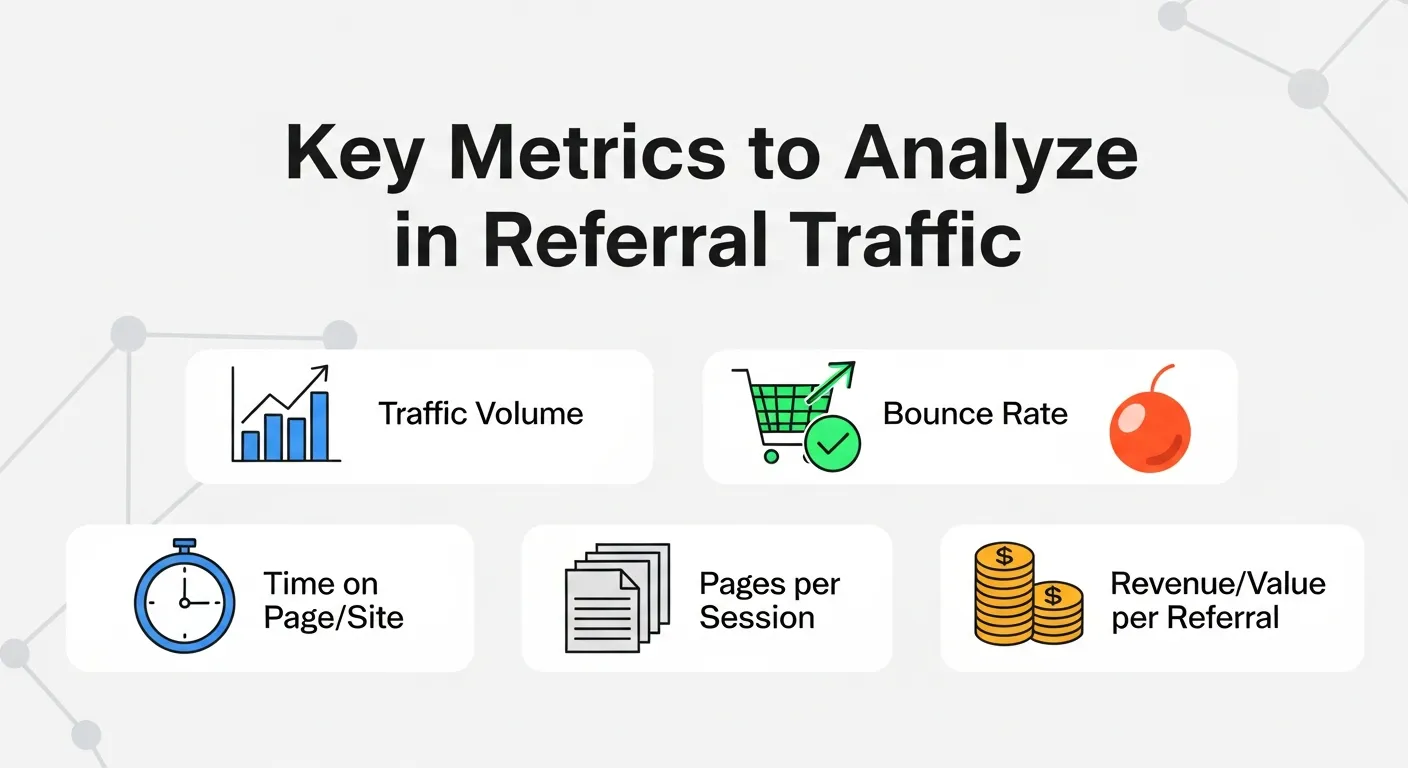
Referral traffic is a valuable asset for any business, but to truly harness its potential, it is essential to track and analyze the right metrics. By focusing on key performance indicators (KPIs), businesses can evaluate the effectiveness of their referral campaigns and make data-driven decisions that lead to better results.
Traffic Volume
How to Track the Volume of Referral Traffic:
Traffic volume is a fundamental metric in referral marketing. It refers to the total number of visitors that come to your website through referral sources. Monitoring this volume helps assess the success of your referral campaigns and provides insight into which channels are bringing the most visitors.
Tools and Platforms for Traffic Tracking:
Google Analytics is one of the most popular tools for tracking referral traffic. In Google Analytics, you can easily set up referral tracking through the “Acquisition” section, where you can see the sources of traffic. Other tools, like SEMrush and Ahrefs, also provide detailed traffic analysis, offering deeper insights into your referral sources and trends.
Conversion Rates
How to Measure Conversion from Referral Traffic:
Conversion rates indicate the percentage of referral visitors who take a desired action on your website, such as making a purchase, signing up for a newsletter, or filling out a contact form. By tracking conversion rates, you can evaluate the effectiveness of your traffic in generating actual business outcomes.
Best Practices for Tracking Conversions:
Using goals in Google Analytics allows businesses to measure conversions effectively. Define what a conversion means for your business and set up specific goals, such as a completed purchase or form submission. Additionally, UTM parameters (discussed later) can be used to track the performance of individual referral campaigns and accurately measure conversions.
Referral Source Performance
Identifying High-Performing Referral Sources:
Tracking the performance of individual referral sources helps identify which channels or partners are driving the most valuable traffic. Whether it’s social media, influencers, or affiliate partners, understanding the performance of these sources allows businesses to focus their efforts on the most effective channels.
Assessing Quality Over Quantity of Traffic:
While high traffic volume is important, the quality of the traffic is equally crucial. Referral traffic from a highly relevant or authoritative site is more likely to convert than traffic from a generic or unrelated source. Evaluating traffic quality, in addition to volume, ensures businesses focus on high-value leads.
Bounce Rate and Engagement Metrics
Importance of Monitoring Bounce Rate for Referral Traffic:
The bounce rate indicates how many visitors leave your website without interacting with other pages. A high bounce rate for traffic could signal that your landing pages are not engaging or relevant to the visitors. It’s essential to analyze bounce rates to ensure your referral traffic is staying engaged.
Analyzing Engagement (Time on Site, Pages Per Session):
Other engagement metrics, such as time spent on site and pages per session, can provide insight into how interested visitors are in your content. Longer session times and higher pages per session typically indicate that the referral traffic is highly engaged and interested in what your site has to offer.
Referral Traffic Segmentation
Segmentation Based on Traffic Sources, Geography, and Demographics:
Referral traffic segmentation allows businesses to analyze their audience more deeply. By breaking down referrals by source (social media, blogs, affiliates), geography (location-based data), and demographics (age, gender, interests), businesses can tailor their marketing efforts more effectively to the most engaged groups.
Personalizing Campaigns Based on Referral Data:
Once traffic is segmented, businesses can personalize their marketing campaigns to different groups. For example, a specific demographic from social media might respond better to discount offers, while visitors from blog referrals may prefer educational content. Personalizing campaigns improves engagement and conversion rates.
Tools for Analyzing Referral Traffic
To effectively track and optimize referral traffic, businesses need to use a variety of tools that offer comprehensive analytics and actionable insights.
Google Analytics
Setting Up and Tracking Referral Sources in Google Analytics:
Google Analytics is a must-have tool for tracking referral traffic. To monitor referral sources, navigate to the “Acquisition” section in Google Analytics, then select “All Traffic” and “Referrals.” This will display all the external websites that have sent visitors to your site. Google Analytics also allows you to track referral conversions, bounce rates, and engagement metrics, providing a holistic view of traffic performance.
Key Features in GA for Analyzing Referral Traffic:
Google Analytics provides robust tracking options, including referral source tracking, goal setting for conversions, and audience segmentation. You can also set up UTM parameters to track specific referral campaigns in more detail. Additionally, GA provides insights into user behavior, such as time spent on the site and pages per session.
Social Media Analytics
Using Facebook Insights, Twitter Analytics, LinkedIn Analytics, etc.:
Social media platforms like Facebook, Twitter, and LinkedIn offer built-in analytics tools that help track referral traffic from their networks. These platforms show how many clicks or visits your website has received from each post or link shared, allowing you to measure the effectiveness of your social media efforts.
Tracking Referral Traffic from Social Platforms:
By linking your social media analytics with Google Analytics, you can track how visitors from platforms like Instagram or LinkedIn behave on your site. This helps businesses understand which social media channels are bringing in high-quality traffic.
UTM Parameters and Campaign Tracking
How UTM Parameters Help in Tracking Referral Traffic:
UTM (Urchin Tracking Module) parameters are tags added to URLs that help track the performance of specific campaigns. UTM tags provide detailed data on the source, medium, and campaign name, allowing businesses to pinpoint exactly where their referral traffic is coming from and how well it’s performing.
Setting Up Custom Campaigns and Analyzing Performance:
To track referral campaigns using UTM parameters, businesses should append these tags to links shared across social media, emails, or advertisements. By organizing these parameters based on campaign, channel, or content, businesses can analyze which campaigns are the most successful at driving quality traffic.
Third-Party Tools for Referral Traffic
Mentioning Tools Like ReferralCandy, SEMrush, Ahrefs:
Third-party tools like ReferralCandy, SEMrush, and Ahrefs provide advanced traffic tracking and analysis. These tools offer deep insights into backlink performance, referral traffic growth, and keyword rankings, helping businesses understand how traffic is influencing their overall SEO strategy.
Benefits of Using Third-Party Tools:
Third-party tools provide more detailed and granular data compared to Google Analytics, such as competitor analysis, backlink quality assessment, and traffic source performance. Using these tools, businesses can fine-tune their referral marketing strategies and stay ahead of the competition.
How to Optimize Your Referral Traffic
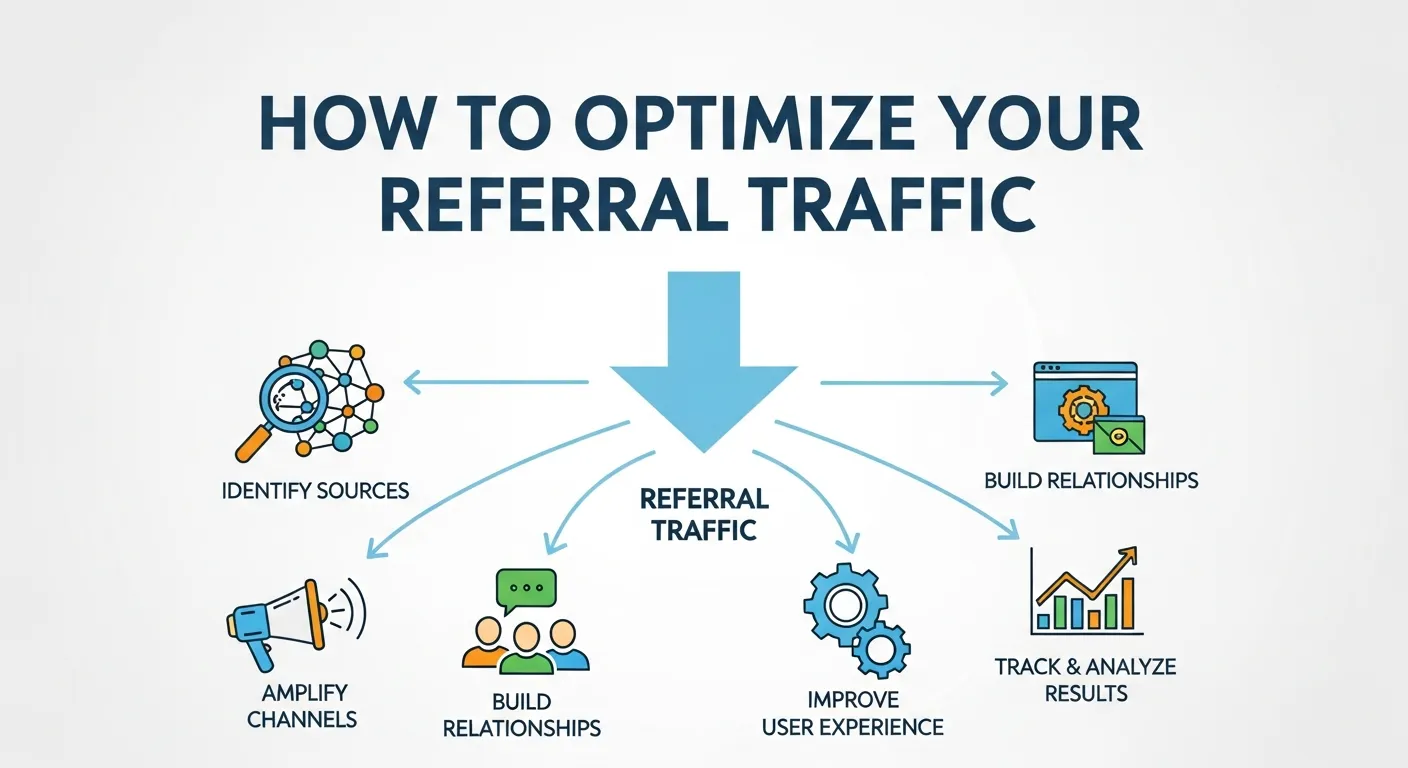
To truly capitalize on the power of referral traffic, businesses must optimize their strategies for acquisition, conversion, and long-term success.
Building High-Quality Referral Sources
Partnering with Relevant Websites and Influencers:
Establishing partnerships with influential websites, bloggers, and social media influencers can significantly boost referral traffic. Ensure these partners align with your brand values and target audience. Their endorsement will help bring in highly engaged and relevant visitors.
Creating Shareable Content for More Backlinks and Referrals:
Create content that encourages sharing, such as blog posts, infographics, or videos. Content that is informative, entertaining, or highly valuable tends to get shared more, resulting in more backlinks and referrals.
Improving Referral Conversion Rates
Designing User-Friendly Landing Pages:
The user experience on your landing page plays a crucial role in converting referral traffic into actual customers. Optimize landing pages for fast loading times, clear navigation, and relevant content that aligns with the referral source.
Implementing Strong Call-to-Action (CTA) on Referred Traffic:
Your CTA should be clear, direct, and aligned with the visitor’s intent. Whether it’s signing up for a newsletter or making a purchase, a strong CTA can drive referral traffic to take action quickly.
Personalizing the User Experience for Referral Visitors:
Tailor the user experience based on where the referral traffic is coming from. For instance, visitors coming from an influencer’s recommendation may respond well to personalized offers or product recommendations related to the influencer’s content.
SEO and Referral Traffic Synergy
How Referral Traffic Can Improve SEO Rankings:
Referral traffic can significantly impact SEO rankings by increasing your domain authority. High-quality backlinks from reputable referral sources signal to search engines that your site is trusted, which can lead to higher search rankings.
Best SEO Practices to Attract and Retain Referral Traffic:
To attract traffic, ensure that your website is optimized for search engines with relevant keywords, high-quality content, and easy navigation. Also, focus on building a strong backlink profile by fostering relationships with high-authority websites.
Retargeting Referral Traffic
Using Retargeting Ads for Increased Conversion Rates:
Retargeting ads allow businesses to re-engage visitors who have clicked on referral links but haven’t converted. Displaying ads to these visitors can bring them back to your site and encourage them to complete the desired action.
Benefits of Remarketing to Your Referral Traffic:
Remarketing ads allow businesses to remind referral visitors about their initial interest, increasing the chances of conversion. Retargeting enhances the overall efficiency of your referral marketing efforts by nurturing leads and turning them into loyal customers.
Common Challenges in Analyzing Referral Traffic
Despite its benefits, analyzing traffic comes with its own set of challenges. Addressing these challenges is key to optimizing your referral marketing strategy.
Inaccurate Data and Tracking Issues
Reasons for Data Discrepancies:
Tracking referral traffic can sometimes lead to inaccurate data due to issues such as improper tagging, cookie blocking, or discrepancies between platforms. Regular audits and checks are necessary to ensure accuracy.
How to Ensure Accurate Tracking:
Ensure that UTM parameters are correctly implemented, and use tools like Google Tag Manager to manage tracking codes efficiently. Regularly test and verify that your referral sources are being tracked accurately.
Difficulty in Measuring the ROI of Referral Traffic
Challenges in Calculating the Exact ROI of Referral Campaigns:
Measuring the exact ROI from traffic can be challenging, especially when there are multiple touchpoints in the customer journey. Tracking direct conversions from referral links can provide some insights, but multi-touch attribution models are often required for a complete view.
How to Attribute Referral Traffic to Sales or Leads:
Use Google Analytics’ multi-channel funnels and attribution reports to better understand the contribution of traffic to sales. Additionally, UTM parameters can help attribute sales and leads to specific referral sources.
Overcoming Traffic Spam or Low-Quality Referrals
Identifying and Filtering Out Low-Quality Traffic:
Low-quality referral traffic, such as spammy referrals or fake sources, can distort your analytics. Use tools to filter out irrelevant or suspicious referral sources, and focus on high-quality traffic that brings engaged visitors.
Dealing with Spammy Referral Links and Fake Traffic Sources:
Regularly monitor your referral sources for suspicious activity. You can block low-quality referral links through Google Analytics settings and ensure your analytics data reflects only legitimate traffic.
Case Studies: Successful Referral Traffic Strategies
Referral traffic can significantly boost website performance when done right. Here are a few case studies showcasing successful strategies.
Case Study 1: E-commerce Store Leveraging Influencers
An e-commerce store partnered with influencers in the fashion niche to promote their new clothing line. By providing influencers with custom referral links, they saw a 50% increase in traffic and a 30% conversion rate from these visitors. The campaign showed the power of influencer marketing in driving targeted, high-quality traffic.
Case Study 2: SaaS Company’s Affiliate Program
A SaaS company launched an affiliate marketing program, offering commissions to affiliates for each new user they referred. The program resulted in a 40% increase in leads and a 25% boost in sales over six months. The success was driven by a well-structured incentive system and the targeted use of affiliate partners.
Case Study 3: Blogging and Guest Posting for Referral Growth
A content-based business saw a 60% increase in referral traffic after actively engaging in guest posting on high-authority blogs within their industry. The traffic was highly engaged, with a 35% conversion rate, demonstrating the value of strategic partnerships and guest posts for growing traffic.
How to Measure and Improve ROI from Referral Traffic
Measuring and improving the return on investment (ROI) from traffic is essential to ensure that your referral marketing efforts are generating positive results.
Calculating Referral ROI
Formula to Calculate the ROI of Referral Traffic:
To calculate referral ROI, subtract the total cost of running your referral program from the total revenue generated by the referred customers. Then, divide that figure by the total cost of the program and multiply by 100 to get the ROI percentage.
Best Practices for Enhancing Referral ROI
Building Long-Term Partnerships for Sustained Referral Traffic:
Focus on creating lasting partnerships with high-quality referral sources. Build relationships with influencers, affiliates, and partner websites that will continue to bring in traffic over time, ensuring long-term success.
Creating Value-Driven Referral Incentives and Rewards:
Offer rewards that provide value not only to the referrer but also to the referred customer. This approach drives higher conversion rates and ensures that both parties are motivated to participate in the program.
Future Trends in Referral Traffic and Marketing
As digital marketing evolves, traffic strategies will continue to adapt to new trends and technologies.
The Rise of AI in Referral Marketing
How Artificial Intelligence Is Transforming Referral Traffic Analysis:
AI is helping marketers better understand traffic by predicting customer behavior and automating campaign management. AI-powered tools can segment audiences more effectively, helping businesses deliver more personalized referral campaigns.
Voice Search and Referral Traffic
The Growing Impact of Voice Search on Referral Traffic:
With the rise of voice search, traffic from voice-enabled devices is increasing. Optimizing for voice search by using natural language and local SEO tactics can help businesses attract more traffic from voice search queries.
FAQ: Referral Traffic in Marketing
1. What is referral traffic in marketing?
Referral traffic refers to visitors who arrive at your website through links from other sites, including blogs, social media, or partner websites. It is an important source of traffic that helps businesses increase visibility and brand credibility.
2. Why is referral traffic important for businesses?
Referral traffic is important because it brings in visitors who are already somewhat familiar with your brand, leading to higher trust and engagement. It also helps build backlinks, which are beneficial for SEO and improving search engine rankings.
3. How do you track referral traffic?
Referral traffic can be tracked using tools like Google Analytics. By navigating to the “Acquisition” section and selecting “Referral,” you can see which websites are sending traffic to your site and analyze their performance.
4. What is the difference between referral traffic and organic traffic?
Referral traffic comes from external sources like websites and social media links, while organic traffic comes from search engines through users finding your website by typing in search queries. Traffic is often more targeted because it comes from trusted sources.
5. How can referral traffic improve brand credibility?
Referral traffic improves brand credibility when high-authority websites, influencers, or reputable sources link to your content. This third-party endorsement builds trust with new visitors, making them more likely to explore your site and convert.
6. What are the common sources of referral traffic?
Common sources of traffic include social media platforms (Facebook, Instagram, LinkedIn), blogs, guest posts, influencer endorsements, email campaigns, affiliate programs, and other partner websites or directories.
7. What metrics should you analyze to measure referral traffic success?
Key metrics to analyze include traffic volume, conversion rates, bounce rates, engagement (time on site, pages per session), and referral source performance. These help assess how effective your traffic is at driving valuable visitors and conversions.
8. How can traffic help improve SEO?
Referral traffic improves SEO by generating backlinks from other websites, which search engines view as a vote of confidence. High-quality backlinks from relevant sites can increase domain authority and help improve your search rankings.
9. What are some strategies to increase referral traffic?
To increase traffic, focus on building relationships with influencers and bloggers, participating in guest blogging, sharing valuable content that others want to link to, and running referral programs that encourage customers to share your site.
10. How can you convert referral traffic into customers?
To convert traffic into customers, ensure that your landing pages are optimized, easy to navigate, and relevant to the audience coming from referral sources. Implement strong calls-to-action (CTAs), personalized experiences, and make the user journey seamless for referral visitors.