
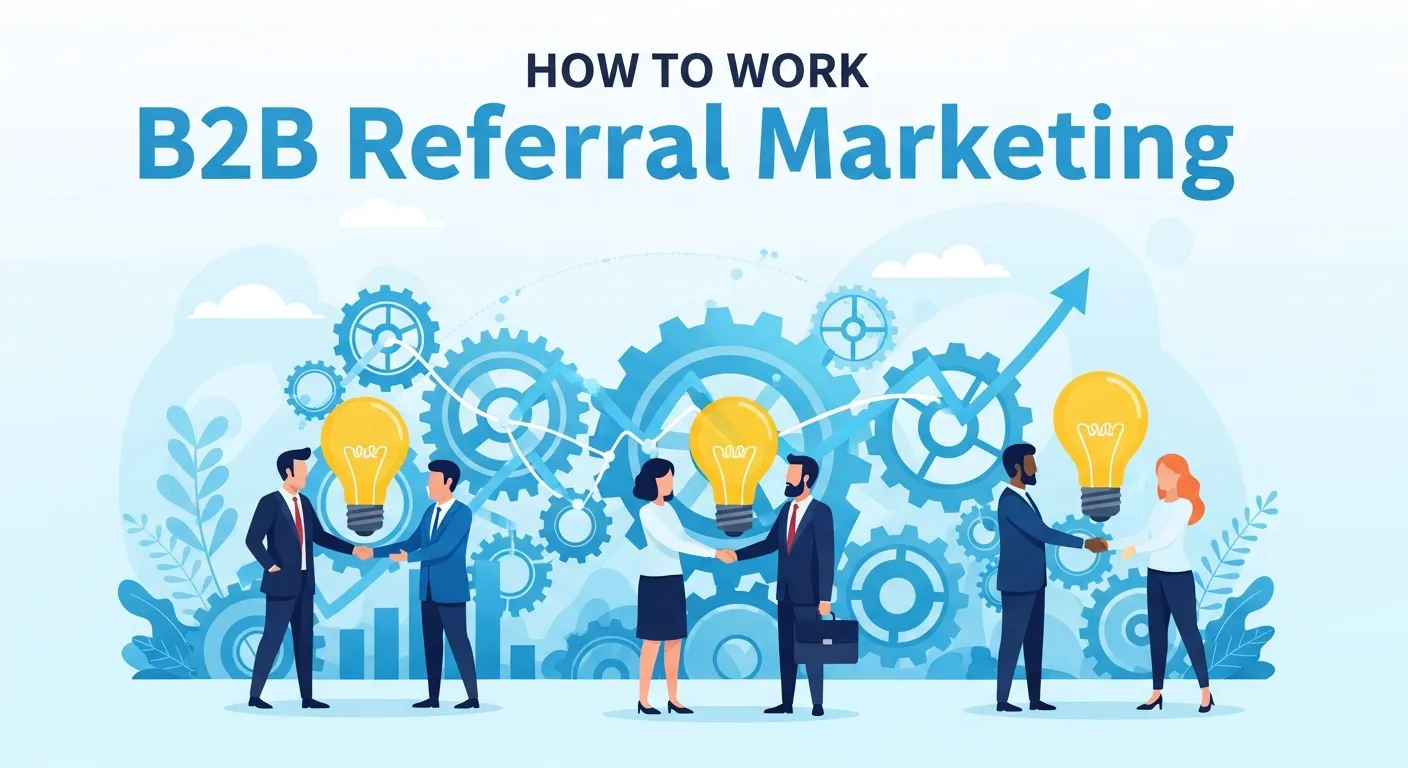
B2B referral marketing leverages trusted relationships to generate high-quality leads, reduce acquisition costs, and strengthen partnerships. It’s an affordable, scalable strategy that fosters business growth by tapping into existing networks for sustained success.
B2B referral marketing is one of the most effective strategies for driving business growth. Unlike traditional advertising, it leverages the power of word-of-mouth, using satisfied customers, business partners, and even employees to promote your brand to potential clients. In the B2B sector, where trust and long-term relationships are paramount, referrals are invaluable.
By building a referral program, businesses can tap into their existing network to generate high-quality leads that are more likely to convert. This approach not only reduces the cost of customer acquisition but also strengthens relationships with current clients and partners.
As the digital landscape evolves, B2B referral marketing continues to prove its relevance, offering an affordable and scalable way for companies to expand. Whether you’re a startup or an established firm, incorporating referral marketing into your strategy can significantly boost your success.
What is B2B Referral Marketing?
Definition of B2B Referral Marketing
B2B referral marketing is a strategy where businesses encourage existing clients, partners, or other stakeholders to recommend their products or services to potential customers. Unlike traditional marketing that relies on paid ads or outbound tactics, referral marketing leverages personal relationships and trust to generate leads.
The key difference between B2B and B2C referral marketing lies in the sales cycle and decision-making process. B2B purchases involve multiple stakeholders, longer consideration periods, and higher price points. A referral in this context carries more weight because it comes from someone who understands the complexity of the purchase and can vouch for the value.
B2B referral marketing also differs from affiliate marketing. While affiliates earn commissions for driving sales, referrers typically receive incentives for introductions rather than completed transactions. The focus is on relationship-building rather than transactional exchanges.
The Role of Trust in B2B Referrals
Trust is the foundation of effective B2B referral marketing. Decision-makers are more likely to engage with a vendor recommended by someone they respect. A referral bypasses initial skepticism and positions your company as a credible solution from the first interaction.
Research shows that B2B buyers heavily rely on peer recommendations when evaluating new vendors. They trust the experiences of others who have faced similar challenges and found success with a particular solution. This makes referrals one of the most powerful tools for breaking through the noise and gaining access to decision-makers.
When a referral comes from a satisfied customer, it carries an implicit endorsement of your product, service quality, and customer support. This level of validation is nearly impossible to achieve through traditional marketing channels.
Key Benefits of B2B Referral Marketing
Increased Lead Generation
Referral programs create a steady stream of high-quality leads without the need for constant outbound prospecting. Your existing network does the heavy lifting by identifying potential clients who match your ideal customer profile.
Cost-Effective Marketing Strategy
Acquiring customers through referrals costs significantly less than paid advertising or cold outreach. You’re leveraging relationships that already exist rather than spending resources to build new ones from scratch.
Higher Conversion Rates and Brand Advocacy
Referred leads convert at higher rates because they enter the sales process with a level of trust already established. They’re also more likely to become advocates themselves, creating a compounding effect that fuels long-term growth.
How to Set Up a Successful B2B Referral Program

Define Clear Objectives and Goals
Before launching a referral program, establish what success looks like. Are you aiming to increase the number of qualified leads by 20%? Generate $500,000 in new revenue? Expand into a new market segment?
Clear objectives help you design a program that aligns with your business priorities. They also provide benchmarks for measuring performance and making adjustments over time.
Examples of measurable goals include:
- Generating 50 new qualified leads per quarter through referrals
- Achieving a 30% conversion rate on referred leads
- Increasing customer lifetime value by 25% through referral-driven acquisitions
Identify the Right Audience for Referrals
Not every customer or partner is an ideal referrer. Focus on individuals and organizations that have experienced significant value from your product or service and have networks that align with your target market.
Consider these potential referral sources:
- Existing customers who have achieved measurable results with your solution
- Business partners who serve the same audience but offer complementary services
- Industry influencers who have credibility and reach within your target market
- Former employees who understand your value proposition and maintain relevant connections
Understanding who is most likely to refer—and who they can refer—helps you tailor your program to maximize participation and results.
Offer Incentives that Drive Participation
Incentives motivate action, but they need to align with what your referrers value. In B2B contexts, monetary rewards work well, but they’re not the only option. Consider offering:
- Cash bonuses or gift cards for successful referrals
- Service credits or discounts on future purchases
- Exclusive access to new features, events, or resources
- Recognition through public acknowledgment or awards
The key is balancing short-term rewards with long-term relationship building. Avoid incentives that feel transactional or undermine the trust that makes referrals effective in the first place.
Create a Simple Referral Process
Complexity kills participation. Make it as easy as possible for someone to refer a potential client. This means providing clear instructions, simple tools, and minimal friction.
A streamlined referral process might include:
- A dedicated referral portal where participants can submit leads
- Pre-written email templates they can customize and send
- Automated notifications that keep them informed about the status of their referrals
- Integration with CRM systems to ensure seamless tracking
Referral software platforms like Referral Rock, Ambassify, or Influitive can automate much of this process, reducing manual work and improving the experience for both referrers and your team.
Best Practices for B2B Referral Marketing
Cultivate Relationships with Existing Customers
The best referrers are satisfied customers. Invest time in building strong relationships with your clients by delivering exceptional value, providing proactive support, and staying engaged beyond the initial sale.
Regular check-ins, business reviews, and opportunities for feedback help you understand their experience and identify those who are most likely to advocate on your behalf. When you’ve earned their trust, they’ll naturally want to share their positive experience with others.
Leverage Social Proof and Case Studies
Success stories and testimonials make it easier for referrers to make introductions. When they can point to concrete examples of how your solution solved a problem or delivered results, it strengthens their recommendation.
Incorporate case studies, client testimonials, and data-driven results into your referral marketing materials. This gives referrers the ammunition they need to make compelling introductions and helps referred leads understand the value you provide.
Utilize Technology to Automate Referral Tracking
Manual tracking of referrals quickly becomes unmanageable as your program scales. Referral management software automates tracking, ensures accurate attribution, and provides visibility into program performance.
These tools integrate with your CRM to capture referral data, monitor lead progression through the sales funnel, and trigger rewards when referrals convert. Automation also ensures referrers receive timely updates, which keeps them engaged and motivated to continue participating.
Consistent Communication with Referrals
Keeping referrers informed about the status of their referrals demonstrates respect for their effort and maintains their engagement. Send updates when a referred lead enters the pipeline, progresses through sales stages, or ultimately converts.
Regular communication also provides opportunities to thank referrers, share program updates, and remind them of the incentives available. This ongoing dialogue keeps your referral program top of mind and encourages continued participation.
How to Measure the Success of Your B2B Referral Program

Key Metrics to Track
Measuring the performance of your referral program requires tracking the right metrics. Focus on:
- Referral volume: The number of referrals submitted over a given period
- Conversion rate: The percentage of referred leads that become customers
- Customer lifetime value (CLTV): The total revenue generated by referred customers over their relationship with your company
- Time to close: How long it takes referred leads to convert compared to other sources
CRM systems like Salesforce, HubSpot, or Pipedrive can track these metrics when integrated with referral management software. This data provides a comprehensive view of how your program contributes to revenue and growth.
Analyzing ROI from B2B Referrals
Return on investment (ROI) measures the financial efficiency of your referral program. Calculate it by comparing the revenue generated by referred customers to the total cost of running the program (including incentives, software, and administrative overhead).
A positive ROI indicates that your program is generating more value than it costs to operate. But don’t stop at short-term gains. Consider the long-term value of referred customers, who often have higher retention rates and lifetime value than leads from other sources.
Adjusting and Optimizing Your Program
Data-driven optimization keeps your referral program effective over time. Regularly review performance metrics to identify what’s working and where there’s room for improvement.
A/B testing different incentives, messaging, and referral processes can reveal what drives the best results. For example, you might test whether a higher cash reward generates more referrals or if recognition-based incentives perform better with certain segments.
Use insights from your data to refine targeting, adjust incentives, and streamline the referral experience. Continuous improvement ensures your program remains relevant and delivers sustainable results.
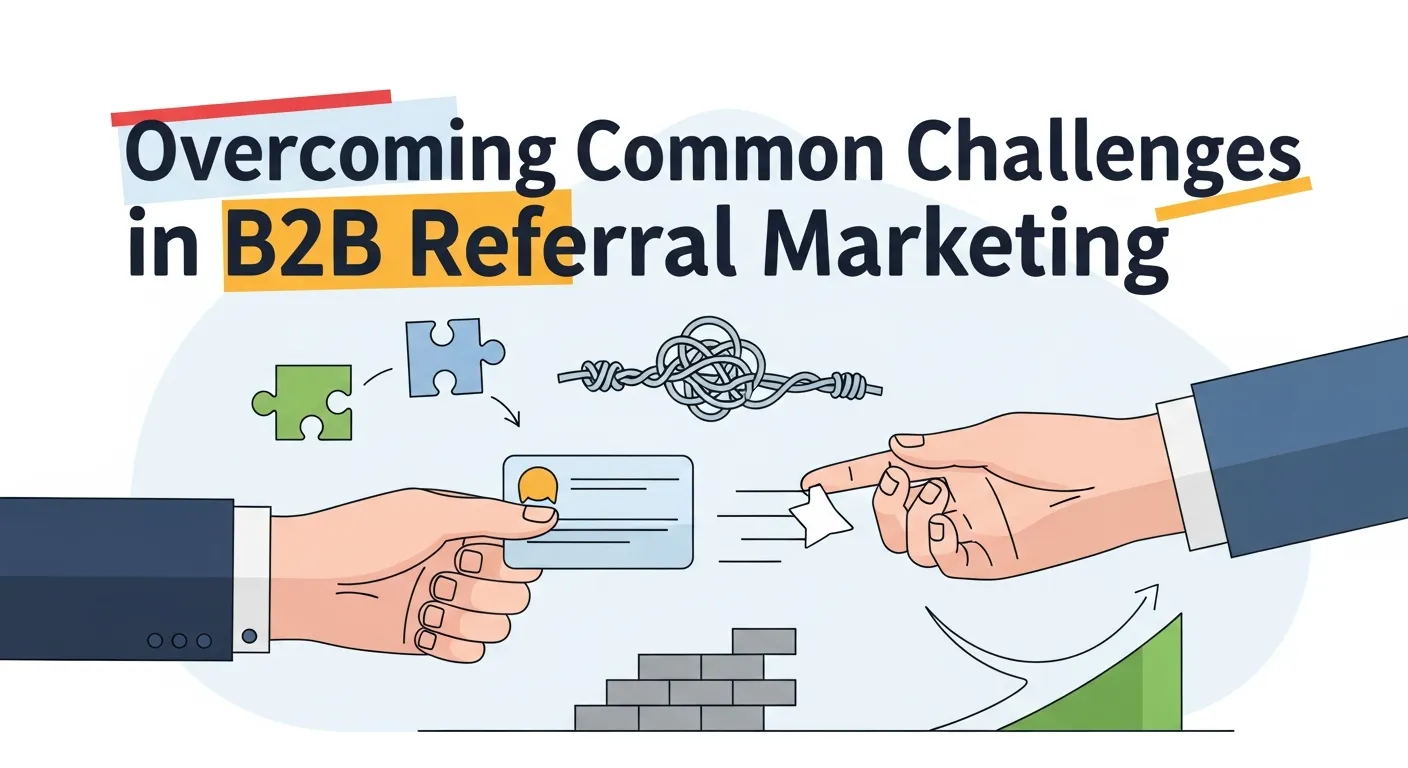
Overcoming Common Challenges in B2B Referral Marketing
Lack of Engagement from Referrers
Even well-designed programs can struggle with participation. If referrers aren’t actively submitting leads, revisit your incentives and communication strategy.
Re-engagement tactics include:
- Sending personalized reminders about the program and its benefits
- Highlighting success stories from other referrers to inspire action
- Offering limited-time bonuses to create urgency
- Simplifying the referral process to remove barriers
Sometimes, low engagement signals a mismatch between what you’re offering and what referrers value. Gathering feedback directly from participants can reveal adjustments that increase participation.
Tracking and Managing Multiple Referrals
As your program grows, managing a high volume of referrals manually becomes impractical. Referral tracking software and CRM integration are essential for scaling without losing visibility or accuracy.
Automation ensures every referral is captured, attributed correctly, and tracked through the sales process. It also frees up your team to focus on nurturing relationships rather than administrative tasks.
Ensuring Referral Quality
Not all referrals are created equal. Low-quality leads waste time and resources, and they can frustrate your sales team.
To maintain quality, provide clear guidance on what makes a good referral. Share your ideal customer profile with referrers so they understand who to target. You might also implement a qualification process that filters leads before they enter your sales pipeline.
Rewarding referrers based on lead quality rather than volume can also encourage more thoughtful introductions.
Real-Life Examples of Successful B2B Referral Programs
Case Study 1: Dropbox Business
Dropbox’s referral program is often cited as a B2B success story. The company offered additional storage space to both the referrer and the referred user, creating a win-win incentive structure.
This approach generated millions of new users and significantly reduced customer acquisition costs. By making the referral process simple and the reward immediately valuable, Dropbox turned its user base into a powerful growth engine.
Key takeaway: Align incentives with what your audience values most, and make participation effortless.
Case Study 2: Slack
Slack’s referral program focused on empowering existing users to invite teammates and colleagues. The platform’s collaborative nature made referrals a natural extension of its core functionality.
By integrating referrals directly into the product experience and offering credits for upgrades, Slack achieved rapid adoption and built a community of brand advocates.
Key takeaway: Leverage your product’s natural use case to encourage organic referrals, and reward participants in ways that enhance their experience.
What We Can Learn from These Examples
Both Dropbox and Slack succeeded by aligning their referral programs with user behavior and offering incentives that felt genuine rather than forced. They prioritized simplicity, provided clear value, and integrated referrals into the customer journey seamlessly.
These principles apply across industries. Focus on making referrals easy, rewarding, and aligned with how your customers naturally interact with your product or service.
Conclusion
B2B referral marketing is a powerful tool for driving business growth, fostering trust, and building long-lasting relationships. By crafting a well-structured referral program, targeting the right sources, and providing valuable incentives, businesses can successfully tap into the potential of referrals. Continuous engagement, optimization, and the right technology are crucial to maximizing results. By learning from real-world examples and addressing common challenges, companies can implement strategies that not only attract new leads but also nurture loyal partners. Embrace B2B referral marketing today to unlock long-term success and sustainable business growth.
FAQ: How to Work B2B Referral Marketing
1. What is B2B Referral Marketing?
B2B Referral Marketing involves businesses leveraging existing relationships with clients, partners, and employees to generate leads and referrals. It’s a strategy built on trust and long-term relationships to promote products or services.
2. How Does B2B Referral Marketing Work?
B2B Referral Marketing works by encouraging satisfied customers or partners to refer new prospects. Businesses reward these referrals with incentives, fostering a network-driven approach to expand their reach and build credibility.
3. Why is B2B Referral Marketing Important?
B2B Referral Marketing is important because it generates highly qualified leads, reduces customer acquisition costs, and enhances brand credibility. Referrals are seen as more trustworthy than traditional ads, leading to better conversion rates.
4. How Can You Create a Successful B2B Referral Program?
To create a successful B2B Referral Marketing program, identify your target referrers, set clear incentives, and provide easy tools for sharing referrals. Consistently track and reward top performers to maintain engagement.
5. What Types of Businesses Benefit from B2B Referral Marketing?
Most B2B businesses, especially service-based or product companies in niches like SaaS, consultancy, and manufacturing, benefit from referral marketing. It works best for businesses with long-term client relationships and trust.
6. What Incentives Can Be Offered in B2B Referral Programs?
Common incentives in B2B Referral Marketing include discounts, cash rewards, or exclusive offers. The key is offering something that aligns with the interests of both the referrer and the referee.
7. How Can You Encourage Referrals in B2B?
Encourage referrals by making the process simple, offering valuable incentives, and reminding your clients or partners about your referral program. Consistent communication and showing appreciation for referrals can significantly boost engagement.
8. What Tools Can Be Used to Manage B2B Referral Marketing?
There are several tools for managing B2B Referral Marketing, including platforms like ReferralCandy, Yotpo, and Post Affiliate Pro. These tools help track referrals, manage incentives, and automate referral processes effectively.
9. How Do You Track Referral Success in B2B Marketing?
Track B2B referral success by measuring metrics like the number of referrals, conversion rates, customer lifetime value, and revenue generated from referrals. Use CRM tools and analytics platforms to monitor the effectiveness of your program.
10. What Are Some Common Challenges in B2B Referral Marketing?
Common challenges include low engagement, difficulty tracking referrals, and ensuring incentives are compelling. Overcome these by streamlining the process, using technology for tracking, and continuously optimizing the program based on feedback and data.