
Gamifying referral marketing transforms standard programs into engaging, competitive experiences. Using points, badges, leaderboards, and challenges motivates participation, boosts social sharing, increases referrals, and strengthens customer loyalty, driving sustainable growth while turning users into enthusiastic brand advocates.
Referral marketing has long been one of the most cost-effective ways to acquire new customers. But as consumer expectations evolve, simply asking for referrals isn’t enough. Gamification—the use of game-design elements in non-game contexts—can supercharge your referral program by tapping into users’ natural desire for achievement, competition, and recognition. In this post, we’ll explore seven proven gamification strategies that will drive engagement, amplify word-of-mouth, and deliver sustainable growth.
What Is Gamification in Referral Marketing?
At its core, gamification is the application of game-like elements—such as points, badges, challenges, and leaderboards—to non-game environments. In referral marketing, gamification turns the act of referring friends into an interactive, rewarding, and competitive experience rather than a passive transaction.
Instead of offering a simple “refer a friend, get a discount” model, gamification creates a journey that motivates, recognizes, and entertains customers while promoting your brand.
Key Gamification Elements in Referral Marketing
1. Points Systems
- Users earn points for each successful referral, social share, or signup.
- Points can be redeemed for rewards, discounts, free products, or exclusive perks.
- Encourages repeated participation instead of one-time referrals.
2. Badges and Achievements
- Visual rewards for reaching milestones (e.g., “First Referral,” “Referral Pro,” “Brand Ambassador”).
- Creates a sense of accomplishment and status within the community.
- Motivates users to collect more badges and progress further.
3. Leaderboards
- Displays top referrers publicly, ranking users by referrals or points earned.
- Encourages friendly competition and social proof.
- Drives high-performing advocates to keep referring to stay on top.
4. Challenges and Quests
- Time-based or goal-based tasks (e.g., “Refer 3 friends this week to unlock a bonus”).
- Keeps engagement fresh and dynamic.
- Creates urgency and repeat participation.
5. Reward Tiers and Milestones
- Tiered rewards based on referral levels (e.g., Bronze, Silver, Gold, VIP).
- Higher tiers unlock premium perks like exclusive access, free upgrades, or VIP support.
- Encourages long-term loyalty and continuous referrals
Why Gamify Your Referral Program?

- Increased Engagement: Game elements motivate customers to participate more actively and frequently.
- Social Proof: Leaderboards and shared achievements encourage peer endorsement.
- Higher Lifetime Value: Engaged referrers tend to stick around and make repeat purchases.
- Viral Potential: Exciting challenges and public recognition can spark organic social sharing.
Ultimately, referral marketing beats traditional ads because it leverages trust between peers rather than relying solely on brand messaging. Gamification amplifies this advantage by making the referral process more interactive and rewarding. Instead of ad fatigue, customers experience fun and incentives—driving higher conversion rates and better ROI.
7 Gamification Strategies to Boost Your Referral Marketing

- Points & Reward Tiers: Assign points for each referral action—sharing via email, social media, or directly via link. As points accumulate, unlock higher reward tiers (e.g., small gift at 100 points, premium discount at 250 points). This tiered approach encourages customers to continue referring until they reach the next milestone.
- Badges & Achievements: Create collectible badges for e.g., “First Referral,” “Social Sharer,” or “Top Referrer of the Month.” Display these badges in user profiles or on a public gallery to recognize and motivate top performers.
- Leaderboards & Competitions: Introduce weekly or monthly leaderboard contests where the top referrers win special rewards. Public leaderboards foster friendly competition, while time-bound contests create urgency and boost short-term engagement.
- Progress Bars & Status Tracking: Visual progress indicators show users exactly how close they are to earning the next reward. This transparent feedback loop keeps customers motivated to complete more referral actions.
- Social Sharing Challenges: Issue-themed challenges such as “Refer 3 friends this week” or “Share on Instagram Stories.” Linking challenges to social platforms amplifies reach and encourages users to broadcast their participation, sparking peer interest.
- Mystery Boxes & Surprise Rewards: Introduce an element of unpredictability by offering mystery rewards—e.g., every 5th referral earns a “surprise bonus” such as extra loyalty points or a gift card. The anticipation of unknown rewards heightens excitement and sustained engagement.
- Collaborative Goals: Build community spirit by setting shared milestones (e.g., “Refer 500 customers this month”). When the community hits the goal, all participants unlock a special discount or donation to a charity. Collaborative goals foster teamwork and collective pride.
Case Study: How BrandX Increased Referrals by 240%
BrandX, a subscription box service, revamped its stagnant referral program by layering in gamification. They introduced a points system, monthly leaderboards, and a “Referrer of the Month” badge. To kick things off, BrandX launched a social-sharing challenge with double points for shares on Instagram Stories. Within 60 days, BrandX saw a 240% increase in referral submissions, a 35% bump in page visits, and an uplift in average order value from highly engaged referrers. The key win? Gamification turned passive customers into brand ambassadors eager to climb the leaderboard.
Integrating Gamification Across Marketing Channels
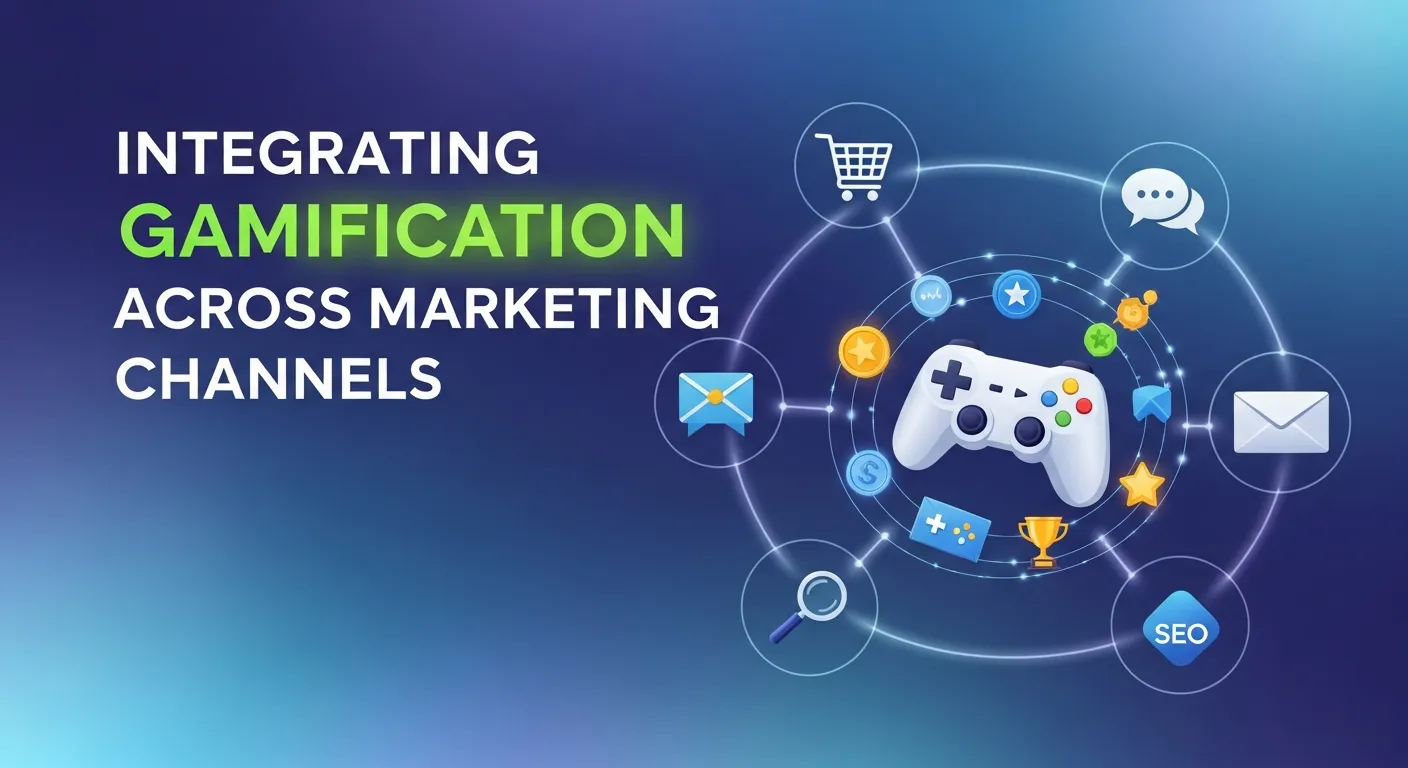
For gamified referral programs to gain maximum traction, they should be integrated across multiple marketing channels. Users need to see referral opportunities in the places where they already interact with your brand—website, email, app, and social media.
Channels for Gamified Referral Promotion:
- Website and Landing Pages: Highlight points, badges, and progress bars in dashboards or banners.
- Email Campaigns: Send personalized updates, reward reminders, or leaderboard highlights.
- Social Media Platforms: Promote challenges, encourage sharing, and celebrate top referrers.
- Mobile App Notifications: Push real-time progress updates, unlock notifications, and bonus opportunities.
- In-App or Post-Purchase Popups: Trigger referral prompts at the most engaged moments.
| Channel | Gamification Feature | Implementation Tips | Performance Metric |
|---|---|---|---|
| Website / Landing Pages | Progress bars, reward tiers | Use dynamic dashboards with real-time updates | Number of referrals initiated |
| Personalized points summary | Include CTA to share the link or unlock rewards | Open rate, click-through rate | |
| Social Media | Leaderboards, badges, social challenges | Encourage user-generated content sharing | Shares, comments, social reach |
| Mobile App | Push notifications, milestone alerts | Trigger notifications for streaks or mystery rewards | App engagement, referral conversion |
| Post-Purchase Popups | Surprise bonuses or points reminders | Present after checkout to encourage immediate referral | Referral submission rate |
Pro Tip: Consistent messaging across channels reinforces the gamified experience, increases referral frequency, and drives participation in multiple touchpoints simultaneously.
Choosing the Right Gamification Elements for Your Audience
Not every game mechanic resonates with every audience. Understanding your customers’ motivations, preferences, and behaviors is crucial for designing a gamified referral program that truly engages. Millennials may enjoy social challenges and leaderboard competitions, while older audiences might respond better to tangible rewards and progress tracking.
Key Considerations When Selecting Gamification Elements:
- Audience Demographics: Age, location, lifestyle, and tech comfort.
- Motivation Types: Intrinsic (fun, recognition) vs. extrinsic (discounts, gifts).
- Platform Preferences: Mobile app users vs. web-based referral platforms.
- Engagement Patterns: Frequency of sharing, social media activity, and referral history.
| Gamification Element | Best Suited For Audience | Example Engagement Tactic | Expected Outcome |
|---|---|---|---|
| Points & Reward Tiers | All ages, competitive segments | Points for every referral or social share | Higher repeat referral rate |
| Badges & Achievements | Recognition-driven users | “Top Referrer of the Month” badge | Increased motivation and profile pride |
| Leaderboards & Competitions | Competitive, social users | Weekly leaderboard contest | Boosts urgency and short-term engagement |
| Mystery Boxes & Surprise Rewards | Curiosity-driven audience | Random bonus every 5 referrals | Sustained engagement over time |
| Collaborative Goals | Community-focused users | Team milestone: “Refer 500 friends collectively” | Strengthens sense of belonging |
Pro Tip: Survey your audience or analyze past referral behavior to identify which gamification elements are likely to resonate most. Avoid implementing all elements at once—start with 2–3 and expand based on engagement metrics.
Best Practices for Gamified Referral Programs
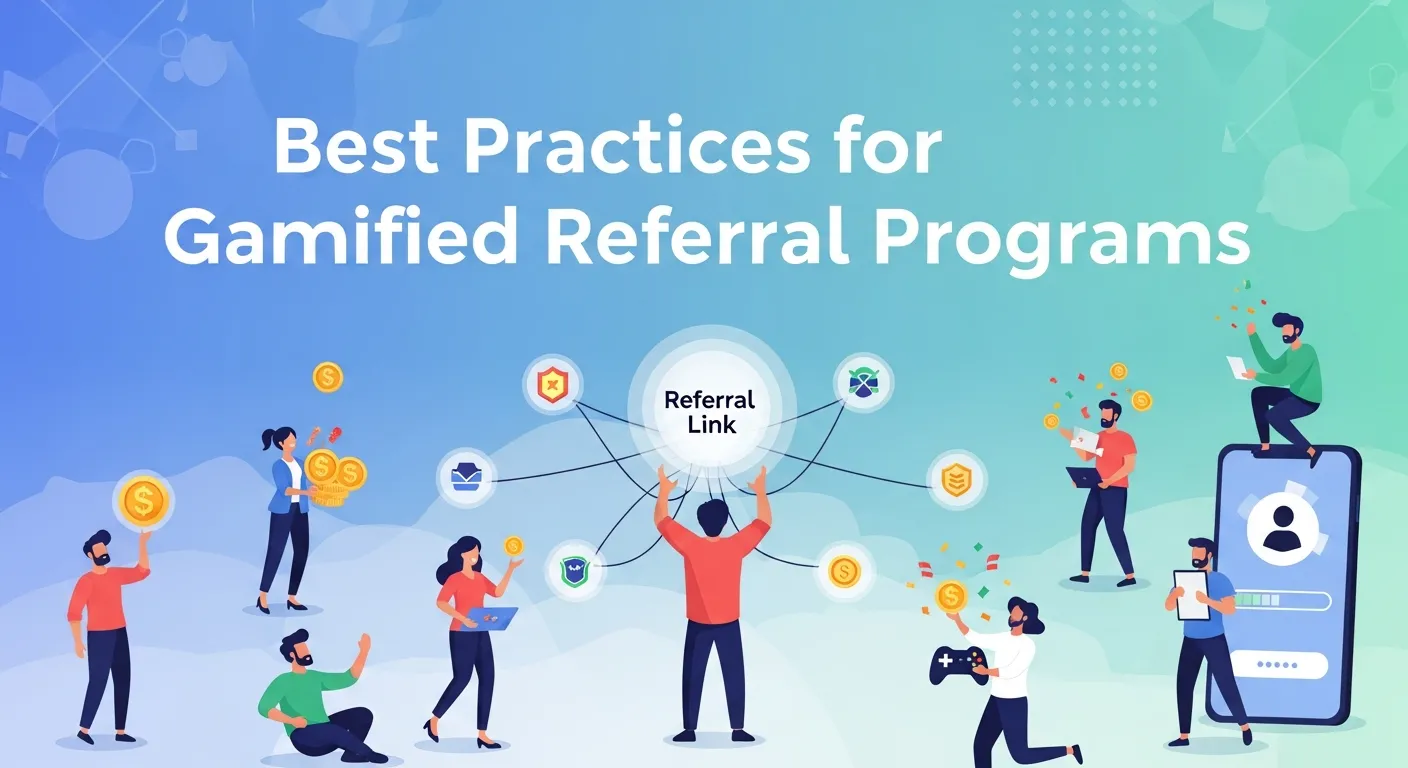
- Keep It Simple: Overly complex rules frustrate users. Limit your game mechanics to 2–3 core elements at launch.
- Offer Meaningful Rewards: Ensure points and badges translate into benefits your audience truly values—discounts, exclusive access, or physical gifts.
- Maintain Transparency: Clearly communicate how to earn points and what each reward tier entails. Use real-time progress bars and notifications.
- Leverage Social Proof: Showcase top referrers and their rewards to inspire others and validate the program’s value.
- Test & Iterate: Use A/B testing to identify which game elements resonate most. Iterate on challenges, reward values, and timing to maximize impact.
- Align with Brand Voice: Integrate gamification naturally into your brand’s tone and visual identity for a seamless customer experience.
Measuring and Optimizing Gamified Referral Programs
A gamified referral program isn’t static. Continuous measurement and optimization are key to maximizing engagement, improving conversion rates, and ensuring sustainable growth. Data-driven insights allow you to understand which game elements resonate most and how to tweak rewards for maximum effect.
Key Metrics to Track:
- Referral participation rate
- Number of referrals per user
- Engagement with gamification features (e.g., points earned, badges collected)
- Social sharing and viral reach
- Conversion rate of referred users
- Lifetime value of active referrers
| Metric | Measurement Method | Optimization Tactic | Desired Outcome |
|---|---|---|---|
| Referral Participation Rate | Track user activity in the dashboard | Add clearer CTAs, simplify referral steps | More users are actively participating |
| Number of Referrals per User | Points tracking | Introduce tiered rewards and progress bars | Higher repeat referrals |
| Engagement with Gamification Features | Badge collection, leaderboard clicks | Highlight top performers, send notifications | Increased ongoing engagement |
| Social Sharing & Viral Reach | Track UTM codes and hashtag usage | Run themed social challenges, double points for shares | Boost brand visibility |
| Conversion Rate of Referred Users | Track referral codes on purchases | Improve landing pages or reward incentives | Higher ROI from gamification |
| Lifetime Value of Active Referrers | Compare referred vs. non-referred customers | Offer loyalty bonuses for top performers | Increased long-term revenue |
Optimization Tips:
- Test different reward types (monetary vs. experiential) to see which drives more referrals.
- Rotate challenges and leaderboards regularly to maintain interest.
- Use A/B testing to refine messaging, reward thresholds, and engagement prompts.
- Leverage feedback from top participants to improve game mechanics.
Pro Tip: Gamification works best when the referral journey feels rewarding at every stage. Regularly analyze your metrics, celebrate milestones publicly, and iterate to maintain excitement.
Tracking and Optimizing Your Gamified Referral Program
Launching a gamified referral program is only half the battle—tracking performance and optimizing your strategy is crucial to ensure sustained engagement and maximum ROI. Without proper monitoring, you risk investing in mechanics that don’t resonate with your audience, wasting resources, and losing momentum. By analyzing key metrics, iterating on challenges, and adjusting rewards, you can refine your program and maintain long-term growth.
Key Metrics to Track
To understand how well your gamified referral program is performing, monitor the following:
- Referral Rate: Number of successful referrals per participant.
- Engagement Rate: Interaction with gamification elements like badges, leaderboards, and progress bars.
- Conversion Rate: Percentage of referred users who complete a purchase or signup.
- Repeat Participation: How often users engage in multiple referral activities.
- Social Sharing: Shares and mentions across social platforms.
- Reward Redemption: How many participants claim rewards, and which rewards are most motivating.
Optimization Strategies
- Test Reward Tiers: Experiment with different point thresholds and incentives to identify which drive the most referrals.
- A/B Test Gamification Elements: Compare badges, leaderboards, and challenges to see which generate higher engagement.
- Adjust Timing: Launch limited-time challenges to create urgency and boost participation.
- Collect User Feedback: Ask participants about what motivates them and where they encounter friction.
- Refine Communication: Ensure notifications, emails, and reminders clearly explain referral opportunities and progress.
Example Table: Metrics and Optimization Actions
| Metric | How to Measure | Optimization Action |
|---|---|---|
| Referral Rate | Count of successful referrals | Increase reward value for higher referrals |
| Engagement Rate | Badge claims, leaderboard interactions | Introduce more interactive challenges |
| Conversion Rate | % of referred users making a purchase | Simplify referral steps; improve landing page |
| Repeat Participation | Users completing multiple referrals | Offer recurring rewards or streak bonuses |
| Social Sharing | Shares, mentions, hashtag usage | Encourage public recognition and shareable content |
| Reward Redemption | Claimed vs. issued rewards | Introduce mystery rewards or tiered incentives |
By continuously monitoring these metrics and adjusting your gamification strategies, your referral program can remain dynamic, engaging, and effective in driving sustainable growth.
Conclusion
Gamification can transform a standard referral program into a high-energy engine for growth. By leveraging points, badges, leaderboards, and social challenges, you tap into the human love of play, competition, and achievement. Start small, measure results, and expand the game elements that drive the most referrals. With the right strategy, you’ll not only boost referral rates but also deepen customer loyalty and foster a thriving community of brand advocates.
FAQ: Gamification in Referral Marketing
1. What is gamification in referral marketing?
Gamification in referral marketing is the use of game-like elements—such as points, badges, leaderboards, and challenges—to motivate customers to refer others. It turns referrals into an engaging experience rather than a simple incentive-based action.
2. Why is gamification effective for referral programs?
Gamification taps into human psychology—competition, rewards, progress tracking, and recognition. These triggers increase participation, encourage repeat referrals, and improve customer loyalty.
3. What are common gamification features in referral programs?
Common features include:
- Points systems
- Badges and achievements
- Leaderboards
- Challenges and missions
- Reward tiers and milestones
These elements keep users engaged and motivated to refer more people.
4. How does gamification increase referral conversions?
Gamification makes the referral process fun and interactive. When users see progress, rankings, or rewards, they are more likely to actively share referral links, resulting in higher conversion rates.
5. What types of rewards work best in gamified referral programs?
Effective rewards include:
- Discounts or coupons
- Free products or services
- Exclusive access or VIP perks
- Gift cards or cashback
- Recognition badges or status levels
The best rewards align with your audience’s interests and your business model.
6. Is gamification suitable for all types of businesses?
Yes. Gamification can be used in Software as a Service (SaaS), eCommerce, fintech, education platforms, subscription services, and mobile apps. The mechanics can be customized based on the target audience and industry.
7. How do leaderboards impact referral performance?
Leaderboards create healthy competition and social proof. Top referrers are motivated to stay ranked, while others try to climb the list, increasing overall referral activity.
8. Can gamification improve customer retention?
Yes. Gamified referral programs keep customers engaged long after their first purchase. Continuous challenges, milestones, and rewards encourage long-term loyalty and repeat interactions.
9. What are the challenges of gamification in referral marketing?
Common challenges include:
- Overcomplicated reward structures
- Fraudulent referrals
- High reward costs
- Low engagement if rewards are not attractive
Proper design, tracking, and fraud prevention tools help mitigate these issues.
10. How can businesses get started with gamified referral marketing?
Businesses can start by:
- Defining referral goals and the target audience
- Choosing gamification elements (points, badges, tiers)
- Setting clear rewards and milestones
- Using referral software or custom tools
- Promoting the program through email, social media, and in-app notifications
Learn more about: Referral Programs for Local Businesses: Low‑Budget, High Impact