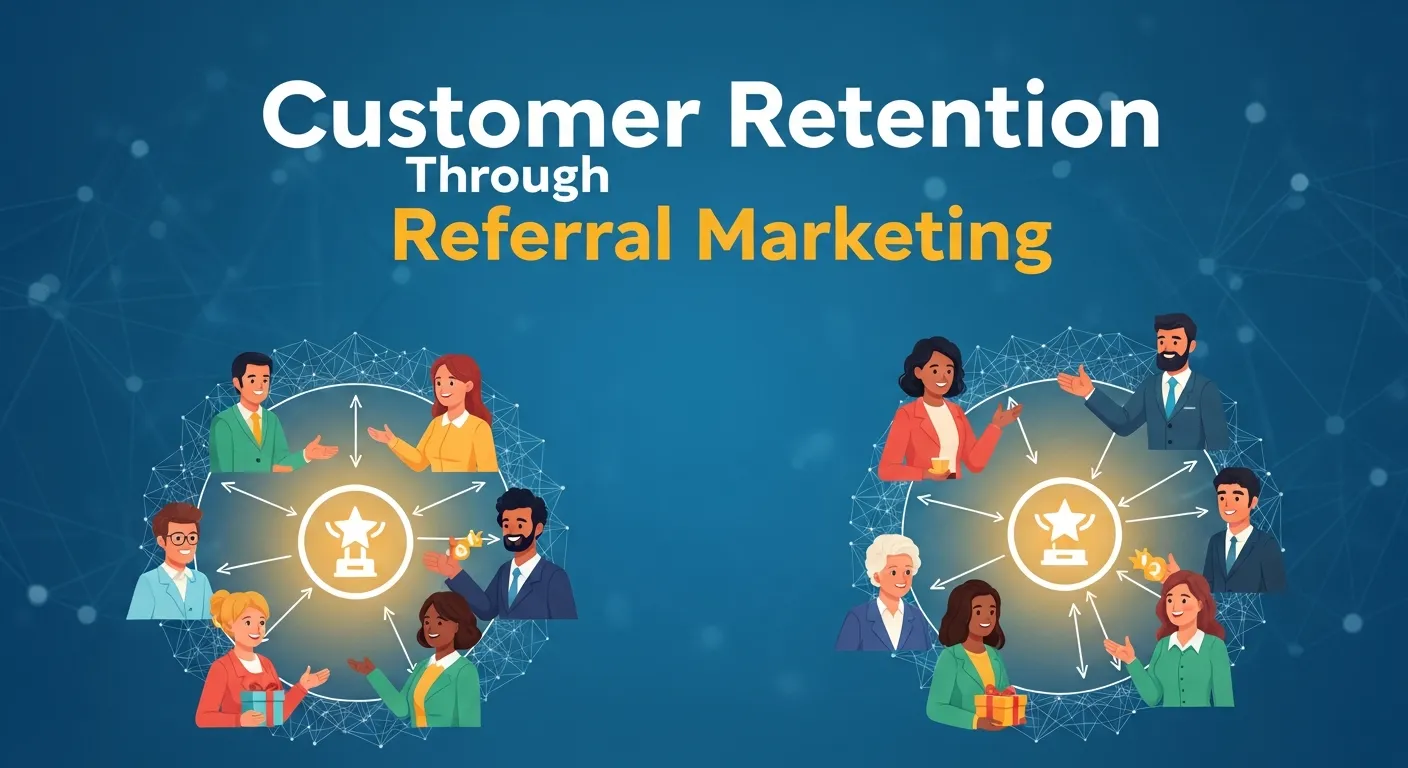
Customer Retention improves significantly through referral marketing, as loyal customers become advocates who attract new users and strengthen trust. This creates a sustainable growth loop that boosts loyalty, engagement, and lifetime customer value.
Customer Retention is one of the most critical drivers of long-term business growth, and referral marketing plays a powerful role in strengthening it. When customers actively recommend your brand, they become emotionally invested in your success, increasing loyalty and engagement. Referral marketing not only brings in high-quality customers but also deepens relationships with existing ones, creating a cycle of trust, advocacy, and repeat purchases. By integrating referral strategies into your retention framework, businesses can reduce churn, increase lifetime value, and build a loyal community that continuously fuels sustainable growth.
What Is Customer Retention?
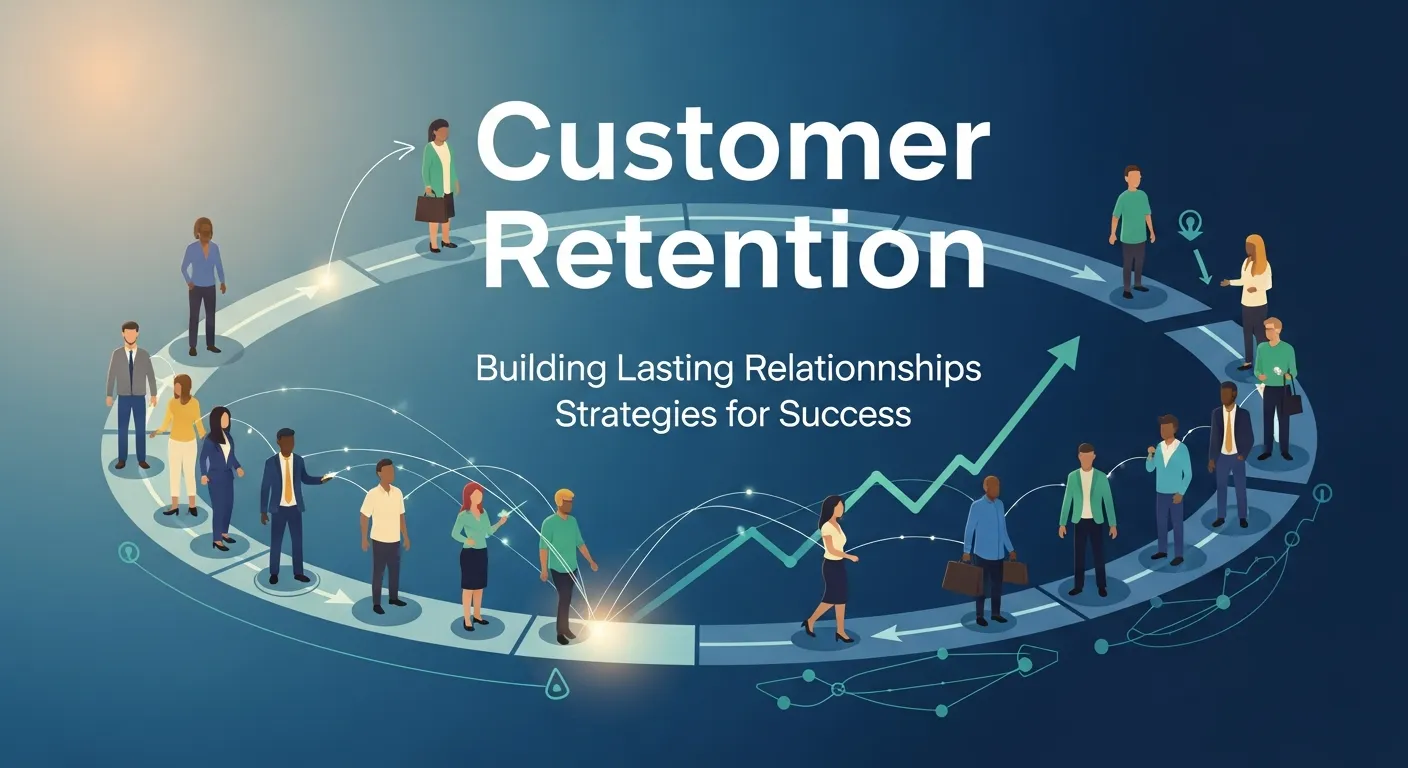
Customer Retention is the ability of a business to keep its existing customers loyal, engaged, and consistently coming back to make repeat purchases over time. Rather than focusing solely on attracting new customers, Customer Retention emphasizes nurturing long-term relationships by delivering continuous value, exceptional experiences, and personalized engagement.
A strong Customer Retention strategy ensures that customers feel satisfied, understood, and connected to your brand. This ongoing relationship-building helps transform one-time buyers into loyal customers who choose your brand repeatedly over competitors.
Why Customer Retention Matters
Customer Retention is critical for sustainable business growth because retaining existing customers is often more cost-effective and profitable than acquiring new ones. Loyal customers already trust your brand, which makes them easier to upsell, cross-sell, and engage.
Key benefits of Customer Retention include:
- Higher lifetime value (CLV): Retained customers tend to spend more over time as they become familiar with your products or services.
- Lower marketing costs: It costs significantly less to retain an existing customer than to acquire a new one.
- Increased brand loyalty: Customers who consistently receive value are more likely to stay loyal to your brand.
- Better word-of-mouth and referrals: Loyal customers often become brand advocates, recommending your business to friends, family, and colleagues.
- Predictable revenue streams: A strong base of returning customers creates more stable and forecastable revenue.
Customer Retention and Sustainable Growth
Customer Retention is a foundational pillar of sustainable business growth. When combined with referral marketing, retention creates a powerful growth loop: satisfied customers stay longer, spend more, and bring in new customers through recommendations. This cycle reduces dependency on expensive acquisition campaigns and builds a community of engaged brand supporters.
In today’s competitive market, businesses that prioritize Customer Retention not only increase profitability but also build stronger brand equity, trust, and long-term success.
The Psychology Behind Successful Referral Marketing
Understanding why people make referrals is crucial to designing programs that genuinely drive results. Referral marketing is not just a tactic—it’s rooted in powerful psychological triggers that influence human behavior, trust, and loyalty. When executed correctly, these psychological drivers don’t just generate new customers; they significantly strengthen Customer Retention.
At its core, referral marketing taps into fundamental human motivations such as the desire to help others, share positive experiences, and gain social recognition. People naturally enjoy recommending products and services that have delivered value to them, especially when it enhances their social identity.
Trust, Reputation, and Emotional Investment
When customers refer your business, they are placing their personal reputation on the line. A recommendation is a form of social currency—if the referred person has a great experience, the referrer’s credibility increases; if not, it can harm their reputation.
Because of this, referrals tend to be genuine and selective. Customers only recommend brands they truly trust. This creates a powerful psychological bond between the referrer and your brand, reinforcing Customer Retention. Once someone has publicly endorsed your business, they become emotionally invested in your success. Your brand’s performance reflects on their judgment, making them more likely to remain loyal and engaged.
Key psychological effects:
- Referrers feel a sense of ownership over the brand’s success
- They are more likely to stay loyal after recommending you
- Emotional attachment increases repeat purchases and engagement
Reciprocity and Reward-Based Motivation
The principle of reciprocity plays a significant role in referral marketing. When you reward customers for successful referrals—through discounts, credits, cash rewards, or exclusive perks—you acknowledge their advocacy and effort.
This recognition strengthens Customer Retention by creating a mutually beneficial relationship. Customers feel valued and appreciated, which increases their emotional loyalty and encourages repeated referrals.
Benefits of reciprocity-driven referrals:
- Strengthens customer-brand relationships
- Encourages repeat referrals and repeat purchases
- Builds long-term loyalty through positive reinforcement
Social Proof and Trust Acceleration
Social proof amplifies the impact of referral marketing. People are more likely to trust recommendations from friends, family, or colleagues than any advertisement. A referred customer begins their journey with your brand from a position of trust and positive expectation, which dramatically increases conversion rates and satisfaction.
This trust advantage also boosts Customer Retention because referred customers tend to:
- Have higher initial trust in your brand
- Be more engaged and satisfied
- Stay longer and spend more over time
When these new customers have a positive experience, they are more likely to refer others—creating a self-reinforcing referral loop that continuously drives growth and retention.
The Referral–Retention Growth Loop
Referral marketing and Customer Retention are deeply interconnected. Referrers become more loyal, referred customers start with higher trust, and both groups are more likely to continue the cycle.
This creates a powerful growth engine where:
- Loyal customers generate new customers
- New customers become loyal customers
- Loyal customers create more referrals
Building Customer Retention Through Strategic Referral Programs
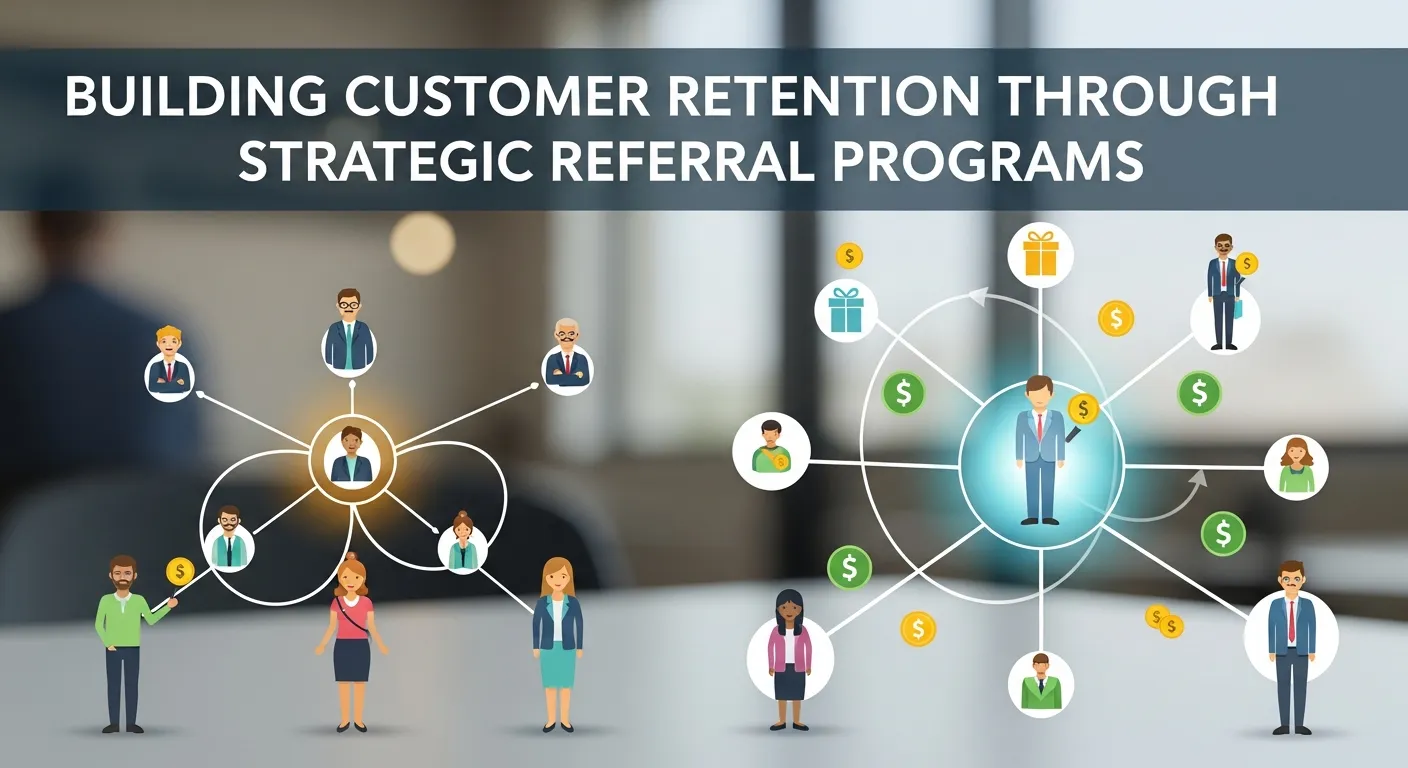
Traditional customer retention strategies focus on keeping existing customers happy through excellent service, loyalty programs, and regular engagement. Referral marketing adds another dimension by giving customers an active role in your business growth.
When customers participate in referral programs, they become stakeholders in your success. This psychological shift transforms them from passive consumers into active partners. They pay closer attention to your business developments, feel more connected to your brand story, and develop a sense of ownership that significantly increases retention rates.
Effective referral programs also create multiple touchpoints for customer engagement. Each time a customer makes a referral, receives a reward, or sees their referred friend become a customer, they interact with your brand in a positive context. These frequent, positive interactions reinforce their connection to your company and reduce the likelihood of churn.
The key is designing programs that feel valuable and accessible to your customers. Complex referral processes or inadequate rewards can actually harm retention by creating frustration or disappointment. Successful programs make it easy for customers to refer others and ensure that rewards feel meaningful relative to the effort required.
Designing Referral Programs That Drive Long-Term Loyalty

Creating a referral program requires careful consideration of your customer base, business model, and retention goals. The most effective referral marketing strategies align referral incentives with your customers’ natural behavior and preferences.
Choose the Right Reward Structure
The type and size of rewards significantly impact both referral rates and customer retention. Cash rewards work well for price-sensitive customers, while exclusive perks, early access to products, or premium services appeal to customers who value status and recognition.
Consider offering tiered rewards that increase with the number of successful referrals. This structure encourages ongoing participation and creates a sense of achievement that strengthens customer loyalty. Some companies offer lifetime benefits to customers who reach certain referral milestones, creating permanent VIP status that virtually guarantees long-term retention.
Double-sided rewards—where both the referrer and the new customer receive benefits—often produce the best results. This approach maximizes participation rates while ensuring that new customers start their relationship with your brand on a positive note.
Make Participation Effortless
Friction kills referral programs. The easier it is for customers to make referrals, the more they’ll participate. Provide multiple sharing options, including email, social media, and direct messaging. Create simple, customizable referral messages that customers can send with minimal effort.
Mobile optimization is essential since many referrals happen spontaneously through smartphone conversations. Your referral process should work seamlessly across all devices and platforms where your customers might want to share.
Track and Celebrate Success
Visibility into referral activity keeps customers engaged with your program. Provide dashboards where customers can see their referral history, track pending rewards, and monitor their progress toward higher tiers or special recognition.
Public recognition can be particularly powerful for certain customer segments. Consider featuring top referrers in newsletters, on social media, or at company events. This recognition satisfies customers’ desire for status while demonstrating the value you place on their advocacy.
Integrating Referral Marketing with Broader Loyalty Programs
Referral marketing works best when integrated with comprehensive customer loyalty strategies. Rather than treating referrals as a standalone initiative, weave them into your broader retention ecosystem.
Points-based loyalty programs can incorporate referral bonuses, allowing customers to earn rewards through both purchases and advocacy. This integration gives customers multiple ways to engage with your brand and accumulates value across all their activities.
Consider creating VIP tiers within your loyalty programs that customers can reach through various combinations of purchases, referrals, and other engagement activities. This flexibility accommodates different customer preferences while encouraging diverse forms of participation.
Exclusive events or communities for active referrers create additional retention benefits. When customers feel part of a special group with unique access and recognition, they’re much less likely to switch to competitors.
Measuring Success Beyond Basic Metrics
Traditional referral program metrics focus on referral rates, conversion rates, and customer acquisition costs. While these numbers are important, they don’t capture the full retention benefits of well-designed programs.
Track the lifetime value of referring customers compared to non-referring customers. This analysis typically reveals that active referrers remain customers longer and spend more over time, even beyond the immediate value of their referrals.
Monitor engagement levels among program participants. Customers who actively participate in referral programs often show increased engagement across other brand touchpoints, from email open rates to social media interactions.
Survey program participants to understand the emotional impact of their participation. Many customers report feeling more connected to brands whose referral programs make them feel like valued partners rather than just customers.
Common Pitfalls and How to Avoid Them

Many referral programs fail to deliver expected retention benefits due to common design and implementation mistakes. Learning from these pitfalls can help you create more effective programs.
Inadequate reward values discourage participation and can actually harm customer relationships. Research what your customers value and ensure that rewards feel meaningful relative to the effort required for referrals.
Complex terms and conditions create confusion and frustration. Keep program rules simple and communicate them clearly. When customers don’t understand how to participate or when they’ll receive rewards, they become disengaged.
Delayed or inconsistent reward delivery undermines trust and reduces future participation. Invest in systems that can track referrals accurately and deliver rewards promptly. Communication about reward status should be proactive and transparent.
Neglecting to promote your program means even well-designed initiatives may go unnoticed. Integrate referral program messaging into your regular customer communications, website, and customer service interactions.
Advanced Strategies for Maximizing Retention Impact
Once you have a basic referral program running successfully, consider advanced strategies that can further enhance customer retention.
Seasonal or campaign-based referral bonuses create urgency and excitement around your program. Limited-time increased rewards or special recognition can re-engage dormant participants and attract new ones.
Personalized referral experiences based on customer behavior and preferences increase relevance and participation rates. Use customer data to customize reward offers, messaging, and sharing options.
Partner with other businesses to offer cross-promotional referral opportunities. This strategy can provide unique rewards that customers can’t get elsewhere while introducing your brand to new audiences.
Creating Sustainable Growth Through Customer Advocacy

The ultimate goal of referral marketing isn’t just customer retention—it’s creating sustainable development goals or business growth through customer advocacy. When done well, referral programs create self-reinforcing cycles where satisfied customers continuously bring in new customers who become advocates themselves.
This approach to growth is more sustainable than traditional advertising because it builds on genuine customer satisfaction and word-of-mouth recommendations. It’s also more cost-effective, since the primary investment is in rewards rather than media spend.
Most importantly, businesses built on strong referral programs develop deeper relationships with their customers. When customers actively participate in growing your business, they become true partners in your success. This partnership mindset creates loyalty that extends far beyond transactional relationships and provides a significant competitive advantage.
Remember that referral marketing is a long-term strategy. The most successful programs evolve based on customer feedback and changing market conditions. Regular evaluation and optimization ensure that your program continues to drive both customer acquisition and retention as your business grows.
Building Your Referral Marketing Foundation
Successful customer retention through referral marketing starts with understanding your customers’ motivations and designing programs that align with their natural behaviors. Focus on creating experiences that feel valuable and effortless while integrating referral opportunities into your broader customer relationship strategy.
Start by analyzing your current customer base to identify your most satisfied customers and understand what motivates them to recommend your business. Use these insights to design reward structures and communication strategies that resonate with your audience.
Test different program elements systematically, from reward types to messaging to sharing mechanisms. Small improvements in program design can significantly impact both participation rates and retention outcomes.
Most importantly, view referral marketing as an investment in customer relationships rather than just an acquisition channel. When customers feel valued as partners in your growth, they become more than just repeat buyers—they become genuine advocates who drive sustainable business success.
Conclusion
Customer Retention through referral marketing is a powerful strategy for building sustainable, long-term business growth. By turning satisfied customers into brand advocates, businesses strengthen loyalty, increase lifetime value, and reduce acquisition costs. Referral programs deepen emotional connections, leverage trust, and create a self-sustaining cycle where loyal customers attract new customers who become loyal themselves. When integrated with broader loyalty and engagement strategies, referral marketing transforms transactional relationships into lasting partnerships. Prioritizing Customer Retention through referrals not only drives consistent revenue but also builds a strong, trusted brand community that supports long-term success.
FAQ: Customer Retention Through Referral Marketing
1. How does referral marketing improve customer retention?
Referral marketing strengthens customer retention by making customers feel valued, engaged, and connected to your brand. When customers participate in referral programs, they become emotionally invested in your success, increasing loyalty and reducing churn.
2. Why do referred customers stay longer than non-referred customers?
Referred customers begin their relationship with built-in trust because they join through a friend or colleague’s recommendation. This trust leads to higher satisfaction, stronger brand connection, and longer retention compared to customers acquired through traditional advertising.
3. What types of rewards work best for retention-driven referral programs?
Double-sided rewards (benefits for both the referrer and referee) are most effective. Popular options include discounts, exclusive perks, early access, loyalty points, cash rewards, or premium features. Tiered rewards also encourage long-term participation and loyalty.
4. Do referral programs work for all types of businesses?
Yes—referral programs work across industries, including SaaS, e-commerce, service-based businesses, and subscription models. The key is tailoring rewards, communication, and program design to your specific customer behavior and motivations.
5. How can businesses make referral programs easy for customers to use?
Keep the process simple and frictionless:
- Provide shareable referral links or codes
- Offer multiple sharing options (email, SMS, social media)
- Ensure mobile-friendly design
- Use clear instructions and automated reward tracking
Ease of use directly impacts participation and retention.
6. How can referral marketing be integrated with loyalty programs?
Referral programs can be woven into existing loyalty structures by offering points, tier progression, or VIP rewards for each successful referral. This creates more engagement opportunities and strengthens long-term customer relationships.
7. What metrics should I track to understand retention impact?
Key metrics include:
- Customer lifetime value (CLV) of referrers vs non-referrers
- Repeat purchase rate
- Engagement rates of active referrers
- Reward redemption and referral participation
Qualitative feedback from customers is also crucial to refine the program.
8. What are common mistakes businesses make with referral programs?
Common pitfalls include:
- Offering weak or irrelevant rewards
- Overly complex program rules
- Slow or inconsistent reward delivery
- Lack of promotion or customer awareness
Avoiding these issues helps maximize both referrals and retention.
9. How can businesses keep customers engaged long-term in referral programs?
Use strategies such as:
- Tiered or milestone-based rewards
- Seasonal referral campaigns
- Personalized referral messages and incentives
- Public recognition of top referrers
Long-term engagement strengthens retention and keeps advocacy consistent.
10. Can referral marketing replace other retention strategies?
Referral marketing enhances—but does not replace—traditional retention methods like great customer service, loyalty programs, onboarding, and personalized communication. When combined with these strategies, referral marketing creates a powerful retention engine.
Learn more: Why Referral Marketing is Crucial for Your Business’s Growth