Referral marketing leverages customer recommendations to attract new business. By incentivizing existing or pre-customers, businesses can drive growth, enhance loyalty, and overcome challenges like trust-building, while ensuring legal compliance.
Referral marketing is a strategy that encourages customers to recommend a company’s products or services to others, typically in exchange for incentives. It leverages the power of word-of-mouth, capitalizing on trusted relationships to build a customer base. In the digital marketing landscape, referral marketing has gained significant traction due to the rise of social media and online platforms, making it easier for customers to share recommendations with a broader audience.
The importance of referral marketing lies in its ability to tap into existing relationships, creating a more organic form of marketing. It fosters trust and loyalty, as people are more likely to purchase based on a friend’s or family’s recommendation. However, a key question arises: Can referral marketing work effectively without customers? This is a crucial point to explore, as referral marketing traditionally relies on the willingness of current customers to spread the word.
Understanding Referral Marketing
What Is Referral Marketing?
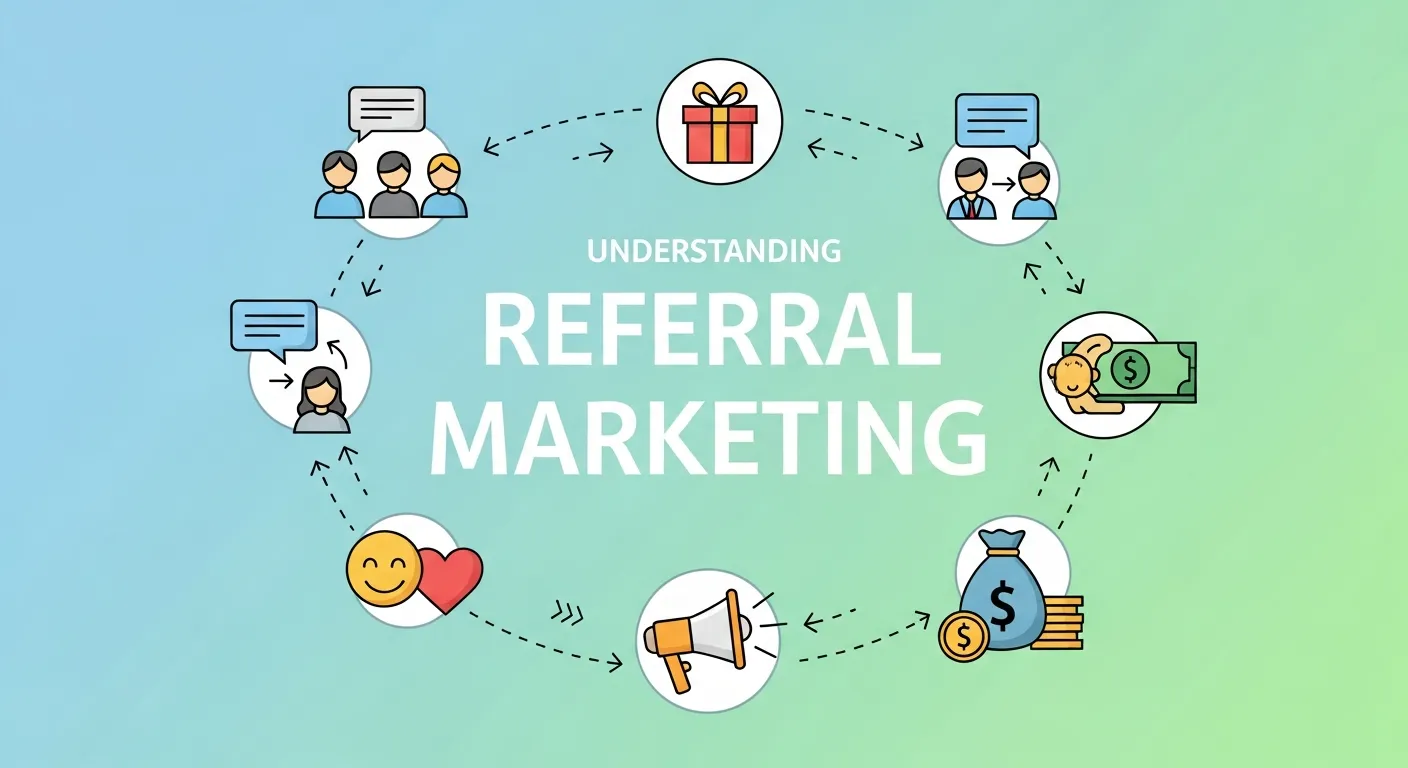
Referral marketing is a strategy where businesses encourage their existing customers to recommend their products or services to others. It typically involves offering rewards or incentives to customers who successfully refer others, turning them into advocates for the brand. This word-of-mouth approach relies on the idea that people are more likely to trust recommendations from family, friends, or peers than traditional advertisements. By incentivizing this natural process, companies can boost their customer base through organic, trusted connections.
Historically, referral marketing has roots in traditional “word-of-mouth” marketing, but it has evolved dramatically with technological advancements. In the past, referrals might have happened in person or via phone calls. However, with the rise of digital marketing, social media, and online platforms, referrals have become easier to track and reward. Social sharing tools and referral programs integrated into apps and websites have allowed businesses to expand their reach exponentially, making referral marketing one of the most effective and scalable ways to grow a customer base.
Why Is Referral Marketing Important for Businesses?
Referral marketing plays a critical role in helping businesses acquire new customers. Word-of-mouth is inherently powerful because it comes from trusted sources, making it an invaluable tool for businesses seeking to build credibility and trust. When an existing customer recommends a brand, it acts as an endorsement, which often carries more weight than any advertisement.
The benefits of referral marketing for businesses are numerous:
- Cost-effectiveness: Referral marketing is one of the most cost-efficient forms of marketing. Instead of investing heavily in traditional advertising campaigns, businesses can rely on their existing customer base to spread the word. The cost of rewards for referrals is typically lower than the costs associated with other marketing strategies.
- Trust-building: Referrals inherently build trust. People tend to trust recommendations from friends or family over any advertisement. By encouraging and rewarding referrals, companies are essentially leveraging that trust to boost their reputation and attract quality leads.
- Increased loyalty: Referral programs often come with incentives, which make customers feel appreciated and valued. This can foster greater loyalty and encourage repeat business. When customers feel like they are part of a brand’s success, they are more likely to remain engaged and continue referring others.
Thus, referral marketing not only helps in acquiring new customers but also strengthens the relationship with existing ones, turning them into long-term brand advocates.
Common Types of Referral Programs
Referral programs can vary depending on the business model, target audience, and the type of incentive offered. Here are some common types of referral programs:
- Cash-based programs: In cash-based referral programs, customers are rewarded with cash when they successfully refer a new customer. These programs can be highly effective because they offer a tangible reward that customers can easily appreciate. Cash-based rewards often drive immediate action, as they provide an instant benefit.
- Discount-based programs: Discount-based programs are one of the most popular types of referral programs. Customers who refer others are offered discounts on their next purchase. For example, a customer might receive a 10% discount for every successful referral. These programs create a win-win situation: the referrer gets a discount, and the business gains a new customer at a lower acquisition cost.
- Product-based programs: In product-based referral programs, businesses offer their products or services as a reward for successful referrals. These types of programs are particularly beneficial for companies that sell physical products, as it allows them to turn referrals into product sales. A free product or service may also serve as a great way to encourage customers to refer others, particularly for businesses that offer high-quality or unique items.
- Ambassador programs: An ambassador program is a more extensive and formal type of referral program. In this model, businesses recruit passionate customers or influencers to represent the brand and promote it actively in exchange for rewards. Ambassadors are typically given more responsibility than regular referrers, and they often receive additional benefits like exclusive access to products, events, or larger financial incentives. Ambassador programs can help businesses create long-term brand advocates who actively work to grow the customer base.
Each type of referral program has its own strengths and can be tailored to meet a business’s specific needs and goals. By choosing the right referral program, businesses can leverage their loyal customer base to drive growth effectively.
The Role of Customers in Referral Marketing
How Referrals Rely on Existing Customers
Referral marketing fundamentally relies on the power of existing customers. Word of mouth has always been one of the most effective forms of marketing, and in the digital age, it has only gained more influence. When customers recommend a product or service, it is viewed as a trusted endorsement. This trust-based marketing is crucial because potential customers are more likely to believe in the experiences of those they know or who share similar values.
Social proof, the concept of people relying on others’ actions to guide their own behavior, plays a significant role in referral marketing. A customer testimonial, positive review, or a friend’s recommendation can act as a strong form of validation. When people see others they trust supporting a brand, it gives them confidence that the product or service is reliable and worthy of their attention. This is especially important in today’s market, where consumers are increasingly skeptical of traditional advertisements. In a referral system, customers are the authentic voices that bring credibility and reassurance to a brand’s claims.
The Power of Customer Networks
The power of referral marketing lies in how customers spread word-of-mouth, often far beyond the business’s immediate reach. When a customer shares their positive experience, they tap into their personal network of family, friends, colleagues, and followers. These networks can exponentially grow a business’s reach. Since people trust their social circles, the influence of a personal recommendation can be more powerful than any advertisement.
Social media has further amplified the power of customer networks. With a single post, customers can reach hundreds or even thousands of potential customers, making social platforms a fertile ground for viral marketing. A compelling post about a product or service can quickly go viral, spreading across various channels, sometimes even attracting media attention. Referrals shared on social media platforms, with their shareable nature, allow brands to expand their audience quickly, increasing the potential for conversions.
In today’s interconnected world, a simple referral can become a viral marketing campaign, turning one customer’s positive experience into a far-reaching movement. By capitalizing on these networks, businesses can harness the collective influence of their customers to achieve significant growth.
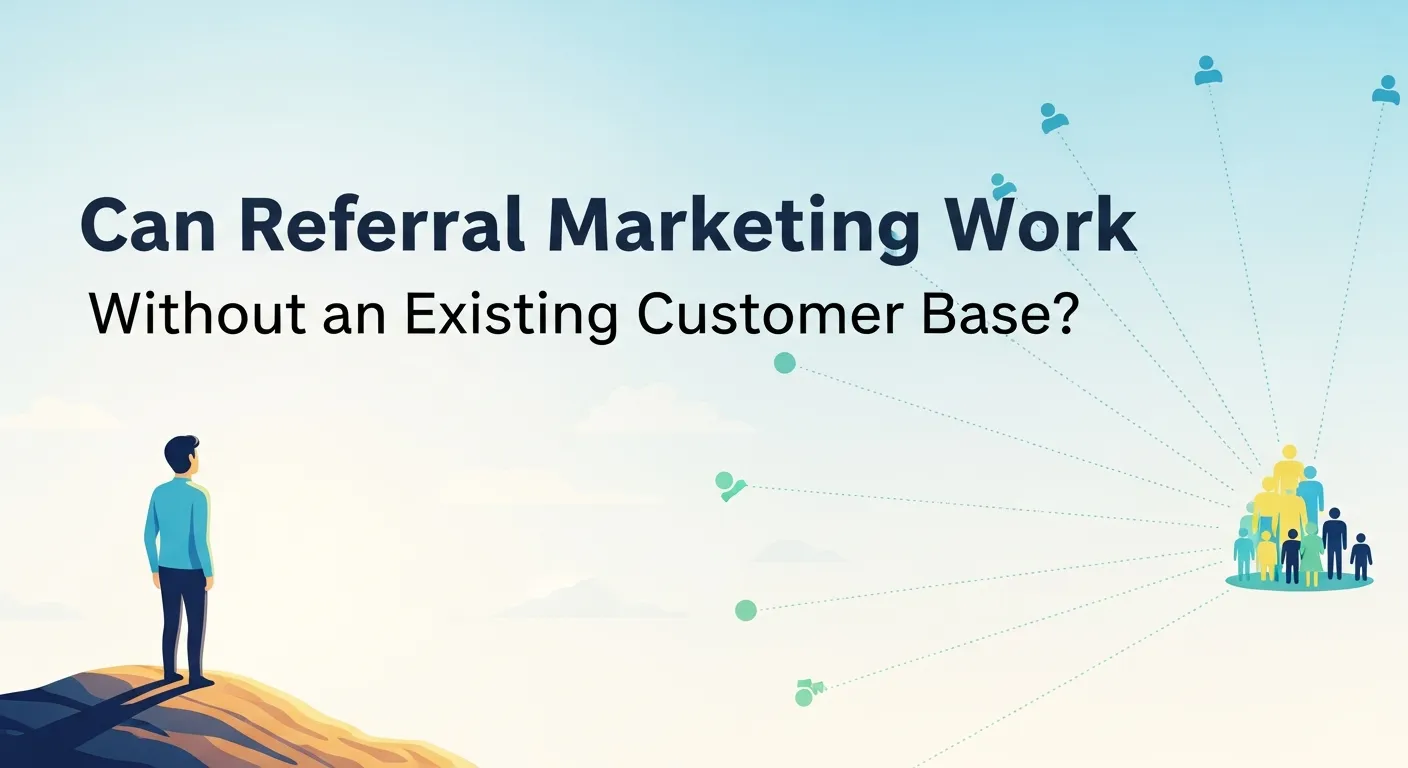
Can Referral Marketing Work Without Existing Customers?
Exploring the Concept of ‘Pre-Customer’ Referrals
The concept of “pre-customers” refers to individuals who have not yet purchased from a business but are engaged with the brand in some way, such as through social media, email sign-ups, or early interest in a product or service. These individuals represent a valuable group for businesses seeking to build a customer base from scratch.
To leverage pre-customers for referrals, businesses can create referral-like programs even before acquiring paying customers. One effective strategy is partnering with influencers who have a significant online presence. Influencers can promote the brand to their followers, encouraging potential customers to engage and share their experiences. This kind of partnership can help generate buzz and set the stage for future referrals once the customer base is established.
Another strategy involves offering early sign-up incentives. For example, businesses can provide rewards or exclusive access to products for those who refer others before the product or service is fully launched. This creates a sense of excitement and anticipation around the brand, even before it has a customer base.
The Role of Influencers and Ambassadors in Referral Marketing
Influencers and brand ambassadors play a key role in referral marketing, particularly when a business lacks an established customer base. They act as a bridge between the brand and potential customers, amplifying the reach of a business by introducing it to new audiences. By leveraging their followers and credibility, influencers can generate trust and excitement about a brand, much like an existing customer might do through traditional word-of-mouth marketing.
Influencers often receive incentives for promoting a brand, making them highly motivated to encourage their followers to take action. Their recommendations are often seen as more authentic than traditional advertisements, as followers view them as trusted figures. This enables influencers to act as effective proxies for referrals, allowing businesses to generate interest and sales without an existing customer base.
Case studies show that many companies have successfully used influencers and brand ambassadors to generate buzz and create referral-like systems. For example, fashion and beauty brands frequently collaborate with influencers to build a pre-launch customer base. By offering influencers early access to products or affiliate commissions, these brands effectively use influencer networks to promote their products and generate referrals before they even have paying customers. Similarly, tech startups often rely on influencers and beta testers to spread awareness about new products, generating buzz and setting the stage for referral programs as their customer base grows.
Using Paid Media to Amplify Referral Marketing
Paid media, particularly paid advertisements, can simulate the effects of word-of-mouth marketing by creating the illusion of customer referrals. Businesses can design ad campaigns that feature customer testimonials, reviews, and even influencer endorsements. These elements replicate the organic trust that comes with traditional referrals, allowing potential customers to feel as though they are receiving a personal recommendation.
Paid media ads can be strategically crafted to highlight how other customers have benefited from a product or service. For example, a business can showcase customer success stories in video ads or run social proof campaigns displaying positive reviews. This approach helps create an image of a trusted brand, even if there are no actual customer referrals at the time.
Moreover, using paid ads in conjunction with review platforms or affiliate programs can increase the credibility of a brand. Creating advertisements that mimic word-of-mouth referrals helps businesses maintain a sense of trustworthiness and authenticity, even when they are still in the early stages of customer acquisition.
Strategies for Using Paid Media to Simulate Referrals:
- Customer testimonials in ads: Use video or written testimonials to showcase how other customers have benefited from your product or service.
- Influencer partnerships: Feature influencers in ads or sponsored posts to generate trust through their endorsement.
- Reviews and ratings: Highlight high ratings or customer feedback in paid campaigns to create a sense of credibility.
- Referral bonuses: Use paid media to advertise referral bonuses for pre-customers, incentivizing them to refer others before making a purchase.
By using these paid strategies, businesses can mimic the effect of customer referrals, even without an existing customer base. This enables brands to build momentum and attract a solid foundation of loyal customers.
Alternative Strategies to Referral Marketing When You Lack Customers
Building Anticipation and Buzz Before Launch
One of the most effective ways to prepare for a successful referral marketing strategy, even without existing customers, is by building anticipation before your product or service officially launches. Pre-launch campaigns create excitement and curiosity around your offering, laying the foundation for future referrals. These campaigns can involve social media teasers, early access sign-ups, and product countdowns that generate hype.
An important component of building anticipation is creating an email list or waiting list. By offering early access or exclusive content to those who sign up, you can begin cultivating a group of interested individuals who will be more inclined to refer others once your business is live. This group can act as a pre-customer base, ready to spread the word when the time comes.
Creating a Referral System for Pre-Sale Users
Even before launching, you can implement referral programs targeting pre-launch users or those on your waiting list. Offering incentives for early sign-ups or referring others helps encourage these individuals to act as your first “referrers” in a more structured way. For example, offering early access to the product, exclusive discounts, or special content for users who refer others can be highly motivating.
Incorporating gamification into your referral system also incentivizes early engagement. Rewarding users with points, badges, or status levels for signing up or referring others creates a competitive yet fun environment. By gamifying the experience, you engage potential customers while increasing the likelihood that they will refer others in exchange for rewards, thus building momentum before your official launch.
Case Studies of Referral Marketing Without Customers
Startups and Referral Marketing Without a Customer Base
Startups, especially in the tech and SaaS sectors, have demonstrated that it is possible to run effective referral programs even before acquiring paying customers. A great example is Dropbox, which used a referral program to grow its customer base rapidly from zero. They offered extra storage space to users who invited others to join the platform. This strategy created a viral loop, leveraging the power of referrals to build a large user base without any initial customers.
Another example is Airbnb, which ran a referral program for hosts even before their platform had a large number of customers. They offered incentives to early hosts to refer other hosts, thus creating an ecosystem of users before the company had a significant number of guests.
Big Brands Leveraging Referral Marketing With Limited Customer Bases
Apple is another example of a company using referral-like tactics without a large customer base at first. For instance, the brand used referral marketing strategies for early adoption of its iPhone and MacBook series. They encouraged pre-launch sign-ups and incentivized existing users to refer others. Even without a massive customer base initially, Apple capitalized on the excitement of product launches and word-of-mouth referrals.
Dropbox, as mentioned before, built a successful referral marketing program before having a robust customer base, allowing the company to expand rapidly and become a household name. By offering rewards such as additional storage space, Dropbox was able to incentivize early adopters to bring in others, generating viral growth in its user base.
Best Practices for Running a Referral Marketing Program Without Customers
How to Create a Pre-Referral Program That Works
To create a successful referral program when you don’t have customers yet, follow these steps:
- Identify your target audience: Even before the product launch, know who your ideal customers are and understand their needs and interests. This will help you tailor your referral programs effectively.
- Offer exclusive rewards: Provide incentives that matter to your target audience, whether it’s discounts, free trials, or exclusive access to your product or service.
- Create an easy referral process: Make it as simple as possible for your users to refer others. Use referral links, shareable content, or pre-launch sign-up pages to encourage referrals.
- Leverage influencers: Engage influencers and brand ambassadors to create a buzz and spread your message to a wider audience. They can act as the first customers and refer others.
- Promote the program: Use your social media, email marketing, and advertising platforms to get the word out about your referral program. Ensure that your audience understands the benefits of signing up early and referring others.
Incentivizing Non-Customers to Refer
To motivate non-customers, influencers and ambassadors are essential. By providing exclusive rewards and affiliate commissions, influencers are more likely to refer others to your brand. Offering them access to the product in exchange for creating engaging content or promoting it to their audience can build a strong pre-launch referral program.
For example, you can partner with micro-influencers who have a strong connection with their audience. Offering them free products, early access, or a commission-based reward for each referral can create an organic marketing loop, bringing in new customers before your product or service is officially launched.
Challenges and Pitfalls of Referral Marketing Without Customers
The Difficulty of Building Trust Without Existing Customers
One of the biggest challenges of referral marketing without customers is building trust. Potential customers are often wary of new businesses, especially if there are no existing customers or testimonials to vouch for the brand. Overcoming this barrier requires offering transparency, showcasing your brand’s value, and providing assurances such as money-back guarantees or pre-order discounts. It’s also helpful to emphasize any positive press or endorsements from influencers who have credibility in the market.
Legal and Ethical Considerations in Referral Marketing
When running referral programs without a customer base, businesses must ensure they comply with legal regulations. This includes clear disclosures about incentives, the use of referral links, and the proper handling of personal data. Referral programs must also respect privacy concerns and ensure that data collection complies with GDPR and other privacy regulations. Businesses should be transparent about how they collect and use customer data, particularly when incentivizing referrals.