Referral marketing automation streamlines referrals with tools, workflows, and analytics to boost conversions, reduce CAC, and scale growth. By using data, gamification, and optimization, businesses turn customers into advocates and maximize ROI efficiently and sustainably.
Referral marketing automation is transforming how businesses acquire customers in a scalable, cost-effective way. By automating referral tracking, rewards, communication, and analytics, companies can turn satisfied customers into powerful brand advocates without manual effort. Unlike traditional referral programs, automated systems ensure accurate attribution, personalized messaging, and real-time performance insights. In this article, you’ll learn how referral marketing automation works, why it matters, the tools and workflows you need, and how to measure ROI. Whether you run a SaaS platform, an eCommerce store, or a local business, automation can help you accelerate growth and build long-term customer loyalty.
Why Automate Your Referral Marketing?
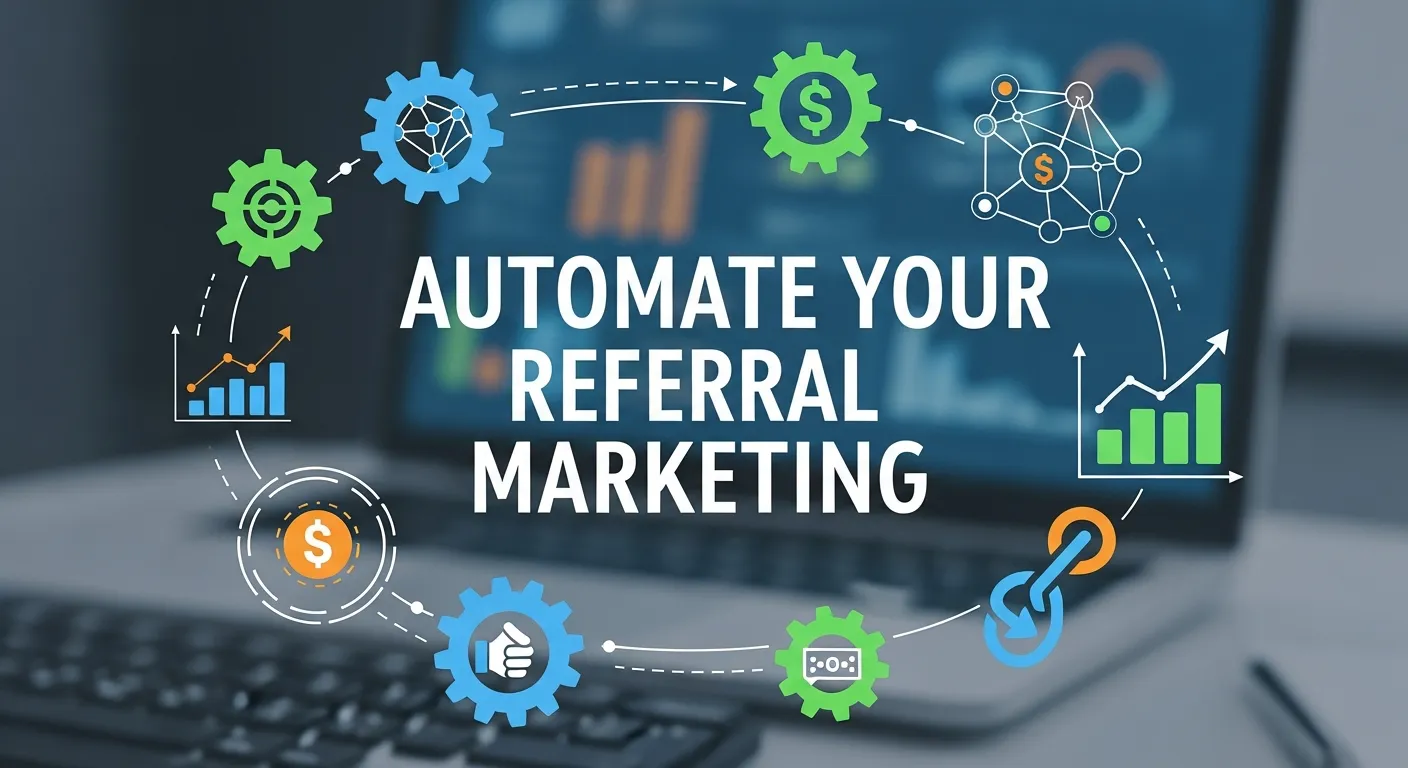
Manual referral programs often suffer from delays in tracking, inconsistent communication, and limited scalability. Automation addresses these challenges by:
- Streamlining the referral process with triggered emails and notifications
- Ensuring accurate tracking of referrals, clicks, and conversions
- Scaling your program without added manpower
- Maintaining personalized communication at scale
Choosing the Right Automation Tools
When selecting software for your referral program, consider the following criteria:
- Integration capabilities: Ensure the tool integrates seamlessly with your CRM, email service provider, and analytics platforms.
- Customizable workflows: Look for drag-and-drop editors that let you design triggers, conditions, and actions without coding.
- Real-time tracking and reporting: Choose solutions that provide comprehensive dashboards and exportable data.
- Scalability: Pick a platform that can handle increasing referral volume as your business grows.
Designing Effective Referral Workflows
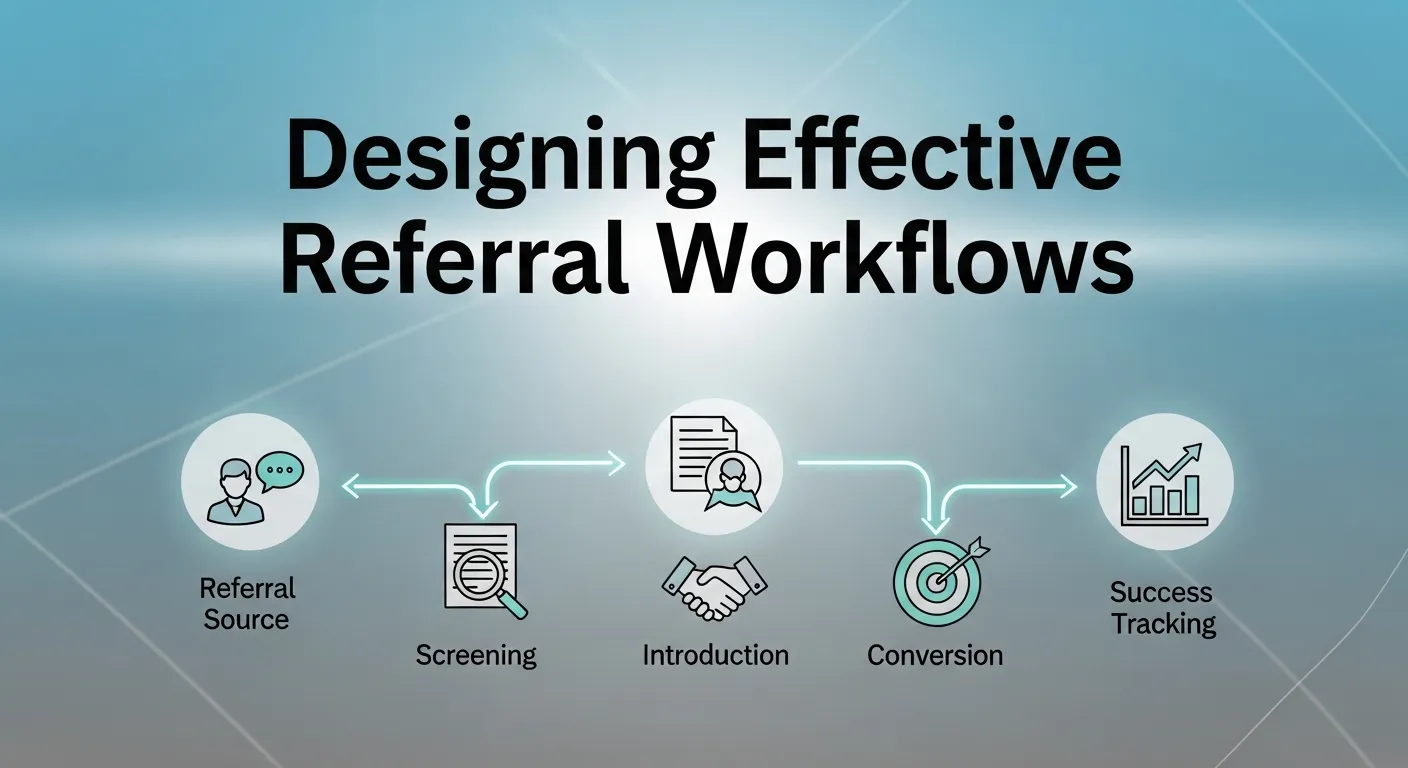
A well-designed workflow automates every stage of the referral journey, from invitation to reward fulfillment. Key steps include:
- Invite Stage: Automatically send referral invitations via email or SMS when a customer reaches a milestone, such as a purchase or subscription anniversary.
- Follow-Up: Trigger reminder messages for prospects who clicked but did not convert, using personalized incentives.
- Conversion Tracking: Use UTM parameters and cookies to track referrals seamlessly across channels and devices.
- Reward Distribution: Automatically issue vouchers, discount codes, or loyalty points once a referral converts, ensuring a timely and positive brand experience.
Measuring and Optimizing ROI
To ensure your referral program delivers results, track these key performance indicators (KPIs):
- Referral Conversion Rate
- Customer Acquisition Cost (CAC)
- Average Order Value from Referrals
- Referral Program ROI (Revenue generated vs. cost of rewards and software)
Regularly analyze your data to identify bottlenecks and test optimizations, such as different reward tiers or messaging formats.
The Role of Data in Referral Marketing Automation
Data is the lifeblood of any successful marketing program, and referral marketing is no exception. With automation in place, you have the ability to capture and analyze data at every step of the referral process. This wealth of information provides actionable insights that can drive improvements and refine your strategy. Here’s a closer look at the types of data you should focus on and how it can be used:
Key Data Points to Track
- Referral Source:
This metric tells you where your referrals are coming from. Are they primarily driven by email, social media, your website, or word-of-mouth? By tracking this, you can identify which channels are performing best and allocate your resources accordingly. For instance, if social media is generating the most referrals, it might be worth investing in social media ad campaigns or creating shareable content. - Referral Frequency and Engagement:
Understanding how often your customers refer others is crucial for spotting trends. Do some customers refer regularly, while others only once? By tracking referral frequency and engagement, you can tailor follow-up strategies. For example, if a customer refers multiple times, you might reward them with exclusive incentives or higher-tier rewards. Conversely, a customer who only refers once might need more encouragement or a reminder to continue their participation. - Referral Conversion Rate:
Tracking how many referrals result in actual conversions is vital for determining the effectiveness of your program. A low conversion rate could indicate that the reward structure, messaging, or timing isn’t optimized. This metric helps identify bottlenecks in the process, whether that’s poor communication, lack of incentives, or simply a mismatch in expectations. Conversion tracking tools, such as UTM parameters and cookies, allow for seamless integration across multiple channels. - Customer Lifetime Value (CLV) of Referred Customers:
Referred customers tend to have higher engagement and longer lifespans compared to those acquired through paid advertising. By measuring the CLV of referred customers, you can compare them with the CLV of other customer segments. If referred customers demonstrate higher loyalty or higher average order values, it may justify further investment in scaling your referral program.
Why Data Matters
- Optimization at Scale:
With referral programs, you may not be able to tweak every individual campaign manually. However, data analysis allows you to pinpoint patterns that can inform broader adjustments to your strategy. For example, if you notice that customers from a specific demographic are more likely to refer others, you can customize your incentives to appeal to that group. - Personalization:
Data enables hyper-personalized marketing, which is more effective at converting leads into customers. If a customer is repeatedly referring friends through social media, you could create personalized rewards that they would appreciate, such as extra points for each referral or even unique, limited-time incentives. - Predicting Program Growth:
By analyzing trends in referral behavior, you can predict how the program might evolve. If the referral rate is steadily increasing, you can anticipate scaling needs in your software or reward structures. It also helps in budgeting, as you’ll know how much to allocate for rewards and software costs.
Integrating Incentives and Gamification
Boost engagement by adding gamified elements to your referral program. Ideas include:
- Tiered Rewards: Offer escalating incentives based on the number of successful referrals.
- Leaderboards: Display top referrers to encourage friendly competition.
- Milestone Badges: Award digital badges for achieving referral goals, shareable on social media.
Best Practices and Common Pitfalls
Follow these guidelines to ensure a smooth and compliant program:
- Keep your messaging clear and transparent about eligibility and reward terms.
- Avoid overly complicated incentive structures that confuse customers.
- Ensure data privacy compliance by adhering to GDPR, CCPA, and other regulations.
- Monitor for fraudulent referrals and implement safeguards such as IP checks or unique referral codes.
The Future of Referral Marketing Automation
Referral marketing automation is not just a trend—it’s an evolving strategy that is likely to become even more sophisticated in the coming years. As technology advances and consumer behavior changes, staying ahead of new developments will help you future-proof your referral program. Here are some trends and innovations to watch for:
1. AI and Personalization
As artificial intelligence (AI) continues to make strides, expect your referral marketing to become more personalized and adaptive. AI tools can analyze customer behavior on an individual level, allowing for highly targeted referral invites and rewards. For example:
- Predictive Referrals: AI can predict which of your customers is most likely to refer based on their past behavior, such as engagement with your content or previous purchases. This allows you to focus on high-potential customers, offering them personalized referral incentives that increase the likelihood of success.
- Automated Personalization: Instead of sending a one-size-fits-all referral email, AI can help customize content in real-time, adjusting the tone, incentive, and timing based on the recipient’s preferences and behavior. If a customer tends to refer frequently after receiving certain types of incentives (like discounts or loyalty points), AI can optimize future referrals to maximize conversions.
2. Social Proof and User-Generated Content (UGC)
Social proof remains a powerful tool in marketing. The more customers see others engaging with your referral program, the more likely they are to participate. Automation tools will increasingly integrate user-generated content and social proof directly into referral campaigns. Here’s how:
- Referral Program Sharing on Social Media: Automation tools are likely to make it even easier for customers to share referral links on social media platforms. By providing pre-made, shareable assets like posts, images, and referral codes, you can make it effortless for customers to spread the word about your program.
- Displaying Testimonials: Incorporating real customer reviews or success stories from referrers on landing pages or in referral emails will become a common practice. These testimonials act as social proof, reassuring potential customers that others have benefited from the program, making them more likely to engage.
- Referral Leaderboards and Milestones: Gamification elements like leaderboards can display the top referrers, creating a sense of friendly competition. Seeing friends or influencers topping the leaderboard can encourage others to join the referral program and participate more actively.
3. Integration with Loyalty Programs
Referral marketing and loyalty programs are already a natural fit, and their integration will only deepen. Companies are increasingly combining the two strategies, offering double the incentive for both the referrer and the referred customer.
- Dual Rewards: Referrers and referees may both receive rewards once the referral is successful. This could mean offering points in your loyalty program to both parties or providing discounts for future purchases. This dual-reward approach enhances the overall customer experience and motivates both parties to take part in the program.
- Seamless Experience Across Channels: As more platforms and tools become available, referral marketing automation will likely integrate with a wider range of customer touchpoints, such as loyalty apps, mobile apps, and point-of-sale systems. This ensures that referral programs can be promoted and tracked seamlessly across both online and offline environments.
4. Advanced Fraud Detection Mechanisms
As referral programs scale, so too do the risks of fraud. Automating the monitoring of referral activity can help prevent fraudulent referrals, which could otherwise result in financial losses and damage to your brand’s reputation. Look for platforms that offer:
- IP Checks and Device Fingerprinting: These technologies allow you to track and verify referrals by their source, preventing the same person from referring themselves using multiple accounts.
- Unique Referral Codes: Each referrer gets a unique code that is tied to their account, ensuring that the referral link cannot be shared or exploited by users who aren’t genuinely referring others.
- Activity Monitoring: Monitoring patterns of behavior, like an unusually high number of referrals from the same user or sudden spikes in referral activity, can trigger alerts and prompt manual reviews.
By taking proactive steps to combat fraud, you protect the integrity of your referral program and maintain the trust of your customers.
Conclusion
Automating your referral marketing program allows you to efficiently scale, maintain personalized communication, and maximize your ROI. By selecting the right tools, designing smart workflows, and continuously optimizing your approach, you can turn your happiest customers into your most powerful advocates. Start implementing these strategies today to propel your growth through the power of referral marketing automation.
FAQ: Referral Marketing Automation
1. What is Referral Marketing Automation?
Referral Marketing Automation is the use of software and automated workflows to manage, track, and optimize referral programs without manual effort. It automates link generation, rewards, tracking, notifications, and analytics.
2. How does Referral Marketing Automation work?
Referral Marketing Automation works by automatically assigning referral links, tracking referrals and conversions, rewarding users, and sending notifications through email, SMS, or in-app messages.
3. Why is Referral Marketing Automation important?
Referral Marketing Automation saves time, reduces errors, scales referral programs efficiently, improves tracking accuracy, and increases customer engagement and conversions through automated incentives and communication.
4. What are the benefits of Referral Marketing Automation?
Key benefits include:
- Lower customer acquisition costs
- Higher referral participation
- Real-time tracking and analytics
- Automated rewards and payouts
- Scalable growth without manual management
5. What tools are used for Referral Marketing Automation?
Popular tools include ReferralCandy, GrowSurf, Friendbuy, Viral Loops, Ambassador, and custom-built systems integrated with CRM and marketing automation platforms like HubSpot or Zapier.
6. Can Referral Marketing Automation integrate with CRM and email tools?
Yes. Most Referral Marketing Automation platforms integrate with CRMs, email marketing tools, payment gateways, and analytics platforms to automate customer journeys and reward workflows.
7. How do automated referral rewards work?
Automated systems trigger rewards when a referral completes a specific action, such as signing up or making a purchase. Rewards can be discounts, cashback, store credits, or loyalty points.
8. Is Referral Marketing Automation suitable for small businesses?
Yes. Referral Marketing Automation is scalable and cost-effective, making it ideal for startups, SaaS companies, eCommerce stores, and local businesses looking to grow through word-of-mouth.
9. How do you measure success in Referral Marketing Automation?
Track metrics like referral rate, conversion rate, cost per acquisition (CPA), lifetime value (LTV), engagement rates, and viral coefficient to evaluate automation performance.
10. What are common mistakes in Referral Marketing Automation?
Common mistakes include poor reward structures, lack of promotion, complex referral rules, no fraud prevention, and not optimizing campaigns with analytics and A/B testing.
Learn more about: How to Use Social Media for Referral Marketing