
Understanding buyer psychology helps product marketing connect emotionally with customers, influence decisions, increase conversions, and build trust. Psychological triggers like social proof and urgency make marketing strategies more persuasive and effective.
Understanding buyer psychology is a critical foundation of effective product marketing. Every purchase decision is influenced by emotions, perceptions, trust, and subconscious triggers that shape how customers evaluate products. By analyzing how buyers think, feel, and behave, marketers can craft messaging, pricing strategies, and product positioning that resonate deeply with their audience. Product marketing that aligns with psychological triggers such as social proof, urgency, and perceived value increases conversions and builds long-term customer loyalty. Ultimately, mastering buyer psychology helps brands influence decisions ethically and deliver experiences that truly meet customer needs.
What is Buyer Psychology?
Buyer psychology is the study of how people think, feel, and act when making purchasing decisions. It encompasses emotions, motivations, and external influences that shape consumer behavior. Understanding these elements can help marketers predict buyer needs, remove friction points, and ultimately drive conversions.
At its core, buyer psychology is about recognizing that people don’t always make decisions logically. For instance, someone might buy an eco-friendly water bottle not because it’s the cheapest option but because it aligns with their values of sustainability.
The Role of Emotion vs. Logic in Buyer Decisions
The Emotional Buyer
Ever picked up a new gadget just because it looked cool, even though you weren’t sure how you’d use it? Emotional buyers often make decisions based on feelings rather than facts. Marketing tactics like storytelling, imagery, or clever branding appeal directly to these emotions.
For example:
- Apple doesn’t just sell smartphones; they sell the idea of innovation and exclusivity.
- Nike’s Just Do It campaign taps into motivation and empowerment, aligning their products with achieving personal goals.
The Rational Buyer
Rational buyers, on the other hand, rely on logic and evidence. They want to know the specific features, benefits, and value of a product before committing. Providing detailed specs, customer reviews, or side-by-side comparisons appeals to this type of decision-making.
Striking the Balance
A successful product marketing strategy satisfies both emotional and rational buyers. Highlight the functional value of your product (logic), then pair it with an inspiring narrative (emotion).
Cognitive Biases That Impact Purchasing Behavior
Buyer psychology is deeply influenced by cognitive biases. Human brains are wired to take shortcuts, often leading to irrational decisions. Here are a few key biases marketers can leverage:
1. Social Proof
People tend to copy others, especially in uncertain situations. Reviews, testimonials, and user-generated content show that others trust and enjoy your product.
Example:
- Amazon’s “Customers who bought this also bought…” section creates trust and encourages additional purchases.
2. Scarcity Effect
When a product feels scarce, its perceived value increases. This is why “Limited Time Offer” or “Only 2 Left in Stock” campaigns work so well.
Example:
- Booking.com notifies users about how many people are currently looking at the same hotel room, driving urgency.
3. Anchoring
Buyers rely heavily on the first piece of information they see (the “anchor”) when making decisions. Presenting a higher initial price can make discounts feel more valuable.
Example:
- A clothing store lists a shirt that was originally priced at $100 but is now available for $50. Customers see it as a great deal.
4. Loss Aversion
People fear losing something more than they desire gaining something of equal value. Highlighting potential losses can be more effective than showcasing benefits.
Example:
- “Don’t miss out on this deal!” appeals to the fear of missing out (FOMO).
Applying Buyer Psychology to Product Marketing
Now that we understand the basics, here are actionable strategies to implement buyer psychology in your marketing:
1. Understand Your Target Audience
To create a strategy that resonates, you need to know exactly who you’re targeting. Conduct research and build detailed buyer personas that include demographics, goals, challenges, and motivations.
Pro tip:
- Use surveys and feedback forms to understand what your customers value most.
2. Use Compelling Storytelling
Stories engage emotions, making your product memorable. Craft stories around how your product solves a pain point, improves lives, or fits into the buyer’s aspirations.
Example:
- Patagonia’s brand storytelling about sustainability attracts eco-conscious consumers who feel connected to its mission.
3. Simplify the Decision-Making Process
Analysis paralysis is real. Too many options or excessive information can overwhelm buyers and prevent them from making decisions.
What you can do:
- Limit options to avoid decision fatigue.
- Use clear, concise language in product descriptions.
Example:
- Warby Parker offers just a handful of frame styles but allows customers to customize colors and sizes.
4. Leverage Reciprocity
Giving customers something for free can create goodwill and make them more likely to reciprocate by making a purchase.
Example:
- A free eBook or trial encourages users to engage with your brand and experience its benefits firsthand.
5. Focus on Visuals and Design
The way your product looks (and how it’s presented) influences purchasing decisions. Clean, appealing visuals and professional design evoke trust and credibility.
Example:
- Luxury brands like Louis Vuitton use sleek, minimalistic packaging to justify premium pricing and quality.
6. Create Loyalty Through Customer Experience
Current customers are your best advocates. Provide excellent support, post-purchase follow-ups, and loyalty programs to retain customers who’ll champion your brand.
One powerful way to track the impact of happy customers on business growth is through referral marketing metrics. These metrics—such as referral conversion rate, average order value from referred customers, and referral participation rate—help you understand how effectively your existing customers are driving new business. When integrated into your customer experience strategy, they provide measurable insights into brand loyalty and word-of-mouth potential.
Buyer Psychology Across the Customer Journey
Understanding buyer psychology at each stage of the funnel helps marketers influence decisions more effectively.
1. Awareness Stage
At this stage, buyers are discovering a problem. Emotional triggers like curiosity, fear, or aspiration play a key role.
Marketing tactics:
- Educational content
- Emotional storytelling
- Problem-focused messaging
2. Consideration Stage
Buyers compare options and seek validation. Logic and cognitive biases both influence decisions.
Marketing tactics:
- Product comparisons
- Case studies
- Social proof and testimonials
3. Decision Stage
Buyers need reassurance and urgency to finalize their purchase.
Marketing tactics:
- Discounts and scarcity triggers
- Guarantees and risk reversal
- Referral marketing incentives
Neuromarketing Principles in Buyer Psychology
Neuromarketing uses neuroscience to understand how the brain responds to marketing stimuli.
1. Color Psychology
Colors influence emotions and perceptions.
- Red → urgency and excitement
- Blue → trust and security
- Green → sustainability and calm
2. Visual Hierarchy
The brain processes visuals faster than text. Strategic placement of CTAs and product images increases conversions.
3. Sensory Marketing
Sound, touch, and smell affect buying behavior. For example, premium textures and packaging increase perceived value.
Psychological Pricing Strategies
Pricing plays a powerful role in buyer psychology.
1. Charm Pricing
Prices ending in .99 or .95 appear cheaper (e.g., $9.99 vs $10).
2. Decoy Pricing
Adding a premium option makes mid-tier products look more attractive.
3. Bundling
Bundled products feel like a better value, increasing average order value.
Trust and Credibility Factors in Buyer Psychology
Trust is a core psychological trigger in purchasing decisions.
Key Trust Drivers
- Customer reviews and ratings
- Trust badges and certifications
- Transparent policies and guarantees
- Influencer endorsements
When trust is high, buyers experience less cognitive friction and convert faster.
The Role of Personalization in Buyer Psychology
Personalization taps into the psychological need for relevance and recognition.
Examples of Personalization
- Personalized email campaigns
- Product recommendations based on browsing behavior
- Dynamic pricing and offers
Buyers are more likely to purchase when they feel the brand understands them.
Buyer Psychology in Digital vs. Offline Shopping
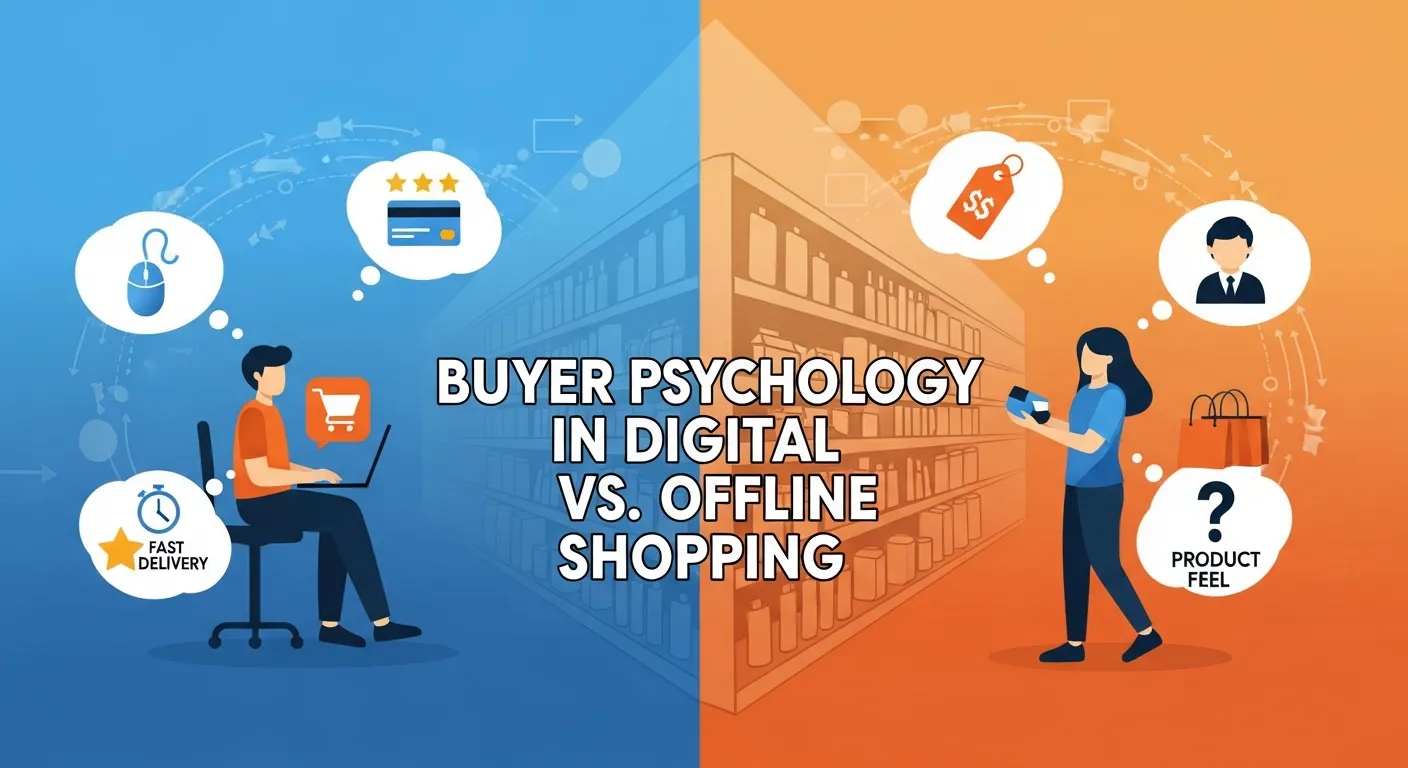
Consumer behavior changes across channels.
Digital Buyers
- Influenced by social proof, reviews, and UX
- Shorter attention spans
- More price-sensitive
Offline Buyers
- Influenced by sensory experience and sales staff
- Higher emotional attachment
- More impulse-driven purchases
Understanding these differences helps optimize omnichannel strategies.
How Buyer Psychology Drives Brand Loyalty
Buyer psychology doesn’t stop after purchase—it shapes repeat behavior.
Key Psychological Drivers of Loyalty
- Consistency and reliability
- Emotional connection to brand values
- Community and belonging
- Rewards and referral programs
Brands that trigger emotional loyalty outperform competitors on retention and lifetime value.
Buyer Psychology Framework: The 6 Core Motivators
Understanding what truly motivates buyers helps marketers craft persuasive messaging.
1. Convenience
People buy products that save time and effort.
Example: Amazon’s one-click checkout removes friction and increases impulse purchases.
2. Status and Identity
Buyers purchase products that reflect who they are or want to be.
Example: Luxury brands sell status, not just products.
3. Security and Risk Reduction
Guarantees, warranties, and free returns reduce fear and boost conversions.
4. Value and Savings
Discounts, bundles, and loyalty rewards trigger the brain’s value-seeking instinct.
5. Belonging and Community
Brands that build communities increase emotional attachment and repeat purchases.
6. Pleasure and Reward
Hedonic products (fashion, gadgets, food) trigger dopamine-driven impulse buying.
Buyer Psychology in Content Marketing
Content plays a powerful psychological role in shaping buyer decisions.
Educational Content
Builds trust and authority (blogs, tutorials, guides).
Emotional Storytelling Content
Triggers empathy and brand connection.
User-Generated Content (UGC)
Creates authenticity and social validation.
Content that aligns with buyer psychology increases engagement and conversion rates.
Psychological Triggers That Increase Conversions
1. Urgency
Countdown timers and flash sales push faster decisions.
2. Authority
Expert endorsements and certifications increase trust.
3. Reciprocity
Free trials, samples, or tools make buyers feel compelled to give back.
4. Consistency
Once buyers commit to small actions (newsletter signup), they’re more likely to purchase later.
Buyer Psychology in UX and CRO (Conversion Rate Optimization)
Website design strongly influences buyer decisions.
Key Psychological UX Elements
- Clear CTAs reduce cognitive load
- Social proof sections reduce anxiety
- Minimal navigation reduces distraction
- Progress bars increase completion rates
Optimizing UX using psychology significantly boosts conversion rates.
Cultural and Social Factors in Buyer Psychology
Buyer psychology varies across cultures and social groups.
Cultural Influence
Different regions prioritize price, quality, or brand prestige differently.
Social Influence
Family, peers, influencers, and online communities strongly shape decisions.
Understanding cultural psychology helps global brands localize messaging effectively.
Buyer Psychology and Referral Marketing
Happy customers psychologically feel compelled to share positive experiences.
Psychological Drivers of Referrals
- Pride in discovering a good product
- Desire to help others
- Social recognition and rewards
Tracking referral marketing metrics (conversion rate, participation rate, viral coefficient) helps measure how buyer psychology turns customers into brand advocates.
Ethical Buyer Psychology and Trust Building
Using psychology ethically builds long-term trust.
Ethical Practices
- Transparent pricing
- Honest scarcity (no fake countdown timers)
- Authentic reviews
Manipulative tactics may increase short-term sales but destroy long-term brand equity.
Case Studies: Buyer Psychology in Action
Apple
Uses emotional branding, identity psychology, and simplicity to drive premium pricing.
Amazon
Leverages convenience psychology, social proof, and scarcity to increase conversions.
Nike
Taps into motivation psychology and identity-driven storytelling.
Buyer Psychology Metrics to Track
To measure psychological impact, track:
- Conversion rate
- Time on page
- Engagement metrics (scroll depth, CTR)
- Customer lifetime value (CLV)
- Net Promoter Score (NPS)
- Referral marketing metrics (referral conversion rate, participation rate)
These metrics quantify emotional and behavioral responses.
Future of Buyer Psychology in Marketing
Buyer psychology will evolve with technology and consumer expectations.
Key Trends
- AI-driven personalization
- Behavioral nudging in apps and e-commerce
- Social commerce psychology
- Community-driven buying decisions
Buyer Psychology in Product Positioning
How you position a product influences how buyers perceive its value.
1. Premium Positioning
High price, luxury branding, and exclusivity trigger status-driven buyers.
2. Value Positioning
Budget-friendly messaging appeals to cost-conscious and rational buyers.
3. Problem-Solution Positioning
Highlighting pain points and solutions taps into urgency and emotional relief.
The Psychology of Branding
Brand perception plays a huge role in purchasing decisions.
Key Branding Psychology Elements
- Brand voice and tone (friendly vs professional)
- Visual identity (logos, typography, colors)
- Brand personality (innovative, reliable, fun)
A strong brand identity creates emotional familiarity and trust.
Buyer Psychology in Social Media Marketing
Social platforms amplify psychological triggers.
1. Social Validation
Likes, shares, and comments act as digital social proof.
2. Influencer Psychology
People trust influencers because of perceived authenticity and relatability.
3. FOMO Marketing
Stories, limited-time offers, and trending content trigger fear of missing out.
The Psychology of Customer Reviews
Reviews strongly influence buyer behavior.
Why Reviews Matter
- Reduce uncertainty
- Provide real-life product validation
- Trigger herd behavior
Even negative reviews can increase trust if handled transparently.
Buyer Psychology in Email Marketing
Email marketing leverages personal and psychological triggers.
Effective Psychological Triggers
- Personalized subject lines
- Urgency and scarcity in offers
- Behavioral triggers (abandoned cart emails)
- Reciprocity (free resources, discounts)
The Psychology of Customer Retention
Buyer psychology continues after the first purchase.
Retention Drivers
- Habit formation
- Reward systems and loyalty programs
- Emotional attachment to brand
- Community belonging
Retention is often more profitable than acquisition.
Behavioral Economics in Buyer Psychology
Behavioral economics explains irrational buying behavior.
Key Concepts
- Endowment effect (people value what they own more)
- Choice architecture (how options are presented)
- Nudge theory (subtle cues guiding decisions)
Marketers can design experiences that guide buyers toward conversion.
Buyer Psychology and Ethical Marketing
Using psychology responsibly builds long-term brand equity.
Ethical Principles
- Honest messaging
- Transparent pricing
- Real scarcity and real reviews
- Respect for customer privacy
Ethical psychology-driven marketing builds trust and loyalty.
Buyer Psychology in Product Design
Product design itself influences buying decisions before marketing even begins.
1. Usability Psychology
Products that are easy to use reduce cognitive load and increase adoption.
2. Aesthetic-Usability Effect
People perceive visually attractive products as easier to use and higher quality.
3. Feature vs Benefit Psychology
Buyers respond more to outcomes (benefits) than to technical features.
Buyer Psychology in Pricing Perception
Pricing isn’t just math—it’s perception.
1. Price-Quality Heuristic
Higher prices often signal higher quality, especially in luxury markets.
2. Reference Pricing
Showing competitor prices makes your offer seem more valuable.
3. Subscription Psychology
Recurring pricing reduces decision fatigue and increases lifetime value.
Buyer Psychology in Advertising
Ads influence subconscious decision-making.
Key Psychological Ad Triggers
- Emotional storytelling
- Relatable characters and scenarios
- Humor and surprise
- Fear-based or aspiration-based messaging
Memorable ads create emotional recall and brand preference.
Buyer Psychology in Sales Copywriting
Words trigger psychological responses.
Power Copywriting Techniques
- Benefit-driven headlines
- Power words (free, proven, instant, limited)
- Emotional language and storytelling
- Risk reversal (money-back guarantee)
Good copy removes objections and nudges buyers toward action.
The Psychology of Trust Signals
Trust signals reduce buyer anxiety.
Examples
- SSL badges and security icons
- Money-back guarantees
- Media mentions and certifications
- Customer testimonials and case studies
Trust psychology is critical in high-ticket and online purchases.
Buyer Psychology and Decision Fatigue
Too many choices reduce conversions.
How to Reduce Decision Fatigue
- Limit product options
- Use filters and recommendations
- Highlight “best seller” or “most popular” choices
Simplifying decisions increases conversion rates.
Buyer Psychology in Mobile Commerce
Mobile buyers behave differently.
Mobile Psychological Drivers
- Instant gratification
- One-tap checkout
- Push notifications triggering urgency
- Social proof in-app
Mobile-first psychology is essential for modern e-commerce.
Buyer Psychology in Community Marketing
Communities influence purchasing decisions.
Psychological Drivers
- Belonging and identity
- Peer validation
- Shared values and missions
Brands with strong communities have higher loyalty and referral rates.
Buyer Psychology in Subscription and SaaS Models
Recurring products require psychological retention strategies.
Key SaaS Psychology Drivers
- Habit formation
- Progress tracking and gamification
- Loss aversion (canceling feels like losing features)
Buyer Psychology and Referral Behavior
Referrals are rooted in psychology.
Why People Refer
- Social recognition
- Altruism (helping friends)
- Rewards and incentives
- Identity signaling
Tracking referral marketing metrics helps quantify advocacy driven by buyer psychology.
Advanced Buyer Psychology Framework: AIDA + Bias
Combine classic and modern frameworks:
AIDA Model + Cognitive Biases
- Attention → Curiosity, novelty
- Interest → Social proof, authority
- Desire → Scarcity, aspiration
- Action → Urgency, risk reversal
This hybrid model increases persuasion power.
Buyer Psychology in Brand Storytelling
Stories shape how buyers perceive value.
Story Elements
- Hero (customer)
- Problem
- Brand as guide
- Transformation
Narrative psychology makes brands memorable and emotionally compelling.
Global Buyer Psychology Trends
Consumer behavior is changing worldwide.
Emerging Trends
- Conscious consumerism (ethics, sustainability)
- AI-driven personalization expectations
- Social commerce and creator influence
- Community-driven purchasing
- Privacy-first buyer mindset
Measuring Buyer Psychology in Marketing
Tracking psychological impact is possible with data.
Key Metrics
- Conversion rate
- Customer lifetime value (CLV)
- Net Promoter Score (NPS)
- Referral marketing metrics (referral conversion rate, participation rate)
- Engagement metrics (CTR, dwell time, repeat visits)
These metrics help quantify emotional and behavioral responses.
Common Buyer Psychology Mistakes Marketers Make
1. Assuming All Buyers Are Rational
Most decisions are emotional first, logical second.
2. Overloading with Information
Too many features cause decision fatigue.
3. Ignoring Emotional Branding
Functional products without emotional appeal struggle to differentiate.
4. Neglecting Post-Purchase Experience
Bad experiences destroy trust and future purchases.
Why Understanding Buyer Psychology Gives You a Competitive Edge
When companies understand buyer psychology, they elevate marketing from selling products to solving problems. They deliver campaigns that speak directly to emotions, motivations, and needs, giving their business a competitive edge in the market.
Ultimately, customers don’t just buy products; they buy experiences and the emotions tied to them. By focusing on the “why” behind purchasing decisions, your marketing efforts can create genuine connections that drive lasting results.
Conclusion
Buyer psychology plays a powerful role in shaping successful product marketing strategies. When marketers understand the motivations, fears, and desires behind purchasing decisions, they can design campaigns that connect on a deeper emotional level. Techniques like storytelling, scarcity, personalization, and trust-building significantly impact how customers perceive a product. Effective product marketing is not just about features—it’s about understanding human behavior and influencing decisions in a meaningful way. By applying psychological insights, brands can improve conversions, strengthen relationships, and create products that customers genuinely want and trust.
FAQ: Product Marketing
1. What is product marketing?
Answer: Product marketing is the process of positioning, promoting, and selling a product to the right audience. It focuses on understanding customer needs, defining value propositions, and driving demand.
2. What is the role of a product marketer?
Answer: A product marketer bridges the gap between product, sales, and customers. They handle positioning, messaging, go-to-market strategies, and customer insights.
3. Why is product marketing important?
Answer: Product marketing ensures the product meets market needs, communicates its value clearly, and drives adoption and revenue growth.
4. What is product positioning in product marketing?
Answer: Product positioning defines how a product is perceived in the market compared to competitors, highlighting its unique benefits and target audience.
5. What is a go-to-market (GTM) strategy?
Answer: A GTM strategy is a plan to launch a product, identify target customers, choose distribution channels, and define messaging to maximize market impact.
6. How does product marketing differ from traditional marketing?
Answer: Product marketing focuses on specific products and customer value, while traditional marketing focuses more on brand awareness and broad promotional campaigns.
7. What are key product marketing metrics?
Answer: Important metrics include product adoption rate, conversion rate, churn rate, customer lifetime value (CLV), and revenue growth.
8. What is customer segmentation in product marketing?
Answer: Customer segmentation divides customers into groups based on behavior, demographics, or needs to tailor marketing strategies effectively.
9. How does product marketing influence sales?
Answer: Product marketing provides sales teams with messaging, positioning, and content that help close deals faster and increase conversion rates.
10. What is the future of product marketing?
Answer: The future of product marketing includes AI-driven personalization, data-driven decision-making, community-led growth, and customer-centric product innovation.
Learn about: Why Referral Marketing Is A Game Changer For Your Business