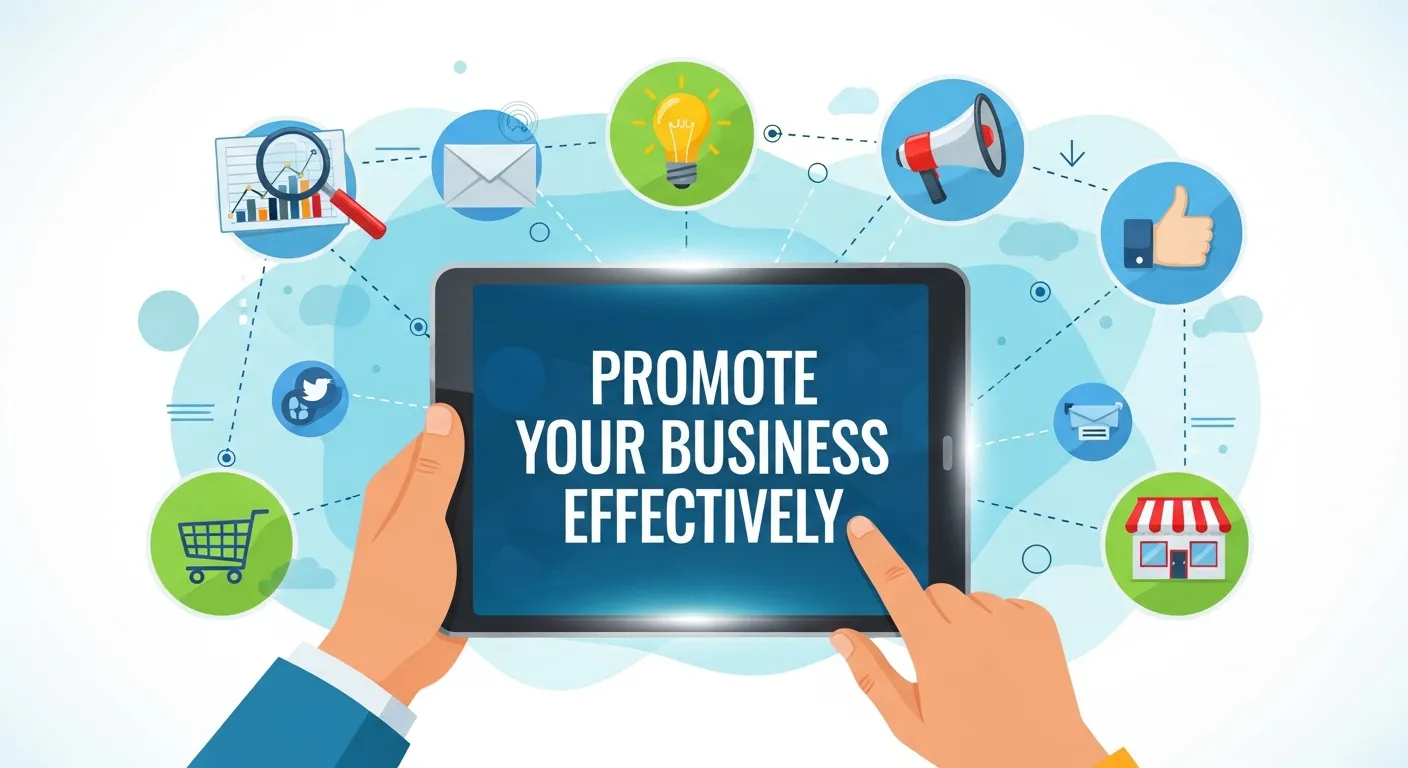
Promote your business using strategic marketing activities to increase awareness, attract customers, and drive sales. Business promotion includes advertising, social media marketing, public relations, events, and word-of-mouth campaigns.
Effective ways to promote your business are crucial for growth because even the best products can fail without visibility. Strategic promotion builds brand recognition, generates leads, establishes trust, and converts prospects into loyal customers.
In this guide, you’ll learn proven strategies to promote your business, increase visibility, and drive sustainable growth.
Understand Your Business and Target Audience
Before launching any promotion campaign, you must clearly understand promote your business objectives and the people you want to reach. Without this foundation, marketing efforts can be scattered, inefficient, and costly. A strong understanding of your goals and audience ensures that your promotional strategies are focused, relevant, and measurable.
Define Your Business Goals
Every promotion strategy should align with specific business goals. Common objectives include increasing brand awareness, generating leads, boosting sales, and improving customer retention.
- Brand awareness focuses on making more people recognize and remember your brand.
- Leads involve attracting potential customers who show interest in your products or services.
- Sales aim to convert prospects into paying customers.
- Retention focuses on keeping existing customers engaged and encouraging repeat purchases.
Clearly defining these goals helps you choose the right channels, messaging, and metrics to measure success.
Identify Your Target Audience
Understanding your target audience is essential for effective promotion. Start with demographics such as age, gender, location, income level, and education. Then explore psychographics, which include interests, values, lifestyle, motivations, and pain points.
Creating buyer personas—detailed profiles of your ideal customers—can help you visualize who you’re marketing to. Personas guide your messaging, tone, content topics, and channel selection, ensuring your promotions resonate with the right people.
Market Research and Competitor Analysis
Market research helps you understand industry trends, customer needs, and market gaps. Conduct surveys, analyze customer feedback, and study market reports to gather insights.
A SWOT analysis (Strengths, Weaknesses, Opportunities, Threats) is a useful framework to evaluate your business and competitors. It highlights what you do well, where you can improve, and how you can differentiate from competitors.
You can use tools like Google Trends to identify popular topics and search demand, and social listening tools to monitor conversations, mentions, and sentiment around your brand and competitors. These insights help you craft data-driven promotional strategies that outperform competitors and connect with your audience effectively.
Build a Strong Brand Identity
A strong brand identity makes your business recognizable, trustworthy, and memorable. It goes beyond a logo or tagline—it defines how customers perceive your business and why they should choose you over competitors. A consistent and compelling brand identity helps you stand out in crowded markets and builds long-term customer loyalty.
Brand Positioning and Value Proposition
Brand positioning defines where your business sits in the market and how it is perceived compared to competitors. It answers the question: Who are you for, and why are you different?
Your value proposition clearly communicates the main benefit customers get from your product or service. It should highlight your unique selling points (USP)—the features, benefits, or experiences that competitors cannot easily replicate. This could be superior quality, better pricing, exceptional customer service, innovation, or a niche specialization. A strong positioning statement and value proposition guide all your promotional messaging and marketing strategies.
Visual Branding (Logo, Colors, Typography)
Visual branding creates the first impression of your business. A professional logo represents your brand identity and should be simple, memorable, and versatile. Colors evoke emotions and influence perception—blue suggests trust, red implies energy, and green signals growth or sustainability. Typography (fonts) should match your brand personality, whether modern, playful, or corporate.
Consistent use of logos, colors, and fonts across websites, social media, packaging, and advertisements strengthens brand recognition and professionalism.
Brand Voice and Messaging
Your brand voice is the tone and style of communication you use with your audience—formal, friendly, authoritative, or conversational. Brand messaging includes your core story, mission, and key messages that communicate your values and purpose.
Consistency across channels is essential. Whether customers interact with your website, social media, email campaigns, or offline materials, they should experience the same tone, visuals, and messaging. A consistent brand identity builds trust, reinforces credibility, and creates a cohesive customer experience that drives engagement and loyalty.
Digital Marketing Strategies to Promote Your Business
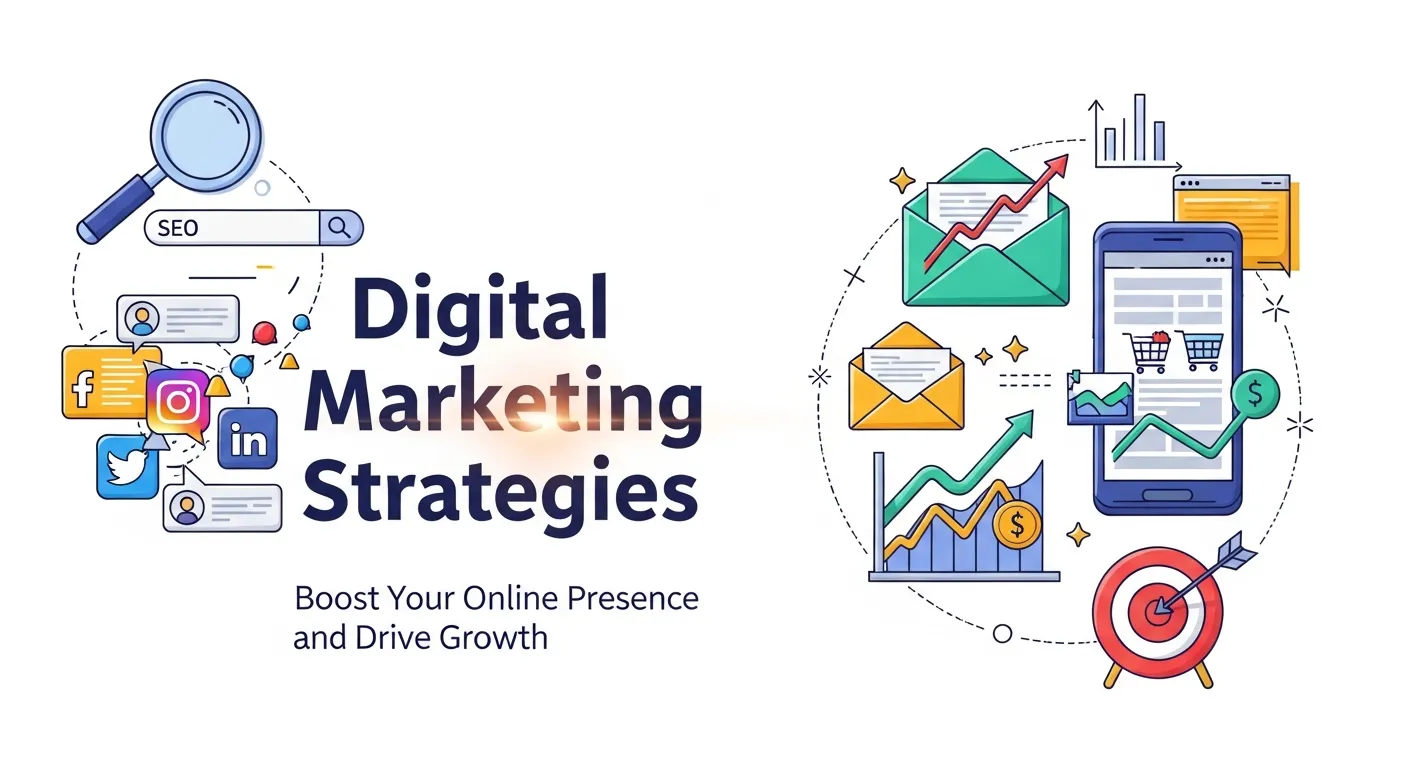
Digital marketing is one of the most powerful ways to promote your business, reach targeted audiences, and drive measurable growth. By combining multiple online channels—social media, search engines, content, email, and paid advertising—you can attract prospects, nurture leads, and convert them into loyal customers.
Social Media Marketing
Social media platforms help businesses build awareness, engage audiences, and generate leads. The key is choosing the right platforms based on your target audience and goals.
- Facebook is ideal for broad audiences, community building, and paid ads.
- Instagram works best for visual brands, lifestyle content, and younger audiences.
- TikTok is powerful for viral short-form video content and Gen Z engagement.
- LinkedIn is effective for B2B marketing, professional branding, and lead generation.
- YouTube is ideal for long-form video content, tutorials, and brand storytelling.
You can use organic strategies like regular posts, stories, reels, and community engagement to build trust and grow followers. Paid social media strategies include targeted ads, boosted posts, and retargeting campaigns to reach specific audiences and drive conversions faster.
Influencer marketing and user-generated content (UGC) can significantly increase credibility. Collaborating with influencers helps you tap into established audiences, while UGC (reviews, testimonials, and customer posts) builds social proof and trust.
Search Engine Optimization (SEO)
SEO helps your business rank higher in search engine results, driving organic traffic without paying for ads. It consists of three main components:
- On-page SEO includes optimizing titles, meta descriptions, headings, images, and content with relevant keywords.
- Technical SEO focuses on website speed, mobile-friendliness, indexing, and site structure.
- Content marketing for SEO involves creating valuable, keyword-rich content that answers user queries and attracts organic traffic.
Keyword research helps you identify what your audience is searching for and align your content with search intent. Tools like Google Keyword Planner and SEO software can help discover high-volume, low-competition keywords.
Backlinks—links from other reputable websites—boost your domain authority and search rankings. You can earn backlinks through guest blogging, PR campaigns, partnerships, and high-quality content.
Content Marketing
Content marketing builds trust, educates customers, and drives conversions by providing value. Common content formats include:
- Blogs for SEO and thought leadership
- Videos for engagement and storytelling
- Podcasts for in-depth discussions and brand authority
- Infographics for visualizing data and sharing insights
A strategic content funnel guides customers through the buying journey:
- TOFU (Top of Funnel): Awareness content like blog posts, social media tips, and explainer videos to attract new audiences.
- MOFU (Middle of Funnel): Consideration content like case studies, webinars, and comparison guides to nurture leads.
- BOFU (Bottom of Funnel): Conversion content like testimonials, demos, and pricing pages to drive sales.
Consistent, high-quality content positions your brand as an authority and builds long-term customer relationships.
Email Marketing
Email marketing is one of the highest-ROI digital channels. It allows you to nurture leads, promote offers, and retain customers. Lead magnets such as free eBooks, checklists, templates, or webinars encourage visitors to subscribe to your email list. Newsletters keep subscribers engaged with updates, educational content, and promotions.
Automation and segmentation enhance email performance. You can send personalized emails based on user behavior, interests, and purchase history. Automated workflows like welcome sequences, abandoned cart reminders, and re-engagement campaigns save time and increase conversions.
Paid Advertising (PPC)
Paid advertising accelerates visibility and results. Popular PPC platforms include Google Ads, Facebook and Instagram ads, LinkedIn ads, and YouTube ads. These platforms allow precise targeting based on demographics, interests, behaviors, and keywords. Retargeting ads help re-engage users who visited your website but didn’t convert. They are highly effective for increasing conversions and reducing customer acquisition costs.
Effective budgeting and ROI measurement are essential. Set clear campaign goals, allocate budgets based on channel performance, and track metrics like cost per click (CPC), conversion rate, and return on ad spend (ROAS). Continuous testing and optimization ensure your paid campaigns remain profitable and scalable.
By combining these digital marketing strategies, businesses can create a multi-channel promotion system that drives traffic, builds trust, and generates sustainable growth.
Offline and Traditional Promotion Methods
While digital marketing dominates modern business promotion, offline and traditional methods still play a powerful role—especially for local businesses, service providers, and brands that rely on personal relationships. Combining online and offline strategies creates a stronger, more credible brand presence.
Networking and Events
Networking and events are effective for building relationships, establishing authority, and generating high-quality leads. Trade shows allow businesses to showcase products, meet potential customers, and observe competitors in one place. Seminars and workshops position your brand as an expert by educating audiences on industry topics and solving real problems.
Webinars, although digital, share similarities with offline events in structure and intent. They help you reach a wider audience while maintaining a personal, interactive experience. Attending or hosting events builds trust faster than online interactions because people can connect with your brand face-to-face.
Print and Media Advertising
Traditional print advertising remains valuable, especially for local and niche markets. Flyers and brochures are cost-effective tools for promoting products, services, and special offers. They work well in physical locations like stores, offices, and events.
Newspaper and magazine ads can increase brand credibility and reach audiences who prefer traditional media. Radio advertising is another effective channel for local brand awareness, particularly for promotions, events, and service-based businesses. Print and broadcast media help reinforce brand recognition when combined with digital campaigns.
Partnerships and Local Marketing
Strategic partnerships with other businesses can expand your reach and reduce marketing costs. Collaborating with complementary brands—for example, a gym partnering with a nutrition brand—allows both businesses to cross-promote to shared audiences.
Local marketing includes sponsoring community events, collaborating with local influencers or organizations, and offering joint promotions with nearby businesses. These efforts strengthen community presence, build goodwill, and generate word-of-mouth referrals.
By integrating offline promotion with digital strategies, businesses can maximize visibility, credibility, and customer engagement across multiple touchpoints.
Conversion Optimization and Sales Funnel
Driving traffic is only half the battle—converting visitors into leads and customers is where real growth happens. Conversion optimization focuses on improving each step of the customer journey to maximize results from your promotion efforts.
Landing Pages and Website Optimization
Your website and landing pages are critical conversion points. A well-designed landing page should have a clear headline, strong value proposition, simple layout, and a focused call-to-action. Mobile optimization is essential, as most users browse on smartphones. Your site should load quickly, display correctly on all devices, and provide a smooth user experience.
Page speed directly impacts conversions—slow-loading pages increase bounce rates and reduce sales. Use compressed images, fast hosting, and optimized code to improve performance.
Calls-to-Action and Lead Generation
Effective calls-to-action (CTAs) guide users toward the next step, such as signing up, requesting a demo, or making a purchase. Common lead generation tools include:
- Forms to capture contact details
- Chatbots to answer questions and collect leads in real time
- Free trials or demos to reduce risk and encourage conversions
Clear, benefit-driven CTAs increase engagement and move prospects through the funnel.
Retargeting and Customer Nurturing
Not all visitors convert on the first visit. Retargeting ads help re-engage users who previously visited your website or interacted with your content. These ads remind them of your offer and encourage them to return and complete a purchase.
Email funnels nurture leads over time with educational content, testimonials, and offers. This ongoing communication builds trust, addresses objections, and guides prospects toward conversion, increasing customer lifetime value.
Tools and Automation for Business Promotion
Marketing tools and automation platforms help businesses save time, improve efficiency, and scale promotion efforts without increasing manual workload.
Social Media and Content Tools
Tools like Hootsuite and Buffer help schedule and manage social media posts across multiple platforms, ensuring consistent content delivery. Canva allows businesses to create professional graphics, social media visuals, and marketing materials without design expertise. These tools streamline content creation and distribution.
Analytics and Tracking Tools
Data-driven marketing requires reliable analytics. Google Analytics tracks website traffic, user behavior, and conversions. Meta Insights provides performance data for Facebook and Instagram campaigns. CRM systems (Customer Relationship Management tools) store customer data, track interactions, and manage leads and sales pipelines. These insights help optimize campaigns and improve ROI.
AI Tools for Marketing
AI-powered tools are transforming business promotion. Platforms like ChatGPT and Jasper help generate content, ad copy, emails, and ideas quickly. Automation platforms can trigger emails, segment audiences, and personalize marketing campaigns based on user behavior.
By leveraging automation and AI, businesses can reduce manual tasks, improve targeting, and scale their promotional strategies more efficiently, enabling faster growth and better customer engagement.
Why You Need a Strategic Plan to Promote Your Business
To promote your business successfully, you need a clear and structured marketing plan. A promotion plan outlines your goals, target audience, channels, budget, and timeline. Without a plan, marketing efforts become inconsistent and ineffective. A strategic approach ensures your campaigns are measurable, scalable, and aligned with your business objectives.
Best Channels to Promote Your Business in 2026
There are multiple channels businesses can use to promote your business effectively. Digital channels like social media, SEO, email marketing, and paid ads offer measurable results and precise targeting. Offline channels such as events, partnerships, and traditional advertising help build trust and local presence. Combining both online and offline channels creates a powerful omnichannel promotion strategy.
Step-by-Step Promotion Plan to Promote Your Business
To promote your business effectively, follow these steps:
- Define your marketing goals and KPIs
- Identify your target audience and buyer personas
- Choose the right marketing channels
- Create high-quality content and campaigns
- Set a budget and timeline
- Launch campaigns and track performance
- Optimize and scale successful strategies
A structured promotion plan ensures sustainable business growth.
Tips to Promote Your Business Faster and Smarter
To promote your business faster, focus on:
- Leveraging social media trends and viral content
- Using influencer partnerships and UGC
- Investing in SEO for long-term traffic
- Running retargeting ads for higher conversions
- Automating email and marketing workflows
Smart marketing tactics help you maximize ROI with minimal effort.
Common Business Promotion Mistakes
- No clear marketing strategy – Promoting without defined goals, target audience, or plan leads to wasted time and budget.
- Ignoring data and analytics – Not tracking performance metrics (traffic, conversions, CTR, ROI) results in poor decision-making.
- Inconsistent branding – Using different logos, colors, tones, and messages across platforms confuses customers and weakens brand trust.
- Targeting the wrong audience – Marketing to irrelevant or broad audiences reduces conversion rates and increases acquisition costs.
- Not tracking ROI – Failing to measure return on investment makes it impossible to know which campaigns or channels are profitable.
Future Trends in Business Promotion
AI and Automation Marketing
AI is transforming marketing through automated content creation, predictive analytics, chatbots, and personalized campaigns. Businesses can scale promotion faster while reducing manual workload.
Social Commerce and Influencer Economy
Social platforms are becoming full-fledged shopping channels. Influencers, creators, and live commerce are driving direct sales, making social proof and creator partnerships more important than ever.
Personalization and Customer Experience
Customers expect tailored experiences. Personalized emails, website content, and product recommendations will become standard, improving engagement and conversion rates.
AR/VR and Interactive Marketing
Augmented and virtual reality are emerging as powerful promotional tools. Interactive product demos, virtual try-ons, and immersive brand experiences will increase engagement and reduce purchase uncertainty.
Case Studies and Real-Life Examples
Small Business Digital Marketing Success Story
A local café used Instagram and Google My Business to share daily menus, customer reviews, and promotions. By running targeted ads and engaging with followers, the café increased foot traffic and online orders by over 40% within six months.
E-commerce Brand Social Media Growth Example
An e-commerce fashion brand leveraged TikTok influencers and UGC content to showcase real customers wearing their products. Viral videos drove massive traffic, leading to a significant boost in website conversions and brand awareness.
B2B Business Promotion via LinkedIn and SEO
A SaaS company focused on LinkedIn content marketing and SEO-driven blogs. By sharing industry insights, case studies, and optimized articles, the company generated high-quality leads and reduced customer acquisition costs while increasing enterprise sales.
Conclusion
Promoting your business effectively isn’t about choosing one method over another; it’s about strategically combining several approaches to reach your desired audience. From social media to SEO, email marketing to influencer partnerships, every effort you invest will pay off with consistent and thoughtful execution.
Start optimizing your strategies today, one step at a time. Whether it’s putting together an email drip campaign or launching your first ad on social media, what matters most is that you start.
FAQ: Promote Your Business
1. What does it mean to promote your business?
Answer: Promoting your business means using marketing strategies such as social media, ads, SEO, and branding to increase awareness, attract customers, and boost sales.
2. Why is it important to promote your business?
Answer: Promoting your business helps you reach new customers, build brand recognition, and stay competitive in your industry.
3. What are the best ways to promote your business online?
Answer: The best online methods include social media marketing, SEO, email marketing, content marketing, paid ads, and influencer marketing.
4. How can social media help promote your business?
Answer: Social media platforms help you connect with customers, share content, run ads, and build trust through engagement and reviews.
5. How does SEO help promote your business?
Answer: SEO improves your website’s ranking on search engines, driving organic traffic and increasing visibility for your business.
6. Can small businesses promote their business with a low budget?
Answer: Yes, small businesses can use free or low-cost strategies like social media posts, local SEO, referral programs, and email campaigns.
7. What role does content marketing play in promoting your business?
Answer: Content marketing builds trust and authority by providing valuable blogs, videos, and guides that attract and educate customers.
8. How can customer reviews help promote your business?
Answer: Positive reviews act as social proof, increasing credibility and encouraging potential customers to choose your products or services.
9. What are offline ways to promote your business?
Answer: Offline methods include networking events, flyers, business cards, local sponsorships, and partnerships with other businesses.
10. How can you measure the success of promoting your business?
Answer: You can track website traffic, social media engagement, leads, conversions, and ROI using tools like Google Analytics and CRM software.
Learn more about: What is Referral Program Software and How Can It Boost Your Business?