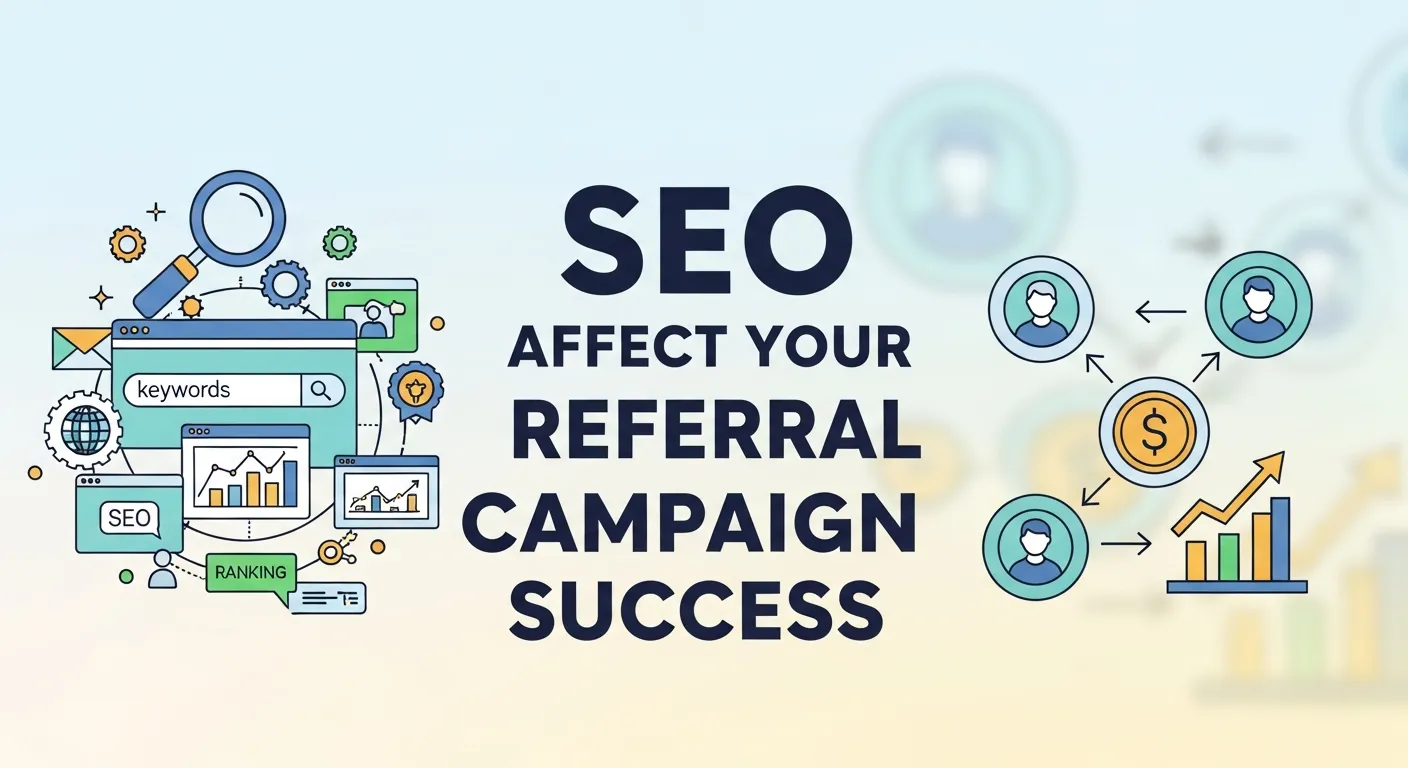
Referral campaigns leverage word-of-mouth marketing to drive customer acquisition. SEO boosts these campaigns by enhancing visibility, optimizing landing pages, increasing organic traffic, and improving conversion rates for long-term business growth.
Referral campaigns are a powerful digital marketing strategy that encourages existing customers to refer new ones, helping businesses grow their customer base through word-of-mouth. These campaigns are effective because they leverage the trust and influence of customers, leading to higher conversion rates and brand loyalty. However, to maximize their potential, integrating SEO into referral campaigns can significantly enhance their effectiveness.
SEO plays a crucial role by improving the visibility of your referral campaigns across search engines, driving more targeted traffic. With the right SEO techniques, you can ensure that your referral links are easily discoverable, increasing the chances of both customers and potential referrals engaging with the campaign.
This blog will explore how SEO can support and optimize your referral campaigns, focusing on key strategies, tools, and best practices to improve performance and generate better results in digital marketing.
Understanding Referral Campaigns
What Is a Referral Campaign?
A Referral Campaign is a marketing strategy where businesses incentivize their existing customers to refer new customers to the brand, typically through a structured reward system. These campaigns encourage current customers to share their positive experiences with others, either by offering them discounts, free products, or exclusive offers in exchange for successful referrals. The goal is to drive new customer acquisition, increase brand awareness, and foster customer loyalty.
Referral campaigns typically rely on the trust that customers have in their networks. Customers are more likely to trust recommendations from friends, family, or colleagues than from advertisements or branded content. Through referrals, businesses can expand their reach organically and build a customer base that is already inclined to trust the brand, as they come with a built-in sense of credibility.
In referral, customers act as ambassadors for the brand. They help spread the word about the brand or product, leading to new leads who may be more likely to convert into paying customers. Referrals can be particularly powerful in building long-term relationships, as they often lead to customers who are not only more likely to purchase but are also more likely to remain loyal to the brand.
Why Referral Campaigns Are Crucial for Business Growth
Referral campaigns are essential for business growth for several reasons. First, they serve as an efficient way to increase customer acquisition without the need for large advertising budgets. When a satisfied customer refers someone, they are essentially doing the marketing for the brand, which can result in high-quality leads that are more likely to convert.
Secondly, referral campaigns foster trust. People trust their peers more than traditional advertisements. When a customer is referred by a friend or family member, they come with a level of inherent trust and credibility, making them more likely to engage with the brand. Trust is one of the biggest challenges in the digital marketplace, and referral campaigns naturally overcome this barrier.
Referral campaigns also play a significant role in customer retention. Customers who are part of a referral program tend to feel more valued by the brand, as they are incentivized for their participation. This sense of appreciation leads to stronger customer loyalty, increasing the chances of repeat business.
One of the key advantages of referral campaigns is the use of word-of-mouth marketing and social proof. Word-of-mouth has long been one of the most effective forms of marketing, as people are more likely to buy a product or service when they hear positive feedback from someone they trust. Similarly, social proof, in the form of customer reviews or testimonials, makes potential customers feel more confident in their purchasing decisions. Referral campaigns effectively leverage these concepts to build a more robust customer base and enhance brand visibility.
By using referral campaigns, businesses can multiply their growth, reduce customer acquisition costs, and create a solid foundation for long-term success.
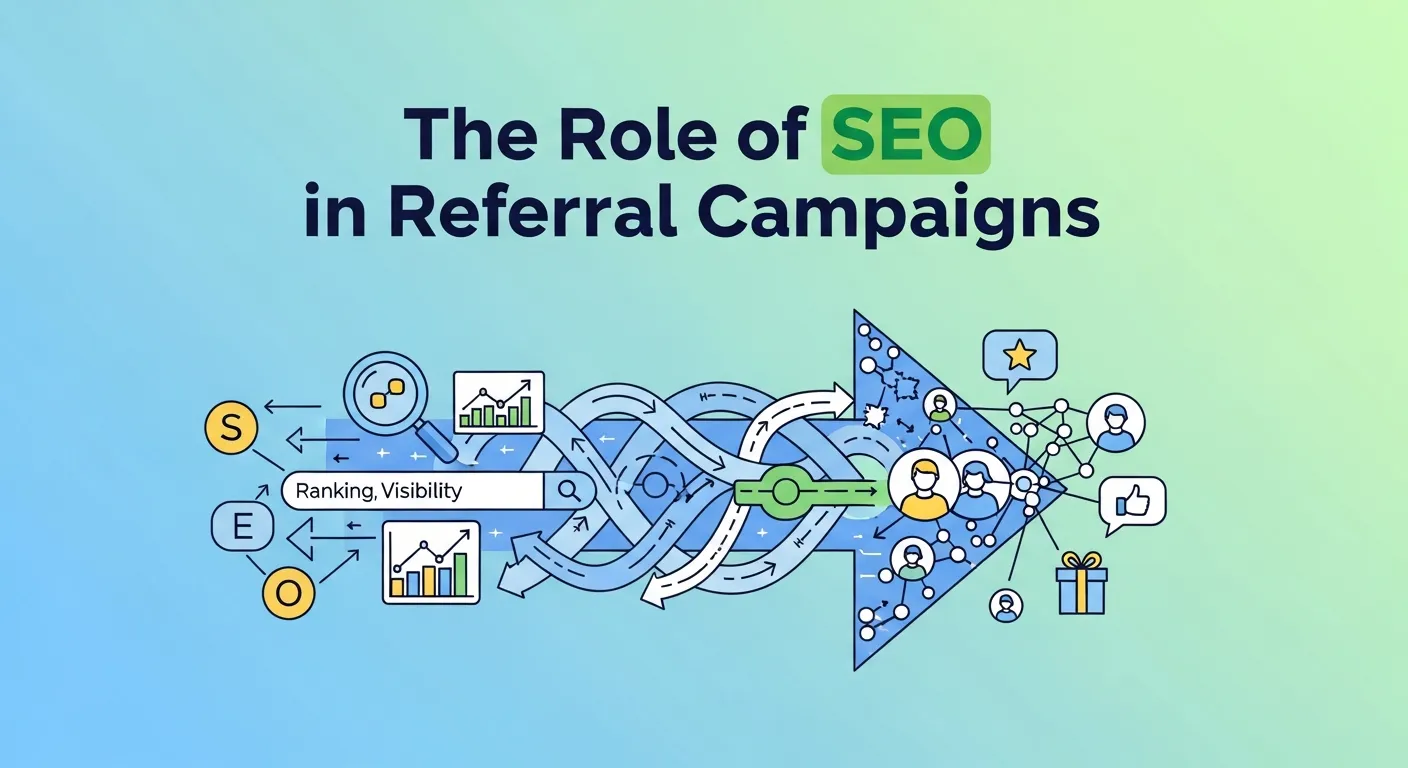
The Role of SEO in Referral Campaigns
How SEO Supports Referral Campaign Visibility
SEO plays a vital role in enhancing the visibility of referral campaigns by improving the organic reach of referral-related content. When businesses incorporate SEO strategies into their referral campaigns, they ensure that their content reaches a broader and more relevant audience on search engines. SEO helps optimize referral campaign pages and related content, ensuring they rank higher on search engine results pages (SERPs).
One key aspect of SEO in referral is optimizing referral-related landing pages. These landing pages are essential because they are where visitors are directed when they click on referral links. Ensuring that these pages are optimized with the right keywords, engaging content, and proper metadata is crucial for increasing their search engine rankings. A well-optimized landing page not only attracts organic traffic but also improves conversion rates, ensuring that visitors from referral links are more likely to complete the desired action (e.g., signing up, making a purchase, etc.).
Additionally, backlink building plays an important role in increasing the authority of the campaign pages. By securing backlinks from reputable sources or customer-driven content (like reviews or blog posts), businesses can increase their referral campaign’s credibility and improve its overall visibility. The higher the quality and relevance of backlinks, the better the chances of referral pages ranking higher, resulting in greater visibility for the campaign.
Organic Traffic and Referrals: The Connection
One of the core benefits of incorporating SEO into referral campaigns is the ability to drive organic traffic that generates more potential referrals. SEO improves the visibility of referral content, not just within the campaign’s existing network but also within a broader audience. By optimizing content such as blog posts, referral program details, and product pages for specific keywords related to your referral program, you increase the chances of ranking in search results when potential customers look for solutions or products that align with what you’re offering.
The connection between organic traffic and referrals is powerful: the more organic traffic a campaign page receives, the more opportunities there are for referral links to be shared, increasing the likelihood of new customers being acquired through word-of-mouth marketing. Well-optimized content—whether it’s blog posts, social media shares, or even customer reviews—naturally leads to a higher level of engagement, increasing the chances of those visitors participating in the referral program and spreading the word.
When content is well-optimized for SEO, it also ensures that it is being found by the right audience—those actively looking for your product or service. As a result, businesses can expect higher-quality referrals that are more likely to convert into long-term customers. Well-optimized content creates an ongoing cycle where increased organic traffic feeds into more referrals, which in turn brings more traffic to your site, creating a self-sustaining marketing engine.
Incorporating SEO into referral campaigns doesn’t just help businesses attract new customers—it also nurtures a thriving referral program that generates organic, long-term growth.
Optimizing Landing Pages for Referral Campaigns
SEO Best Practices for Referral Campaign Landing Pages
For a referral campaign to succeed, the landing pages it directs traffic to must be properly optimized for SEO. Keyword research is the first step in making sure your landing page ranks well in search results. By identifying the keywords that are most relevant to your referral campaign, such as terms related to your product, service, or specific incentives, you can increase the chances of appearing in organic search results when potential customers are looking for solutions.
Once the right keywords are identified, strategic placement of those keywords on the landing page is critical. The keywords should be used in:
- Page titles: Your title tag is one of the most important elements for SEO. Make sure it’s both engaging and descriptive, incorporating relevant keywords.
- Meta descriptions: These descriptions show up in search results, so crafting a clear and compelling meta description with your target keywords will encourage more clicks.
- URLs: The URL structure should also reflect your referral campaign’s target keywords. Keep URLs short, descriptive, and free of unnecessary characters.
Using proper internal linking and backlinks can further enhance the SEO of your landing page, making it more authoritative and improving its chances of ranking higher on search engines.
User Experience and SEO: Increasing Conversion Rates
The user experience (UX) of your referral campaign landing pages directly impacts both SEO and conversion rates. A well-designed landing page that prioritizes user experience will keep visitors engaged longer, leading to improved rankings and higher conversion rates.
Key UX factors to focus on:
- Page load speed: Slow-loading pages can frustrate visitors and lead to higher bounce rates, which can negatively impact both SEO and conversions. Optimize your landing page by compressing images, using caching tools, and minimizing unnecessary scripts to enhance speed.
- Mobile optimization: With more users browsing on mobile devices, having a mobile-optimized landing page is essential. Ensure your landing page is responsive, loads quickly on mobile devices, and provides a seamless experience across all screen sizes.
- Clear CTAs (Calls to Action): The main goal of a referral campaign landing page is conversion. Ensure that CTAs are visible, compelling, and easy to find. Use action-oriented language such as “Refer a Friend Now” or “Get Your Discount” to motivate visitors to take action immediately.
A landing page with a positive UX will not only rank higher in search engines but also encourage visitors to complete the desired actions, such as sharing referral links, signing up, or making a purchase.
Leveraging Content Marketing in Referral Campaigns
Using SEO-Friendly Blog Posts to Support Referral Campaigns
In addition to optimizing landing pages, content marketing plays a vital role in supporting your referral campaign. SEO-optimized blog posts can be an excellent way to drive traffic to your referral landing pages. By writing informative, engaging, and valuable blog posts that align with the keywords your audience is searching for, you can attract organic traffic and guide visitors toward your referral program.
For example, if your campaign offers a discount for referrals, write blog posts that explain the benefits of your products or services, share customer success stories, or highlight the advantages of the referral program itself. Within these posts, incorporate relevant CTAs encouraging readers to refer others or sign up for the referral program. By embedding referral links or providing clear instructions on how to join, you increase the likelihood that readers will take action and participate in your campaign.
Incorporating internal links to referral landing pages within your blog posts further strengthens the SEO of your referral pages and creates a seamless user journey from content to conversion.
Social Media SEO and Referral Campaigns
Social media platforms are an essential part of a referral marketing strategy, and integrating SEO strategies into your social media presence can help amplify your referral campaign. Social media SEO involves using search-friendly keywords, hashtags, and descriptions in your posts to ensure they appear in relevant search results on platforms like Instagram, Twitter, LinkedIn, and Facebook.
By sharing referral links on your social media channels, you can reach a wider audience and encourage your followers to participate in your referral campaign. For example, creating engaging posts that highlight the benefits of referring friends—along with an easy-to-share referral link—can motivate your followers to share the campaign with their network. Additionally, using SEO-friendly hashtags and keywords in your posts can increase the visibility of your referral links on social media, driving more traffic and potential referrals.
Engaging with your followers through comments, shares, and mentions also helps foster a sense of community and trust, encouraging more people to take part in your referral program. By combining social media efforts with SEO best practices, you can increase the effectiveness of your referral campaign and drive sustained growth.
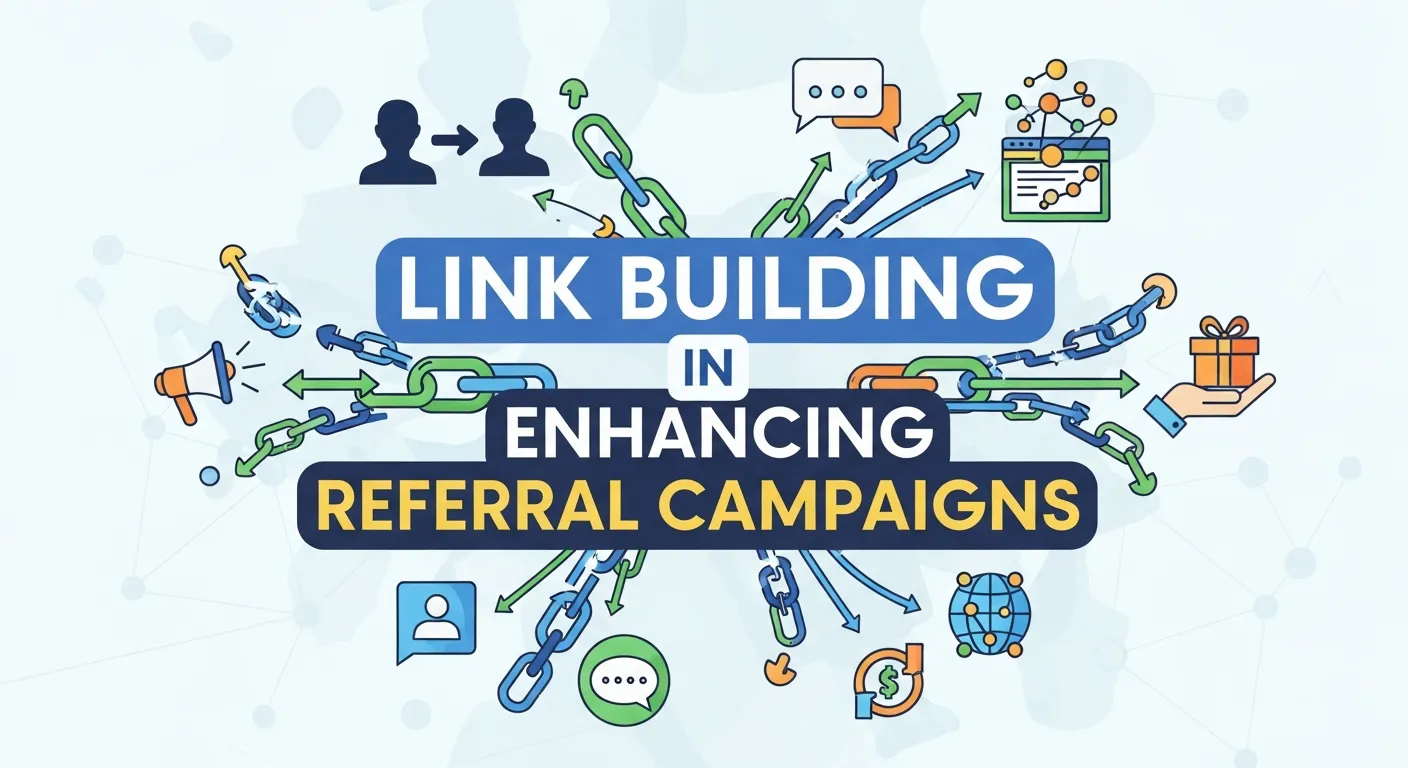
The Role of Link Building in Enhancing Referral Campaigns
How Link Building Supports Referral Campaigns
Link building is a crucial aspect of SEO that plays a significant role in enhancing referral campaigns. Obtaining backlinks from trusted and authoritative websites can increase the credibility of your referral campaign. When reputable websites link to your referral landing pages or related content, it signals to search engines that your content is valuable and trustworthy. This not only boosts the ranking of your referral campaign pages but also drives more organic traffic from those authoritative sources.
To maximize the effectiveness of link building in referral campaigns, focus on acquiring links from industry-relevant sites, blogs, influencers, and partner companies. By doing so, you enhance your website’s domain authority and improve its position in search results. Additionally, using SEO tactics, such as anchor text optimization and including referral campaign links within blog posts or guest posts, can help boost website authority and encourage more organic sharing of referral links.
Influencer Marketing and SEO: Enhancing Referral Reach
Influencer marketing and SEO work hand-in-hand to amplify the reach of referral campaigns. Collaborating with influencers not only helps spread the word about your referral program but also improves SEO performance through backlinks. Influencers often share referral links and create content that links back to your site, driving traffic while also improving your page’s authority.
By ensuring that influencers use optimized referral links and incorporate relevant keywords into their content, you can boost your referral campaign’s visibility on search engines. Moreover, SEO plays an important role in managing and tracking influencer-driven referrals. By using tools like Google Analytics and UTM parameters, businesses can track how much traffic and conversions come from influencer-led campaigns and refine their strategies accordingly.
Local SEO and Referral Campaigns
Optimizing Local SEO for Referral Campaigns
Local SEO is a powerful tool for driving targeted referrals from local audiences. Optimizing your referral campaign for local SEO ensures that your business ranks higher in local search results, increasing visibility among customers in specific geographic areas. By targeting location-based keywords (e.g., “best local coffee shop referral program”) and optimizing your Google My Business (GMB) profile, businesses can connect with potential customers who are actively searching for relevant services or products near them.
The importance of local SEO in referral campaigns lies in its ability to drive hyper-targeted traffic from your local community. When local customers are encouraged to refer their friends or family, the likelihood of conversion is much higher, as the referral comes from someone within the same geographic location, building trust and increasing engagement.
Leveraging Reviews and Testimonials for SEO
Customer reviews and testimonials not only build trust but also enhance local SEO. Positive reviews on platforms like Google My Business can improve your local rankings, making it easier for potential customers to find your referral program. Encouraging customers to leave feedback after they’ve made a successful referral or had a positive experience with your brand can lead to valuable content for SEO purposes.
By integrating positive feedback into your website, blog posts, and social media, you create social proof that can influence others to join your referral program. This not only enhances your brand reputation but also boosts SEO by generating relevant, customer-generated content that search engines favor.
Measuring the Impact of SEO on Referral Campaigns
Tracking SEO Metrics for Referral Campaigns
To effectively measure the impact of SEO on referral campaigns, businesses need to track key SEO metrics. Important metrics to monitor include:
- Organic traffic: How much traffic is coming to your referral pages through search engines.
- Bounce rate: How many visitors leave your referral landing page without engaging.
- Click-through rate (CTR): The percentage of people who click on referral links or CTAs.
- Conversion rate: The percentage of visitors who complete the desired action, such as signing up or making a purchase.
Tools like Google Analytics and Google Search Console are essential for tracking these metrics. They provide insights into how well your referral campaign is performing, which referral sources are driving the most traffic, and where to optimize for better results.
Adjusting SEO Strategies Based on Referral Campaign Data
Once you have collected data from your referral campaigns, it’s important to refine and optimize your SEO strategies. By analyzing underperforming areas, such as pages with high bounce rates or low conversions, you can identify opportunities to improve content, user experience, or calls to action. Regularly adjusting SEO strategies based on data insights ensures that your referral campaigns remain effective and continuously improve.
For example, if certain referral pages are underperforming, you might revise the page’s content, optimize for more relevant keywords, or enhance its user experience. This iterative process ensures that your referral campaigns continue to grow and generate better long-term results.
Common SEO Mistakes to Avoid in Referral Campaigns
Overlooking Mobile Optimization
With more consumers browsing and purchasing via mobile devices, mobile optimization is crucial for both SEO and referral campaign success. A website that isn’t mobile-friendly can negatively impact SEO rankings and conversion rates. Pages that aren’t responsive or load slowly on mobile devices can lead to high bounce rates, especially from referral traffic. To avoid this, ensure that your referral campaign landing pages are mobile-optimized, providing a seamless experience for visitors on all devices.
Ignoring Content Quality and Relevance
Poor content quality can undermine both SEO and the effectiveness of your referral campaign. Content that is thin, irrelevant, or not aligned with your referral offer can result in low engagement and conversions. For SEO, search engines favor content that is valuable, informative, and relevant. Ensure that your referral emails, landing pages, and blog content are all optimized, engaging, and provide clear value to the potential referrer and referred customers.
Future Trends in SEO and Referral Campaigns
The Role of AI and Automation in SEO for Referral Campaigns
AI tools are increasingly revolutionizing SEO services, making it easier to optimize referral campaigns at scale. From automated content generation to predictive analytics, AI can help businesses fine-tune their SEO efforts and gain deeper insights into consumer behavior. In the future, SEO automation will likely play a key role in scaling referral campaigns, allowing businesses to make data-driven adjustments faster and more efficiently.
Voice Search and Its Impact on Referral Campaign SEO
With the rise of voice search, SEO strategies must adapt. More consumers are using voice-activated assistants like Siri, Alexa, and Google Assistant to search for products and services. As a result, businesses need to optimize for long-tail keywords and conversational queries to ensure their referral campaigns are discoverable via voice search. By incorporating natural language phrases into your SEO strategy, you can expand the reach of your referral campaign and ensure it aligns with the growing trend of voice-activated searches.
Conclusion
SEO plays a crucial role in enhancing the success of referral campaigns by improving visibility, driving organic traffic, and increasing conversions. By optimizing landing pages, leveraging content marketing, and utilizing link-building strategies, businesses can significantly boost their referral efforts. Local SEO and influencer marketing further enhance the reach and credibility of referral campaigns. Tracking key SEO metrics and continuously refining strategies ensures long-term success. A strong SEO strategy can increase visibility, but to truly expand reach, it’s worth learning how to scale a referral program globally. Combining SEO with referral marketing not only drives customer acquisition but also helps businesses achieve sustainable growth through cost-effective, trusted recommendations from existing customers.
FAQ: Referral Campaign
1. What is a Referral Campaign?
Answer: A referral campaign is a marketing strategy where existing customers are encouraged to refer new customers, often in exchange for incentives. This type of campaign leverages word-of-mouth marketing to expand the customer base.
2. Why Are Referral Campaigns Important for Business Growth?
Answer: Referral campaigns are crucial because they harness the power of trusted recommendations, which increase customer acquisition, boost brand credibility, and result in higher conversion rates at a lower cost than traditional advertising.
3. How Can SEO Boost the Effectiveness of a Referral Campaign?
Answer: SEO improves referrals by increasing visibility through organic search, optimizing referral landing pages for higher rankings, and driving targeted traffic, which leads to more referrals and conversions.
4. What Types of Incentives Work Best in Referral Campaigns?
Answer: Effective incentives include discounts, free products, cash rewards, or loyalty points. The best incentives motivate customers to share the referral with their network, benefiting both the referrer and the new customer.
5. How Do You Measure the Success of a Referral Campaign?
Answer: Success can be measured by tracking key metrics such as the number of referrals, conversion rates, referral source performance, customer lifetime value, and the overall return on investment (ROI) of the campaign.
6. What Are the Challenges in Running a Referral Campaign?
Answer: Challenges include low participation, ineffective incentives, tracking difficulties, and ensuring referral links are shared. Overcoming these challenges involves offering compelling rewards, clear communication, and proper campaign tracking mechanisms.
7. How Can You Improve Conversion Rates in a Referral Campaign?
Answer: Improving conversion rates involves optimizing referral landing pages for SEO, enhancing user experience (UX), offering attractive incentives, and using targeted email marketing to nurture both referrers and potential new customers.
8. Can Referral Campaigns Work Without Offering Incentives?
Answer: Referral campaigns can still be effective without incentives, especially if you focus on creating valuable content, building strong relationships, and fostering a loyal customer base that shares the brand out of trust and satisfaction.
9. How Do Social Media and Referral Work Together?
Answer: Social media platforms amplify referral campaigns by allowing customers to share referral links with their network. By leveraging SEO strategies for social media, businesses can increase the reach and visibility of their campaigns.
10. What SEO Strategies Can Improve Referral Campaign Landing Pages?
Answer: Effective SEO strategies for referral landing pages include using keyword-rich titles and meta descriptions, optimizing page load speed, ensuring mobile responsiveness, and including clear calls to action that encourage conversions.