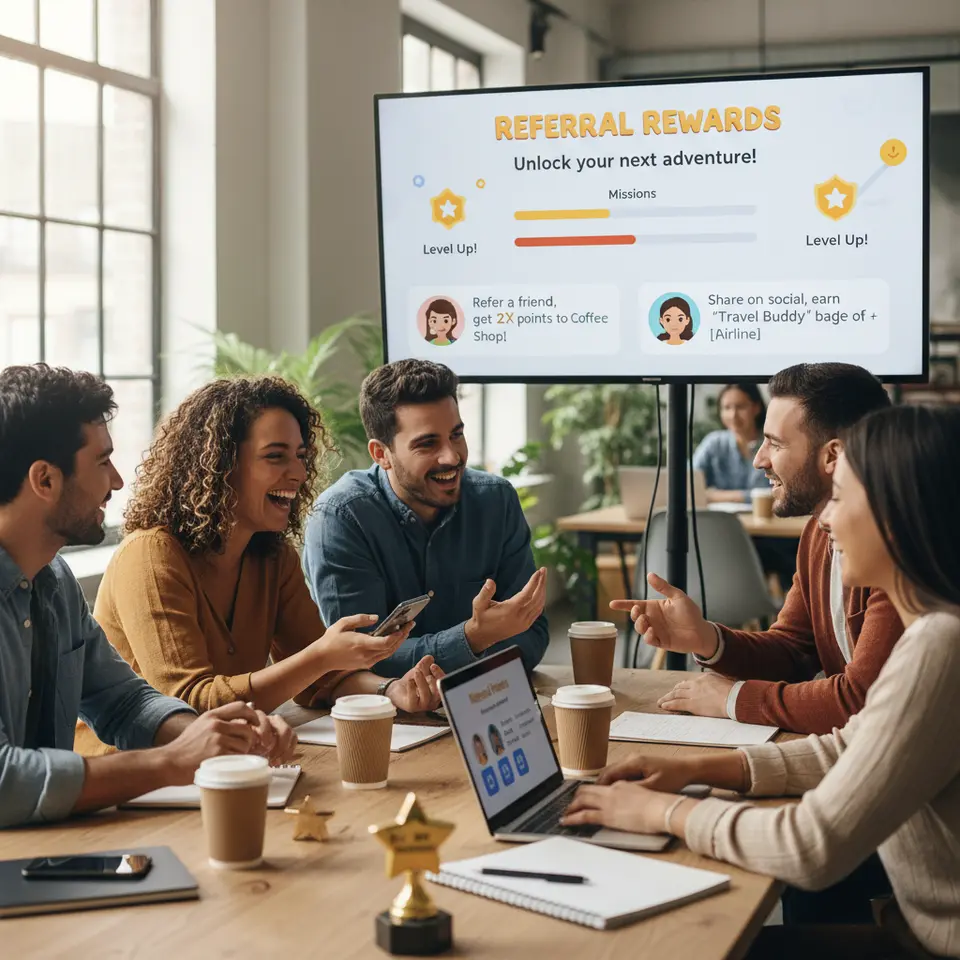
In today’s digital landscape, businesses face fierce competition for consumer attention and loyalty. Word-of-mouth recommendations remain a powerful driver of new customer acquisition, yet traditional referral programs often fail to engage participants meaningfully. By blending personalized incentives and gamification, brands can elevate standard referral campaigns into dynamic experiences that not only spark participation but also foster ongoing loyalty. This hybrid approach leverages data-driven customization and game-like mechanics to tap into customers’ natural motivations—achievement, recognition, and social proof. As a result, brands witness higher referral rates, stronger brand advocacy, and significant return on investment.
Currently, crafting a successful referral program means going beyond static rewards. Customers today expect experiences tailored to their preferences. Meanwhile, gamified elements such as points, badges, and leaderboards add excitement and urgency. When you align these strategies, you create a referral engine that keeps participants motivated from their first referral to their tenth and beyond. In this guide for this year (2026), we will explore foundational concepts, step-by-step implementation techniques, and best practices to help you launch a referral ecosystem powered by personalized incentives and gamification. Whether you’re a startup looking to scale rapidly or an established brand aiming to deepen customer relationships, these actionable insights will set you on the path to referral success.
Why Personalization Is the Heart of Effective Referral Programs
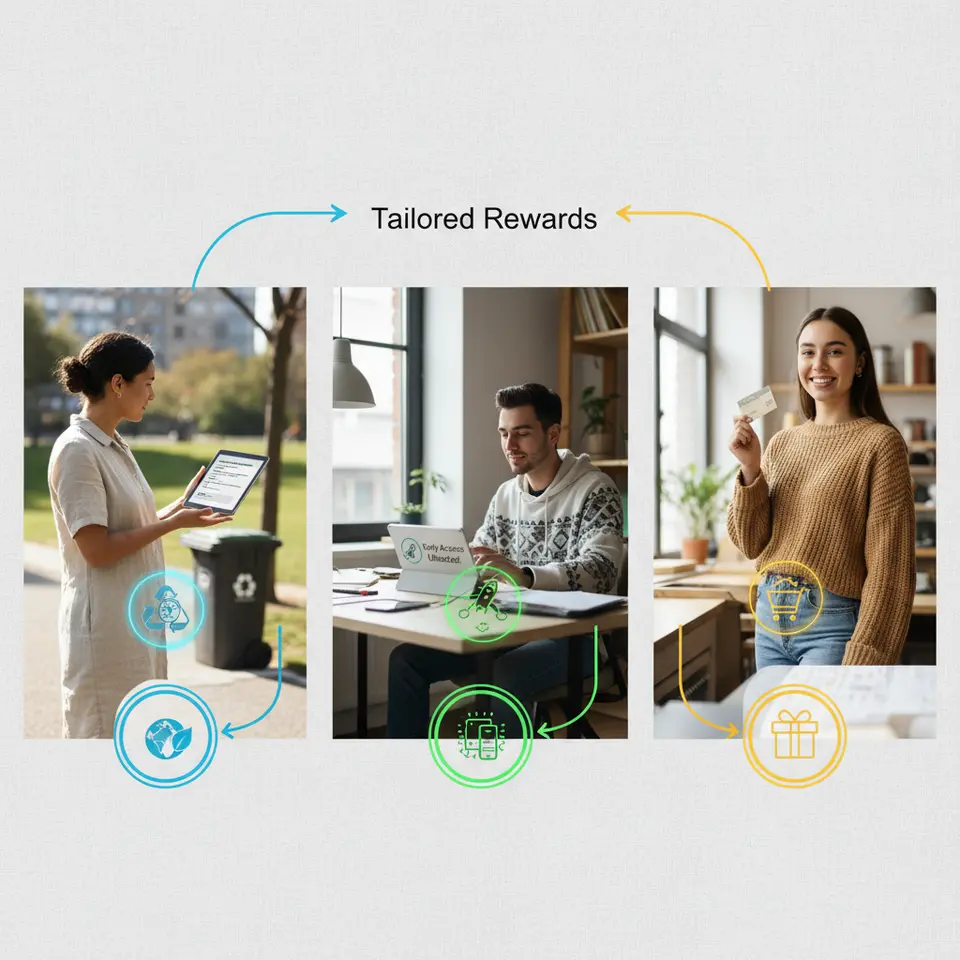
Personalized incentives are more than a trend—they’re a necessity in modern marketing. Customers receive hundreds of promotional messages weekly, making relevance crucial to cut through the noise. By leveraging CRM data, purchase history, and behavioral analytics, brands can tailor rewards that resonate with each individual’s motivations. For instance, a segment of eco-conscious shoppers might prefer charity donations in lieu of discount codes, while tech enthusiasts may value early access to new products. This targeted approach drives higher engagement rates and minimizes wasted incentive spend.
Data from reputable sources like the Harvard Business Review confirms that relevance increases customer responsiveness by up to 30%. When incentives align with personal values and interests, customers feel genuinely appreciated, making them more likely to advocate for a brand. Moreover, personalized messaging fosters emotional connections that extend beyond a single referral. Over time, satisfied participants evolve into brand advocates who return time and again, multiplying the impact of your referral program.
Implementation begins with robust audience segmentation. Use demographic data, purchase frequency, and lifetime value metrics to create clear customer personas. From there, define reward catalogs that cater to each group—for example, exclusive event invitations for top-tier customers and small gift cards for casual buyers. By delivering the right incentive to the right person, you ensure every referral feels meaningful and worthy of the effort.
Designing and Automating Personalized Incentives
Launching a referral program powered by personalized incentives involves meticulous planning and seamless automation. Follow these key steps to ensure your incentives deliver measurable impact:
Segment Your Customer Base
Begin by grouping customers based on purchase patterns, engagement levels, and demographic similarities. A customer relationship management system (CRM) can streamline this process by tracking interactions and generating actionable insights. Effective segmentation should identify high-value advocates, occasional purchasers, and first-time buyers, each warranting unique incentive approaches.
Curate a Reward Catalog
Develop diverse incentive options such as discounts, exclusive experiences, digital goods, or philanthropic contributions. Offering a reward menu empowers participants to select what motivates them most. For example, a music streaming service might include free concert tickets for avid listeners, while a software company could offer premium feature trials for frequent users. This choice-driven model fosters autonomy and increases perceived value.
Automate Reward Delivery
Seamless automation ensures participants receive incentives promptly, maintaining excitement and trust. Integrate your referral platform with email, SMS, or in-app notification systems to trigger instant alerts once referral criteria are met. Automated workflows reduce manual overhead and eliminate delays, leading to higher satisfaction and quicker advocacy.
Implement A/B Testing
Continual optimization is essential. Experiment with different reward types, threshold levels, and messaging to uncover which combinations yield the highest referral conversion rates. Allocate a portion of your budget to testing, and use analytics dashboards to track performance against key metrics like referral rate and cost-per-acquisition.
Monitor and Iterate
Even the best-laid plans require refinement. Establish a feedback loop by surveying participants about their incentive experiences. Analyze referral funnel data regularly to identify drop-off points or underperforming segments. By iterating on your incentive strategy, you can adapt to shifting customer preferences and maintain program vitality throughout this year (2026).
Incorporating Gamification to Drive Engagement

Gamification harnesses innate human desires for challenge, recognition, and accomplishment. When you layer game mechanics on top of personalized incentives, the result is a high-energy referral environment that encourages sustained participation. Below are the most effective gamified elements to consider:
Points Systems and Progress Indicators
Assign points for each referral action and display progress bars toward milestone rewards. Visual cues make achievements tangible and motivate participants to keep referring. For example, a reward might unlock at 100 points, with a progress bar revealing how close a customer is to hitting that target.
Digital Badges and Achievements
Badges recognize milestones such as the first referral, five referrals, or top referrer status. Display these badges in user profiles or shared posts to boost social proof and encourage others to engage. According to research from Stanford University, badge-based recognition can increase user retention by up to 20%.
Leaderboards and Friendly Competition
Showcase top performers weekly or monthly. Leaderboards fuel a competitive atmosphere that incentivizes higher activity levels. Ensure transparency by updating leaderboards in real time and offering small bonus rewards for leaderboard placements.
Time-Bound Challenges
Introduce limited-time quests such as “Refer three friends in two weeks” to unlock bonus prizes. Scarcity and urgency drive immediate action, helping you meet short-term acquisition goals and generate campaign buzz.
Social Sharing Bonuses
Grant extra points or unique badges when participants share referral links on social media platforms. This tactic amplifies your program organically and leverages participants’ networks for greater reach.
Building a Scalable, Hybrid Referral Framework
Creating a robust referral ecosystem requires a strategic blueprint that aligns objectives, customer journeys, and technology infrastructure. Follow this framework to launch and scale a program combining personalized incentives and gamification successfully:
Define Clear Objectives
Establish SMART goals (Specific, Measurable, Achievable, Relevant, Time-bound) to guide your program. Whether you aim to boost new customer acquisition by 15% or reduce cost-per-acquisition, having precise targets ensures alignment across teams.
Map Referral Touchpoints
Identify every interaction where referrals can be prompted. From onboarding emails and mobile push notifications to post-purchase thank-you pages, each touchpoint should feature a compelling call-to-action. Simplify the referral flow with clear instructions and minimal friction.
Choose the Right Technology Stack
Select a referral platform or build custom workflows that support dynamic segmentation, real-time tracking, and gamification features. Integration with your CRM, email service, and analytics tools ensures seamless data flow and accurate performance measurement.
Craft Engaging Creative Assets
Design eye-catching visuals, intuitive dashboards, and localized copy that explains how the program works. Highlight both referrer and referee benefits to drive dual-sided engagement. Short tutorial videos or interactive walkthroughs can further enhance clarity.
Launch Pilot and Collect Insights
Initiate a pilot campaign with a select customer segment. Monitor referral rate, conversion rate of referred prospects, and average incentive cost per acquisition. Solicit qualitative feedback through in-app surveys or follow-up emails to capture user sentiment and improvement ideas.
Optimize and Scale Broadly
Analyze pilot results to fine-tune reward tiers, gamification mechanics, and messaging. Once validated, expand the program to your full audience across channels such as email, SMS, social media, and in-app notifications. Maintain a cycle of continuous optimization to adapt to evolving customer behaviors.
Best Practices and Measurement Metrics
To maximize the impact of your referral initiative, adhere to these best practices and track critical performance indicators:
Simplicity Is Key
Avoid overly complex reward structures. Limit tiers to three or four levels and keep qualifying criteria transparent. Clear, concise rules reduce participant confusion and abandonment.
Leverage Social Proof
Highlight top referrers, share real-time referral counters, and showcase success stories. Social validation encourages others to join the program, amplifying reach organically.
Integrate Fraud Prevention
Implement verification measures such as email or phone validation, IP address tracking, and referral link checks to safeguard program integrity and protect incentive budgets.
Combine with Loyalty Programs
Merge referral rewards with your broader loyalty ecosystem to create a unified points economy. This integration enhances perceived value and encourages repeat engagement across multiple touchpoints.
Monitor Key Metrics
- Referral Rate: Percentage of customers who send at least one referral.
- Referral Conversion Rate: Ratio of referred prospects who convert to paying customers.
- Average Incentive Cost per Acquisition: Total rewards distributed divided by new customers acquired through referrals.
- Program ROI: Revenue generated from referrals versus total costs including incentives and platform fees.
- Engagement Over Time: Trends in referral activity, repeat referrers, and active leaderboard participants.
By consistently tracking these metrics, you gain actionable insights to optimize program performance and justify continued investment.
Frequently Asked Questions
Q: What types of personalized incentives are most effective?
A: Incentives that align with customer values—such as charity donations for philanthropic audiences or early product access for tech enthusiasts—tend to drive the highest engagement and referral rates.
Q: How does gamification boost referral engagement?
A: Gamification introduces elements like points, badges, and leaderboards, which tap into motivations for achievement and recognition. This creates an engaging experience that encourages participants to continue referring over time.
Q: Which metrics should I focus on to measure program success?
A: Key metrics include referral rate, referral conversion rate, average incentive cost per acquisition, program ROI, and engagement trends (repeat referrers and active leaderboard participants).
Conclusion
In today’s competitive environment, referral marketing powered by personalized incentives and gamification offers a compelling path to sustainable growth. By tailoring rewards to individual preferences and layering in engaging game mechanics, you create a referral experience that captivates participants and turns customers into enthusiastic brand advocates. Start by defining clear objectives, mapping referral touchpoints, and selecting the right technology stack. Pilot your program, gather feedback, and optimize relentlessly. Over time, you’ll build a scalable, high-performance referral engine that drives acquisition, boosts loyalty, and delivers impressive ROI.
Ready to transform your referral efforts? Implement these strategies today and watch as personalized incentives and gamification propel your customer advocacy to new heights in this year (2026). Your most loyal customers are eager to share their enthusiasm—make it easy, rewarding, and fun, and they’ll reward you with lasting growth.