Referral marketing isn’t just “word-of-mouth”; it’s a scalable, measurable, and highly effective method to generate high-quality leads, improve customer loyalty, and maximize return on investment. In this guide, we’ll explore why referral programs work, how to implement them successfully, the tools that make them efficient, and inspiring real-world examples to fuel your strategy.
What is Referral Marketing?
Referral marketing is a powerful growth strategy where existing customers recommend your business to friends, family, or colleagues. These recommendations help you gain high-quality leads, increase sales, and build brand trust at a lower cost than traditional advertising.
Referral marketing works because people trust recommendations from real people more than ads or promotions.
Why Referral Marketing is Important for Business Growth
Referral marketing offers several benefits for businesses:
1. Builds Trust and Credibility
People are more likely to buy from a brand recommended by someone they know. Referrals create instant trust and social proof.
2. Cost-Effective Customer Acquisition
Referral programs reduce marketing costs since customers promote your business for you. This makes it one of the highest ROI marketing channels.
3. Increases Customer Lifetime Value
Referred customers tend to stay longer, spend more, and become loyal advocates, boosting long-term business revenue.
4. Drives Organic Business Growth
Referral marketing creates a viral growth effect, where each customer brings in more customers.
How to Design a High-Converting Referral Marketing Strategy
A successful referral marketing strategy starts with understanding your audience and aligning rewards with customer motivation.
Steps to Build a Winning Strategy
- Identify Your Best Customers – Target loyal users who already love your brand.
- Define Clear Goals – Decide whether your focus is brand awareness, revenue, or customer acquisition.
- Choose the Right Incentive Model – Double-sided rewards often perform best.
- Select Referral Channels – Email, social media, SMS, and in-app sharing.
- Automate Tracking & Rewards – Use referral software to scale efficiently.
Psychological Triggers Behind Referral Marketing Success
Referral marketing works because it taps into human psychology.
Key Psychological Drivers
- Trust & Social Proof – People trust friends more than brands.
- Reciprocity – Customers feel good when rewarded for helping others.
- Belonging – Referral programs create a community effect.
- Gamification – Leaderboards and tiers encourage competition and sharing.
Referral Marketing Funnel: From Advocate to Customer
Referral Funnel Stages
- Advocate Awareness – Customers learn about the referral program
- Referral Action – They share links or codes
- Referral Click – Friends visit your website
- Conversion – New customers make purchases
- Reward & Retention – Both parties receive incentives
Optimizing each stage improves ROI dramatically.
Referral Marketing vs Affiliate Marketing (Key Differences)
| Feature | Referral Marketing | Affiliate Marketing |
|---|---|---|
| Who promotes | Existing customers | Bloggers, publishers, partners |
| Incentives | Rewards or discounts | Commission-based |
| Trust level | Very high | Moderate |
| Cost | Low | Medium to high |
| Goal | Customer acquisition & loyalty | Sales-driven performance |
Best Practices for Scaling Referral Marketing Programs
Proven Tips
- Use double-sided rewards (referrer + referee)
- Keep the referral process 1-click simple
- Offer tiered rewards for multiple referrals
- Promote across the website, email, and social media
- Personalize referral messages using AI tools
- A/B test incentives to find the highest-performing reward
The Power of Referral Marketing
- Trust-Driven Growth
Referral marketing is powered by trust. People are far more likely to buy from a brand recommended by someone they know, making referrals more persuasive than traditional ads. - Higher Conversion Rates
Referred leads convert faster and at higher rates because they already have social proof and confidence in the brand. - Lower Customer Acquisition Cost (CAC)
Compared to paid ads, PPC, and influencer campaigns, referral marketing significantly reduces acquisition costs while delivering qualified leads. - Improved Customer Loyalty and Retention
Customers who participate in referral programs feel more connected to the brand and are more likely to stay long-term and make repeat purchases. - Viral Growth Effect
One satisfied customer can bring multiple new customers, creating a compounding growth loop that scales organically over time. - High Lifetime Value (LTV)
Referred customers often spend more and stay longer than non-referred customers, increasing overall revenue per user. - Authentic Brand Advocacy
Referral programs transform happy customers into brand ambassadors who genuinely promote your business without aggressive marketing. - Scalable and Automated Marketing Channel
Once set up with referral tools and automation, the system can run continuously with minimal manual effort. - Strong Social Proof for Brand Reputation
Positive referrals strengthen brand credibility and enhance your reputation in the market. - Data-Driven and Measurable Results
Referral programs can be tracked with analytics, allowing businesses to optimize campaigns and measure ROI accurately.
The Upside of Having Referral Programs Milestones
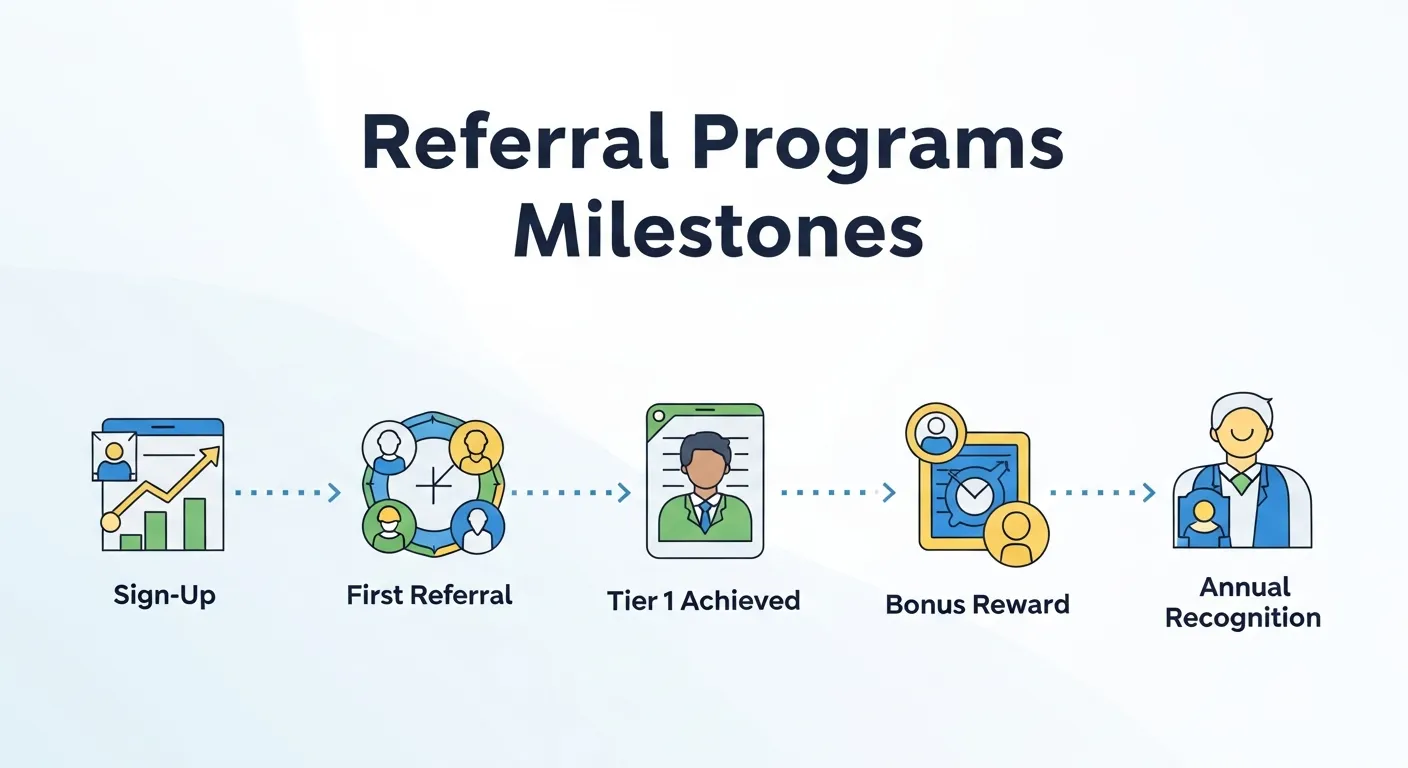
While there are numerous other advantages of such programs, the following are a few milestones along with the benefits they have or offer for setting up referral programs:
- Cost-Effectiveness
Referral programs tend to offer a higher ROI when compared to paid social ads, or even PPC, and other marketing strategies. You’re using customers to qualify new leads and lowering the cost of acquisition. - High-Quality Leads
It typically leads to referred customers trusting your brand more and converting faster. They also usually present a higher lifetime value (LTV). - Improved Customer Loyalty & Customer Retention
Reward programs encourage your existing customers to remain loyal to your brand so that they can reap the benefits of referrals. Focusing on customer retention ensures that your most satisfied customers continue to return, while also motivating them to refer others. - Scalability
Once things are configured, referral marketing can largely operate on its own, expanding as your customer base does.
Elements of an Effective Referral Program
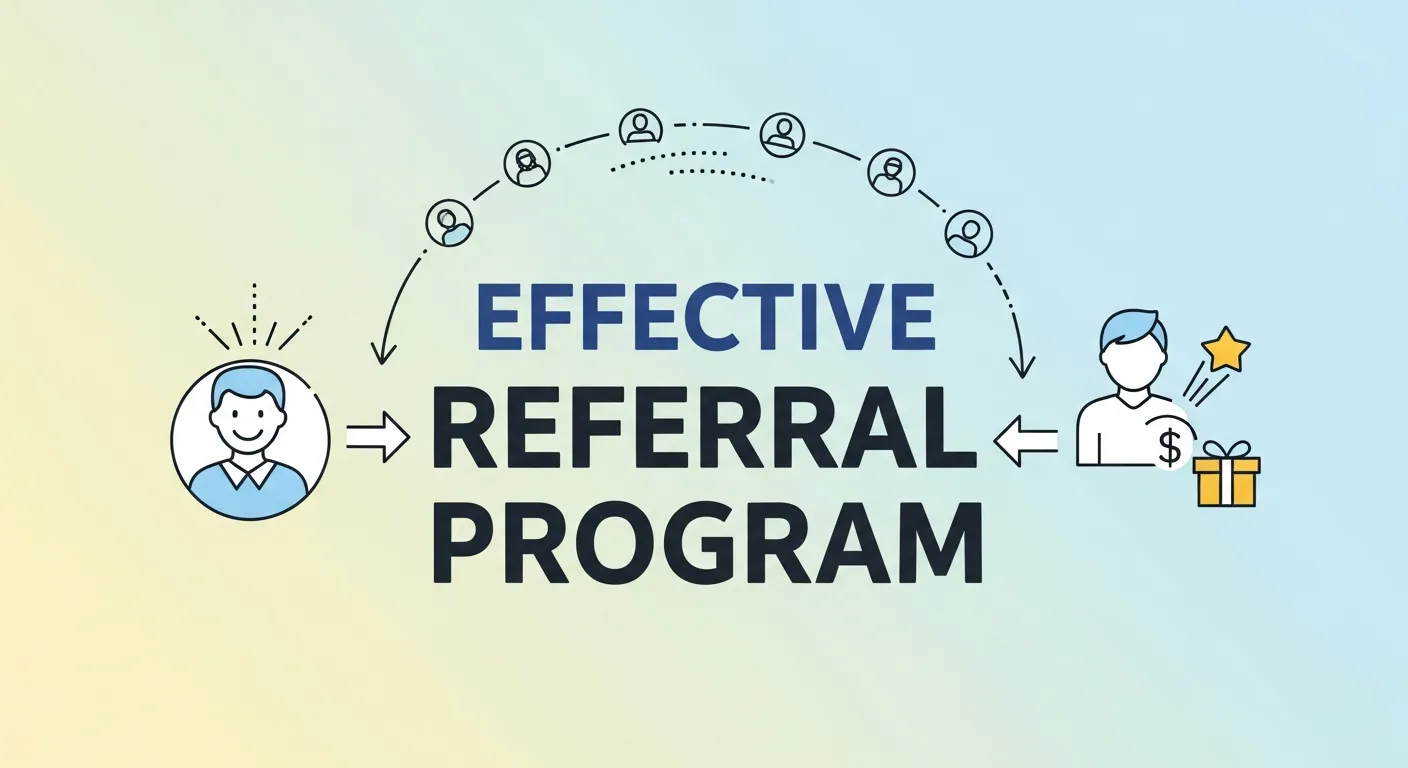
All referral programs are not equal. There are a few crucial ingredients that make commerce more likely to succeed:
- Irresistible Incentives
Provide an incentive that is valuable to the referrer and the referee. That could be discounts, freebies, or access to something special. - Clear Communication
Give clear directions on how members can refer others and choose options for rewards. - User-Friendly Systems
Foster tools or products that help customers share referral links via email, social media, or text message. - Timely Payouts
Give rewards quickly to establish trust and satisfaction. - Brand Advocacy
Unleash advocates by giving them an emotional link to your brand. Custom referral codes, for instance, provide an identity.
Types of Referral Program Campaign Concept
Referral program types can be customized and fine-tuned for your business, goals, and audience:
- Customer Referral Programs
Motivate your current clients to bring friends to you for a discount, cashback, or a one-of-a-kind item.
Example: Dropbox skyrocketed with a program to give free storage for every friend who signed up. - Influencer-Based Referrals
Find content bloggers or social influencers who will promote your product to their readers or followers for a cut of the profits or a brand partnership. - Employee Referral Programs
Leverage your staff referrals for new hires or clients and incentivize them for every referral. - Referral of a Partner or Affiliate
Partner with the businesses of adjacent industries and promote each other’s services with referrals tracked and incentives shared.
Referral Marketing Tools and Technologies
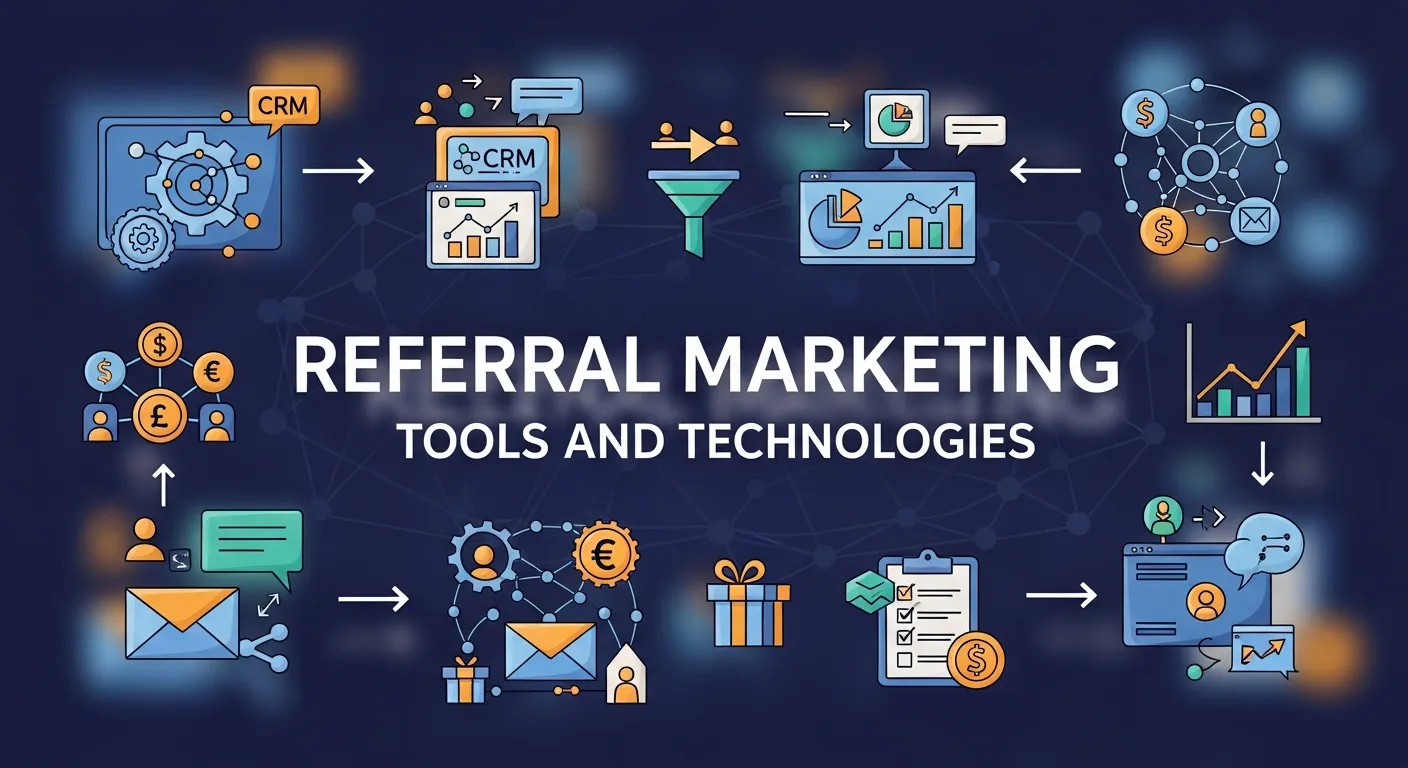
Streamline referrals with these tools:
- ReferralCandy
- Smile.io – Best for E-commerce Brands: With this tool, you can craft custom referral incentives and monitor the performance in real time.
- Friendbuy – A business-friendly app to get more customers by having your sales team and affiliate partners include warranty registrations at the point of sale.
- Yotpo – Awesome for UGC next to your referral program to add credibility.
- Post Affiliate Pro – Great when you want something more for an affiliate or partner program with tracking and custom commissions.
How Do You Measure the Success of Your Referral Program?
To make sure your referral program is landing the bullseye, monitor and analyze these critical metrics:
- Referral Rate: The number of people who tell their friends.
- CAC: Compare CAC in your referral channel with other channels.
- Conversion Rate: The percentage of leads that convert into actual customers.
- LTV: Calculate whether referred customers spend more / remain longer compared to non-referred.
Common Mistakes to Avoid
A well-designed program can fall short if you are not careful. Avoid these pitfalls:
- Overcomplicating the Process
A program that is difficult to understand will discourage participation. Keep it simple! - Underwhelming Incentives
The quickest way to waste time and effort is to provide rewards that no one wants. Always make your freebie seem valuable! - Lack of Promotion
“Unless you try to promote it, your referral program is not going to go anywhere” without featuring it in your emails, on your site, and on social.
Real-World Case Studies We Admire
- Uber
The rise of Uber in its early days can be attributed in large part to its referral strategy – giving ride credits to both the referrer and the referee. It was an easy-to-use and beneficial program. - Airbnb
The referral program of Airbnb helped you and your friends gain travel credits. This success-driven model led to high levels of user adoption and created an incentive for broad sharing. - Tesla
Tesla had a multi-tiered referral system with increasing rewards — including exclusive prizes such as invites to new product launches, and for top referrers, promotional free cars.
Text Style Future of Referral Marketing
Referral marketing is changing with new technology and customer trends. Keep an eye out for:
- AI-Driven Personalization
AI tools will also enable the provision of hyper-personalized incentives specific to customer needs. - Influencer Micro-Networks
Smaller, niche communities have more and more control over purchase decisions, and are therefore perfect for referral marketing. - Blockchain Transparency
Secure and fraud-free reference tracking with Blockchain technology.
Referral Marketing Is the Key to Unlocking Business Growth
Referral marketing has become one of the most powerful and sustainable growth strategies for modern businesses. Unlike traditional advertising, which often requires high budgets and ongoing spend, referral marketing leverages the trust and influence of existing customers to attract new ones. When satisfied customers recommend a product or service, their friends and peers are more likely to convert because the recommendation feels authentic and credible.
By implementing a structured referral program with attractive incentives, businesses can significantly reduce customer acquisition costs while increasing conversion rates. Referred customers typically have a higher lifetime value, stronger brand loyalty, and a greater likelihood of making repeat purchases. This creates a compounding growth loop where happy customers continuously bring in new customers.
Additionally, referral marketing is highly measurable and scalable. With modern referral tools and analytics platforms, businesses can track performance, optimize incentives, and automate reward distribution. As technology advances, AI-driven personalization and digital referral platforms will make these programs even more effective. Ultimately, referral marketing is not just a marketing tactic—it is a long-term growth engine that builds trust, drives revenue, and strengthens customer relationships.
Conclusion
Referral marketing is a powerful, cost-effective strategy that helps businesses grow through trusted customer recommendations. By turning satisfied customers into brand advocates, companies can generate high-quality leads, increase conversions, and build long-term loyalty. With the right incentives, clear communication, and automated tools, referral programs can scale efficiently and deliver measurable ROI. Tracking key metrics like referral rate, conversion rate, and lifetime value ensures continuous optimization and sustainable growth. In today’s competitive market, implementing a strong referral marketing program is not just an option—it’s a strategic advantage for driving consistent and profitable business growth.
FAQ: Referral Marketing Solutions for Business Growth
1. What is referral marketing?
Referral marketing is a strategy where businesses encourage existing customers to recommend their products or services to friends, family, or peers, often using incentives like discounts, rewards, or loyalty points.
2. Why is referral marketing effective for business growth?
It leverages trust—people are more likely to try a product or service recommended by someone they know. This results in higher-quality leads, better conversion rates, and improved customer retention.
3. What are the benefits of implementing a referral program?
- Cost-effective customer acquisition
- Higher-quality leads
- Increased customer retention and loyalty
- Scalability with minimal ongoing effort
4. What types of referral programs exist?
- Customer Referral Programs: Reward customers for bringing in new clients.
- Influencer-Based Referrals: Partner with influencers to reach new audiences.
- Employee Referral Programs: Encourage staff to refer clients or hires.
- Partner or Affiliate Referrals: Collaborate with other businesses for mutual referrals.
5. What incentives work best in referral marketing?
- Discounts on future purchases
- Free products or branded items
- Cashback or gift cards
- Points in loyalty programs
6. How can I promote my referral program?
- Social media campaigns (posts, Stories, reels)
- Personalized email invitations with referral links
- Feature prominently on your website
- Collaborate with influencers or partners
7. Which metrics should I track to measure success?
- Referral Rate: Percentage of customers referring others
- Conversion Rate: Percentage of referrals who become customers
- LTV (Lifetime Value) of referred customers
- Customer retention rates
- Revenue growth from referral programs
8. Are digital tools necessary for referral programs?
Yes. Tools like ReferralCandy, Friendbuy, Smile.io, and Yotpo automate tracking, reward management, and analytics, making it easier to scale programs efficiently.
9. How quickly can a referral program show results?
Results vary depending on your audience and incentives, but consistent tracking and optimization can lead to steady growth and increased customer retention over time.
10. How can small businesses start referral marketing with a low budget?
Small businesses can start referral marketing with minimal investment by using simple tools like shareable referral links, discount codes, or manual tracking systems. Offering non-monetary rewards such as exclusive access, loyalty points, or free trials can also be effective. Promoting the program through email, social media, and website banners helps generate referrals without high advertising costs.
Learn more about: B2B vs B2C Referral Marketing: Key Differences in Approach