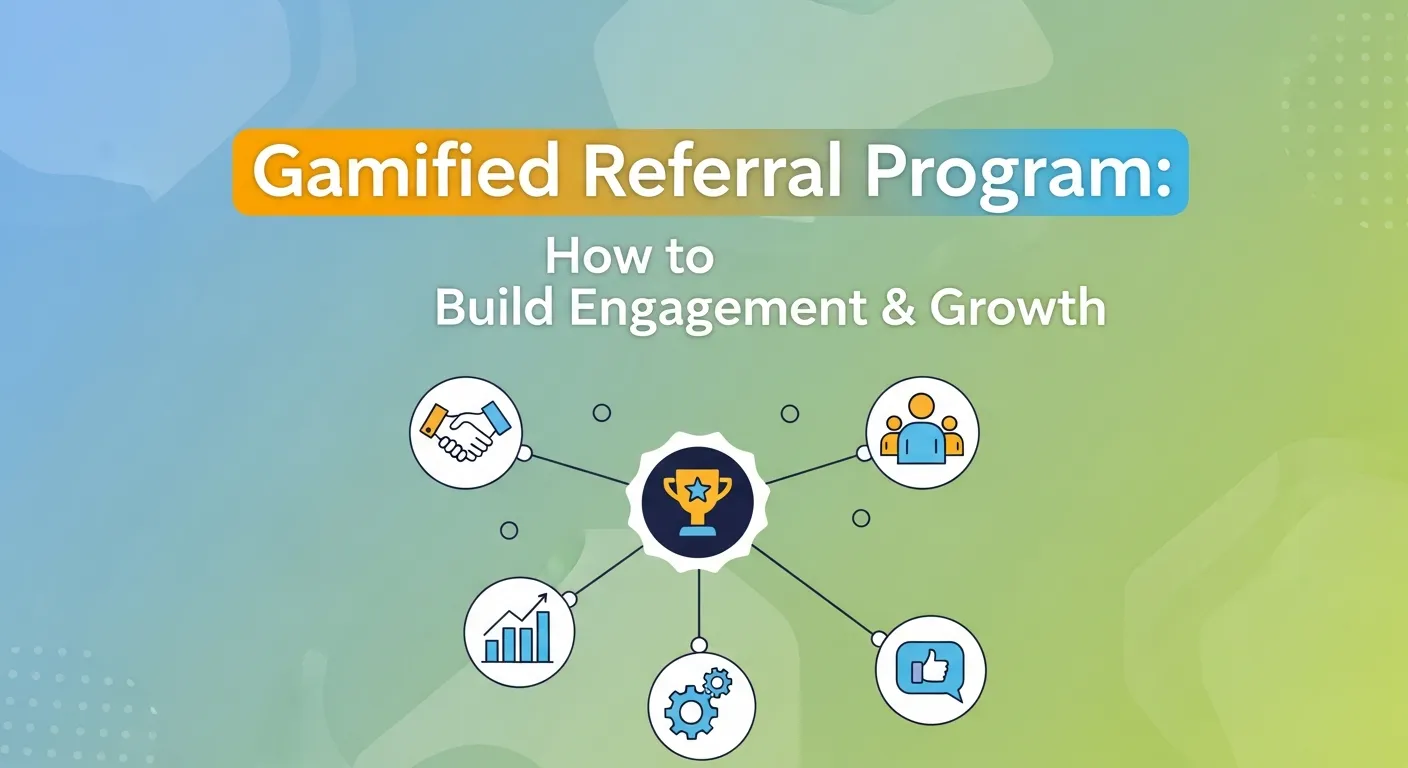
Gamified referral programs use points, tiers, challenges, and rewards to motivate customers to share brands. They increase engagement, conversions, and retention while lowering acquisition costs, creating scalable, community-driven growth through psychology-driven incentives and continuous optimization.
Referral marketing is powerful, but gamification makes it irresistible. A gamified referral program uses points, tiers, challenges, and leaderboards to turn customers into enthusiastic advocates who actively promote your brand. Instead of passive sharing, users compete, unlock rewards, and track progress, creating ongoing engagement and viral growth. In this guide, you’ll learn how gamified referrals work, key mechanics to use, step-by-step implementation strategies, real-world examples, and best practices to maximize conversions, retention, and ROI. Whether you run SaaS, eCommerce, or local businesses, this framework will help you design a scalable, data-driven referral engine that drives growth and loyal brand communities.
What Is a Gamified Referral Program?
A gamified referral program applies game mechanics—like points, rewards, levels, challenges, and leaderboards—to motivate customers to refer others. Instead of a simple “refer and earn” model, gamification makes referrals engaging, competitive, and fun.
Definition of Gamification in Referral Marketing
Gamification in referral marketing is the use of game-like elements to encourage customers to share a brand with their network. These elements trigger motivation, competition, and achievement psychology, increasing participation and repeat referrals.
Common gamification elements include:
- Points and scoring systems
- Badges and achievements
- Leaderboards and rankings
- Levels or tiers (Bronze, Silver, Gold, VIP)
- Challenges and milestones
- Instant rewards and progress tracking
The goal is to transform passive customers into active brand advocates.
How It Differs from Traditional Referral Programs
Traditional referral programs typically offer a simple incentive—such as a discount or cash reward—when a referral converts. While effective, they often lack ongoing engagement.
Gamified referral programs, on the other hand:
- Encourage continuous participation, not just one-time referrals
- Add competition and social recognition
- Use progress tracking and milestones to motivate repeat actions
- Provide non-monetary rewards like badges, VIP status, or exclusive perks
- Create a fun, interactive experience instead of a transactional one
In short, traditional programs reward referrals, while gamified programs motivate behavior over time.
Benefits for Businesses and Customers
Benefits for Businesses
- Higher referral participation rates due to engaging mechanics
- Increased customer lifetime value (CLV) from repeat engagement
- Lower customer acquisition costs (CAC) compared to paid ads
- Stronger brand loyalty and community building
- Actionable insights from gamification analytics (leaderboards, activity tracking)
Benefits for Customers
- Fun and interactive experience instead of boring sharing tasks
- Recognition and status rewards (badges, VIP tiers, public rankings)
- More opportunities to earn rewards through challenges and milestones
- A sense of achievement and competition that keeps them engaged
Why Gamification Works in Referral Marketing
Gamification works because it taps into human psychology and behavioral motivation. By turning referrals into a game-like experience, brands can drive more participation, stronger engagement, and sustainable growth.
Psychological Triggers: Competition, Rewards, and Progress
Gamified referral programs leverage core psychological drivers that influence human behavior:
- Competition: Leaderboards, rankings, and challenges trigger the desire to outperform others, motivating users to share more referrals.
- Rewards: Points, discounts, cashback, and exclusive perks activate reward-seeking behavior, making users feel their effort is valuable.
- Progress: Progress bars, levels, and milestones create a sense of achievement, encouraging users to continue participating to reach the next goal.
These triggers create intrinsic motivation, making referrals feel exciting rather than promotional.
Increased Customer Engagement
Gamification transforms passive customers into active participants. Instead of sharing a referral link once, users repeatedly engage with the program to earn points, unlock badges, or climb leaderboards.
This results in:
- More frequent brand interactions
- Higher social sharing activity
- Stronger emotional connection with the brand
Engaged customers are more likely to advocate for your brand organically.
Higher Referral Conversion Rates
Gamified referral programs typically outperform traditional referral campaigns because:
- Referrals feel personal and fun, not sales-driven
- Incentives are structured to reward quality referrals
- Social proof from rankings and achievements builds trust
As a result, referred users are more likely to convert into paying customers, leading to better lead quality and higher conversion rates.
Long-Term Customer Retention
Gamification fosters ongoing participation instead of one-time actions. Tiered rewards, VIP levels, and ongoing challenges keep users engaged over time, increasing customer loyalty and lifetime value.
Key retention benefits include:
- Repeat purchases driven by loyalty tiers
- Stronger brand community and advocacy
- Reduced churn due to emotional and reward-based attachment
Key Game Mechanics for Referral Programs
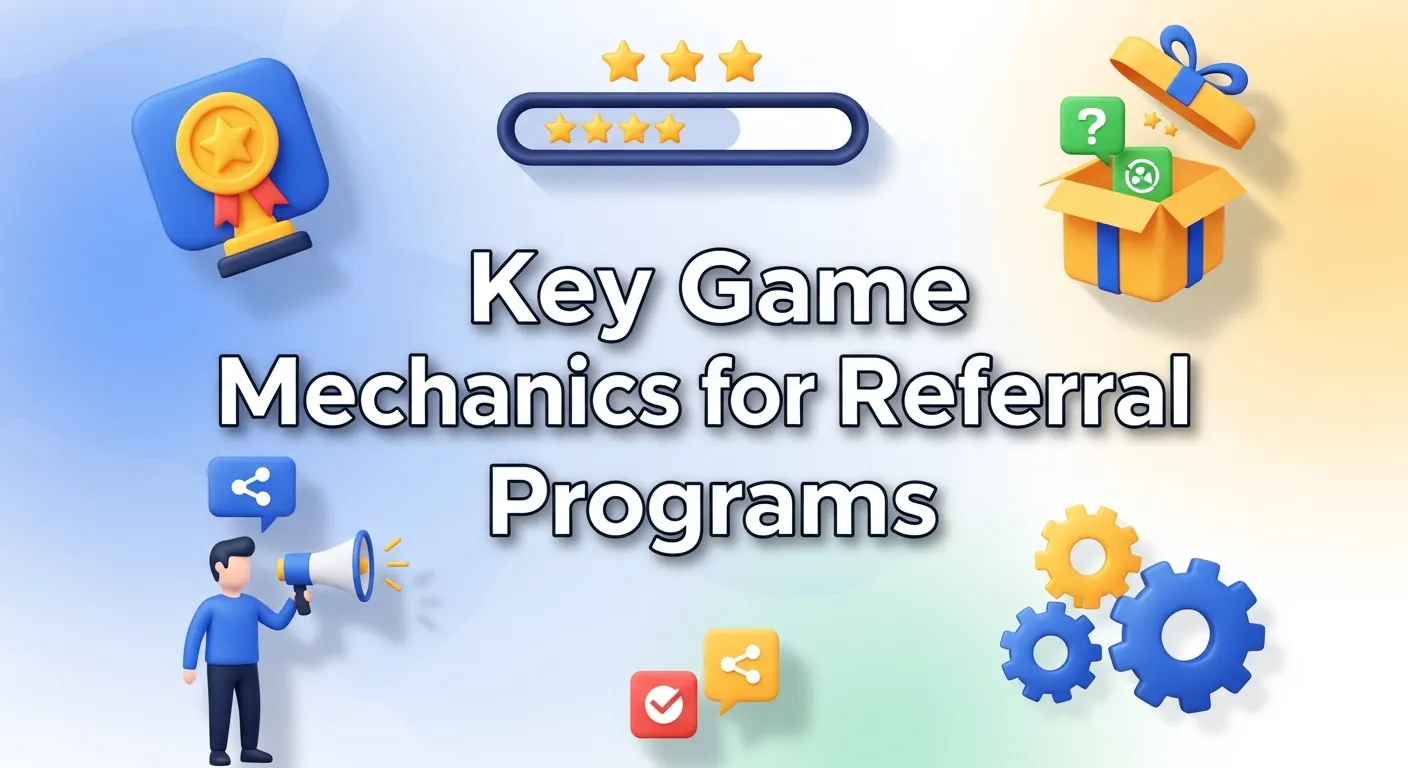
Not all game mechanics suit every brand. The most effective ones for referral marketing include:
- Points and Scoring: Award points for actions like each successful referral, social share, or product review. Points are straightforward, scalable, and act as a currency that customers can accumulate toward rewards.
- Badges and Achievements: Create badges for milestones—first referral, five successful referrals, or ambassador status. These digital trophies provide recognition and a lasting symbol of status within your community.
- Leaderboards: Display top referrers publicly or within private user dashboards. Leaderboards spark healthy competition and motivate customers to climb the rankings for social recognition.
- Progress Bars and Levels: Visual progress indicators show users how close they are to the next reward tier. Levels create long-term engagement by unlocking new benefits as customers advance.
- Challenges and Quests: Offer time-bound or themed tasks, such as referring three friends during a product launch week. Quests add variety, urgency, and a sense of adventure to your program.
By combining these mechanics thoughtfully, you can craft a layered and dynamic referral experience that keeps customers coming back for more.
Step-by-Step Guide to Building a Gamified Referral Program
Creating a gamified referral program requires strategic planning, the right mechanics, and continuous optimization. Follow this step-by-step framework to build a high-performing referral engine that drives engagement, conversions, and long-term growth.
Step 1 – Define Goals and Audience
Before designing gamification elements, clearly define what you want to achieve and who you want to motivate.
Referral Goals
Identify your primary referral objectives, such as:
- Signups: Increase new user registrations or app downloads
- Sales: Drive purchases or subscriptions
- Traffic: Boost website visits and brand awareness
- Engagement: Encourage users to share content and interact with your brand
Your goals will determine the reward structure and mechanics you choose.
Target Customer Behavior
Define the actions you want customers to take, such as:
- Sharing referral links
- Inviting friends via email or social media
- Completing challenges or milestones
- Making repeat purchases
Understanding behavior helps you design a gamified system that aligns with real user motivations.
Step 2 – Choose Gamification Mechanics
Gamification mechanics are the core elements that make your referral program engaging and addictive.
Popular Gamification Elements
- Points: Reward users for each referral action
- Tiers or Levels: Bronze, Silver, Gold, VIP tiers to reward top advocates
- Leaderboards: Rank users publicly to encourage competition
- Badges and Achievements: Visual recognition for milestones
- Challenges and Missions: Time-based tasks (e.g., “Refer 5 friends this week”)
Choose mechanics that match your brand personality and customer psychology.
Step 3 – Design Reward Structures
Rewards are the primary motivator in any referral program. The key is balancing cost with perceived value.
Monetary vs Non-Monetary Rewards
Monetary rewards:
- Cash bonuses
- Discounts or coupons
- Store credits or cashback
Non-monetary rewards:
- Exclusive access or VIP perks
- Free features or upgrades
- Merchandise, swag, or recognition badges
- Early access to new products
Combining both types increases motivation while controlling costs.
Budget Planning
- Set a cost-per-acquisition (CPA) limit for referrals
- Calculate reward ROI compared to paid advertising
- Use tiered rewards to scale incentives without overspending
A well-planned reward budget ensures sustainable growth.
Step 4 – Select Referral Software or Tools
You can build a gamified referral program using existing tools or custom development.
SaaS Tools vs Custom-Built Solutions
SaaS Referral Tools:
- Faster setup and lower cost
- Built-in tracking, dashboards, and automation
- Ideal for startups and SMEs
Custom-Built Solutions:
- Full control over gamification design and UX
- Integration with internal systems and CRM
- Better for enterprise-level scalability and branding
Choose based on your budget, technical resources, and scalability needs.
Step 5 – Promote Your Gamified Referral Program
Even the best referral program fails without visibility. Promote it across multiple touchpoints.
Effective Promotion Channels
- Email campaigns: Announce rewards, challenges, and milestones
- Social media: Encourage sharing and showcase leaderboard winners
- In-app notifications: Trigger prompts when users complete actions
- Website banners and pop-ups: Highlight referral rewards prominently
Consistent promotion ensures maximum participation.
Step 6 – Track Performance and Optimize
Measurement and optimization are critical for long-term success.
Key KPIs to Track
- Referral participation rate
- Number of referrals per user
- Referral conversion rate
- Customer acquisition cost (CAC)
- Lifetime value (LTV) of referred customers
- Engagement metrics (points earned, challenges completed)
Analytics and A/B Testing
- Test different rewards, mechanics, and messaging
- Optimize referral CTAs and sharing channels
- Experiment with leaderboard visibility and tier thresholds
Continuous optimization helps you scale referrals while improving ROI.
How to Design a Gamified Referral Program
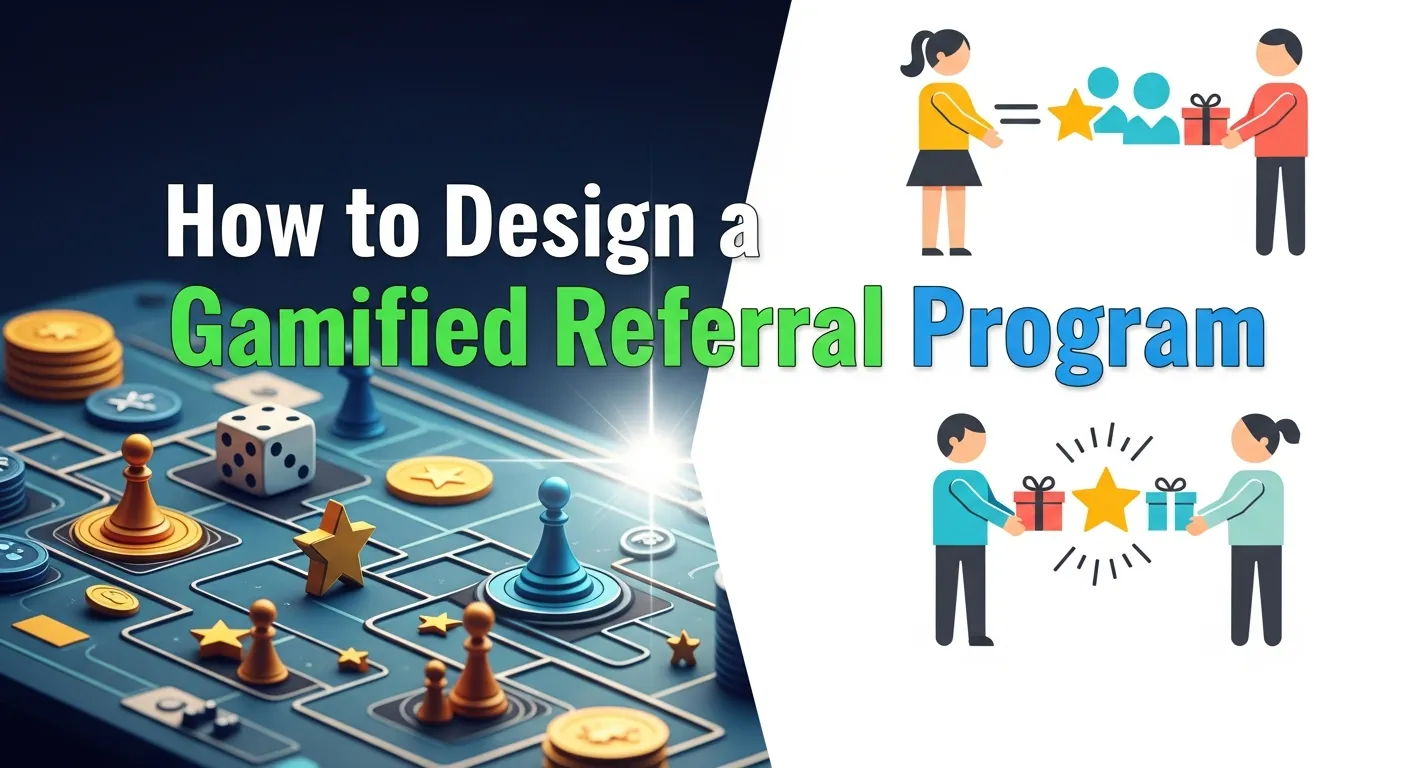
Local businesses can particularly benefit from gamification by creating engaging, community-driven referral experiences. When designing gamified referral initiatives, consider the specific interests and behaviors of your neighborhood audience. Tailoring mechanics such as points, badges, and local-themed challenges can make your program more relatable and exciting. This approach is especially effective for referral programs for local businesses, where personal connections and word-of-mouth are strong drivers of customer acquisition.
- Set Clear Objectives: Define what you want to achieve—acquire new customers, increase product adoption, or boost brand advocacy. Each objective should map to specific game mechanics and reward structures.
- Choose Resonant Rewards: Select incentives that align with your audience’s interests and your brand values. Consider tiered rewards such as discounts, exclusive content, early access, or charitable donations on their behalf.
- Balance Challenge and Accessibility: Ensure tasks are engaging but not overwhelming. Provide low-effort entry points alongside long-term goals to cater to both casual and highly motivated users.
- Integrate Seamlessly: Embed gamification elements into the user journey—website dashboards, mobile apps, or email notifications. Consistency across touchpoints maintains momentum and reduces friction.
- Personalize Experiences: Use data from your CRM or referral software to tailor challenges, reward tiers, and communications based on user behavior and preferences.
- Launch and Promote: Introduce your gamified program with a kickoff campaign. Use email, social media, and in-app messages to highlight mechanics, showcase top referrers, and explain rewards.
Best Practices for Sustained Engagement
- Keep It Simple: Avoid overly complex rules. A straightforward point system or a single leaderboard can be more effective than layered mechanics that no one understands.
- Communicate Progress: Send regular updates on point balances, rank changes, and upcoming challenges to maintain excitement and visibility.
- Leverage Social Sharing: Encourage users to broadcast achievements on social platforms. Built-in share buttons and auto-generated graphics increase reach and credibility.
- Offer Tiered Rewards: Provide increasingly valuable incentives as users reach higher levels. Tiered structures sustain long-term motivation and encourage repeat engagement.
- Ensure Fairness and Transparency: Clearly communicate rules, eligibility, and reward fulfillment. Transparency builds trust and prevents disputes or perceived favoritism.
Examples of Successful Gamified Referral Programs
Many of today’s fastest-growing companies have used gamified referral programs to achieve viral growth. By combining incentives, progress tracking, and social sharing, these brands turned customers into powerful acquisition channels.
Dropbox Referral Rewards
Dropbox is one of the most famous examples of gamified referral marketing success.
How It Worked
- Users earned free storage space for every successful referral
- Both the referrer and the referred user received rewards (double-sided incentives)
- A progress bar showed how much storage users had earned and how much more they could unlock
Gamification Elements Used
- Progress tracking
- Rewards for milestones
- Viral sharing loop
Results
- Grew from 100,000 to 4 million users in 15 months
- Around 35% of daily signups came from referrals
- Customer acquisition costs dropped significantly compared to paid ads
Why it worked: Dropbox made referrals feel like a game—users wanted to “max out” their free storage, triggering repeated sharing.
Airbnb Referral Credits
Airbnb built one of the most effective referral programs in the travel industry.
How It Worked
- Users earned travel credits for inviting friends
- Credits were unlocked only when the referred user completed a booking
- Visual dashboards tracked referral progress and earnings
Gamification Elements Used
- Monetary rewards (travel credits)
- Milestones and progress dashboards
- Social sharing incentives
Results
- Referral programs contributed significantly to Airbnb’s global user growth
- Referred users showed higher trust and conversion rates compared to paid traffic
Why it worked: Airbnb aligned rewards with user intent—free travel credits are highly motivating and contextually relevant.
SaaS and eCommerce Gamification Examples
Gamified referral programs are widely used across SaaS, fintech, and e-commerce industries.
SaaS Example: Trello & Notion-Style Referral Mechanics
Many SaaS platforms use gamified tiers and rewards to drive referrals.
Common Gamification Features:
- Free premium features for referrals
- Tiered rewards (Bronze → Silver → Gold → Pro)
- Badges for top advocates
- Referral leaderboards for power users
Impact: SaaS brands see increased user retention and lower CAC because referrals bring high-quality, engaged users.
eCommerce Example: Fashion and D2C Brands
Brands like fashion stores and subscription boxes use gamified referrals to boost sales.
Typical Gamification Mechanics:
- Points for referrals and purchases
- Loyalty tiers (VIP, Elite, Ambassador)
- Exclusive discounts and early product access
- Monthly referral challenges
Impact:
- Higher repeat purchases
- Stronger customer communities
- Increased average order value (AOV)
Fintech Example: PayPal and Neobanks
PayPal and many neobanks used referral bonuses to accelerate adoption.
Gamification Elements:
- Cash rewards for both users
- Referral milestones (e.g., earn extra bonus after 5 referrals)
- In-app progress tracking
Impact: Viral growth, faster user acquisition, and strong network effects.
Measuring Success and Iterating
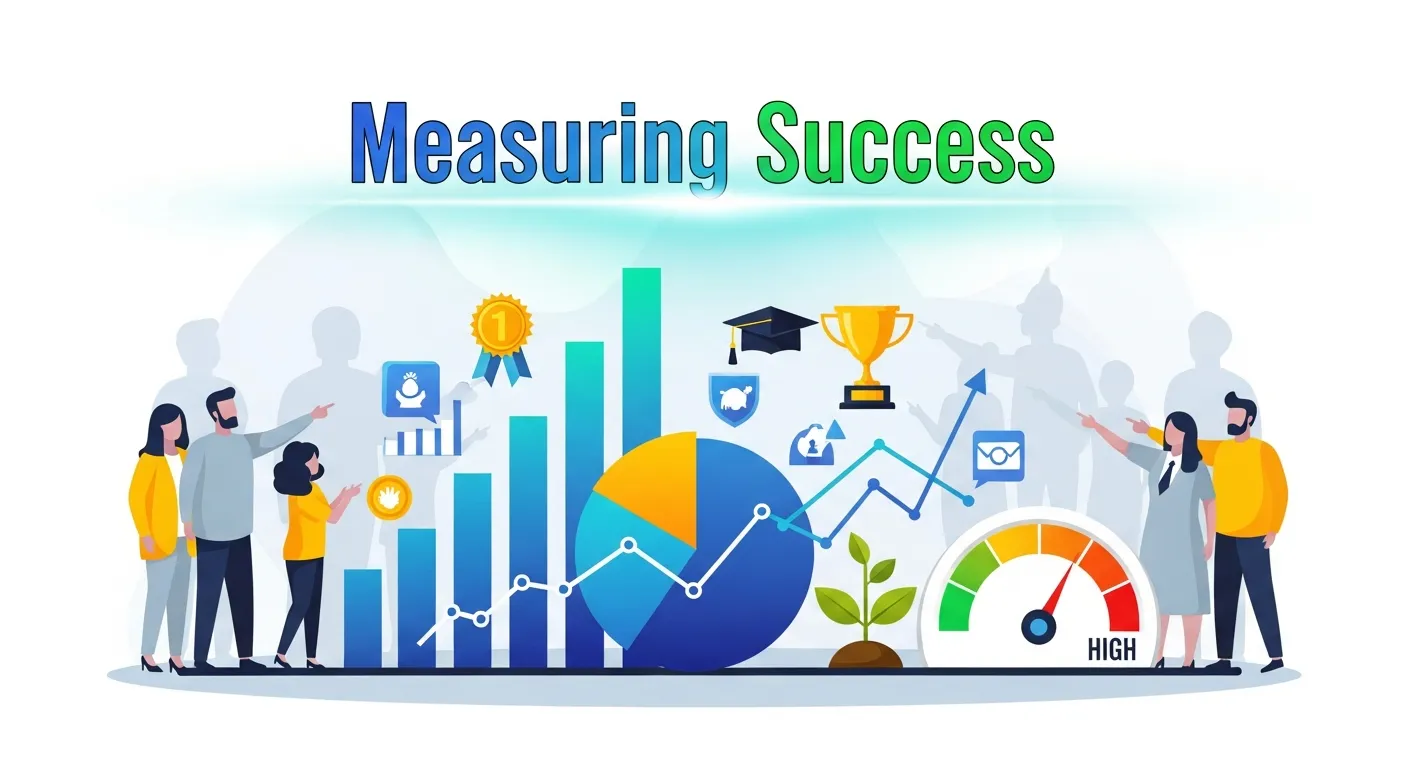
To ensure your gamified referral program delivers ROI, track key metrics and continually optimize:
- Referral Rate: Percentage of customers who refer at least one friend.
- Conversion Rate: Proportion of referrals who become paying customers.
- Engagement Metrics: Average points earned, badges unlocked, and quests completed per user.
- Viral Coefficient: Number of new customers gained per existing user through referrals.
Use A/B testing to compare different game elements—vary point values, badge designs, or leaderboard visibility. Solicit user feedback through surveys or in-app prompts to understand pain points and motivation drivers. Then refine your mechanics, communication cadence, and reward offerings to maximize engagement and referral volume.
Conclusion
Gamified referral programs combine psychology, incentives, and technology to create sustainable, word-of-mouth growth. By defining clear goals, choosing the right mechanics, designing smart rewards, and continuously optimizing performance, you can transform customers into loyal promoters. Start with simple points and rewards, test engagement triggers, and iterate based on data. Over time, gamification builds stronger communities, increases lifetime value, and reduces acquisition costs. When done right, your referral program becomes a self-propelling growth loop that scales faster than traditional marketing channels. Use this guide as a blueprint to launch, measure, and refine a high-impact gamified referral strategy for brand and audience.
FAQ: Gamified Referral Programs
1. What is a gamified referral program?
A gamified referral program uses game-like elements such as points, levels, badges, challenges, and leaderboards to encourage customers to refer others. It makes referrals fun, competitive, and rewarding instead of purely transactional.
2. How does gamification improve referral marketing?
Gamification increases motivation, engagement, and repeat participation. By rewarding progress and competition, customers are more likely to share referral links multiple times, leading to higher conversions and long-term growth.
3. What are the most effective gamification elements for referrals?
The most effective elements include:
- Points and scoring systems
- Badges and achievements
- Leaderboards
- Tiered rewards (Bronze, Silver, Gold, VIP)
- Progress bars and milestones
- Challenges and quests
These mechanics keep users engaged and motivated to refer more people.
4. What rewards work best in gamified referral programs?
Both monetary and non-monetary rewards work well. Popular rewards include:
- Discounts and cashback
- Store credits or free subscriptions
- Exclusive access or VIP perks
- Free products or upgrades
- Recognition badges and public rankings
The best rewards align with your audience’s interests and your brand value.
5. How is a gamified referral program different from a traditional referral program?
Traditional referral programs offer a one-time reward for each referral. Gamified referral programs encourage ongoing participation through progress tracking, tiers, challenges, and competition, motivating users to refer repeatedly over time.
6. Which businesses benefit most from gamified referral programs?
Gamified referral programs work well for:
- SaaS and subscription platforms
- eCommerce stores
- Fintech and apps
- Local businesses
- Online communities and marketplaces
Any business that relies on customer engagement and word-of-mouth can benefit.
7. What tools can I use to create a gamified referral program?
You can use SaaS referral tools like ReferralCandy, GrowSurf, Friendbuy, and Viral Loops, or build a custom solution using APIs and CRM integrations. SaaS tools are faster to launch, while custom solutions offer more flexibility.
8. How do I measure the success of a gamified referral program?
Track key metrics such as:
- Referral participation rate
- Referral conversion rate
- Cost per acquisition (CPA)
- Customer lifetime value (LTV)
- Engagement metrics (points earned, badges unlocked)
- Viral coefficient
Regular A/B testing helps optimize performance.
9. Are gamified referral programs expensive to run?
They can be cost-effective compared to paid advertising. With proper budget planning and tiered rewards, you control costs while maximizing ROI. Many businesses achieve lower acquisition costs with referrals than with ads.
10. What are common mistakes in gamified referral programs?
Common mistakes include:
- Overcomplicated rules
- Poor reward value perception
- Lack of promotion
- No tracking or optimization
- Unclear transparency and fairness
Keeping the system simple and data-driven ensures long-term success.
Learn more about: How to Choose the Right Marketing Channels for Your Business