Gamification Strategies referral marketing turns sharing into an engaging experience using rewards, points, and competition. By applying game mechanics, businesses can motivate users to refer more, increasing engagement and conversions. These strategies help build loyalty, drive growth, and create a self-sustaining referral system in a competitive digital landscape.
Getting customers to refer your business requires more than just asking nicely. People are busy, and a standard “refer a friend for ten dollars” prompt often gets lost in the noise of daily emails and notifications. You need a way to capture their attention and make the process genuinely enjoyable.
Gamification transforms the mundane task of sharing a link into an engaging experience. By borrowing mechanics from video games and applying them to your marketing, you tap into basic human psychology. We naturally crave progress, achievement, and recognition. When you build these elements into your referral program, customers actively want to participate.
The result is a self-sustaining growth loop. Happy customers share your product, their friends sign up, and the original advocates earn satisfying rewards that keep them coming back. Applying game logic to your referral strategy can dramatically increase participation rates and turn casual buyers into vocal brand ambassadors.
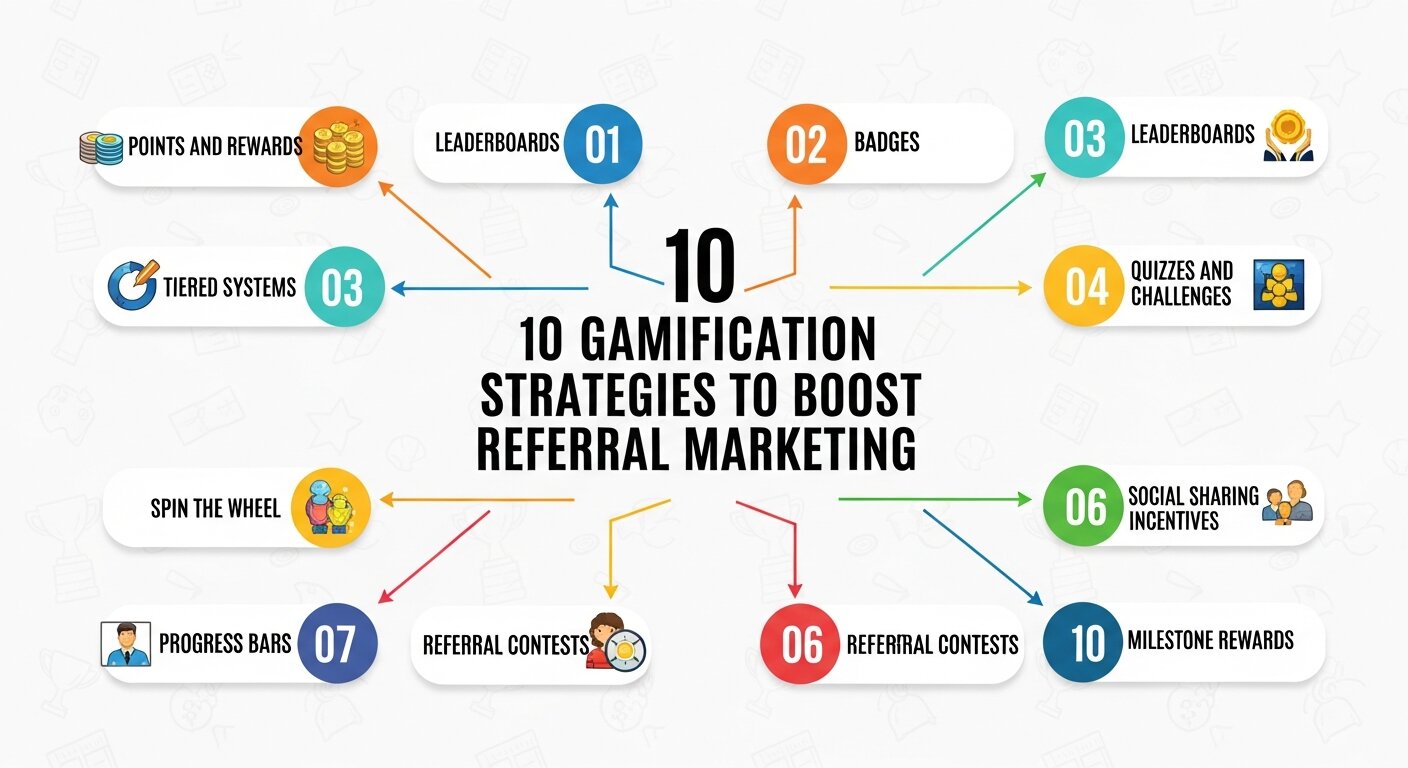
Here are ten highly effective gamification strategies you can implement to supercharge your referral marketing efforts.
Implement Tiered Reward Structures
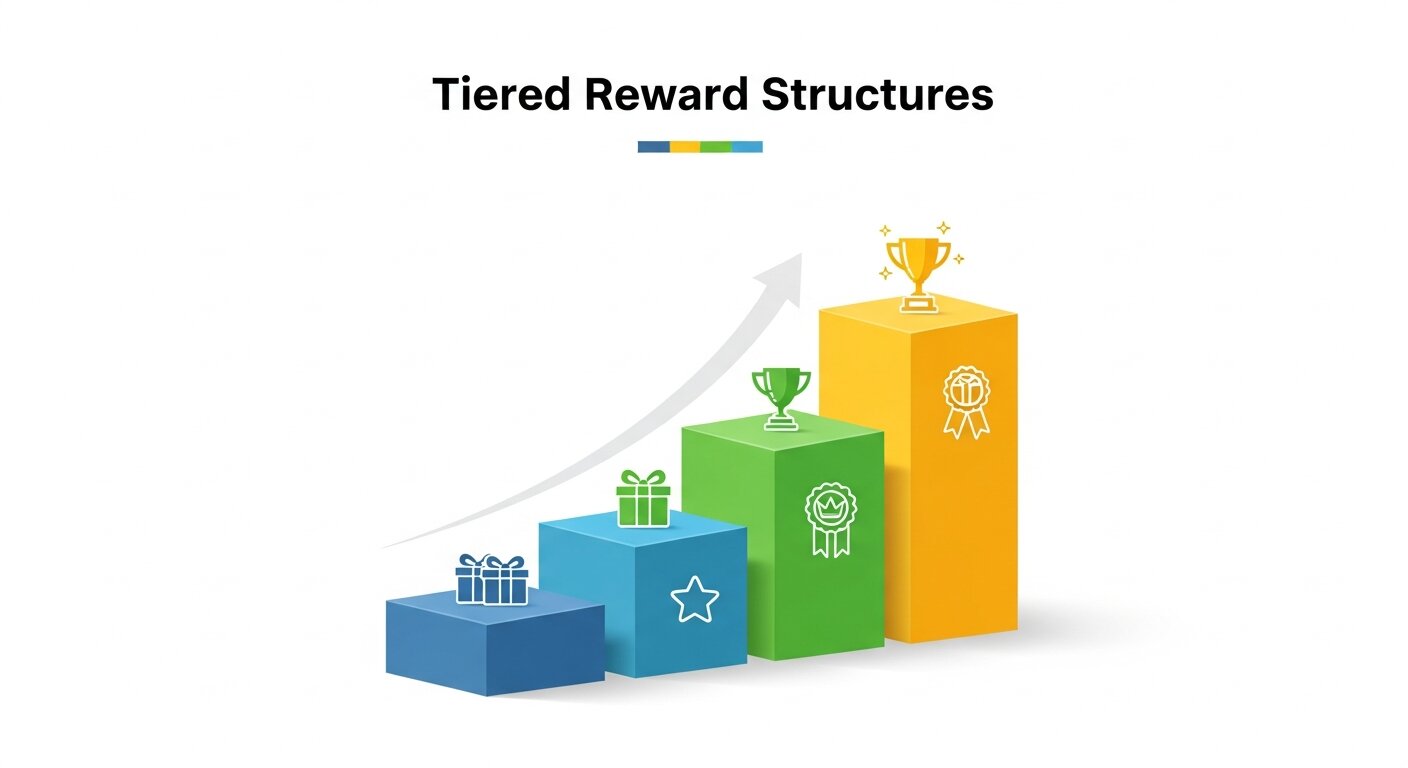
Standard referral programs offer a flat reward for every successful invite. Tiered systems change the game by offering increasingly valuable perks as customers refer more people.
When a user sees that referring three friends unlocks a higher status or a better discount than referring just one, they are motivated to keep going. You can structure this by creating distinct levels, such as Bronze, Silver, and Gold. Each new tier should offer a tangible benefit that makes the effort worthwhile. This strategy encourages sustained participation rather than a one-off share.
Introduce a Point-Based Economy
Instead of handing out cash or direct discounts, allow customers to earn points for various actions. They might earn ten points for sharing a link on social media, fifty points when a friend clicks, and two hundred points for a successful conversion.
A point-based economy gives you flexibility. Users can accumulate points over time and spend them in a dedicated rewards store. This keeps your brand top-of-mind as customers log in to check their balances and browse potential prizes. It also allows you to reward micro-actions that eventually lead to full conversions.
Spark Competition with Leaderboards
Humans are naturally competitive. A public or community leaderboard displays the top referrers of the week, month, or year. Seeing someone else at the top of the chart can be exactly the push a customer needs to send out a few more invites.
To keep things fair, reset the leaderboards monthly so new customers have a chance to claim the top spot. You can offer a special grand prize to the person who finishes first. Just ensure you protect user privacy by only displaying first names or chosen avatars.
Use Visual Progress Bars
A progress bar provides immediate visual feedback. If a customer needs to refer five friends to get a free product, a visual tracker showing two out of five slots filled creates a strong psychological pull. The desire to complete an unfinished task is known as the Zeigarnik effect.
Place this progress bar prominently on their account dashboard. Send automated email updates letting them know exactly how close they are to reaching their goal. Clear visuals make the objective feel attainable and immediate.
Award Digital Badges and Milestones
Badges act as digital status symbols. When a user reaches a specific milestone, such as “First Referral” or “Top Advocate,” award them a beautifully designed digital badge.
While badges might seem purely cosmetic, they trigger a sense of accomplishment. You can enhance their value by displaying them on user profiles within your community forums or app. Acknowledging these milestones publicly validates the customer’s effort and encourages others to strive for similar recognition.
Spin-to-Win Wheels for Variable Rewards
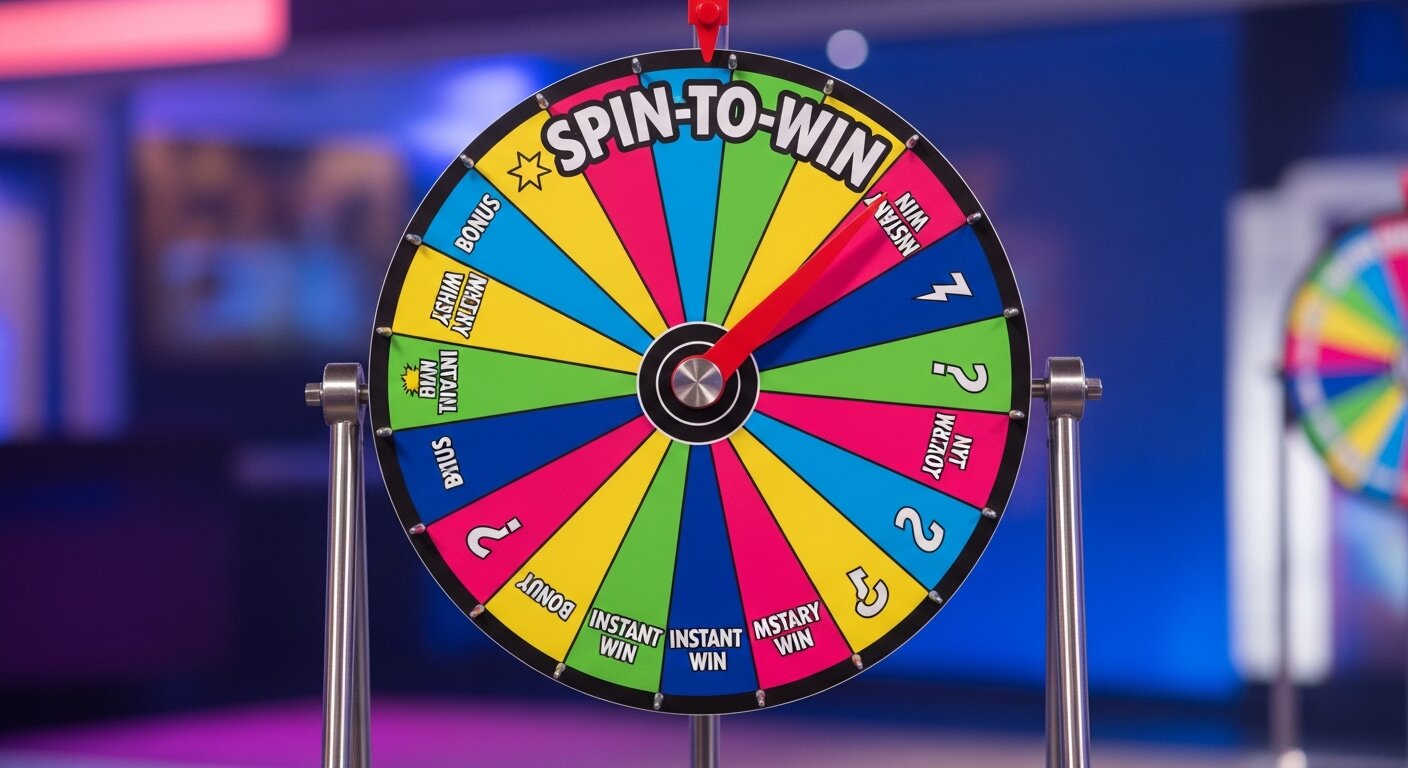
Predictability can sometimes lead to boredom. Introducing a variable reward system, like a digital spin-to-win wheel, adds an element of chance and excitement.
When a customer successfully refers a friend, grant them one spin on the wheel. The prizes can range from small discounts to massive giveaways. Because the brain releases dopamine in anticipation of a reward, the element of surprise makes the referral process highly addictive and fun.
Run Time-Bound Referral Contests
Scarcity and urgency are powerful motivators. Running a short-term referral contest forces users to act immediately rather than putting it off until later.
Announce a two-week sweepstakes where every referral counts as a ticket to win a major prize, like a vacation or a high-end tech gadget. Combine this with regular email updates counting down the days until the contest ends. The compressed timeline creates a flurry of activity and brings a rapid influx of new leads.
Offer Unlockable Content or Features
If you run a software platform, an app, or a media site, your best rewards might not cost you any money. Instead of monetary incentives, let users unlock premium features, exclusive content, or advanced tools by referring friends.
For example, a productivity app could unlock custom themes or advanced reporting tools after a user invites three colleagues. This rewards the user while simultaneously deepening their engagement with your core product.
Create Curiosity with Mystery Rewards
Curiosity is a strong driver of behavior. Instead of telling customers exactly what they will get for a referral, offer a “Mystery Box.”
Tell them that every successful referral unlocks a hidden prize. It could be a massive discount code, a free physical product, or store credit. The desire to uncover the unknown will often prompt higher engagement than a clearly stated, modest reward.
Set Collaborative Team Goals
Some people are motivated by helping a group rather than achieving personal glory. Set a community-wide goal where everyone benefits if the target is reached.
For example, announce that if the community reaches one thousand total referrals by the end of the month, every active participant gets a specific bonus. This encourages users to cheer each other on and creates a strong sense of shared purpose around your brand.
Optimizing Referral User Experience
A seamless user experience is critical for gamified referrals. If the process is confusing or time-consuming, users will drop off quickly. Ensure that sharing links, tracking progress, and claiming rewards are simple and intuitive. Use clean design, minimal steps, and fast-loading interfaces. A frictionless experience keeps users engaged and increases participation rates significantly.
Leveraging Push Notifications for Engagement
Push notifications can remind users about unfinished referral goals or new rewards. Sending timely and personalized notifications—such as “You’re one referral away from Gold level!”—can boost activity. However, avoid overuse, as too many notifications can annoy users. Smart timing and personalization are key to maintaining engagement.
Social Proof and Community Influence
Displaying real user achievements builds trust and motivation. Show recent referrals, top performers, or testimonials within your app or website. When users see others benefiting, they are more likely to participate. Social proof reinforces credibility and creates a sense of community around your referral program.
A/B Testing Gamification Elements
Not every gamification tactic works equally well for every audience. A/B testing allows you to experiment with different rewards, messages, and designs. For example, test whether users prefer points or instant discounts. Use data insights to refine your approach and maximize conversion rates over time.
Integrating Referral Programs with Loyalty Systems
Combining referral programs with loyalty programs creates a powerful growth engine. Users can earn points not only for purchases but also for referrals. This dual reward system increases engagement and keeps users interacting with your brand regularly. It also strengthens long-term customer relationships.
Scaling Gamification for Long-Term Growth
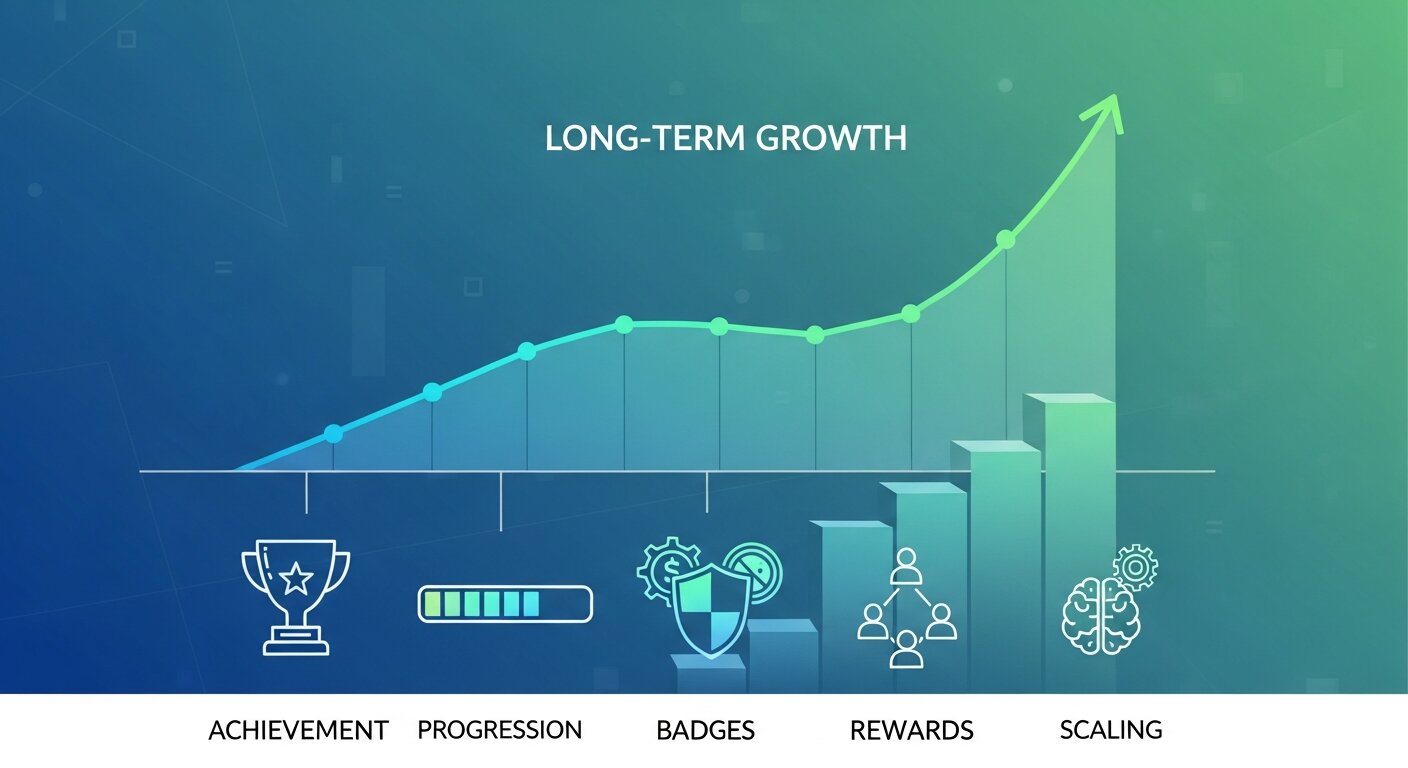
As your business grows, your referral program should evolve. Introduce seasonal campaigns, new reward tiers, and updated challenges to keep users interested. Regular updates prevent fatigue and maintain excitement. A scalable gamification strategy ensures continuous engagement and sustained growth over time.
Ready to Level Up Your Growth Engine?
Rethinking your referral program through the lens of gamification can yield incredible results. By shifting the focus from a simple transaction to an engaging experience, you build stronger relationships with your current customers while rapidly acquiring new ones.
Start small. Pick one or two strategies from this list—like a simple progress bar or a point system—and integrate them into your existing campaigns. Monitor the participation rates closely, gather feedback from your users, and continuously refine the mechanics. It is time to turn your biggest fans into your most effective marketing channel.
Frequently Asked Questions
1. What is gamified referral marketing?
Gamified referral marketing is a strategy that uses game elements like rewards, points, and competition to encourage users to refer others.
2. Why is gamification effective in referrals?
It works because it taps into human psychology, making the referral process more fun, engaging, and motivating.
3. What are the most popular gamification features?
Common features include leaderboards, badges, points systems, progress bars, and tiered reward structures.
4. How do progress bars increase referrals?
Progress bars create a sense of urgency and motivate users to complete their referral goals.
5. What is a point-based referral system?
It is a system where users earn points for actions like sharing or referring, which can later be redeemed for rewards.
6. How can I improve referral participation?
You can improve participation by simplifying the referral process, offering attractive rewards, and using engaging gamification elements.
7. Can gamification work for small businesses?
Yes, it is a cost-effective strategy that helps small businesses increase engagement and grow their customer base.
8. How do I measure referral success?
Track key metrics such as referral volume, conversion rate, engagement rate, and overall user activity.
9. Are mystery rewards effective?
Yes, mystery rewards increase curiosity and excitement, which boosts user participation.
10. How often should I update my referral program?
Regular updates, seasonal campaigns, and new challenges help maintain user interest and long-term engagement.