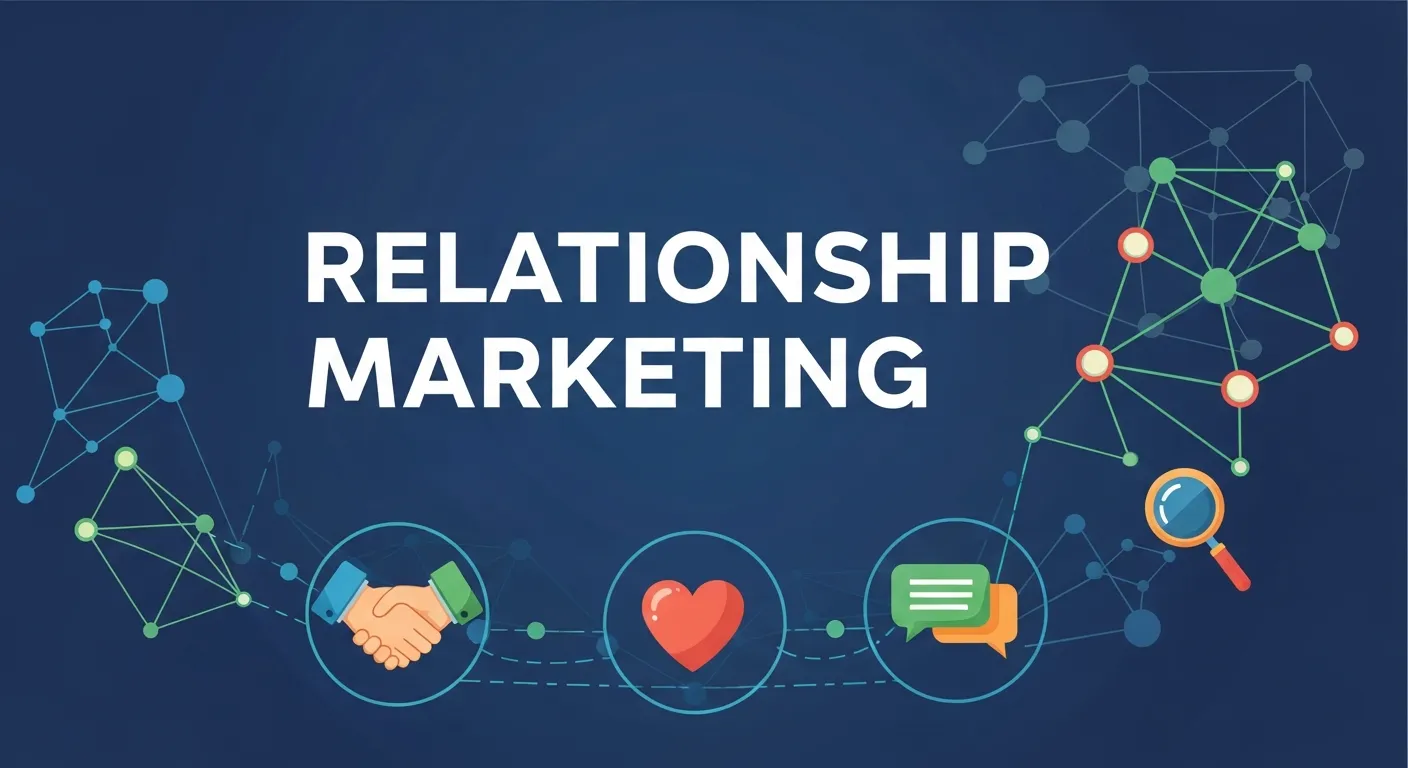
Referral marketing and relationship marketing are interconnected; building strong customer relationships fosters trust and loyalty, which naturally drives referrals, gamification, automation, and long-term advocacy for sustainable business growth.
When we discuss strategies that drive customer loyalty and sustainable business growth, two approaches frequently come to mind—referral marketing and relationship marketing. While they may seem like distinct concepts at first glance, they are actually deeply intertwined, each fueling the success of the other. Understanding how these strategies complement one another is crucial for any brand that wants to create long-term value, foster emotional connections with customers, and encourage organic growth rather than chasing short-term wins. Mastering both can transform casual buyers into loyal advocates.
What Is Referral Marketing?
Referral marketing is the strategy of encouraging your current customers to refer new people to your business. It’s built on trust when a satisfied customer tells a friend about your product or service, that referral carries far more weight than any ad or email campaign ever could.
But here’s the secret: referrals don’t just happen because someone liked your product. They happen when customers feel connected to your brand. Just like referral marketing, guest posting can also strengthen relationships while boosting your brand’s online authority.
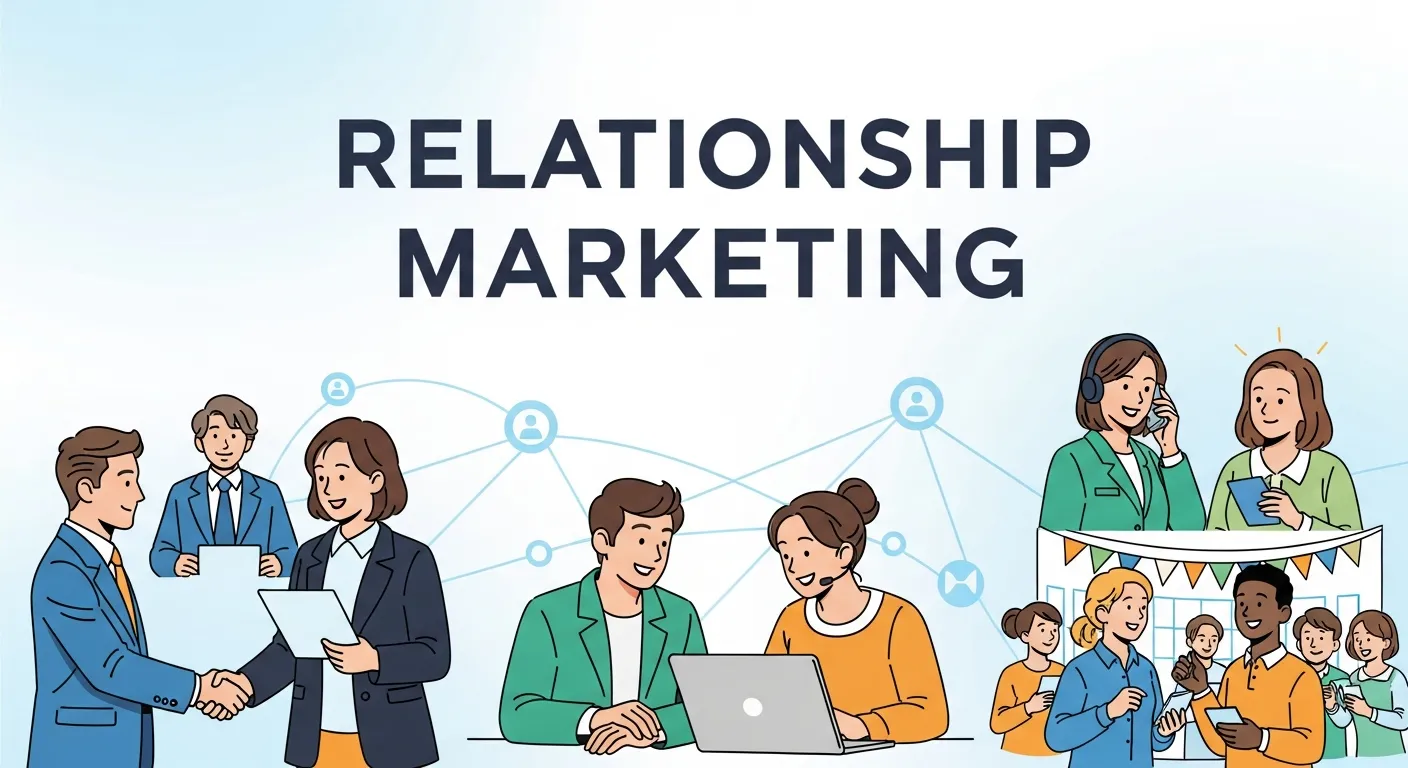
Relationship marketing is not about one-time transactions. It’s about building ongoing, meaningful connections with your customers. You don’t just want a sale—you want a long-term supporter. You want someone who stays with your brand, promotes it, and defends it. It includes strategies like follow-up emails, personalized offers, loyalty programs, and quick support response. All these efforts work toward keeping customers engaged and satisfied.
How Do They Connect?
Relationship Builds Trust, Trust Sparks Referrals
When you build a strong relationship with your customer, you also build trust. And people refer businesses they trust. The emotional connection created through relationship marketing is the foundation for successful referral marketing.
If a customer feels valued, they are more likely to recommend you. It’s not just about giving them a discount for referring someone—it’s about how they feel about your brand.
Emotional Loyalty Turns into Word-of-Mouth
Transactional loyalty is temporary. It fades when a better deal comes along. But emotional loyalty lasts. It turns your customer into an advocate.
And relationship marketing is how emotional loyalty is born. Through personalized communication, appreciation messages, or small surprises, your brand becomes more than a service provider—it becomes part of their life.
And when something becomes a part of someone’s life, they naturally talk about it.
Why can’t one exist without the Other
Many brands launch referral programs hoping for fast growth. But if they haven’t spent time building relationships, the program will fail. People won’t refer unless they feel connected. They need to feel like they’re doing something good—not just grabbing a reward.
Relationship marketing sets the stage. It creates the emotional readiness needed for referral marketing to work. Without it, referrals feel forced. With it, referrals happen organically.
Get our step‑by‑step Referral Program Setup Instructions to launch your own advocate-driven growth system.
A Real-World Example
Imagine two coffee shops. One just serves coffee. The other remembers your name, asks about your day, and gives you a free drink on your birthday.
Which one are you more likely to recommend?
That’s relationship marketing in action. And your recommendation—that’s referral marketing. One leads directly to the other.
The Psychological Link Between Them
People Refer to What They Feel Good About
If someone has a great relationship with your brand, referring you to their friends makes them feel good. It makes them look smart, helpful, and kind.
So the act of referring is not just about helping you—it’s about how it makes them feel. That emotion is created through relationship marketing.
This aligns with the Self-Determination Theory in psychology—people are motivated by connection, meaning, and belonging
Trust Reduces Risk for the Referred Customer
Referrals aren’t only about the referrer. They’re also about the person being referred. And that person is far more likely to trust a recommendation that comes from someone they know. Why? Because they know that the person wouldn’t risk damaging the relationship by recommending something bad.
This trust triangle only works when the original customer feels a strong bond with your brand. Again, that bond is built through relationship marketing.
How to Make Them Work Together
To build a successful referral engine, you must start by investing in relationship marketing. Here’s how to naturally merge both strategies:
Focus on the Customer Journey
Every interaction matters. From onboarding to post-purchase support, make sure customers feel seen and heard. When the journey is smooth, relationships grow.
Reward Emotion, Not Just Action
Instead of only giving discounts for referrals, show appreciation through personal thank-yous or surprise perks. People want to feel like they’re part of something meaningful.
Create Shareable Moments
Make the customer experience so good that people want to talk about it. Delight them with unexpected value. That value turns into stories—and those stories turn into referrals.
Building a Gamified Referral Program Through Relationship Marketing
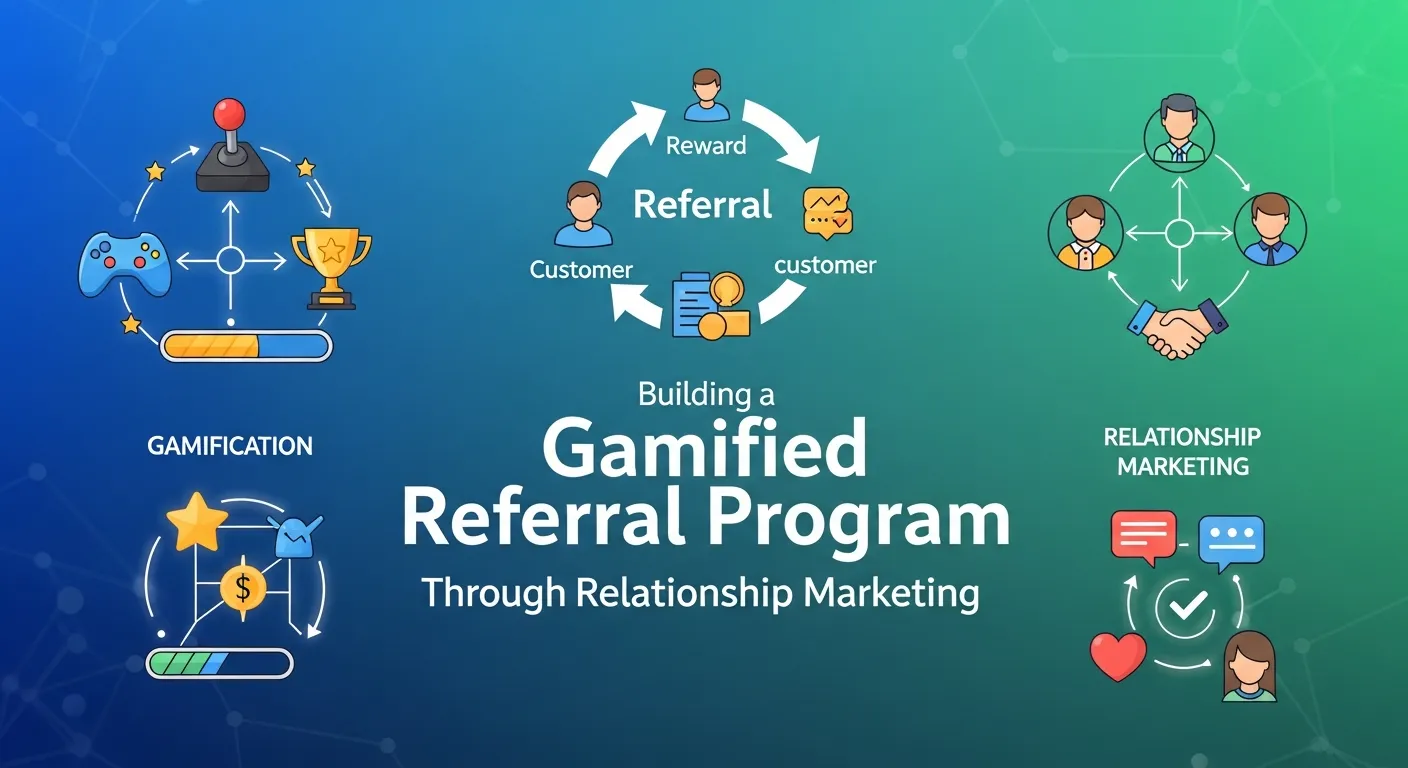
A Gamified Referral Program is a powerful way to increase participation in referral initiatives, but its success depends on strong relationship marketing. Without a solid emotional connection, gamification can feel superficial, like points or badges without meaning. Relationship marketing ensures the program is perceived as rewarding not just for the incentive but for being part of a brand community that values them. When customers feel recognized and appreciated, gamified elements become motivating, turning referrals from a transactional act into an enjoyable experience.
Why Gamification Works With Relationship Marketing:
- Recognition and appreciation make participants feel valued.
- Emotional engagement encourages repeat participation.
- Positive experiences transform referrals into a meaningful activity.
Key Strategies for Gamified Referral Programs:
- Tiered Rewards System: Provide increasing rewards for multiple referrals to encourage ongoing participation rather than a one-time action.
- Progress Tracking: Offer dashboards or visual indicators showing a customer’s progress. This helps them feel their efforts matter.
- Social Sharing Options: Encourage sharing achievements or milestones on social media to amplify reach and reinforce social proof.
- Personalized Rewards: Tailor prizes to customer preferences, making them feel understood and appreciated.
- Exclusive Experiences: Provide VIP access, early releases, or behind-the-scenes perks to strengthen loyalty.
Example of Gamified Referral Metrics Table:
| Strategy Element | Description | Expected Outcome |
|---|---|---|
| Tiered Rewards | Rewards increase with more referrals | Encourages ongoing referrals and sustained engagement |
| Progress Tracking | Visual dashboards for referral activity | Keeps participants motivated and invested |
| Social Sharing | Allow sharing achievements on social media | Expands brand reach organically |
| Personalized Rewards | Customize rewards based on preferences | Strengthens emotional connection and loyalty |
| Exclusive Experiences | VIP access or special perks | Enhances perceived value and brand advocacy |
Pro Tips:
- Make the leaderboard optional; some customers prefer recognition privately.
- Celebrate milestones publicly (e.g., social media shoutouts) to reinforce the community feeling.
- Keep gamified programs simple to understand—complex rules reduce engagement.
By combining gamification with relationship marketing, referrals feel more like a fun, meaningful activity rather than a chore, increasing both participation rates and long-term loyalty.
Referral Marketing Automation Powered by Relationship Marketing
Automation is essential for scaling referral marketing programs, but it must be guided by relationship marketing principles to feel authentic. Customers are more likely to act on automated emails or notifications when they sense personalization and genuine appreciation.
Benefits of Referral Marketing Automation:
- Ensures consistent communication across customer segments.
- Reduces manual effort while maintaining a personalized touch.
- Tracks referral performance to optimize campaigns over time.
How to Integrate Automation With Relationship Marketing:
- Personalized Messaging: Use customer names, purchase history, and past interactions to craft messages that feel bespoke.
- Timely Nudges: Trigger referral reminders at key points like post-purchase, after positive feedback, or loyalty milestone completion.
- Seamless Reward Delivery: Automatically distribute referral rewards to reduce friction and maintain trust.
- Behavior-Based Triggers: Send referral prompts based on actions, e.g., when a customer shares a product on social media or leaves a positive review.
Practical Example:
Imagine an e-commerce store selling eco-friendly products. A customer buys a reusable water bottle and leaves a positive review. Automated referral software sends a personalized email:
“Hi Jane, thank you for loving your new water bottle! Share it with a friend and you both get 10% off your next order. Your friends will thank you—and so will we!”
Key Takeaways:
- Automation should enhance, not replace, human connection.
- Use automation to reinforce emotional loyalty, not just push incentives.
- Track open rates, clicks, and referral conversions to adjust messaging for maximum impact.
- With relationship marketing at the core, automated referral campaigns feel personal, timely, and engaging—turning customers into ongoing brand advocates.
Advanced Referral Marketing Hacks That Leverage Relationship Marketing
Referral marketing hacks often promise fast results, but combining them with relationship marketing ensures sustainable, long-term advocacy. By fostering emotional connections, these hacks generate repeat referrals and stronger brand loyalty.
Proven Referral Marketing Hacks With Relationship Marketing:
- Exclusive VIP Tiers: Reward highly engaged customers with special access or perks. This makes them feel valued and motivates them to refer repeatedly.
- Double-Sided Rewards: Offer benefits to both the referrer and the referred. This creates a positive experience for everyone involved, strengthening trust.
- Storytelling Campaigns: Encourage customers to share personal experiences with your brand. Authentic stories generate emotional resonance and encourage referrals.
- Seasonal or Event-Based Incentives: Tie referral rewards to holidays, birthdays, or special events to create excitement and emotional engagement.
- Micro-Influencer Programs: Identify highly engaged loyal customers and provide them with early access or exclusive offers to encourage authentic advocacy.
Steps to Implement Referral Marketing Hacks Effectively:
- Identify Your Most Engaged Customers: Use loyalty programs or purchase history to find customers most likely to refer.
- Personalize Referral Invitations: Reference previous interactions, purchases, or interests to make invitations feel sincere.
- Monitor Results Holistically: Track not only the number of referrals but also engagement quality and ongoing participation.
- Iterate and Improve: Adjust campaigns based on feedback and behavior trends, reinforcing relationship-driven advocacy.
Example in Practice:
A subscription box e-commerce brand sends out a personalized email during the holiday season, offering a free gift to customers who refer friends. Customers who feel appreciated and recognized are far more likely to share, creating a natural referral loop powered by emotional loyalty.
Tips:
- Focus on quality of referrals over quantity; long-term advocates provide more sustainable growth.
- Highlight customer stories on social media or newsletters to show real-world results of relationship-driven referrals.
- Ensure all rewards, recognition, and communications reinforce the emotional bond between the brand and the customer.
By combining these hacks with relationship marketing, referral programs stop being just transactional—they become a meaningful experience that deepens loyalty, drives engagement, and increases organic growth.
Conclusion
Referral marketing and relationship marketing work best as one system. Relationship marketing builds trust, emotional loyalty, and memorable experiences that customers actually want to share. Referral marketing then turns that goodwill into measurable growth through structured incentives, gamification, and automation. Without relationships, referrals feel transactional, and participation stays low. With strong relationships, referral prompts feel natural, and advocacy becomes consistent. The smartest brands design a full journey: delight customers, recognize them, create shareable moments, and use automation to deliver timely nudges and frictionless rewards. This approach creates a sustainable flywheel where loyal customers repeatedly bring in high-quality new customers over time.
FAQ – Relationship Marketing and Referral Marketing
1. What is the connection between relationship marketing and referral marketing?
Relationship marketing focuses on building long-term emotional connections with customers, while referral marketing leverages those loyal customers to bring in new clients. Strong relationships fuel trust, making referrals natural and authentic.
2. How does relationship marketing improve referral programs?
By fostering emotional loyalty, relationship marketing ensures that customers refer your brand not just for incentives but because they genuinely value your products, service, and brand experience.
3. Can referral marketing work without relationship marketing?
Referral marketing can exist without strong relationships, but it is often less effective. Without trust and emotional connection, customers are less likely to participate actively or provide authentic referrals.
4. What is a gamified referral program and how does it relate to relationship marketing?
A gamified referral program uses elements like points, tiers, and leaderboards to make referrals fun and engaging. Relationship marketing ensures participants feel appreciated and part of a community, making gamification more meaningful and effective.
5. How can referral marketing automation benefit my e-commerce business?
Automation helps scale referral programs by sending timely, personalized prompts, managing rewards, and tracking performance. When guided by relationship marketing principles, automated messages feel personal and maintain emotional engagement.
6. What are some referral marketing hacks that leverage relationship marketing?
Effective hacks include:
- Double-sided rewards for both referrer and referred
- Storytelling campaigns to share authentic experiences
- Seasonal or event-based referral incentives
- Micro-influencer programs targeting loyal customers
These tactics work best when combined with emotional connection and trust built through relationship marketing.
7. How do I measure the success of a relationship-driven referral program?
Key metrics include:
- Number of referrals generated
- Engagement quality and repeat referrals
- Customer lifetime value of referred clients
- Participation in gamified programs
Tracking these helps optimize both referral and relationship strategies.
8. Can relationship marketing increase sales through referrals?
Yes. Customers are more likely to recommend a brand they trust and feel emotionally connected to. These referrals drive high-quality leads, increase sales, and create long-term loyalty.
9. How often should I engage with customers to strengthen relationship marketing?
Regular engagement is essential. Use follow-ups, personalized emails, loyalty rewards, and exceptional customer service to keep relationships active and encourage organic referrals over time.
10. Are relationship marketing strategies only for large businesses?
Not at all. Any e-commerce or small business can apply relationship marketing techniques to foster loyalty, encourage referrals, and grow sustainably. Even simple personalized touches can have a significant impact.