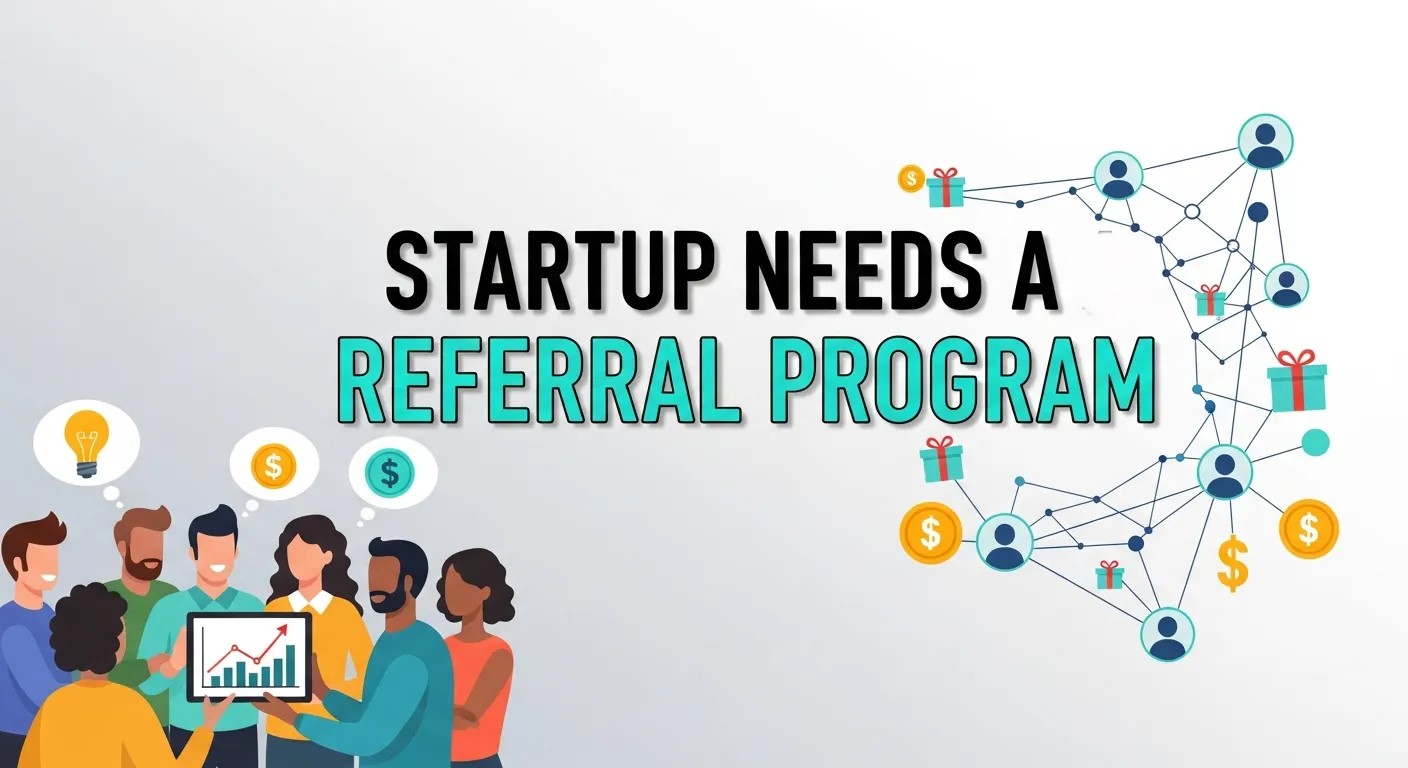
Referral programs are structured marketing strategies that encourage existing customers to recommend a product or service to others, usually in exchange for rewards or incentives. For startups, acquiring new customers is often expensive due to limited budgets, high competition, and rising costs of paid advertising channels. Many early-stage startups struggle to scale because their customer acquisition cost (CAC) grows faster than their revenue. This is where word-of-mouth marketing becomes powerful. People trust recommendations from friends, family, and peers far more than traditional ads, making referrals one of the highest-converting and most cost-effective growth channels.
In this guide, you will learn how referral programs work, why they are essential for startup growth, how to design an effective referral strategy, and practical steps to launch and optimize a referral program that drives sustainable, scalable growth.
What Is a Referral Program?
A referral program is a structured system that motivates existing users, customers, or stakeholders to recommend a business to new people. Instead of relying only on ads, startups use referrals to turn satisfied users into brand promoters, rewarding them for every successful recommendation. Referral programs leverage trust, social proof, and personal networks to generate high-quality leads and accelerate organic growth at a lower cost. Referral marketing is a growth strategy where businesses incentivize existing customers or users to refer new customers. Because people trust recommendations from peers more than advertisements, referral marketing often delivers higher conversion rates and better customer retention.
How referral programs work
- A user shares a unique referral link or code with friends.
- A new user signs up or makes a purchase using that referral link.
- Both the referrer and the new user receive rewards (discounts, credits, cash, or perks).
Types of Referral Programs
Customer Referral Programs
These programs reward existing customers for referring friends, family, or colleagues. Examples include discount credits, free trials, or cashback incentives.
Partner and Influencer Referrals
Businesses collaborate with partners, creators, or influencers who refer their audience using unique tracking links. These referrals often include commission-based payouts or revenue sharing.
Employee Referral Programs
Companies reward employees for referring new customers, clients, or even new hires. This type of program helps build trust, reduce recruitment costs, and expand customer networks through internal advocates.
Why Referral Programs Are Crucial for Startups
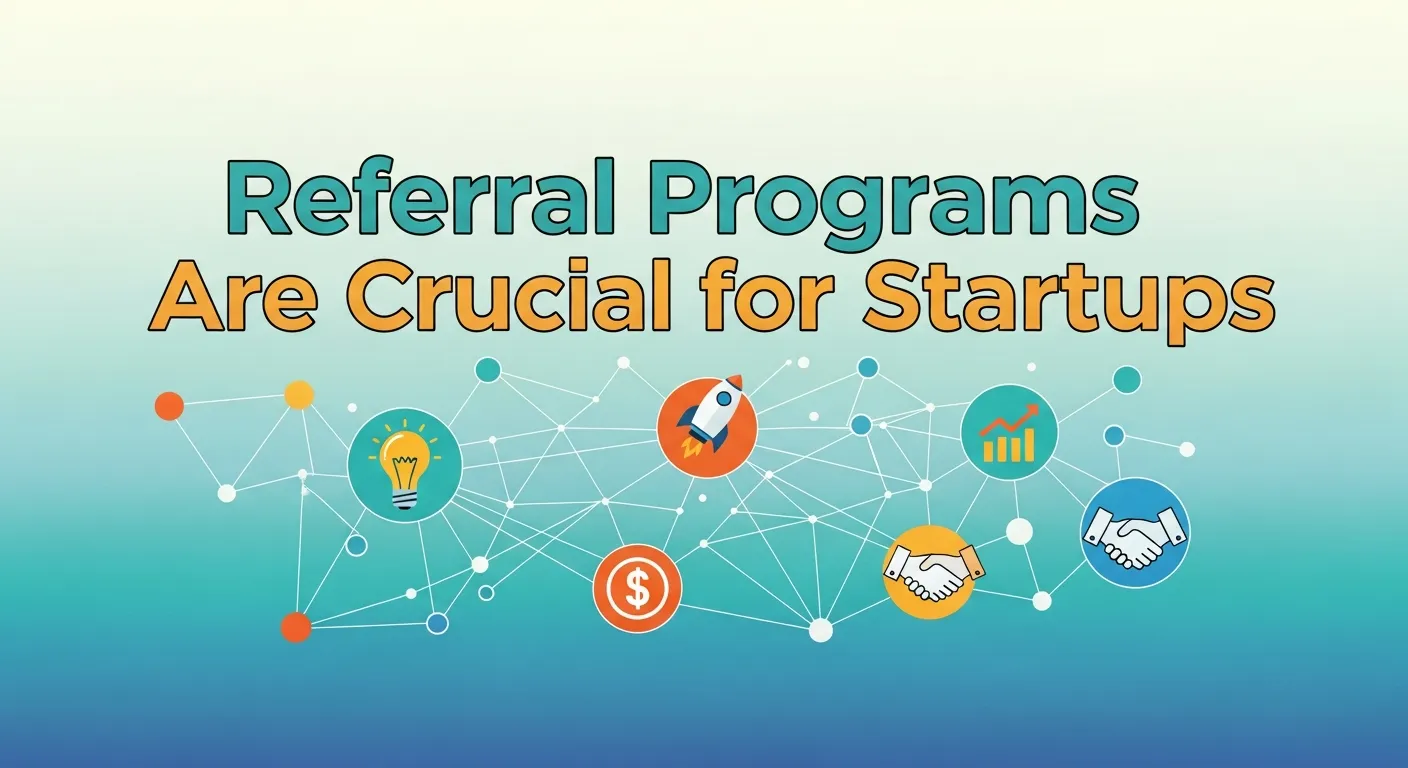
Referral programs are one of the most powerful growth engines for startups, especially in the early stages when budgets are tight and brand awareness is low. Unlike traditional marketing channels, referrals leverage trust, relationships, and network effects to drive sustainable and scalable growth.
Low-Cost Customer Acquisition
Startups often struggle with high marketing expenses, especially when relying on paid advertising and influencer campaigns. Platforms like Google, Facebook, and TikTok are highly competitive, and customer acquisition costs (CAC) can quickly become unsustainable. Influencer marketing, while effective, can also be expensive and unpredictable, especially for early-stage companies with limited budgets.
Referral programs significantly reduce CAC because they rely on existing customers to bring in new users organically. Instead of paying for every click or impression, startups only reward successful conversions. This performance-based model ensures better ROI and predictable growth costs. Additionally, referral-driven customers often have higher lifetime value (LTV), making the overall growth model more profitable.
High Trust and Conversion Rates
Referral programs benefit from the psychology of recommendations. People naturally trust advice from friends, family, colleagues, and peers more than advertisements or brand messaging. This trust reduces skepticism and friction during the buying process, leading to higher conversion rates.
Social proof plays a crucial role in referral marketing. When someone sees their peers using and recommending a product, it validates the brand’s credibility and quality. Peer influence also triggers emotional and social motivations—people feel more confident and comfortable adopting a product recommended by someone they know. As a result, referred customers are more likely to sign up, purchase, and remain loyal compared to customers acquired through paid channels.
Faster and Viral Growth
Referral programs can create viral growth loops, where each new customer has the potential to bring in more users, leading to exponential growth. This network effect is particularly powerful for digital products, marketplaces, and SaaS platforms. When referral incentives are well-designed, users are motivated to share the product, creating a self-sustaining growth engine.
Real-world startup examples:
- Dropbox offered free storage space to users who referred friends. This simple incentive helped Dropbox grow from 100,000 users to millions in a short period.
- Airbnb rewarded both hosts and guests for referrals, accelerating global expansion and building trust in a peer-to-peer marketplace.
- Uber used referral credits for riders and drivers, rapidly expanding into new cities with minimal traditional advertising.
These companies demonstrate how referral programs can drive rapid adoption, reduce marketing costs, and build strong user communities. For startups, referrals are not just a marketing tactic—they are a scalable growth strategy that can transform a product into a viral success.
Key Benefits of Referral Programs for Startups
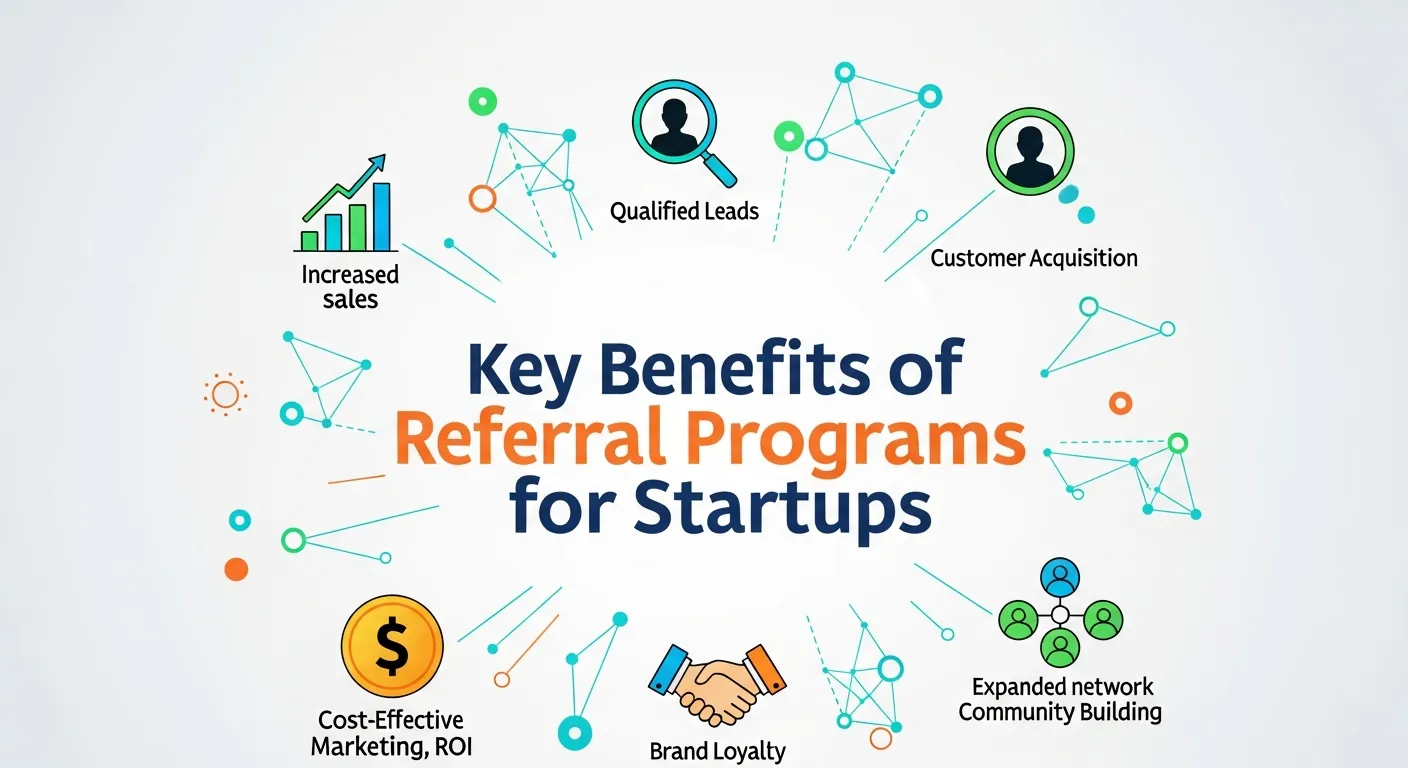
Referral programs offer startups a powerful way to grow without relying heavily on expensive paid marketing channels. By turning customers into advocates, startups can unlock sustainable growth, stronger brand loyalty, and long-term competitive advantages.
Increased Customer Lifetime Value (CLV)
One of the biggest advantages of referral programs is their impact on Customer Lifetime Value (CLV). Referred customers tend to stay longer, spend more, and engage more deeply with the brand compared to customers acquired through paid ads. Studies across industries consistently show that referred customers have higher retention rates and are more likely to make repeat purchases. This happens because they join with built-in trust from the person who recommended the product.
Referral programs also foster loyalty and repeat purchases. When customers actively recommend a product, they develop a stronger emotional connection with the brand. This psychological commitment increases the likelihood of continued usage and long-term retention. Additionally, reward-based referrals encourage customers to remain active so they can earn incentives, which further boosts engagement and lifetime value.
Better Brand Awareness and Organic Reach
Referral programs naturally amplify word-of-mouth brand exposure. Each satisfied customer becomes a micro-marketer who introduces the brand to their network. Unlike paid ads, this exposure feels authentic and personal, which significantly improves credibility and recall. As more people share referral links, the brand gains organic reach without additional advertising spend.
Referral programs also help with community building. When users feel rewarded and recognized for referrals, they become part of a brand-driven community. This community effect encourages discussions, feedback, and user-generated content, which further strengthens brand trust and visibility. Over time, startups can build a strong network of advocates who actively promote the product across social media, forums, and offline conversations.
Scalable and Sustainable Growth Channel
Referral programs create a compounding growth effect, where each new user has the potential to bring in more users. This creates a viral loop that can lead to exponential growth if designed correctly. Unlike traditional marketing channels that require continuous spending, referrals grow organically as the user base expands.
Over time, a referral program becomes a long-term marketing asset. It continues generating leads even when paid campaigns are paused, reducing dependency on ad platforms and fluctuating marketing costs. Because referrals are performance-based, startups only pay when real conversions happen, making this channel highly scalable and financially sustainable.
For startups, referral programs are not just a short-term growth tactic—they are a strategic investment in building trust, loyalty, and a self-sustaining growth engine that delivers results for years to come.
How Referral Programs Work in Startups
Referral programs in startups follow a simple but powerful workflow that turns existing users into growth drivers. When structured correctly, this process becomes automated, trackable, and scalable.
Step-by-Step Referral Process
1. Invite
The referral journey starts when a startup encourages existing customers to invite friends, colleagues, or their network. This can be done through in-app prompts, email campaigns, social sharing buttons, or referral dashboards. The goal is to make sharing effortless and rewarding.
2. Track
Each referrer receives a unique referral link or code that tracks who invited whom. When a new user signs up or makes a purchase using this link, the system attributes the conversion to the referrer. Startups use referral software, CRM tools, or built-in analytics to monitor referral traffic, conversions, and rewards.
3. Reward
Once the referral action is completed (sign-up, purchase, subscription, etc.), rewards are issued automatically. This closes the loop and motivates users to continue sharing.
- Referral links are unique URLs generated for each user to share via social media, email, or messaging apps.
- Referral codes are alphanumeric codes that new users enter during checkout or sign up.
Incentive Structures
The success of a referral program heavily depends on its incentive structure. Rewards must be attractive enough to motivate sharing but sustainable for the business.
Common referral incentives include:
- Discounts: Percentage or fixed discounts on future purchases.
- Cash rewards: Direct monetary payouts for successful referrals.
- Credits or points: Platform credits that can be redeemed for services or products.
- Free products or upgrades: Complimentary items, premium features, or extended subscriptions.
Startups often choose incentives that align with their business model—for example, SaaS companies offer free months of service, while eCommerce brands provide discounts or gift cards.
Double-Sided vs Single-Sided Rewards
Single-Sided Rewards
In this model, only the referrer receives a reward. It is simple to implement and works well when customers are highly motivated by incentives or loyalty. However, it may result in lower conversion rates because the referred user has no immediate benefit.
Double-Sided Rewards
Here, both the referrer and the referred user receive rewards. This structure significantly increases participation and conversion rates because it creates a win-win situation. The referrer feels rewarded for sharing, and the new user feels incentivized to sign up or purchase.
For startups, double-sided rewards are often more effective, especially in early-stage growth, because they reduce friction for new users and accelerate adoption. However, startups must carefully balance reward value to maintain profitability.
How to Build a Referral Program for Your Startup
Building a successful referral program requires a clear strategy, a user-friendly design, and continuous optimization. Below is a step-by-step framework startups can follow to launch a scalable and high-performing referral system.
Step 1 – Identify Your Advocates
The first step is identifying who is most likely to refer your product. These are typically loyal customers, power users, or highly engaged subscribers who already love your brand. They have experienced real value and are naturally motivated to recommend your product to others.
Segmentation strategies:
- Power users: Customers with high usage frequency or subscription tenure.
- High-spending customers: Users with high CLV or repeat purchases.
- Engaged users: Customers who leave reviews, participate in communities, or share feedback.
By targeting these segments first, startups can maximize referral participation and generate high-quality leads.
Step 2 – Choose the Right Reward
Rewards are the core motivation behind referral programs. Startups must balance attractiveness with sustainability.
Monetary incentives:
- Cash rewards, discounts, cashback, or commission payouts.
- Effective for e-commerce, fintech, and marketplaces.
Non-monetary incentives:
- Free products, premium features, exclusive access, loyalty points, or swag.
- Ideal for SaaS, subscription platforms, and digital services.
Gamification rewards:
Gamification adds fun and competition through leaderboards, badges, tiered rewards, and milestones. This approach increases engagement and encourages users to refer more people.
Step 3 – Create Simple Sharing Mechanics
A referral program must be easy to share in seconds. The simpler the process, the higher the participation rate.
Sharing tools include:
- Referral links: Unique URLs that users can share via email, WhatsApp, social media, or blogs.
- QR codes: Ideal for offline referrals, events, and mobile-first audiences.
- Social sharing buttons: One-click sharing on platforms like Facebook, LinkedIn, Twitter, and messaging apps.
Mobile-first design:
Since most users access apps and websites on mobile devices, referral interfaces must be optimized for mobile. Clear CTAs, simple dashboards, and fast-loading referral pages improve user experience and sharing frequency.
Step 4 – Promote Your Referral Program
Even the best referral system will fail if users don’t know about it. Promotion is critical.
Email campaigns:
Send targeted referral invitations, reward reminders, and success stories to encourage sharing. Personalized emails significantly improve engagement.
In-app prompts and onboarding:
Introduce the referral program during onboarding and key user milestones (e.g., after a successful purchase). Pop-ups, banners, and referral dashboards keep the program visible.
Social media promotion:
Promote referral incentives on social media, communities, and newsletters. Encourage users to share their referral stories and rewards to create social proof.
Step 5 – Track and Optimize Performance
To scale effectively, startups must measure and optimize referral performance using key metrics.
Key metrics to track:
- Referral rate: Percentage of users who refer others.
- Conversion rate: Percentage of referred users who sign up or purchase.
- CPRA (Cost Per Referral Acquisition): Cost of acquiring a customer through referrals.
- CLV (Customer Lifetime Value): Long-term value of referred customers compared to other channels.
A/B testing referral messages:
Test different referral messages, reward structures, and sharing designs to identify what drives the highest engagement and conversions. Continuous testing ensures the referral program remains optimized as the startup grows.
Referral Program Examples from Successful Startups
Referral programs have played a major role in the rapid growth of many successful startups. By leveraging incentives and network effects, these companies transformed customers into powerful acquisition channels.
Dropbox Referral Program Case Study
Dropbox is one of the most famous referral marketing success stories. The company offered free storage space to users who referred friends. Both the referrer and the referred user received extra storage, creating a strong incentive for sharing.
This strategy helped Dropbox grow from 100,000 users to millions in just a few years, with referrals accounting for a large percentage of new signups. The simplicity of the reward and ease of sharing made it a viral growth loop.
Airbnb Referral Program Case Study
Airbnb introduced a double-sided referral program where both hosts and guests received travel credits when they referred new users. This incentive directly aligned with Airbnb’s value proposition—travel savings.
By rewarding both parties, Airbnb reduced friction for new users and encouraged existing customers to actively promote the platform. The referral program significantly contributed to Airbnb’s global expansion and marketplace trust.
SaaS Startup Referral Examples
Many SaaS startups use referrals to drive subscriptions. Common incentives include free trials, account credits, feature upgrades, or extended subscriptions. Companies like Slack, Trello, and Notion have used referral-like growth loops to accelerate user adoption.
SaaS referrals work especially well because users experience the product regularly, making them more likely to recommend it to colleagues and teams.
Future Trends in Referral Programs for Startups
Referral marketing is evolving with technology and consumer behavior.
AI-Powered Personalized Referrals
AI will analyze user behavior and automatically recommend the best time, message, and reward to trigger referrals. Personalized referral journeys will increase conversion rates dramatically.
Social Commerce and Creator Economy
Creators and micro-influencers will become referral ambassadors. Social platforms will integrate referral links directly into shopping experiences, making referrals frictionless.
Gamified Community-Based Referrals
Gamification elements like leaderboards, badges, tiers, and community challenges will drive engagement. Community-based referrals will turn users into long-term brand advocates.
Conclusion
Referral programs are one of the most cost-effective and scalable growth strategies for startups. They leverage trust, social proof, and network effects to acquire high-quality customers at a lower cost than traditional marketing channels. By turning satisfied users into brand advocates, startups can build a sustainable growth engine that compounds over time.
Launching a referral program early helps startups reduce customer acquisition costs, increase retention, and accelerate brand awareness. With the right incentives, simple sharing mechanics, and data-driven optimization, referral programs can drive exponential growth.
FAQ: Referral Program for Startups
1. What is a referral program for startups?
A referral program is a marketing strategy where existing customers recommend a startup’s product or service to others in exchange for rewards like discounts, credits, or cash incentives. It helps startups grow through word-of-mouth marketing.
2. Why are referral programs important for startups?
Referral programs are important because they reduce customer acquisition costs, increase trust, and generate high-quality leads. Startups can grow faster without spending heavily on paid advertising.
3. How do referral programs help reduce marketing costs?
Referral programs are performance-based, meaning startups only pay rewards when a successful referral happens. This makes them more cost-effective than paid ads or influencer marketing.
4. Do referral programs increase customer trust?
Yes, referrals increase trust because people rely on recommendations from friends, family, and peers more than advertisements. This trust leads to higher conversion rates.
5. Can referral programs help startups grow faster?
Referral programs can create viral growth loops, where each new user brings more users. This compounding effect helps startups scale quickly with minimal marketing spend.
6. What types of rewards work best in referral programs?
Common referral rewards include discounts, cashback, free products, subscription credits, and exclusive perks. Double-sided rewards (for both referrer and new user) often perform best.
7. Are referral programs better than affiliate marketing for startups?
Referral programs focus on customers recommending products to their network, while affiliate programs target marketers and influencers. For early-stage startups, referral programs often drive higher trust and conversions.
8. How do referral programs increase customer lifetime value (CLV)?
Referred customers tend to stay longer, spend more, and make repeat purchases. This increases CLV and improves overall business profitability.
9. What metrics should startups track in referral programs?
Startups should track referral rate, conversion rate, cost per referral acquisition (CPRA), customer lifetime value (CLV), and Net Promoter Score (NPS) to measure referral success.
10. When should a startup launch a referral program?
Startups should launch referral programs early, once they have product-market fit and satisfied customers. Early implementation helps build organic growth and reduces dependence on paid marketing channels.