
Medical referral marketing strategies help healthcare practices grow by leveraging patient and professional referrals. By designing structured programs, using automation, and applying creative marketing hacks, clinics can boost patient acquisition, retention, trust, and long-term community credibility.
Referral marketing is an indispensable trigonometric function for healthcare practices, hospitals, and clinics to establish trust, attract patients, and also to maintain an excellent reputation in the long run. The logic is basic but powerful: A NYC dental office uses its existing network to get new patients. But there’s a method behind a successful referral marketing that is designed to accomplish specific objectives.
If you’re ready to discover the magic of medical referral marketing, read on. We’ll unpack what it is, the benefits, how to put together a referral program, and how best to measure success.
What is Medical Referral Marketing?
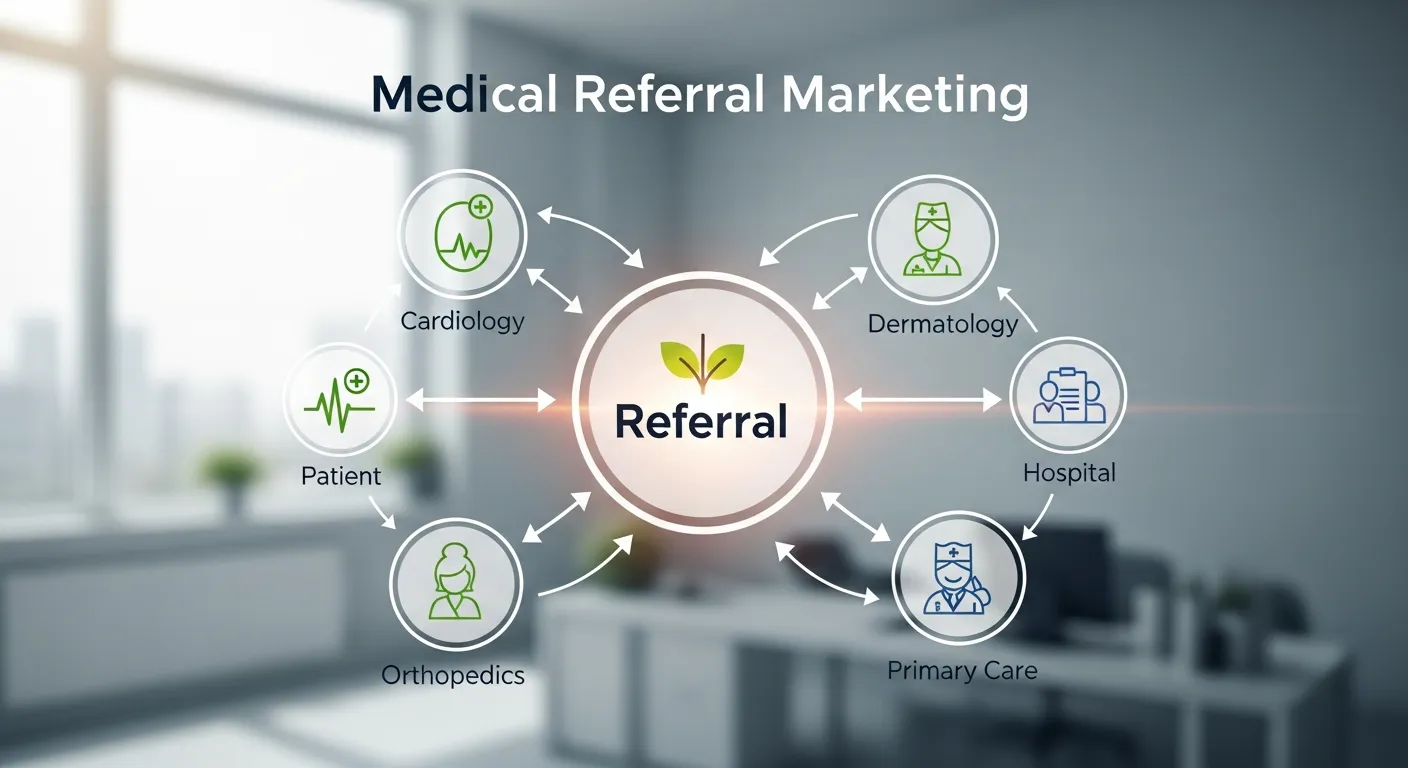
Medical referral marketing, or simply getting your patients or colleagues to refer your services to others, is one such elusive goal. It’s all about trust. Recommendation by a trusted person means a lot, and it is especially significant in the medical field, where the quality of medical services determines the health status.
There are two types of referral marketing in the medical field: patient-driven and professional-driven. For example:
- Referrals from patients occur when a satisfied patient sends their friends or family to you.
- Professional-driven referrals come from other health care professionals, such as primary care physicians, who send a patient to a specialist.
Whether you’re a busy family practice or specialty clinic, referral marketing can increase the number of patients you serve and facilitate meaningful relationships with your community.
Advantages of a Medical Referral Program
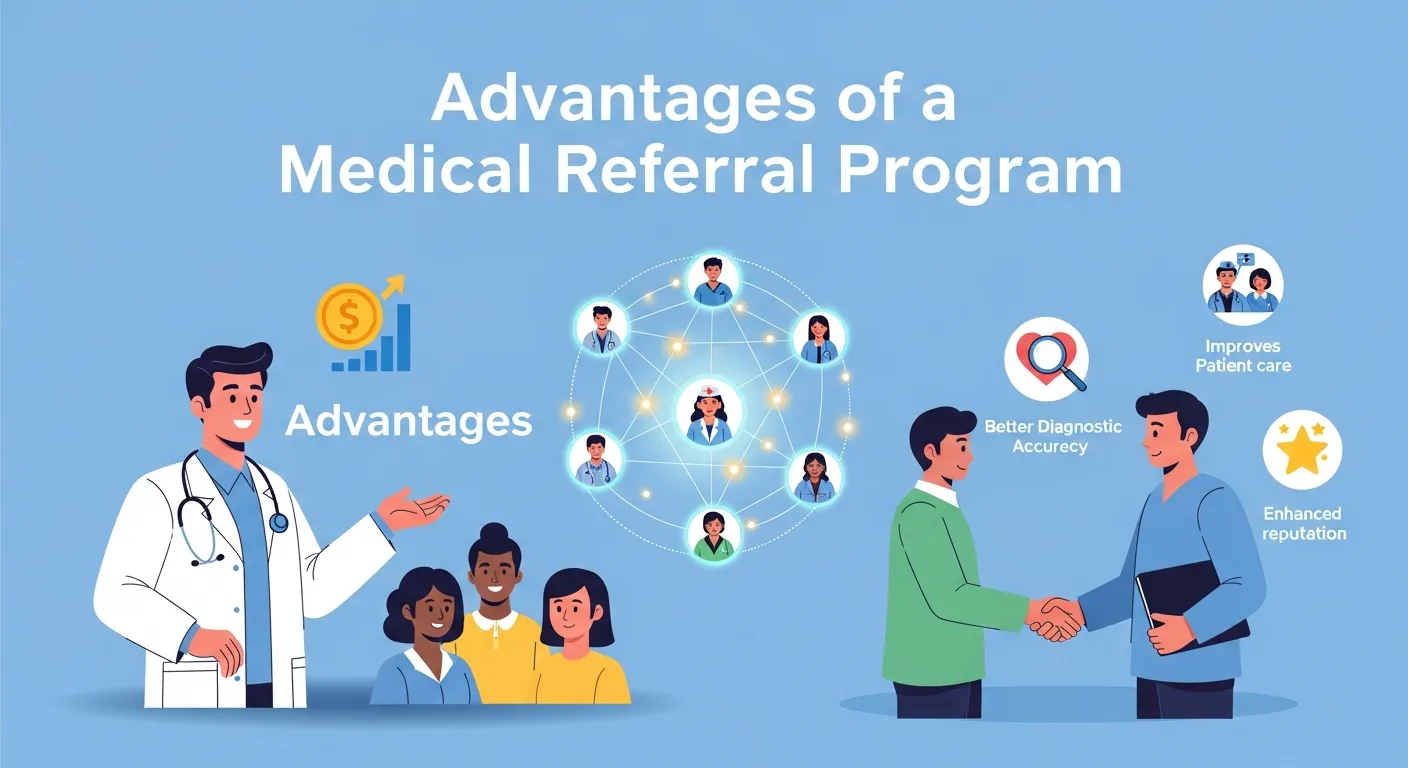
Developing a strong healthcare referral marketing network has many benefits, especially in a competitive market. Here are a few reasons you might want to reevaluate your current referral plan:
Enhanced Patient Confidence and Satisfaction
They would have already heard praises about the quality of your work if new patients arrive on recommendations. They trust whoever referred them, and that trust applies to your practice.
Cost-Effective Marketing
Referral marketing is dirt-cheap when compared to traditional advertising. One satisfied patient or connected health care professional can provide some real value for your practice without the cost of heavy advertising.
Higher Patient Retention
Referrals tend to be more loyal patients. Because they’ve been taken under the wing of someone they trust, they’re more likely to be retained by your practice, stick around, and schedule future appointments down the road.
More Recognition and Credibility
A referral program that works is a good look for your medical practice. Being referred by patients or others is considered further validation of your trust as a support provider.
Consistent Patient Flow
Traditional marketing usually has the ebb and flow of new patient acquisition, but a properly implemented referral marketing gives you multiple layers for a nice, steady flow.
How to Build a Medical Referral Program
Your approach to starting a referral program from scratch does not have to be intimidating. Here’s how to implement a system that jibes with your practice:
Develop a Great User Experience for the Patients
You can’t ask for or count on referrals if your patient experience isn’t up to snuff. You will not receive referrals from patients or healthcare professionals if they do not believe in your services. Areas to focus on include:
- Shorter wait times
- Clear Conveyance with the Patients (Before and After Appointments)
- Staff were helpful and friendly.
- A welcoming and tidy clinic area
Determine Who You Want to Refer You
Decide who you will ask for business first. For a specialty practice like yours, it might be the primary care providers in your community. For general practice clinics, satisfied patients can be great mouth-to-ear marketing. Consider targeting:
- Satisfied current patients
- Other healthcare professionals in the area (e.g., other physicians, nurses, therapists)
- Local organizations or businesses
Create an Incentive Structure (If You Have One)
Providing incentives is a great way to motivate patients or professionals to refer you.
NOTE: Make sure you’re within the rules, such as the Stark Law or the Anti-Kickback Statute, when structuring your program. Some motivation ideas may include:
- Free or discounted services
- Gift cards
- Community partnerships (e.g., free wellness products from a local cafe)
Even for professional-driven referrals, a non-financial system, such as forging good relationships with local doctors or giving training to doctors, can yield more results.
Leveraging Technology for Referral Marketing Automation

In today’s digital age, referral programs can no longer rely solely on word-of-mouth or paper-based methods. Incorporating referral marketing automation allows healthcare practices to streamline operations, improve patient engagement, and ensure that no referral opportunity is missed. Automation doesn’t replace personal touch—it enhances it by making processes smoother and more consistent.
Some key ways to leverage technology include:
- Automated Email Campaigns: After a patient’s visit, your system can automatically send a personalized email thanking them and encouraging them to refer friends or family. For example, a dental clinic can send a “Share the Smile” email that links directly to a referral form, making it easy for patients to act immediately while their experience is fresh.
- Digital Referral Forms: Embedding simple referral forms on your website or patient portal reduces friction for both patients and professionals. Patients can fill out a quick form with the referred person’s details, and the system automatically logs the referral in your database.
- CRM Integration: By connecting referral tracking to a Customer Relationship Management system, your practice can monitor where referrals are coming from, which referrers are most active, and how quickly referred patients convert into appointments. This allows staff to follow up strategically and nurture professional relationships effectively.
- Social Media Triggers: Encourage patients to share referral links through social media after visits. For example, a wellness clinic can send a post-visit message saying, “Loved your visit? Share this link with a friend for a free consultation!” This creates organic, peer-driven promotion without extra manual effort.
By embracing referral marketing automation, your practice can reduce manual work, ensure consistent follow-up, and maintain a steady stream of new patients—all while freeing up staff to focus on delivering exceptional care.
Referral Program Design: Structuring for Maximum Impact
A well-designed referral program is more than offering rewards—it’s about creating a system that aligns with your practice’s goals, reinforces patient loyalty, and maximizes new patient acquisition. A thoughtfully structured referral program ensures every referral is captured, acknowledged, and converted.
Here’s how to build a strong referral program:
- Identify Your Target Referrers: Start by deciding who is most likely to refer others. Loyal patients are often the easiest and most effective source of referrals because they already trust your care. In addition, partner doctors, specialists, and local health-focused organizations can generate professional referrals that bring in highly qualified patients.
- Define the Incentives: While monetary rewards are one option, there are multiple ways to incentivize referrals. Discounts on services, wellness kits, gift cards, or recognition programs highlighting top referrers on social media can all motivate patients and professionals alike. The key is to provide rewards that are meaningful, ethical, and compliant with healthcare regulations.
- Map Out the Referral Journey: Clearly define the steps a referral takes from start to finish. How will patients or professionals submit referrals? How will referred patients be welcomed into your practice? How will referrers be acknowledged and thanked? A smooth and transparent referral journey increases participation and strengthens relationships.
- Set Metrics for Success: To know whether your program is effective, track key indicators. This includes the number of new patients acquired through referrals, retention rate of referred patients, and referral-to-conversion rate. Measuring performance allows you to tweak your program over time, ensuring it remains effective and efficient.
By intentionally designing a referral program, your practice can capture every potential opportunity, reward referrers appropriately, and ensure referrals translate into loyal, long-term patients.
Advanced Referral Marketing Hacks for Healthcare Success
Once your referral program is operational, you can implement creative referral marketing hacks to maximize results. These hacks go beyond standard incentives, encouraging engagement and fostering loyalty while generating steady patient growth.
Some effective strategies include:
- Gamify Referrals: Turn your referral program into a friendly competition. Introduce leaderboards or monthly challenges where patients or staff can earn recognition for referring others. For example, a clinic could offer a “Top Referrer of the Month” award to encourage participation and make referrals fun.
- Highlight Success Stories: Sharing real testimonials from referred patients can motivate others to participate. Patients are more likely to trust your practice if they see tangible, positive outcomes from people they know or relate to. Posting these stories on social media or your website increases credibility and engagement.
- Leverage Micro-Influencers: Partner with local community figures, health bloggers, or wellness advocates who can endorse your clinic. These individuals often have a smaller but highly engaged audience, helping your practice reach potential patients who are more likely to act on their recommendations.
- Double Referral Rewards: Encourage faster and more frequent referrals by rewarding both the referrer and the referred patient. For instance, a physiotherapy clinic could offer a small gift or discounted session to both parties, creating a win-win situation that motivates referrals without feeling transactional.
- Track and Optimize: Referral programs are most effective when they are continually analyzed and improved. Monitor which strategies are driving the most referrals, assess engagement levels, and adjust your messaging, incentives, and outreach tactics accordingly. Using data-driven insights ensures that your program evolves with your patient base and local market trends.
By combining creative strategies with careful tracking and optimization, your healthcare referral program becomes a powerful tool for sustainable growth. Not only do these hacks increase referrals, but they also strengthen your clinic’s reputation and build long-lasting trust within your community.
Develop Referral-Inspired Materials: What You Can Do
Make it as simple as you can for other people to refer to you. Provide materials like:
- Professional referral pads or cards
- Small patient referral cards
- Online forms or links to share for digital referrals
- Well-designed brochures or flyers that showcase your services
Utilize Digital Marketing Networks
Leverage digital sources to scale your referral activity. Ideas include:
- Thank you/refer to email campaigns
- Post on social media to let the world know about your referral program
- Designing a landing page to streamline online referrals
Learn more about: Customer Retention Through Referral Marketing
Educate and Engage Your Staff
Your team is your initial marketing machine. Teach them about the value of the referral marketing to help them promote awareness/word-of-mouth through an unparalleled experience that automatically inspires referrals.
Tracking and Analyzing Your Referrals to Success
One of the worst mistakes in referral programs is failing to monitor their effectiveness. It is essential to benchmark performance and to adjust as you go. Here’s how to keep an eye on your program in an effective way:
Leverage a Patient Management System
Use technology to monitor referrals. Most patient management systems let you enter and track where those referrals are coming from, whether from patients or from other providers.
Monitor Key Metrics
Start measuring TV show, episode, and overall referral KPIs. Look at:
- Number of new referrals per month per new patient
- Source of referral (e.g., those who refer, abbrev)
- Conversion rate (Out of all those being referred, how many are booking the appointment?)
- Referred fraction of patients remaining under follow-up
Collect Referrer Feedback
Ask referrers, especially doctors, what they would like to see more of from you and what you can do to make your relationship with them better. In addition, inquire about all new patients of referrals to streamline onboarding.
Adapt Based on Results
Prepare to adjust your tactics according to what’s working and what isn’t. By being data-driven, you will refine your referral marketing strategy over time.
The benefits of healthcare referral marketing extend far beyond simple patient acquisition. A strong healthcare referral marketing strategy helps practices reduce marketing costs, improve patient loyalty, and maintain a steady flow of qualified referrals. Since medical referral marketing is built on trust, referred patients are more likely to convert, stay longer, and recommend your services again.
Connecting the Dots (and Patients) with Intelligent Referral
Matching referral sources to healthcare services/providers
Results Controller > Returns Patients’ Results: Cohort of patients and their referral sources.
And the future of doctors’ marketing and referrals seems excellent. With the maturation of digital and AI, it’s easier than ever to connect and communicate with patients and providers puss udsigon. And while investing in a powerful referral program might take some time and energy on your part upfront, it will grow your practice and help to build greater trust in your community.
Are you ready to move forward? Begin building referral systems that lead to you being the number one choice of both patients and colleagues. From improving the patient experience to using data more intelligently to track and locate, the opportunities are endless.
For more ideas on medical referral marketing and to get ahead in your local market, bookmark this page and stay tuned to the shifting medical landscape.
FAQ: Medical Referral Marketing
1. What is medical referral marketing?
Encouraging patients or healthcare professionals to refer new patients to your practice, based on trust and word-of-mouth.
2. Why is it important in healthcare?
Referred patients are more loyal, trust your services, and help improve your practice’s reputation and patient flow.
3. Who can refer patients?
Both satisfied patients (patient-driven) and other healthcare professionals (professional-driven) can refer new patients.
4. What incentives can motivate referrals?
Non-financial rewards like recognition or collaboration opportunities, or legal financial incentives like discounts, gift cards, or wellness perks.
5. How do I track referral success?
Use patient management systems and monitor referral marketing metrics such as referral count, conversion rates, retention, and referral sources.
6. How can staff support the referral program?
By educating them on the program, encouraging patient participation, and creating a welcoming, efficient patient experience that naturally inspires referrals.
7. Can digital tools help?
Yes. Online referral forms, email campaigns, social media posts, and landing pages make referrals easier to share and track.
Learn more about: Why Referral Marketing Beats Traditional Ads