
Scaling a global referral program involves overcoming cultural, legal, and logistical challenges. By localizing incentives, using influencers, optimizing for SEO, and leveraging the right tools, businesses can expand their referral reach worldwide.
Referral programs are a powerful marketing strategy that incentivizes existing customers to recommend a brand to others, helping businesses acquire new customers organically. They capitalize on trust and word-of-mouth, making them more effective than traditional advertising methods. As businesses grow, expanding referral programs globally can significantly boost customer acquisition, drive engagement, and build brand loyalty across diverse markets.
Scaling a referral program globally offers several benefits, including increased reach, access to international audiences, and improved brand credibility in new regions. However, managing a global referral program requires a strategic approach to overcome challenges such as cultural differences, localized incentives, and legal regulations.
This blog will explore key strategies for expanding a referral program globally, outline best practices to ensure success, and address common challenges that businesses face when scaling their referral efforts across international markets. By following these insights, businesses can maximize the impact of their referral campaigns worldwide.
Understanding Referral Programs
What Is a Referral Program?
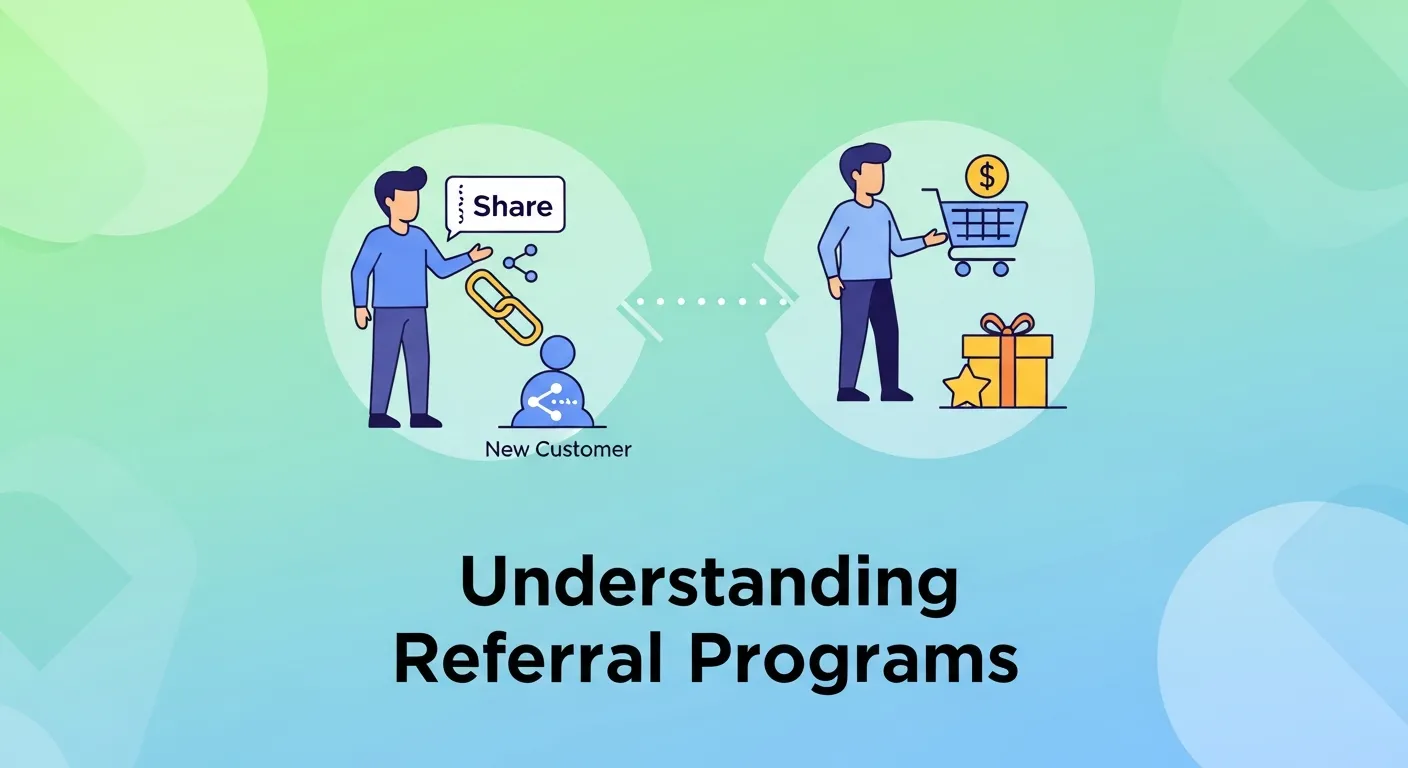
A referral program is a marketing strategy designed to encourage existing customers to refer new customers to a business in exchange for rewards or incentives. The process typically works as follows: a business invites its customers to share a referral link or code with their network. When the referred individual makes a purchase or takes a desired action (e.g., signing up, subscribing), the referrer is rewarded with an incentive. This kind of marketing taps into word-of-mouth recommendations, which are more likely to be trusted than traditional advertisements.
Referral programs are designed to build brand awareness, increase customer acquisition, and generate quality leads. The key to success lies in offering attractive rewards for both the referrer and the new customer. These rewards serve as motivation for customers to actively participate and share their positive experiences with their network.
There are several types of referral programs, including:
- Cash-based programs: Customers receive a cash reward for successful referrals.
- Discount-based programs: Referrers receive a discount on future purchases, while referred customers may receive a first-time discount or promotion.
- Exclusive offers: Customers who refer others are granted access to exclusive products, services, or content.
- Product-based programs: Instead of monetary rewards, businesses offer free products, services, or upgrades as an incentive for referrals.
By tailoring the type of reward to your customer base, businesses can maximize participation and optimize the effectiveness of their referral programs.
Why Referral Programs Are Effective for Business Growth
Referral programs are highly effective in driving business growth due to several key factors:
- Trust and Word-of-Mouth: One of the primary drivers of the success of referral programs is trust. People are more likely to trust recommendations from friends, family, or colleagues than they are traditional advertising. When a customer refers someone to your business, it carries a higher level of credibility because it comes from a trusted source. This makes potential customers more likely to engage with your business and make a purchase.
- Customer Loyalty: Referral programs can significantly increase customer loyalty. When customers are incentivized to refer others, they feel more connected to the brand and more appreciated. This sense of loyalty drives repeat business and increases the chances of customers becoming long-term advocates. Loyal customers are more likely to continue making purchases and recommend the brand to others, creating a cycle of growth.
- Cost-Effectiveness: Referral programs are one of the most cost-effective ways to acquire new customers. Unlike traditional advertising, which often requires significant spending, referral programs leverage existing customers to do the marketing. The cost of providing incentives to referrers is usually lower than paying for ads, making referral marketing a great option for businesses looking to reduce customer acquisition costs.
- High Conversion Rates: Referred customers tend to have higher conversion rates compared to other marketing channels. This is because referred customers come with built-in trust. When a customer is referred by someone they know, they are more likely to trust the brand, making them more likely to purchase and engage with the business. This results in better lead quality and higher conversion rates, further boosting the business’s growth.
Key Considerations Before Scaling a Referral Program Globally

Understanding Regional Differences
When scaling a referral program globally, it’s essential to understand the cultural, economic, and legal differences that exist across regions. Different countries may have distinct social norms, consumer behaviors, and expectations, which can directly impact the effectiveness of your referral program.
- Cultural Differences: People in different regions have varying attitudes towards referral marketing. In some cultures, word-of-mouth marketing is highly trusted and effective, while in others, people may be more skeptical of referral incentives. Additionally, the way people engage with brands or share recommendations may differ. For example, social media usage patterns vary significantly across regions, influencing how referrals are shared.
- Economic Differences: Economic conditions can affect customer participation in referral programs. For instance, in more affluent markets, monetary rewards or luxury incentives may be highly attractive, whereas in emerging markets, smaller or more practical rewards (like discounts or access to basic services) may resonate more.
- Legal Differences: Legal frameworks, such as advertising regulations or restrictions on incentive-based marketing, can vary significantly from one region to another. In some countries, there are strict rules on offering rewards for referrals, particularly in the case of gambling, alcohol, or financial services. Understanding these differences is essential to avoid legal complications.
By understanding and adapting your referral program to fit diverse markets and customer behaviors, you can maximize its potential across multiple regions, ensuring both effectiveness and compliance.
Localizing Incentives and Rewards
One of the most critical aspects of scaling a referral program globally is localizing incentives and rewards to resonate with customers in different regions. What works as an incentive in one country might not work in another.
- Customizing Rewards: Each region may have its own preferences when it comes to incentives. For example, while discounts may work well in some regions, free products or exclusive services might be more effective in others. Understanding local preferences—whether for monetary incentives, discounts, or premium offerings—can increase the likelihood that customers will participate in your referral program. For instance, customers in North America may prefer instant discounts or cashback offers, whereas customers in Asia might value exclusive access or premium memberships more.
- Currency and Payment Methods: Offering rewards in the local currency is essential for enhancing the appeal of your referral program. Ensure that you’re offering regional payment methods and currency conversion options to prevent customers from feeling alienated or frustrated by complex or inaccessible rewards.
To ensure that incentives resonate across different regions, you need to tailor the rewards to the values, lifestyle, and purchasing habits of local consumers. Customer surveys, market research, and ongoing feedback from local teams can help you continuously adapt and improve your incentive offerings to suit regional demands.
Legal and Compliance Challenges
When scaling a referral program internationally, legal and compliance challenges become a key consideration. Every country has its own data protection laws, advertising regulations, and consumer rights that can impact the design and execution of your referral program.
- Data Protection Laws: Many countries have stringent data privacy laws, such as the GDPR (General Data Protection Regulation) in the EU, which governs how personal data is collected, stored, and shared. Ensuring that your referral program complies with data protection laws is crucial to avoid legal penalties and maintain customer trust. For example, in certain countries, you may need to obtain explicit consent from customers before collecting or sharing their referral information.
- Advertising and Incentive Regulations: Some countries have strict rules about advertising practices, including regulations on offering rewards for referrals. Certain incentives, such as cash bonuses, may be restricted in specific regions or industries, such as financial services or healthcare. Understanding local advertising laws and ensuring compliance is essential to avoid legal issues.
- Referral Program Disclosures: In some countries, there are requirements for clear disclosures about how referral programs work, including the terms and conditions for rewards. Ensuring that your referral program includes transparent communication about incentives, eligibility criteria, and terms will help you stay compliant with local regulations.
To navigate these challenges, it’s essential to conduct thorough legal research and work with local legal teams to ensure your referral program complies with local regulations in each market you enter. Additionally, developing a unified approach to data protection and program transparency will help maintain consistency across regions and ensure customer trust worldwide.
Strategies for Scaling Your Referral Program Globally
Building a Scalable Referral Infrastructure
To scale a referral program globally, choosing the right technology and tools is essential. Implementing referral software like ReferralCandy, Yotpo, or Post Affiliate Pro can streamline your referral process by automating reward distribution, tracking referrals, and managing the overall campaign. These tools integrate seamlessly with CRM systems (e.g., HubSpot or Salesforce), allowing businesses to track and manage customer interactions across multiple regions.
Automation is also key to efficiency. By setting up automated workflows, businesses can manage referral submissions, send timely emails, and distribute rewards without manual intervention. Integrations with other marketing tools, such as email marketing platforms and social media schedulers, ensure a smooth process across regions, keeping the referral program running seamlessly on a global scale.
Localizing Your Referral Program for Different Markets
When expanding a referral program globally, it’s crucial to localize both the content and messaging to fit different languages, cultures, and market behaviors. Translation of referral program materials is the first step, ensuring that all communication, including emails, landing pages, and instructions, is available in the local language.
Beyond just translation, businesses need to adapt their messaging to align with cultural nuances and customer preferences in each region. For example, incentives that work well in one market may not resonate in another. Additionally, local customs and values must be reflected in the referral campaign’s tone and offers. For instance, in some regions, offering tangible rewards might be more appealing, while in others, experience-based rewards (like event tickets) might be preferred.
Tailoring your communication strategies means using local influencers, cultural references, and localized content that connect with audiences in each region, increasing the likelihood of engagement and successful referrals.
Using Global Influencers to Drive Referrals
Partnering with global influencers can significantly enhance the reach and credibility of a referral program. Influencers have established trust with their audiences, making them ideal partners to promote a referral program. By collaborating with influencers across different regions, businesses can gain access to new markets and increase brand awareness globally.
To work effectively with influencers across various regions:
- Segment your influencer partnerships by region, ensuring influencers cater to the appropriate demographics.
- Tailor the campaign to the influencer’s audience, aligning referral offers with their followers’ interests and expectations.
- Ensure influencers have clear guidelines for sharing referral links and tracking results to measure success effectively.
Influencers not only promote your referral program but can also provide valuable backlinks and social proof, further enhancing the SEO and trust factors of your campaign.
Marketing and Promoting Your Global Referral Program
Multi-Channel Marketing for Global Referral Programs
A successful global referral program requires promoting it across multiple channels to reach diverse audiences. Email marketing, social media, and paid ads are key tactics for driving traffic and engagement.
- Email: Send personalized emails to your customer base, including localized content and incentives.
- Social media: Promote the referral program on platforms like Facebook, Instagram, LinkedIn, and others, tailored to regional preferences.
- Paid Ads: Use paid search and social media ads to target specific regions and demographics, ensuring the program reaches potential referrers.
For each region, consider running targeted campaigns that align with local trends, interests, and values to ensure maximum participation in the referral program.
Social Media Strategies for Global Referrals
Leveraging global social media platforms like Facebook, Instagram, and LinkedIn is essential for expanding your referral program. These platforms have extensive reach and allow businesses to target specific markets and demographics.
Best practices include:
- Creating shareable referral content: Use eye-catching graphics, videos, and easy-to-share referral links to encourage customers to spread the word.
- Engaging with users: Respond to comments, thank referrers, and keep the conversation going to maintain momentum.
- Running viral campaigns: Organize challenges or contests where users are encouraged to refer others in exchange for rewards, making the campaign more interactive and engaging.
Content Marketing and SEO for Referral Programs
To drive traffic and increase referrals, optimize your content marketing for international SEO. Create SEO-friendly blog posts, videos, and landing pages that target local search queries. Use region-specific keywords and localized content to ensure that your referral program appears in search results relevant to each market.
Incorporating call-to-action (CTA) links in your content that encourage referrals can lead to increased sign-ups. Additionally, sharing success stories and testimonials from local customers can improve your program’s credibility and appeal.
Tracking and Measuring the Success of a Global Referral Program
Key Metrics to Monitor Globally
To evaluate the success of your global referral program, it’s essential to track key metrics across different regions:
- Referral rates: How many referrals are generated from each region.
- Conversion rates: How many of the referrals convert into paying customers.
- Customer acquisition costs (CAC): The cost-effectiveness of the program in different markets.
- ROI: The return on investment for each region.
Tools like Google Analytics, ReferralCandy, and AffiliateWP can help monitor these metrics, allowing businesses to evaluate the performance of their global referral campaigns.
Using Analytics to Optimize Referral Campaigns
By leveraging data and analytics, businesses can fine-tune their global referral campaigns. Analyze which regions, marketing channels, or referral incentives are performing the best and adjust the program accordingly.
For example, if a particular region is underperforming, businesses can adjust their messaging, offers, or influencer partnerships. Regularly reviewing performance data and making data-driven optimizations ensures that your referral program is consistently achieving the best results globally.
Overcoming Challenges When Scaling a Referral Program Globally
Overcoming Language and Cultural Barriers
Scaling a referral program globally requires addressing language and cultural barriers. Effective communication is key to ensuring the program resonates with international audiences. This involves not only translating referral program content but also adapting it to local customs, humor, and values. Tailoring your messaging to align with cultural nuances can significantly increase engagement and success rates.
Managing Different Currencies and Payment Methods
Handling cross-border payments and multiple currencies is a logistical challenge when scaling referral programs. Ensure that rewards are offered in local currencies and provide flexible payment methods to accommodate customers in various regions. Using platforms like PayPal, Stripe, or localized payment solutions can ensure smooth transactions for international customers.
Dealing with Local Competition
Each market has its own competition, which can impact the success of your referral program. To stand out, clearly communicate the unique benefits of your referral program compared to local competitors. Offering exclusive rewards or tailored incentives for specific regions can help differentiate your program and attract more participants.
Best Practices for a Successful Global Referral Program
Creating a Seamless User Experience Across Regions
To ensure a smooth experience for users worldwide, focus on user experience (UX). Your referral program should be easy to understand and participate in, regardless of the region. Consistency in design, navigation, and rewards redemption will help users feel confident in participating, no matter where they are located.
Building Trust and Engagement with Global Customers
Engaging your referral network and maintaining trust across regions is vital. Regular updates, personalized communication, and active engagement on social media can help build lasting relationships with referrers. Providing excellent customer service and ensuring a positive experience will keep users engaged and encourage them to refer others.
Adapting to Global Trends and Technologies
Stay ahead of global marketing trends, such as the rise of AI and automation, to improve the efficiency of your referral program. By adopting emerging technologies, you can further streamline your referral processes and enhance customer engagement.
Case Studies of Successful Global Referral Programs
Case Study 1: How Company X Scaled Its Referral Program Globally
Company X, a global e-commerce brand, successfully scaled its referral program by adapting their incentives to regional preferences and working with local influencers. By offering region-specific rewards and integrating with local payment systems, Company X expanded its reach to new markets and saw significant growth in customer acquisition.
Case Study 2: Global Referral Program Success in the SaaS Industry
A SaaS company expanded its referral globally by localizing its messaging and partnering with influencers in each region. The program’s success stemmed from regional adjustments and the company’s ability to offer valuable rewards that were relevant to different customer bases, driving high engagement and substantial global growth.
Conclusion
Scaling a referral program globally requires careful consideration of regional differences, localizing incentives, and adapting marketing strategies to diverse cultures and markets. By leveraging technology, local influencers, and multi-channel marketing, businesses can effectively reach international audiences. Tracking key metrics and optimizing based on data ensures continued success. Overcoming challenges such as language barriers, local competition, and currency differences is essential for a seamless global experience. Following best practices and staying adaptable to global trends allows businesses to grow their referral programs and achieve sustainable, worldwide success. With the right strategies, referral programs can drive exceptional global growth.
FAQ: Global Referral Program
1. What is a global referral program?
Answer: A global referral program encourages customers from multiple regions to refer new clients in exchange for incentives. It is designed to scale across international markets while considering regional differences in preferences and laws.
2. How can SEO help scale a referral program globally?
Answer:
SEO helps increase visibility for referral landing pages, enhances organic traffic from various regions, and ensures that referral program content is discoverable by international audiences, driving more referrals.
3. What are the challenges of scaling a referral globally?
Answer: Challenges include cultural differences, varying legal requirements, currency and payment methods, language barriers, and managing local competition. These need to be addressed through localization and adapting the referral strategy to each market.
4. How do you localize a referral for global markets?
Answer: Localization involves tailoring referral program content, rewards, and incentives to fit cultural and regional preferences. It includes translating emails, adjusting messaging, and offering region-specific rewards to increase engagement.
5. What role do influencers play in scaling a referral program globally?
Answer: Influencers can expand the reach of a global referral program by promoting it to their audiences across different regions. Their endorsement helps build trust and encourages more customers to participate in the referral process.
6. How can referral incentives be adapted for different countries?
Answer: Referral incentives should be customized based on the purchasing power, preferences, and interests of each region. This might involve offering discounts, rewards, or exclusive products that resonate with local customers.
7. What tools can help scale a referral program globally?
Answer: Tools like ReferralCandy, Yotpo, and Referral Rock help automate and manage referral programs across multiple regions. These platforms allow businesses to track referrals, customize incentives, and analyze performance globally.
8. How can you manage payments and currencies for a global referral program?
Answer: To manage payments across different currencies, businesses can use global payment processors like PayPal, Stripe, or TransferWise, ensuring that referral rewards are easy to distribute to customers worldwide without friction.
9. What strategies can be used to overcome language barriers in a global referral program?
Answer: Translating emails, website content, and promotional materials into local languages and ensuring culturally relevant messaging can help overcome language barriers. Localized content improves communication and makes referral programs more appealing.
10. How do you measure the success of a global program?
Answer: Success can be measured by tracking metrics like the number of referrals, conversion rates, customer acquisition cost, ROI, and regional performance. Tools like Google Analytics and CRM software can help track and analyze these metrics.